You’ve invested in a Honda CR-V expecting reliability, but strange brake behaviors have you worried. From unexpected emergency braking to warning lights flashing on your dashboard, these issues aren’t just annoying – they could impact your safety. Let’s dive into the common brake problems affecting Honda CR-V models, what’s causing them, and how to protect yourself and your vehicle.
Common Honda CR-V Brake System Issues
Unintended Automatic Emergency Braking
The most alarming issue facing newer Honda CR-V owners is unexpected activation of the Collision Mitigation Braking System (CMBS). This safety feature is meant to prevent accidents, but it’s causing them instead.
The National Highway Traffic Safety Administration has expanded their investigation to cover nearly 3 million vehicles, including 2017-2022 CR-V models. With 1,294 complaints, 47 crashes, and 93 injuries reported, this isn’t just an isolated problem.
Drivers report their CR-Vs suddenly braking hard with no obstacles present – a terrifying situation, especially on highways. If you’ve experienced this, you’re far from alone, and you should file a complaint with NHTSA.
ABS Module Failures
The Anti-lock Braking System (ABS) module is a common failure point, especially in 2002-2008 CR-V models. When this happens, you’ll likely see:
- ABS warning light stays illuminated
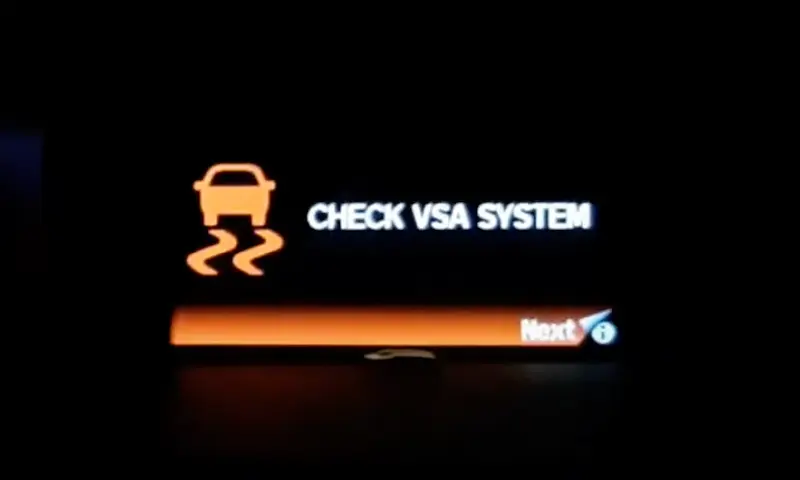
- VSA (Vehicle Stability Assist) light comes on
- Error code 66-1 indicating “Brake Pressure Sensor Failure”
This issue compromises your vehicle’s ability to prevent wheel lockup during emergency braking. Replacement costs range from $1,400 to $2,800 – making it one of the most expensive brake repairs you might face.
Some owners have found more affordable solutions through third-party rebuild services that offer ABS module repair for around $599.
Premature Brake Pad Wear
CR-V owners often report replacing brake pads much sooner than expected. Several factors contribute to this:
- Urban driving with frequent stopping
- Honda’s use of softer brake pad materials to reduce noise
- Environmental conditions (salt and moisture accelerate wear)
Early warning signs include:
- Squeaking or grinding during braking
- Reduced braking efficiency
- Visible wear patterns on the pads themselves
Brake Rotor Warping
Does your CR-V shake when you brake? That’s likely warped rotors. This distortion happens when rotors develop uneven surfaces, usually from:
- Excessive heat during prolonged braking (like driving downhill)
- Improper wheel lug nut installation creating uneven pressure
- Frequent highway driving or towing
You’ll notice vibrations through your brake pedal and steering wheel, plus inconsistent braking performance. This is particularly common in vehicles used for towing or mountain driving.
Brake Fluid Leaks
Perhaps the most dangerous issue is brake fluid leakage, which can lead to complete brake failure. The 2017-2020 CR-V models show patterns of leaks from various components:
- Worn seals
- Damaged brake lines
- Master cylinder failures
The NHTSA has documented internal Honda communications about this problem. Look for fluid pooling under your vehicle, a soft/spongy brake pedal, or reduced braking power.
Repair Costs Breakdown
Understanding potential costs helps you budget for inevitable repairs:
| Brake Component | Average Cost Range | What Affects Cost |
|---|---|---|
| Brake Pads | $210-$430 | Front pads cost more than rear; ceramic pads cost more but last longer |
| Rotors | $380-$1,100 | Quality differences; whether both axles need service |
| ABS Module | $1,400-$2,800 | May require specialized programming |
| Master Cylinder | $520-$930 | Complex replacement requiring system bleeding |
| Brake Fluid Service | $80-$150 | Preventive maintenance every 3 years |
| Caliper Replacement | $300-$600 per caliper | Rebuilding is cheaper than full replacement |
These figures represent national averages – costs vary by location, dealer vs. independent shop, and the specific year/model of your CR-V.
Preventive Maintenance Strategy
Essential Inspection Schedule
To avoid catastrophic failures and expensive repairs, follow this maintenance schedule:
- Every 12,000-16,000 kilometers: Comprehensive brake inspection
- Every 3 years or 60,000 kilometers: Brake fluid replacement
- Monthly: Check brake fluid level and color yourself
During inspections, technicians should examine:
- Brake pad thickness (replace when less than 3mm)
- Rotor surface condition
- Brake fluid clarity and level
- Brake lines and hoses for wear
- Caliper operation and movement
Driving Habits That Extend Brake Life
How you drive dramatically affects your brake system longevity:
- Avoid “riding” the brakes on downhills; use engine braking
- Practice gradual stopping rather than sudden stops
- Don’t overload your vehicle beyond recommended capacity
- In stop-and-go traffic, leave space to reduce brake usage
Warning Signs You Shouldn’t Ignore
Pay attention to these early indicators of brake problems:
- Any changes in brake pedal feel (softer, harder, pulsating)
- Unusual noises during braking (squealing, grinding, clicking)
- Warning lights on dashboard (ABS, VSA, Brake)
- Vehicle pulling to one side during braking
- Burning smell after braking
Addressing these symptoms early can prevent minor issues from becoming dangerous failures.
Model Year Specific Issues
2017-2022 Models
These newer CR-Vs face the most significant challenges with the CMBS unintended activation problem. With Honda Sensing technology standard on these models, the automatic emergency braking system can activate when no obstacles are present.
Owners should:
- Be vigilant for unexpected braking events
- Watch for dashboard warning messages
- Report any incidents to both Honda and NHTSA
2002-2008 Models
These older CR-Vs commonly experience:
- ABS module failures (the most expensive common repair)
- Electronic control unit problems
- Brake fluid leaks from aging components
Owners of these models should budget for potential ABS module replacement, which can cost up to $2,800 at dealerships.
Recent Regulatory Actions
The NHTSA investigation into CR-V braking systems has expanded significantly since it began in February 2022. Initially covering just 278 complaints, it now includes nearly 3 million vehicles and has been upgraded to an “engineering analysis” – the final step before a potential recall.
In June 2025, Honda issued a recall for 259,033 vehicles due to brake pedal pivot pin defects. While this mostly affected Acura TLX, MDX, and Honda Pilot models, it demonstrates ongoing quality control issues in Honda’s brake systems that CR-V owners should monitor.
Technical Service Bulletins
Honda has issued several Technical Service Bulletins addressing brake system problems:
- TSB 17-064 for millimeter wave radar software that controls CMBS
- Multiple dealer communications about brake system warning lights in 2017-2018 CR-Vs
- Bulletins addressing brake fluid leaks and caliper issues
These internal documents confirm Honda’s awareness of these problems, even when they haven’t issued public recalls.
What to Do if You’re Experiencing Issues
Immediate Steps
If you’re having brake problems with your CR-V:
- Check if your vehicle is affected by recalls at Honda’s recall website
- Document all symptoms, warning lights, and incidents
- Take your vehicle to an authorized Honda dealer or trusted mechanic
- If experiencing automatic emergency braking issues, file a complaint with NHTSA
Legal Considerations
For persistent problems, you may have legal options:
- State lemon laws may apply if your vehicle has required multiple warranty repairs
- Several class-action lawsuits are ongoing related to Honda CMBS problems
- Keep detailed records of all repair attempts, costs, and communications
Long-term Protection
To protect yourself and your investment:
- Establish a relationship with a qualified Honda service center
- Maintain detailed records of all brake system services
- Consider extended warranty options if available
- Research known issues before purchasing a new or used CR-V
Best Practices for Brake Maintenance
DIY Checks Between Services
Between professional services, you can:
- Check brake fluid level monthly (it should be between MIN and MAX marks)
- Look for fluid leaks under the vehicle
- Listen for unusual sounds during braking
- Feel for vibrations or pulling while braking
- Test brake pedal firmness (it shouldn’t feel spongy)
These simple checks can identify problems before they become dangerous.
Finding a Qualified Service Provider
Not all mechanics are created equal when it comes to Honda brake systems. Look for:
- Honda-certified technicians or shops specializing in Honda
- Direct experience with CR-V models
- Shops with proper diagnostic equipment for Honda systems
- Willingness to explain issues and show you the problems
A good technician will show you worn components and explain exactly what needs replacement versus what can wait.
When Replacement Makes More Sense Than Repair
For older CR-Vs with multiple brake system problems, replacement may be more economical:
- If ABS module failure occurs in a high-mileage vehicle
- When repair estimates exceed 50% of the vehicle’s value
- If multiple major components (calipers, master cylinder, ABS) are failing simultaneously
In these cases, investing in a newer model with a clean service history might make more financial sense.
The Future of Honda CR-V Brake Systems
Honda continues to evolve their brake systems with each generation. Newer models feature:
- Updated CMBS software to reduce false activations
- Improved electronic parking brake reliability
- Enhanced brake system monitoring
However, as systems become more complex, they introduce new potential failure points. Regular maintenance becomes even more critical with these advanced systems.
Staying informed about emerging issues and maintaining a proactive maintenance schedule remains your best defense against Honda CR-V brake system problems.