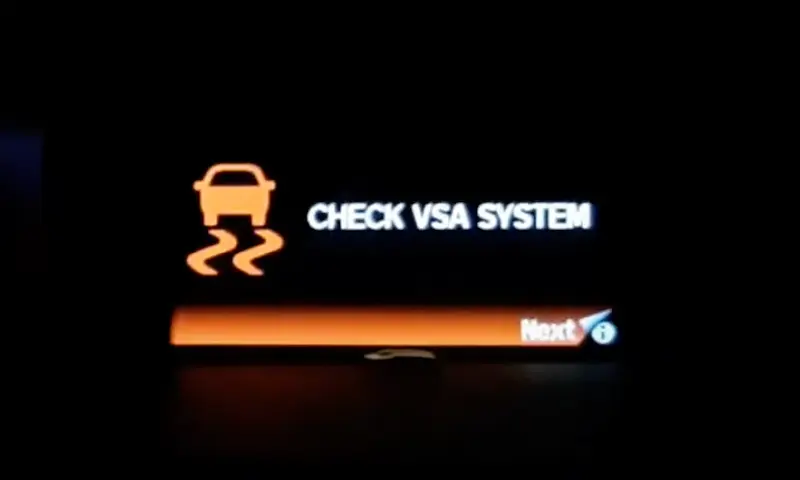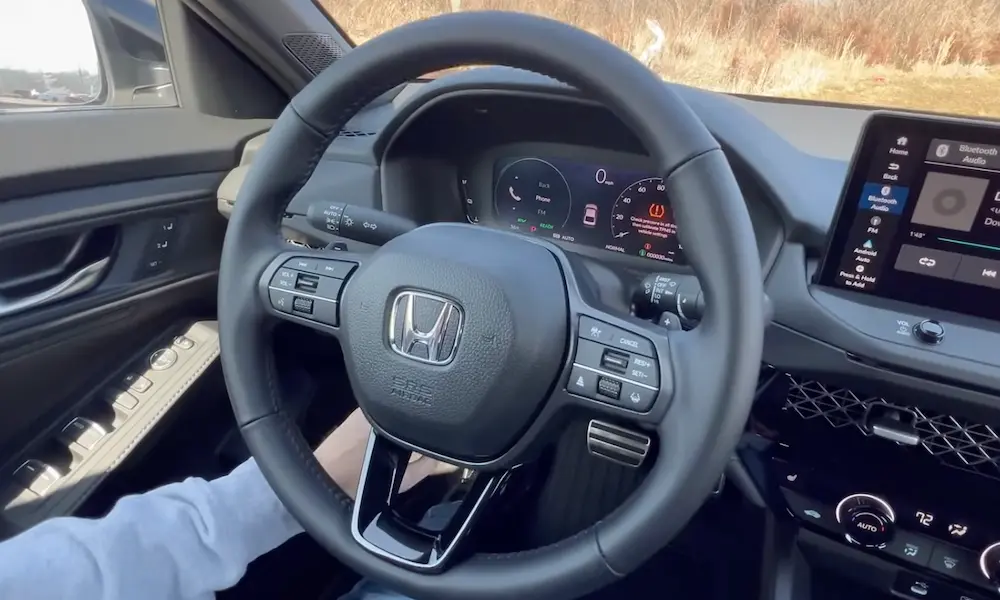
Your Honda CR-V’s flashing check engine light isn’t just a minor hiccup—it’s your vehicle screaming for immediate attention. Unlike a steady light that suggests “service soon,” a flashing light means “stop driving now” before expensive damage occurs. Let’s dive into what causes this urgent warning in your CR-V, what you should do right away, and how to avoid a repair bill that could reach into the thousands.
What Does a Flashing Check Engine Light Mean in a Honda CR-V?
A flashing check engine light on your Honda CR-V indicates an active, severe engine misfire that’s dumping unburned fuel into your exhaust system. This isn’t just bad for emissions—it’s actively damaging your catalytic converter, which can overheat and melt down in minutes.
Unlike a steady check engine light that suggests a non-emergency issue, the flashing light is Honda’s way of saying “pull over now.” Continuing to drive—especially uphill or under load—can turn a relatively minor spark plug or fuel problem into a $2,000+ catalytic converter replacement.
Immediate Steps When Your CR-V’s Check Engine Light Starts Flashing
- Ease off the gas pedal immediately
- Pull over safely as soon as possible
- Turn off the engine to prevent further damage
- Scan for diagnostic trouble codes (DTCs) if you have an OBD-II scanner
- Arrange for a tow to a repair facility rather than driving
If you’re experiencing strong vibrations, rough running, or smell raw fuel, don’t attempt to limp the car home. Even a few miles of driving with a severe misfire can cause permanent damage to your catalytic converter.
Common Causes of a Flashing Check Engine Light in Honda CR-Vs
Ignition System Failures
The most common cause of misfires in CR-Vs is ignition system problems:
- Failing ignition coils – These components convert battery voltage to the thousands of volts needed to create a spark
- Worn spark plugs – Honda recommends replacement every 100,000 miles, but problems can occur earlier
- Damaged plug wires or boots – Cracks or moisture intrusion can cause spark to leak
When an ignition component fails, the spark becomes inconsistent or weak, preventing proper combustion in one or more cylinders.
Fuel System Issues (Especially in 2017-2020 1.5T Models)
The 1.5-liter turbocharged engine in newer CR-Vs has some known fuel system issues that can trigger a flashing check engine light:
- Clogged or leaking fuel injectors – A common problem with the 1.5T engine
- Fuel pressure problems – Can cause lean running conditions and misfires
- Oil dilution issues – Fuel mixing with oil in cold weather operations can cause misfires
These issues are significant enough that Honda has issued warranty extensions for certain model years.
Vacuum/Intake Leaks
Air leaks in the intake system can cause:
- Improper air-fuel mixtures
- Unstable idle
- Misfires under acceleration or load
Common vacuum leak points include intake gaskets, vacuum hoses, and the PCV (positive crankcase ventilation) system.
Mechanical Engine Problems
Though less common, internal engine issues can also cause misfires:
- Low compression – Worn piston rings or valves
- Timing chain issues – Stretched chains can throw off valve timing
- Damaged valves or valve seats – Preventing proper sealing during combustion
Honda CR-V Model-Specific Issues That Cause Flashing Check Engine Lights
2017-2018 CR-V 1.5T Oil Dilution Problem
The 2017-2018 CR-Vs with the 1.5-liter turbo engine have a well-documented issue where fuel mixes with the engine oil, especially in cold weather climates. This “oil dilution” problem:
- Thins out engine oil, reducing lubrication
- Fouls spark plugs, causing misfires
- Creates excessive carbon buildup
- Can eventually lead to engine damage
Honda has issued a software update (Product Update 18-124) to help reduce this issue by changing engine warm-up patterns and fuel injection timing.
Common Trouble Codes Associated With CR-V Flashing Check Engine Light
When scanned, your CR-V will typically show one of these diagnostic trouble codes:
- P0300 – Random/multiple cylinder misfire
- P0301-P0304 – Misfire detected in specific cylinders (1-4)
- P0171/P0172 – Fuel system too lean/rich
- P0420 – Catalyst efficiency below threshold (often after misfire damage)
The specific cylinder codes (P0301, etc.) are helpful because they pinpoint exactly where the problem is occurring.
Repair Costs When Your Honda CR-V’s Check Engine Light Flashes
| Repair | Typical Cost Range | Notes |
|---|---|---|
| Spark Plugs Replacement | $120-$250 | Often fixes the problem if plugs are worn or fouled |
| Ignition Coil Replacement | $150-$350 | Price varies based on how many coils need replacing |
| Fuel Injector Cleaning | $150-$250 | Sometimes resolves minor injector issues |
| Fuel Injector Replacement | $650-$1,100 | Especially costly on 1.5T engines |
| Catalytic Converter Replacement | $1,400-$2,000+ | If damage occurs from driving with misfires |
| Oil Change (for dilution issues) | $50-$100 | Temporary fix for oil dilution problems |
Honda Warranty Extensions and Coverage for Related Issues
If your CR-V experiences a flashing check engine light due to a known issue, you might be covered under one of Honda’s warranty extensions:
For 2017-2018 CR-V 1.5T Models:
Honda has issued Warranty Extension 19-037 that covers:
- Misfire-related issues (DTCs P0300-P0304)
- Rich running conditions (DTC P0172)
- Extension to 6 years with unlimited mileage
- Covers damage to camshafts, rocker arms, spark plugs and other components caused by oil dilution
Before paying for repairs, have your dealer check if your vehicle’s VIN is eligible for warranty coverage.
DIY Diagnostics: What Can You Check Yourself?
While a flashing check engine light requires professional attention, some initial diagnostics can help identify the issue:
Check for Obvious Issues
- Look for disconnected vacuum hoses
- Ensure all ignition coil connectors are fully seated
- Check for any signs of rodent damage to wiring
- Look for oil on spark plugs when removed (sign of internal issues)
Using an OBD-II Scanner
Even an inexpensive scanner can retrieve valuable codes that indicate which cylinder is misfiring. If you see codes like P0301 (cylinder 1 misfire), P0302 (cylinder 2 misfire), etc., this tells you exactly where to start looking.
Coil Swap Test
If you have a specific cylinder misfire and access to the ignition coils:
- Swap the suspect coil with another cylinder
- Clear the codes and run the engine
- If the misfire code moves to the new cylinder, the coil is faulty
How to Prevent Future Flashing Check Engine Lights in Your CR-V
Regular Maintenance Is Critical
- Follow Honda-recommended spark plug replacement intervals (typically 100,000 miles, but sooner for turbocharged models)
- Use only high-quality, Top Tier gasoline to keep fuel injectors clean
- For 2017-2018 1.5T engines in cold climates, consider changing oil more frequently (every 5,000 miles instead of the recommended interval) to minimize problems from fuel dilution
- Have your engine scanned at the first sign of roughness – addressing minor misfires early prevents more serious issues
For 1.5T CR-V Owners (2017+):
- Monitor your oil level regularly – if it’s rising between changes or smells of gasoline, you may be experiencing oil dilution
- Check if your vehicle has received the Honda software update (Product Update 18-124) that helps reduce oil dilution
- In very cold climates, allow longer warm-up times and avoid short trips where the engine never fully warms up
Driving Safely With Engine Issues
If your check engine light begins flashing while you’re far from help:
- Reduce speed immediately and find a safe place to pull over
- Call for roadside assistance or a tow truck – driving further risks very expensive damage
- If you must drive a short distance to safety, keep engine RPMs as low as possible and avoid hills or heavy acceleration
- Tell the shop the light was flashing, not just on – this critical detail changes their diagnostic approach
Why You Shouldn’t Ignore a Flashing Check Engine Light
A flashing check engine light in your Honda CR-V isn’t just another dashboard warning you can postpone addressing. Here’s why immediate attention is critical:
- Catalytic converter damage occurs quickly – sometimes in less than 10 minutes of driving with a severe misfire
- Replacement catalytic converters are expensive ($1,400-$2,000+) and often not covered by warranty if the damage resulted from continuing to drive with a flashing light
- A minor problem can cascade into major engine damage if raw fuel washes cylinder walls or dilutes your engine oil
Remember: a steady check engine light means “get service soon,” while a flashing light means “stop driving now.” This distinction can save you thousands in repair costs.