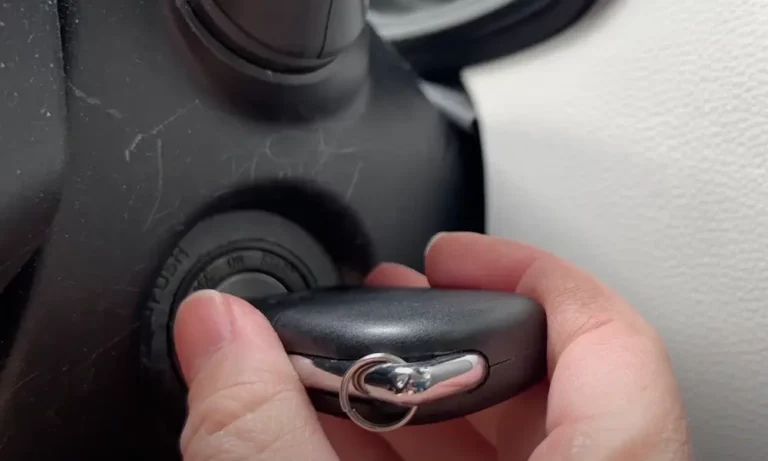
Is your Honda CRV key refusing to budge from the ignition? Don’t worry—you’re facing a common issue that has several straightforward fixes. While it’s tempting to force the key out, that’ll likely make things worse. Instead, try the proven solutions in this guide to get your key out without damaging your vehicle.
Why Your Honda CRV Key Gets Stuck in the Ignition
The Steering Wheel Lock is Engaged
The most frequent culprit behind a trapped key is your vehicle’s anti-theft feature. When you park your Honda CRV with the wheels turned and shut off the engine, the steering wheel lock mechanism automatically engages. This safety feature prevents thieves from steering your car away, but it can also trap your key until you release the lock.
Signs this is your problem:
- The steering wheel feels rigid or unmovable
- You turned the wheels before shutting off the engine
- The key turns slightly but won’t fully rotate to the release position
Your Transmission Isn’t Fully in Park
Honda designed your CRV with a safety feature that prevents key removal unless the transmission is securely in Park. Even when you think the shifter is in the right position, it might be slightly off, keeping your key trapped in the ignition cylinder.
This happens when:
- The shifter looks like it’s in Park but isn’t completely engaged
- You’re parked on an incline that puts pressure on the transmission
- There’s an issue with the shift interlock system
Your Honda’s Battery is Dead or Dying
Modern Honda CRVs rely on electrical systems to control various functions—including the ignition system. When your battery lacks juice, these electrical components can’t properly signal the ignition to release your key.
Watch for these battery-related warning signs:
- Dashboard lights are dim or flickering
- The radio or other electronics aren’t working properly
- You had trouble starting the vehicle recently
Your Key or Ignition Cylinder is Worn Out
Keys don’t last forever. After years of use, your Honda CRV key can develop worn spots that cause it to bind in the ignition. Similarly, the ignition cylinder itself can deteriorate over time, especially in older models.
This might be your issue if:
- The key feels loose or wiggly in the ignition
- You’ve noticed the key becoming harder to turn recently
- Your Honda CRV is several years old
Quick Solutions to Free Your Stuck Honda CRV Key
Release the Steering Wheel Lock
This simple fix works in most cases:
- Put slight pressure on the key in the ignition (in the direction you’d turn to start the car)
- While maintaining that pressure, gently turn the steering wheel left and right until you feel it release
- As soon as the steering wheel moves freely, the key should turn and release
The key here is gentle, persistent pressure—not force. The steering wheel only needs to move slightly to disengage the lock.
Check and Reset Your Transmission Position
For shift-related key problems:
- Press firmly on the brake pedal
- Move the gear shifter deliberately through different positions—from Park to Neutral, to Drive, and back to Park
- Make sure the shifter clicks fully into the Park position
- Try turning and removing the key again
Sometimes the transmission sensor needs this complete cycle to reset properly and recognize that the vehicle is truly in Park.
Jump-Start or Charge Your Battery
If electrical issues are keeping your key hostage:
- Jump-start your Honda CRV using another vehicle or a portable jump starter
- Let the engine run for at least 5-10 minutes to build some charge
- Turn the engine off and try removing the key again
Once your battery has enough power, the electrical components should function correctly and free your key.
Use the Shift Lock Release as a Backup
For persistent transmission-related key problems:
- Set your parking brake for safety
- Locate the small covered slot near your shifter (usually labeled “shift lock release”)
- Remove the cover using a flathead screwdriver or similar tool
- Insert the screwdriver into the slot and press down
- While pressing, move the shifter out of Park and into Neutral
- Try removing the key again
This override method forces the transmission to acknowledge it’s no longer in drive mode, which should allow key removal.
Advanced Fixes When Simple Solutions Fail
Apply Electrical Contact Cleaner
Over time, dirt and oxidation can build up in the ignition cylinder:
- Spray a small amount of electrical contact cleaner onto the key
- Insert the key and gently work it in and out a few times
- Turn the key back and forth several times to distribute the cleaner
- Try removing the key again
The cleaner helps dissolve grime that might be causing the key to stick without damaging the internal components.
Check for a Faulty Brake Light Switch
Honda CRVs have an interlock system that connects the brake lights to the ignition:
- Press the brake pedal and have someone check if your brake lights come on
- If they don’t, your brake light switch might be faulty
- The switch is typically located above the brake pedal assembly
- Replace the switch or have it serviced by a mechanic
A malfunctioning brake light switch can trick your Honda into thinking the brake isn’t engaged, preventing key removal even when in Park.
Examine the Key Itself
Look closely at your key for these issues:
- Bent shaft or teeth
- Visible wear patterns on the edges
- Cracks or damage to the key head
| Key Condition | Likely Problem | Recommended Action |
|---|---|---|
| Bent key | Won’t align properly in cylinder | Straighten carefully or replace |
| Worn teeth | Can’t engage lock pins correctly | Replace key |
| Dirty key | Debris prevents proper movement | Clean with alcohol |
| Damaged head | May not turn completely | Replace key |
Using a damaged key can further harm your ignition cylinder, so address key problems promptly.
Try the Battery Disconnect Technique
For electronic ignition issues:
- Disconnect the negative terminal of your battery
- Wait 5 minutes to allow the electrical system to fully reset
- Reconnect the battery
- Try the key again
This technique forces all electronic systems to reboot, potentially clearing any glitches in the ignition control module.
How to Prevent Future Key Sticking Problems
Develop Better Parking Habits
Small changes to your routine can prevent most key-sticking scenarios:
- Always straighten your steering wheel before turning off the engine
- Push the shifter firmly into Park and feel for the definitive “click”
- Set the parking brake before turning off the engine
- Don’t hang heavy items from your key ring while it’s in the ignition
These simple habits reduce stress on your ignition system and minimize the risk of key entrapment.
Maintain Your Honda CRV’s Electrical System
A healthy battery prevents many ignition problems:
- Have your battery tested regularly, especially before winter
- Clean battery terminals if you notice corrosion (white powdery substance)
- Consider a battery replacement every 3-5 years, even if it hasn’t failed yet
- Keep jumper cables or a portable jump starter in your vehicle
Since modern Honda CRVs rely heavily on electronics, maintaining good battery health is crucial for proper ignition system function.
Use Graphite Lubricant Preventively
Unlike oil-based products that collect dirt, dry graphite lubricant keeps things moving smoothly:
- Apply a small amount of graphite lubricant to your key twice a year
- Insert and remove the key several times to distribute the lubricant
- Turn the key in all positions to coat the internal mechanisms
This preventive maintenance helps reduce friction in the ignition cylinder and extends its lifespan.
Know When It’s Time for Professional Help
Some signs indicate it’s time to call in the experts:
- You hear grinding noises when turning the key
- The key feels loose or wobbly in the ignition
- You need to jiggle or wiggle the key to make it work
- Multiple keys have gotten stuck in the same ignition
These symptoms suggest internal damage to the ignition cylinder that requires professional repair.
Special Considerations for Different Honda CRV Model Years
2007-2011 Models
These Honda CRVs are particularly prone to ignition cylinder issues:
- The wafer design in these models wears down faster than in newer vehicles
- Regular key lubrication is especially important
- Consider having a spare key made before problems develop
- If problems persist, replacement cylinders are relatively affordable
Owners of these model years should be extra vigilant about ignition maintenance.
2012-2016 Models
Mid-generation CRVs introduced more electronic ignition components:
- Battery health is particularly crucial for these years
- The shift interlock system is more sophisticated and sensitive
- Software updates at the dealership might resolve persistent issues
- Aftermarket keys may not work as reliably as Honda originals
These models benefit from regular electrical system check-ups and genuine Honda replacement parts.
2017 and Newer Models
The latest Honda CRVs feature advanced keyless and push-button systems:
- Keep the key fob battery fresh (replace annually)
- Be aware that extreme temperatures can affect electronic key systems
- Emergency physical keys hidden in the fob can still encounter ignition issues
- Software updates are sometimes available for electronic ignition problems
Even with push-button technology, knowing how to use the backup physical key is important.
By understanding why your Honda CRV key gets stuck and knowing these proven solutions, you can save yourself time, money, and frustration. Remember that gentle, patient approaches work best—forcing or yanking the key can transform a simple fix into an expensive repair.