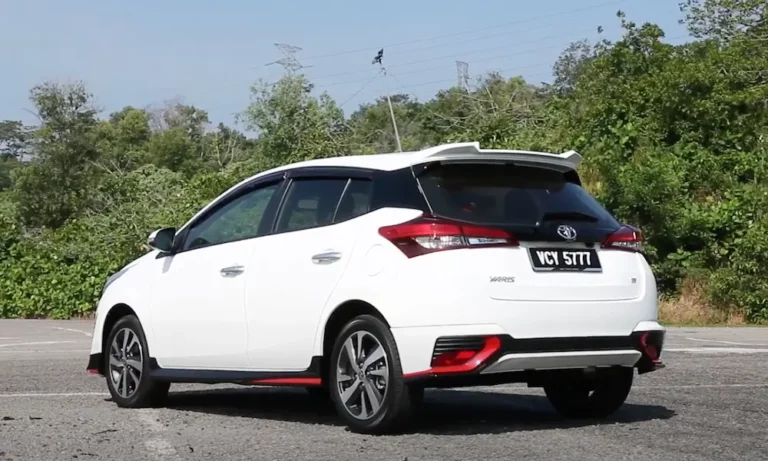
Is your Honda Jazz blowing hot air instead of the refreshing cool breeze you expect? Nothing ruins a summer drive quite like a malfunctioning AC system. Your Honda Jazz air conditioning not working can stem from several common issues that might be easier to fix than you think.
Low Refrigerant: The Most Common Culprit
When your Honda Jazz air conditioning stops working, low refrigerant levels are typically to blame. This essential cooling fluid gradually depletes over time or escapes through small leaks in the system.
How to spot refrigerant issues:
- Your AC starts cool but gradually blows warmer air
- The compressor clutch cycles on and off frequently
- Vents blow only warm air despite the system running
A real-world example highlights this perfectly: one 2005 Honda Jazz owner discovered their AC stopped working due to being “very low on gas”. After a refrigerant recharge, both the compressor and fan resumed normal operation.
Keep in mind that refrigerant doesn’t simply “wear out” – if levels are low, you likely have a leak that needs addressing before refilling.
Compressor Problems: The Heart of Your AC System
The compressor is essentially the heart of your Honda Jazz’s air conditioning system, pumping refrigerant throughout the cooling circuit.
Compressor clutch failure
When you turn on your AC, listen for a distinct “click” followed by the engagement of the compressor. No click often means the clutch mechanism has failed either electrically or mechanically.
Seized compressor
A completely seized compressor won’t turn at all. This severe failure often results from contamination within the system or lack of lubrication. When compressors lock up, they can shed metal particles throughout your AC system, potentially requiring a complete system overhaul rather than a simple component replacement.
Electrical Gremlins: When Circuits Fail
Your Honda Jazz AC relies on a complex electrical network that can develop problems over time.
Fuse and relay checks
Before assuming major component failure, always check these electrical components:
- 50A fuse (F5) for the heater/air conditioning system
- 30A fuse (F11) specifically for the air conditioning
- AC compressor clutch relay (position 2)
- AC condenser blower motor relay (position 3)
These components are located in the engine compartment fuse box on the driver’s side.
A quick test for relay function: swap the suspected bad relay with another of the same type in your fuse box (like the horn relay). If the AC suddenly works, you’ve found your culprit.
Wiring connections
Loose, corroded, or damaged wiring connections can interrupt power flow to critical AC components. Inspect visible wiring harnesses connected to the compressor and control system for signs of damage or disconnection.
Clogged Cabin Air Filter: The Silent Airflow Killer
Many Honda Jazz owners don’t realize how significantly a dirty cabin air filter can affect AC performance.
Symptoms of a clogged filter:
- Noticeably reduced airflow from vents
- Musty or moldy odors when the AC runs
- Poor cooling despite the system functioning correctly
Replacing your cabin filter is surprisingly simple:
- Remove the glove box by pinching the sides inward to release the clips
- Slide out the old filter (located behind the glove box)
- Install the new one with the airflow arrow pointing in the correct direction
This inexpensive maintenance task should be performed annually or every 12,000-15,000 miles for optimal performance.
Climate Control Mechanism Issues
Sometimes the problem isn’t with cooling capacity but with the mechanical controls that direct airflow.
The dreaded “blue wire hook” problem
A common Honda Jazz issue involves a specific blue wire hook that controls the temperature blend door. When this hook becomes disconnected, the system may blow only hot air regardless of temperature setting.
The fix is surprisingly simple:
- Remove the glove box
- Locate the disconnected blue hook behind the climate control unit
- Reposition it back into its proper channel
This quick adjustment has saved many Honda owners from expensive repair bills.
Condenser Problems: When Heat Exchange Fails
Your Honda Jazz’s AC condenser sits at the front of the vehicle and is responsible for releasing heat from the refrigerant.
Common condenser issues include:
- Physical damage from road debris or minor accidents
- Internal corrosion leading to restricted flow
- Refrigerant leaks from deteriorated seals or connections
Some Honda models have experienced widespread condenser failure issues, with Honda occasionally covering repairs under extended warranty programs for affected vehicles.
DIY Diagnostic Steps You Can Take Today
Before heading to the mechanic, try these simple diagnostic checks:
1. Visual inspection
- With the engine running and AC on max, observe whether the center of the compressor clutch engages
- Listen for unusual grinding, squealing, or clicking sounds from the compressor area
- Check for oily residue around AC components that might indicate refrigerant leaks
2. Electrical system check
- Verify your battery voltage is above 12.5V (low voltage can prevent compressor operation)
- Inspect the AC fuses F5 and F11 in the engine compartment fuse box
- Test relays by switching them with identical ones from your fuse box
3. Airflow test
- Set your AC to maximum cold and highest fan speed
- Feel each vent for consistent airflow and temperature
- If airflow is weak, check and replace your cabin air filter
Professional Diagnosis: When DIY Isn’t Enough
While some basic checks can be performed at home, modern Honda Jazz AC systems often require specialized equipment for proper diagnosis.
Professional technicians use manifold gauges to measure system pressures – crucial for accurate diagnosis. Low readings on both high and low sides typically indicate insufficient refrigerant levels, while abnormal readings can pinpoint specific component failures.
Important: AC systems contain refrigerant under pressure that requires proper certification and equipment to handle safely. Improper handling can damage both the environment and your AC system components.
Preventative Maintenance: Keep Your Cool
Regular maintenance prevents many common Honda Jazz AC problems:
- Replace your cabin air filter annually
- Have your AC system professionally serviced every 2-3 years
- Run your AC system briefly even in winter months to maintain system lubrication
- Address unusual noises or odors promptly before they become major problems
Honda Jazz AC Problem Comparison Table
| Problem | Symptoms | DIY Check | Professional Repair Cost |
|---|---|---|---|
| Low refrigerant | Gradually warming air, cycling compressor | Visual inspection for leaks | $150-300 for leak detection and recharge |
| Compressor failure | No clutch engagement, unusual noises | Check for clutch operation | $500-1,000 for replacement |
| Electrical issues | No operation, intermittent function | Check fuses and relays | $100-300 depending on component |
| Clogged cabin filter | Weak airflow, musty smell | Visual inspection | $25-50 for filter + DIY installation |
| Blend door issues | Only hot air regardless of setting | Check blue hook connection | $50-200 depending on complexity |
| Condenser damage | Poor cooling, visible damage | Front visual inspection | $400-800 for replacement |
Seasonal AC Performance Impact
| Season | Typical AC Performance | Maintenance Recommendation |
|---|---|---|
| Spring | Good time to test system | Basic system check, cabin filter change |
| Summer | Maximum demand on system | None – avoid repairs during peak season if possible |
| Fall | Reduced usage | Perfect time for system service before winter |
| Winter | Minimal usage | Run AC occasionally to maintain lubrication |
The Honda Jazz generally has a reliable air conditioning system, but like all automotive components, it requires proper maintenance. Understanding these common problems and their symptoms helps you make informed decisions about repairs and maintenance, potentially saving you time, money, and a lot of discomfort during hot weather.