Ever tried to replace your Ford’s rear brake pads only to discover the electronic parking brake won’t budge? You’re not dealing with your grandfather’s mechanical handbrake anymore. Ford’s Electronic Parking Brake (EPB) system needs special handling during maintenance. I’ll walk you through exactly how to activate service mode, perform your brake work safely, and restore normal operation without expensive dealer visits.
What is Ford EPB Service Mode?
Ford EPB service mode (sometimes called maintenance mode) temporarily disables the electronic parking brake system so you can safely perform brake maintenance. Unlike traditional cable-operated parking brakes, Ford’s system uses electronic actuators attached to the rear brake calipers that must be deactivated before you can compress the pistons and replace brake pads.
When activated properly, service mode prevents the parking brake motors from engaging during your repair work. This protects both you and the expensive EPB components from damage during maintenance.
Which Ford Models Use Electronic Parking Brakes?
Most modern Ford vehicles manufactured after 2015 come equipped with electronic parking brakes. These include:
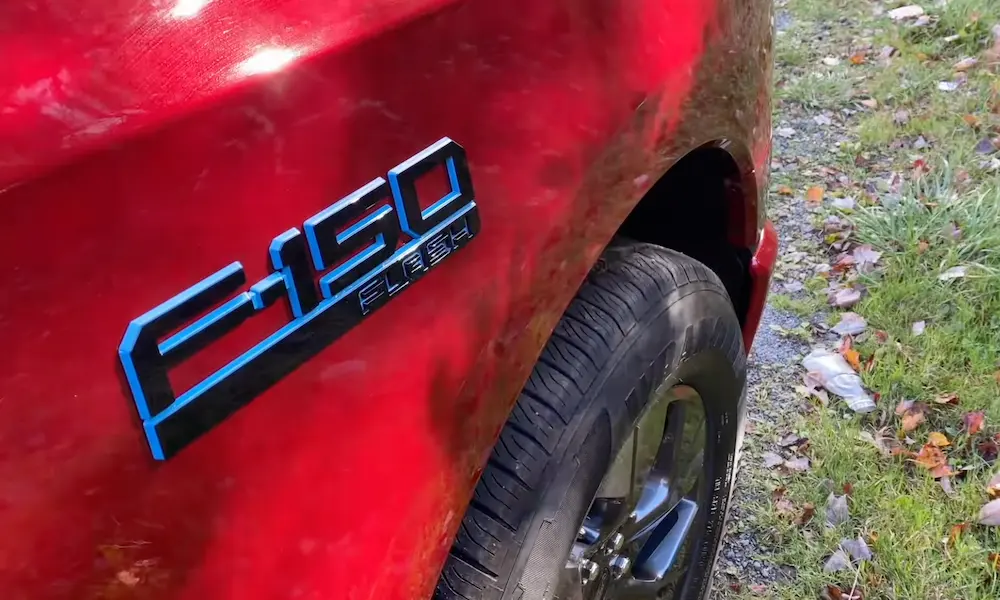
- Ford F-150 (2015+)
- Ford Edge (2015+)
- Ford Explorer (2016+)
- Ford Focus (2017+)
- Ford Escape (2017+)
- Ford Bronco (2021+)
- Ford Mustang Mach-E
- Ford Maverick
Each model uses the same basic EPB technology, though activation procedures can vary slightly between vehicles and model years. Always check your owner’s manual for model-specific instructions.
Tools Needed for EPB Service Mode
Before starting, gather these essentials:
- Basic brake service tools (wrenches, C-clamp, etc.)
- Charged vehicle battery (EPB systems are voltage-sensitive)
- Owner’s manual or repair guide
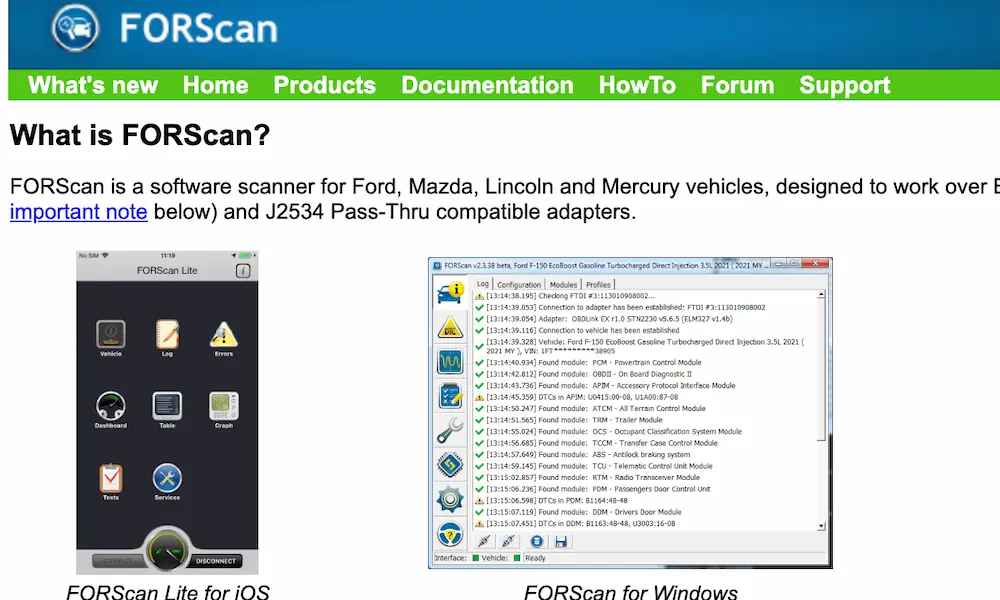
- Diagnostic scanner (optional but helpful for complex issues)
The good news is that most Ford EPB service procedures can be done without special tools, though a basic OBD2 scanner can help clear fault codes if you encounter issues.
Standard Ford EPB Service Mode Activation Procedure
Follow these steps carefully to put most Ford vehicles into brake service mode:
- Park on level ground with the transmission in Park position
- Turn ignition to ON position (don’t start the engine)
- Press and hold the accelerator pedal fully to the floor
- While holding the accelerator, press the EPB switch to RELEASE position (push it down)
- Keep holding both controls and turn the ignition OFF
- Within 5 seconds, turn the ignition back ON (still holding accelerator and EPB switch)
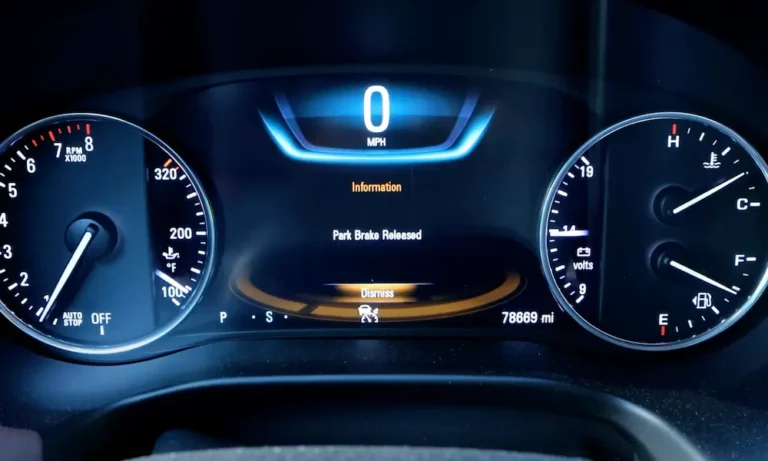
- Wait for confirmation – you should see the amber EPB light illuminate or a “Maintenance Mode Active” message display
- Release all controls and turn the ignition OFF
Your Ford is now in service mode, and you can safely work on the rear brakes.
How to Check if Service Mode is Active
Before proceeding with brake work, verify service mode is active by:
- Checking for the amber EPB warning light or dashboard message
- Attempting to manually rotate the rear wheels (they should turn freely)
- Visually inspecting the brake calipers (they should be slightly loosened)
If you don’t see these signs, repeat the activation procedure, paying close attention to timing and control positions.
Model-Specific Ford EPB Procedures
While the standard procedure works for most models, some Ford vehicles have unique requirements:
Ford F-150 (2021+)
The F-150 requires an additional brake pedal press during deactivation. According to Ford TSB MC-10186679-0001, this helps resolve inconsistent service mode activation. Follow the standard procedure but:
- Add a firm brake pedal press after step 6
- Hold the brake for one full second, then release
- Continue with the remaining steps
Ford Mustang (2020+)
The Mustang requires special attention due to its performance braking system:
- Follow the standard procedure
- If service mode doesn’t activate, try cycling the ignition twice while holding controls
- After pad replacement, perform a proper break-in procedure with 10 consecutive moderate stops
Ford Focus MK4 (2018+)
The Focus displays a clear “Maintenance Mode” message in the instrument cluster when properly activated. If you can’t get service mode to activate through the standard procedure, Ford Focus forums suggest an alternative using a 14mm hex socket to manually retract the pistons.
Performing Brake Service While in EPB Mode
Once service mode is active, follow these steps for safe brake maintenance:
- Remove the wheels and inspect the brake components
- Compress the caliper pistons using a brake caliper tool or C-clamp
- Important: Unlike traditional calipers, EPB pistons compress linearly without rotation
- Replace brake pads and hardware according to your vehicle specifications
- Reinstall the caliper and wheels, torquing all fasteners to specification
During service, remember these crucial points:
- Never force pistons if they resist compression
- EPB motors can sustain damage from excessive force (over 220N·m)
- Use a C-clamp with pressure limiter (no more than 60 lbf·ft)
How to Deactivate Service Mode After Brake Maintenance
Once brake service is complete, follow these steps to restore normal EPB operation:
- Reinstall wheels and torque lug nuts to specification
- Turn ignition ON (engine not running)
- Press and hold accelerator pedal fully to floor
- While holding accelerator, pull EPB switch to APPLY position (pull it up)
- Press and release brake pedal firmly for at least 1 second
- Turn ignition OFF
- Within 5 seconds, turn ignition ON again
- Release all controls when EPB light changes from amber to red
To verify proper exit from service mode:
- Start the engine
- Apply and release the parking brake several times
- Verify normal operation with no warning lights
According to field data from Ford technicians, proper deactivation resolves over 95% of post-service EPB warnings.
Electronic Parking Brake Components and Operation
Understanding how your Ford’s EPB system works can help troubleshoot problems:
Key Components
- Electromechanical Actuators: Motor-driven units mounted on rear brake calipers
- Control Module: Integrated with the ABS system to manage brake operations
- Driver Interface: The EPB switch in your center console
- Hall-effect Sensors: Monitor actuator position and force application
The system automatically adjusts as brake pads wear and integrates with other vehicle safety systems. This advanced integration is why proper service mode protocols are essential.
Troubleshooting EPB Service Mode Issues
If you encounter problems with service mode activation or deactivation, try these solutions:
Service Mode Won’t Activate
- Check for fault codes – Active DTCs in EPB/ABS modules can prevent service mode
- Solution: Use a scanner to clear codes before attempting service mode
- Low battery voltage – EPB systems require at least 12.4V
- Solution: Connect a battery charger during the procedure
- Timing issues – The sequence must be performed within specific timeframes
- Solution: Practice the sequence of controls before attempting
Post-Service Warning Lights
- Incomplete deactivation
- Solution: Repeat the full deactivation procedure, paying attention to timing
- Caliper position errors
- Solution: Connect a scanner and run the EPB calibration routine
- Persistent warnings
- Solution: Perform a hard reset by disconnecting the battery for 30 minutes
Using Diagnostic Tools with EPB Systems
While basic service mode activation can be done without special tools, diagnostic scanners provide additional capabilities:
Basic OBD2 Scanner Functions
- Read and clear EPB-related fault codes
- Display live data from EPB sensors
- Perform basic actuator tests
Advanced J2534 Scanner Capabilities
- Force EPB service mode when manual activation fails
- Run calibration routines after pad replacement
- Update EPB module firmware
- Perform bi-directional control for troubleshooting
According to Ford service data, shops using professional scanners achieve a 98% success rate with EPB service procedures compared to 78% with manual methods.
Cost Comparison: DIY vs. Professional Service
Here’s what you can expect to pay for brake service with EPB systems:
| Service Type | Average Cost | Notes |
|---|---|---|
| DIY Rear Brakes | $80-150 | Parts only, requires EPB knowledge |
| Professional Rear Brakes | $300-500 | Parts and labor, includes EPB service |
| Dealer EPB Service | $150-200 | Service mode activation only |
| EPB Module Replacement | $500-900 | If damaged during improper service |
By mastering Ford EPB service mode procedures, you can save significantly on maintenance costs while ensuring your braking system remains in peak condition.
Safety Considerations for EPB Service
Working with electronic parking brakes requires special safety precautions:
Critical Safety Protocols
- Never start service without confirming EPB mode is active
- Use wheel chocks to prevent vehicle movement during service
- Follow a dual-verification system – have someone monitor dashboard status while you work
- Disconnect the battery if you suspect EPB activation during service
- Test brake operation thoroughly before returning the vehicle to service
Remember that EPB components operate under high torque and can cause injury if activated unexpectedly.
Advanced EPB Service Techniques
For challenging scenarios or professional technicians:
Hard Reset Procedure
If standard methods fail, try this sequence:
- Disconnect vehicle battery
- Wait 30 minutes for system capacitors to discharge
- Reconnect battery
- Attempt standard service mode procedure
Scanner-Assisted Caliper Retraction
For stubborn calipers or advanced diagnostics:
- Connect J2534-compatible scanner
- Navigate to EPB actuator test mode
- Use bidirectional controls to command retraction
- Monitor position sensor data to confirm movement
Professionals who maintain Ford fleets report this technique has a 98% success rate even with problematic units.
Latest Ford EPB Innovations and Updates
Ford continues to evolve their EPB technology with each model year:
- 2023-2024 Models: Enhanced integration with driver assistance systems
- Electric Vehicles: Specialized regenerative braking coordination
- Over-the-Air Updates: EPB software that can update without dealer visits
- Self-Diagnosing Systems: Advanced fault detection with FordPass app integration
These advancements make proper service procedures increasingly important as systems become more sophisticated.
Common Questions About Ford EPB Service Mode
Can I damage my brakes by not using service mode?
Yes. Attempting to compress EPB calipers without proper deactivation can damage motors and control modules, leading to expensive repairs.
How long does service mode remain active?
Service mode remains active until you either complete the deactivation procedure or reconnect the battery, which forces a system reset.
Does service mode work with a dead battery?
No. The EPB system requires adequate voltage. Using a battery charger during the procedure is recommended.
Will service mode affect other vehicle systems?
Generally no, but some advanced driver assistance features that integrate with the braking system may be temporarily disabled while in service mode.
Can I drive with the car in service mode?
Never drive with the vehicle in service mode. The parking brake function is disabled, creating a safety hazard.
By following this comprehensive guide, you can confidently service your Ford vehicle’s brakes without costly dealer visits. Remember that precise attention to the activation and deactivation procedures is essential to protect both your safety and your vehicle’s electronic systems.