Tired of that annoying vibration in your Chevy? Dealing with excessive oil consumption in your GM truck? The culprit might be the Active Fuel Management (AFM) or Displacement on Demand (DOD) system in your 5.3L engine. This guide walks you through everything you need to know about cylinder deactivation delete options, from simple plug-in devices to complete mechanical overhauls.
What Is 5.3 Cylinder Deactivation and Why Delete It?
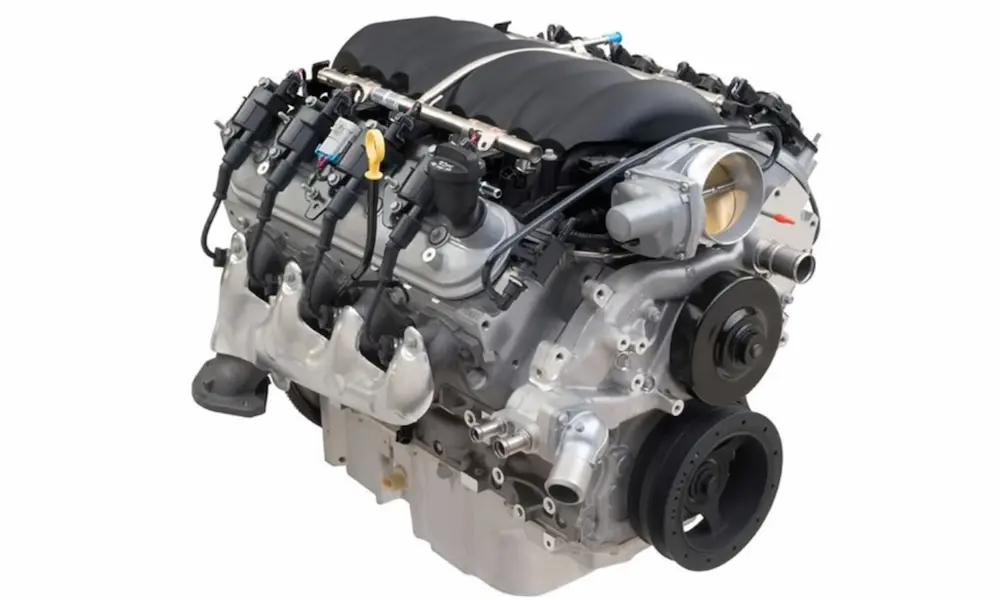
GM’s 5.3L V8 engines use cylinder deactivation technology (called AFM or DOD) that shuts down four cylinders during light driving conditions. While this sounds great for fuel economy, it creates several headaches for owners.
Common Problems with AFM/DOD Systems
The cylinder deactivation system in your 5.3L engine isn’t just annoying – it can be destructive. Here’s why many owners choose to delete it:
- Lifter failures often occur between 60,000-100,000 miles, leading to expensive repairs
- Excessive oil consumption happens when oil pressure relief valves spray oil onto cylinder walls
- Annoying vibrations and exhaust drone when running in 4-cylinder mode
- Reduced engine performance due to the specialized AFM camshaft design
- Higher repair costs ($2,000-$4,000) when the system eventually fails
As one expert explains, these problems aren’t isolated incidents – they’re design flaws affecting thousands of GM truck and SUV owners.
The Two Main Approaches to 5.3 Cylinder Deactivation Delete
When it comes to eliminating AFM/DOD from your 5.3L engine, you have two primary options:
Option 1: Software Disabler (The Quick Fix)
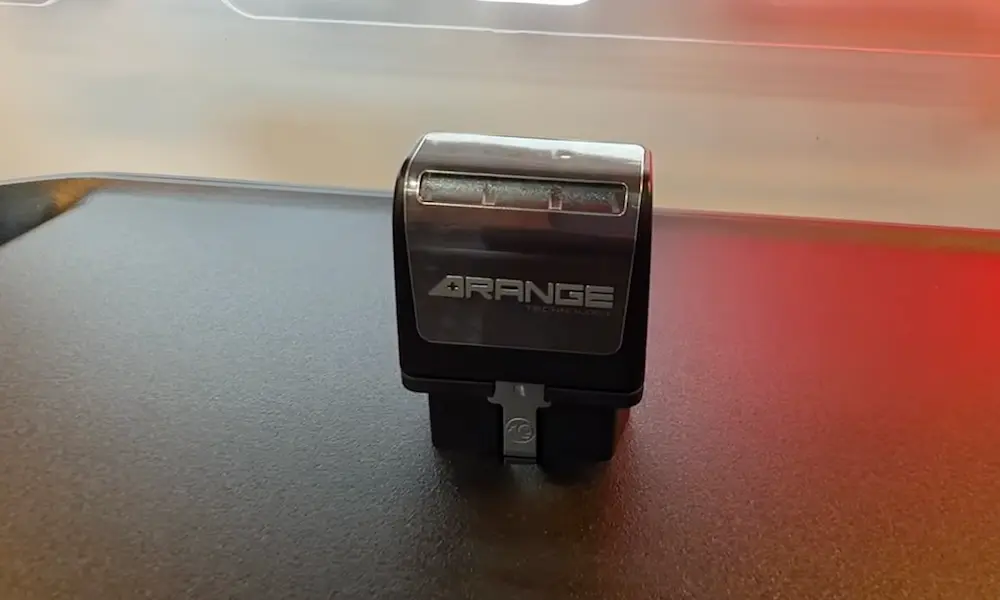
The simplest solution is using an AFM/DOD disabler device that plugs into your OBD-II port. Products like the Range Technology AFM/DFM Disabler prevent your engine’s computer from activating the cylinder deactivation system.
Pros:
- Inexpensive ($149-$199)
- Install takes seconds (just plug it in)
- No mechanical modifications required
- Can be removed if needed (keeps warranty intact)
Cons:
- Doesn’t fix underlying hardware that could still fail
- Check engine light may appear on some vehicles
- Doesn’t improve performance
- Incompatible with custom performance tuning
No products found.

- Vehicle Compatibility: Carbyte works with a wide variety of GM vehicles, including the 2022-2024 SUVs and 2022-2025 trucks, as well as 10-speed transmission vehicles — see supported vehicles list below.
- AFM/DFM Disabler: In Full-Time V8 Mode, Carbyte disables the AFM/DFM system and keeps the engine firing on all cylinders, all the time.
- Start/Stop Disabler: Eliminate the annoying Start/Stop feature, keeping your engine running 100% of the time.
- Plug-and-Play: Stand-alone functionality allows Carbyte to work by simply plugging in the device. No app is needed for AFM/DFM and Start/Stop functionality!
- Easy Installation: Plug Carbyte directly into your OBDII port! No risk of damaging critical components from installing device into your engine compartment.
Option 2: Complete Hardware Delete (The Permanent Solution)
For those wanting to eliminate AFM/DOD completely, a full hardware delete replaces all cylinder deactivation components with standard parts. This approach is more complex but solves the problem at its source.
What gets replaced:
- AFM-specific lifters with standard LS7-style lifters
- Factory camshaft with a non-AFM camshaft
- Valve Lifter Oil Manifold (VLOM) with a block-off plate
- Oil system components that feed the AFM system
- Engine computer programming to disable AFM logic
This comprehensive approach eliminates all failure points while potentially improving performance.
Required Components for a Complete 5.3 Cylinder Deactivation Delete
If you’re taking the hardware route, you’ll need specific components to successfully delete the AFM/DOD system:
1. Camshaft Replacement
The stock AFM camshaft has special lobes that reduce compression in deactivation cylinders. You’ll need a standard profile camshaft like:
- GM #12672469 (stock replacement)
- COMP Cams 5552-KIT (mild performance)
- Texas Speed “Chopacabra” (high performance)
2. Lifters and Lifter Trays
AFM lifters contain internal components that allow them to collapse when deactivated. Replace them with:
- Standard LS7-style lifters (Delphi #25341990)
- Non-AFM lifter trays to properly hold the new lifters
3. Valley Cover and Oil System Components
The Valve Lifter Oil Manifold (VLOM) controls oil flow to the AFM lifters and must be removed. You’ll need:
- Valley cover block-off plate (like ICT Billet #551605)
- Oil pressure relief valve plug kit
- Possibly a standard-volume oil pump
4. ECU Tuning Tools
To tell your engine computer to stop trying to use AFM/DOD:
- Handheld programmer (DiabloSport Predator 2)
- Professional tuning software (HP Tuners)
- Pre-written AFM delete tune
Delete Kit Options and Price Comparison
Rather than sourcing individual parts, many owners opt for complete AFM/DOD delete kits. Here’s how they compare:
| Kit Type | Price Range | What’s Included | Best For |
|---|---|---|---|
| Basic Delete Kits | $500-$800 | LS7 lifters, trays, gaskets | Budget-conscious owners |
| Standard Delete Kits | $900-$1,500 | Camshaft, lifters, valley cover, gaskets | Most owners |
| Performance Delete Kits | $1,200-$2,000+ | High-performance cam, stronger valve springs, pushrods | Performance enthusiasts |
Popular options include the Texas Speed Basic Kit for budget builds, COMP Cams 5552-KIT for standard applications, and Michigan Motorsports Kit for quality components.
DIY Installation Process for 5.3 Cylinder Deactivation Delete
If you’re mechanically inclined, here’s what the installation process involves:
Step 1: Engine Disassembly
You’ll need to remove several components to access the camshaft and lifters:
- Intake manifold
- Valve covers
- Front engine accessories
- Timing chain cover
- Timing chain components
Step 2: Removing AFM Components
Once the engine is opened up:
- Extract the factory AFM lifters and trays
- Remove the factory camshaft
- Disconnect and remove the VLOM
- Clean all gasket surfaces thoroughly
Step 3: Installing New Components
With the AFM parts removed:
- Install the new non-AFM camshaft with assembly lube
- Place new standard lifters in the replacement trays
- Install the lifter trays and ensure proper alignment
- Add the valley cover block-off plate with new gaskets
- Reinstall timing components with timing marks aligned
Step 4: Engine Reassembly and Tuning
To complete the job:
- Reinstall all removed components (timing cover, valve covers, intake)
- Use new gaskets throughout
- Connect a tuning device to reprogram the PCM
- Run the engine and check for oil leaks
- Perform oil and filter change after 500 miles
According to detailed installation videos, this process typically takes 12-15 hours for an experienced mechanic and requires specialized tools.
The Real Costs of 5.3 Cylinder Deactivation Delete
When budgeting for your AFM/DOD delete, consider these real-world costs:
Software Disabler Route
- Disabler device: $149-$199
- Installation: DIY (free)
- Total cost: Under $200
Basic Hardware Delete
- Parts kit: $500-$800
- Professional labor: $1,000-$1,500
- Tuning: $300-$500
- Total cost: $1,800-$2,800
Performance Hardware Delete
- Performance kit: $1,200-$2,000
- Professional labor: $1,200-$1,800
- Custom tuning: $500-$800
- Total cost: $2,900-$4,600
Many owners consider these costs preventative maintenance when compared to the $2,000-$4,000 repair bills from AFM lifter failures, plus the added benefit of improved reliability, smoother operation, and often better performance.
Performance Benefits After 5.3 Cylinder Deactivation Delete
Removing the AFM/DOD system doesn’t just fix problems – it can enhance your truck’s performance:
Power Improvements
- Horsepower gains: 10-25hp depending on the camshaft chosen
- Torque increases: 15-30 ft-lbs throughout the RPM range
- Better throttle response: No more hesitation when accelerating
Driving Experience
- Elimination of annoying vibrations at cruising speeds
- Smoother acceleration from all engine speeds
- Reduced exhaust drone with aftermarket exhaust systems
- More consistent power delivery in all conditions
As Reddit users report, the difference in how the truck feels is immediately noticeable, with many describing it as “how it should have been from the factory.”
Fuel Economy Impact of AFM/DOD Deletion
One common question is how removing cylinder deactivation affects fuel economy. Here’s what real-world data shows:
Typical Fuel Economy Changes
- Highway driving: 0.5-1.5 MPG decrease
- City driving: 1-2 MPG decrease
- Towing: Minimal change or slight improvement
Many owners report the small fuel economy penalty is worth the reliability gains and elimination of oil consumption issues. Some even find that with a mild performance camshaft, the economy penalty is negligible due to improved volumetric efficiency.
Legal and Warranty Considerations
Before performing a 5.3 cylinder deactivation delete, understand the potential implications:
Emissions Compliance
- Software disablers like the Range Technology device are pending CARB exemption
- Hardware deletes may not comply with emissions regulations in certain states
- Vehicles may not pass emissions testing in areas with strict requirements
Warranty Impact
- Software disablers can be removed before dealer service to maintain warranty coverage
- Hardware deletes will likely void your powertrain warranty
- Some dealerships are delete-friendly while others strictly enforce warranty policies
It’s worth noting that the National Highway Traffic Safety Administration regulations prohibit modifications that affect emissions systems, so this modification is technically for off-road or racing use only in many jurisdictions.
Maintaining Your 5.3L Engine After AFM/DOD Deletion
After completing the cylinder deactivation delete, follow these maintenance procedures:
Immediate Post-Delete Care
- Change oil and filter after 500 miles
- Check for leaks and unusual noises
- Verify no check engine lights are present
- Perform any necessary tune adjustments
Long-Term Maintenance
- Use high-quality synthetic oil
- Maintain regular oil change intervals (5,000-7,500 miles)
- Check valve lash if using a performance camshaft
- Perform periodic PCM updates if available
Many owners report their engines running smoother and using less oil after the AFM/DOD delete, leading to lower long-term maintenance costs.
Final Thoughts on 5.3 Cylinder Deactivation Delete
The decision to delete AFM/DOD from your 5.3L engine comes down to reliability, performance, and peace of mind. For many owners, especially those planning to keep their vehicles long-term, the delete process is considered essential preventative maintenance.
Whether you choose a simple plug-in solution or complete hardware replacement, eliminating cylinder deactivation can transform your driving experience and potentially save thousands in future repair costs. Just be sure to research thoroughly, use quality components, and follow proper installation procedures for the best results.