Are you hearing strange ticking noises from your Honda Odyssey? Or maybe you’re just keeping up with regular maintenance? Your timing belt is a critical component that needs attention at specific intervals. Get it wrong, and you could face an expensive engine rebuild. But don’t worry – this guide will walk you through everything you need to know about Honda Odyssey timing belt replacement, from costs to warning signs and DIY considerations.
What Is a Timing Belt and Why Is It Important?
Your Honda Odyssey’s timing belt is a toothed rubber belt that synchronizes the rotation of the crankshaft and camshaft. This precise timing ensures your engine’s valves open and close at the exact moment they should relative to the pistons.
Unlike some components that gradually decline in performance, a timing belt typically fails suddenly and completely. In the Odyssey’s interference engine design, this means disaster – valves collide with pistons, resulting in bent valves, damaged pistons, and potentially a complete engine rebuild.
When to Replace Your Honda Odyssey Timing Belt
Replacing your timing belt at the right interval is crucial for preventing catastrophic engine damage. Honda has specific recommendations based on your driving conditions:
Normal Driving Conditions
If you drive under normal conditions, Honda recommends replacing your Odyssey’s timing belt every 105,000 miles or 7 years, whichever comes first.
Severe Driving Conditions
For those driving in severe conditions, you should replace your timing belt more frequently – every 60,000 miles or 4 years. Severe conditions include:
- Hot climates (regularly over 90°F)
- Extremely cold environments
- Frequent short trips (under 5 miles)
- Extensive idling or stop-and-go traffic
- Regular heavy loads or roof rack use
- Driving on dusty, muddy, or salted roads
Here’s a quick reference table for replacement intervals:
| Driving Condition | Replacement Interval |
|---|---|
| Normal | 105,000 miles or 7 years |
| Severe | 60,000 miles or 4 years |
Cost of Honda Odyssey Timing Belt Replacement
The cost to replace your Odyssey’s timing belt varies based on several factors, including your vehicle’s model year, your location, and whether you choose a dealership, independent shop, or mobile mechanic.
| Model Year(s) | Parts Cost | Labor Cost | Total Estimate | Notes |
|---|---|---|---|---|
| 2016–2023 | $293 | $462 | ~$755 | Mobile mechanic price from YourMechanic |
| 2000–2023 (avg) | $528–$789 | $415–$609 | $943–$1,398 | Average range according to RepairPal |
| 2016 model | — | — | ~$2,050 | Dealership quote reported by Odyssey owners |
While these costs might seem high, they typically include replacing the water pump, tensioners, idler pulley, and related seals. This comprehensive service makes sense because these components share labor and vehicle disassembly steps with the timing belt replacement.
Warning Signs of a Worn Timing Belt
Unlike many vehicle issues that show gradual symptoms, timing belt problems can appear suddenly. However, there are some warning signs to watch for:
Audible Warning Signs
- Ticking or slapping noises from the front of the engine, especially during startup
- Unusual rattling sounds when idling
Performance Issues
- Engine misfiring or rough idling
- Difficulty starting the engine
- Loss of power during acceleration
- Engine stalling unexpectedly
Visual Indicators
- Oil leaks near the front timing cover (might indicate a failing seal related to the timing components)
- Visible cracks, fraying, or glazing on the belt (if you can see it)
While these symptoms don’t always mean your timing belt is failing, they warrant immediate inspection, especially if your Odyssey is approaching or has exceeded the recommended replacement interval.
What’s Included in a Timing Belt Replacement Service
A proper timing belt service includes more than just the belt itself. Here’s what should typically be replaced:
Standard Components
- Timing belt
- Tensioner and tensioner bearings
- Idler pulleys
- Water pump
- Cam and crankshaft seals
- Coolant (drained during water pump replacement)
Why Replace the Water Pump?
The water pump is located behind the timing belt and requires the same amount of labor to access. Since water pumps typically fail within a similar timeframe as timing belts, replacing them together saves on future labor costs. Most mechanics strongly recommend replacing both components at the same time.
DIY vs. Professional Replacement
Professional Advantages
- Specialized tools: Professionals have dedicated alignment and tensioning tools
- Experience: Technicians familiar with Odyssey engines can avoid common pitfalls
- Warranty: Most shops offer warranties on parts and labor
- Time: A professional can complete the job in 4-6 hours versus potentially days for a DIY first-timer
DIY Considerations
If you’re mechanically inclined and want to tackle this project yourself, be aware that timing belt replacement is considered an advanced repair. You’ll need:
- A comprehensive service manual with specific torque specifications
- Specialized Honda timing tools for proper alignment
- A full set of mechanics tools including socket sets and torque wrenches
- A safe way to support the engine while removing mounts
- At least a full day (likely two) for your first attempt
- A backup transportation plan if the job takes longer than expected
Step-by-Step Timing Belt Replacement Process
While a detailed step-by-step guide would require hundreds of specific steps, here’s a high-level overview of what’s involved:
1. Preparation
- Disconnect the battery
- Remove front engine splash shields
- Remove the right front wheel for access
- Remove accessory belts (serpentine belt)
- Properly support the engine
- Remove necessary engine mounts
2. Engine Alignment
- Rotate the crankshaft to Top Dead Center (TDC) on cylinder 1
- Verify and align all timing marks
- Use proper alignment tools to lock crankshaft and camshafts in position
3. Component Removal
- Remove timing belt covers
- Remove timing belt tensioner and idler pulleys
- Carefully remove the old timing belt
- Remove and replace water pump and associated gaskets
4. Install New Components
- Install new water pump with proper gaskets and seals
- Install new idler pulleys and tensioner
- Route new timing belt, ensuring perfect alignment of all timing marks
- Set proper belt tension according to specifications
5. Verification and Reassembly
- Check all timing marks again before final tightening
- Rotate engine by hand for two complete revolutions to verify timing is correct
- Install all covers, splash shields, and engine mounts
- Reconnect battery and perform test start
For detailed instructions specific to your Odyssey’s model year, refer to factory service manuals or reputable DIY guides.
Common Mistakes to Avoid
Skipping Related Components
One of the biggest mistakes is replacing only the timing belt. Always replace the water pump, tensioner, and idler pulleys at the same time.
Improper Tension
Too tight, and you risk premature component failure. Too loose, and the belt could skip teeth or fail completely. Follow Honda’s specific tensioning procedure.
Missing Timing Marks
Even being off by one tooth can cause performance issues or engine damage. Triple-check all timing marks before and after installation.
Using Low-Quality Parts
This isn’t the place to save money. Use OEM or high-quality aftermarket components designed specifically for Honda engines.
Forgetting to Replace Coolant
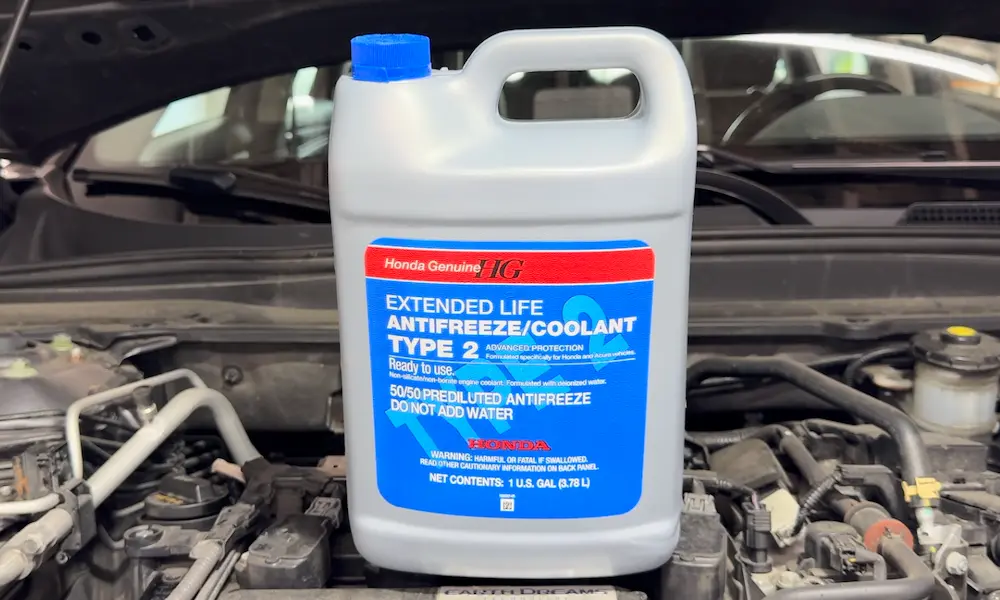
After replacing the water pump, you’ll need to refill the cooling system with the proper Honda-approved coolant mixture.
The Consequences of Neglect
Delaying your timing belt replacement is a gamble that rarely pays off. If the belt fails while driving:
- Your engine will immediately stop running
- In the Odyssey’s interference engine, valves will collide with pistons
- You’ll likely need extensive repairs including:
- Valve replacement
- Possible piston and cylinder head repair
- Potential full engine replacement
These repairs typically cost $2,500-$4,000+ compared to the $800-$1,400 for preventive replacement. That’s a significant difference for a maintenance item that could be planned and budgeted for.
Maintaining Your New Timing Belt
After replacement, follow these tips to maximize the lifespan of your new timing belt:
- Keep engine oil clean and changed regularly (oil leaks can damage the rubber belt)
- Maintain proper coolant levels and mixture (overheating shortens belt life)
- Watch for leaks around the timing cover that could contaminate the belt
- Be aware of unusual noises from the timing belt area
- Follow Honda’s recommended replacement intervals based on your driving conditions
Getting the Best Service Deal
If you’re opting for professional installation, consider these tips to get the best value:
- Get multiple quotes – prices can vary significantly between shops
- Ask what’s included – make sure the water pump, tensioners, and seals are part of the quote
- Request OEM or equivalent quality parts
- Ask about warranties on parts and labor
- Consider independent Honda specialists who may offer lower rates than dealerships with comparable expertise
- Check if your warranty or extended service plan covers any portion of this maintenance
The Takeaway: Don’t Delay Your Honda Odyssey Timing Belt Replacement
Your Honda Odyssey’s timing belt is a critical maintenance item that deserves serious attention. Follow Honda’s replacement intervals based on your driving conditions – 105,000 miles/7 years for normal conditions, or 60,000 miles/4 years for severe conditions.
Considering the catastrophic consequences of timing belt failure compared to the relatively manageable cost of preventive replacement, staying on top of this maintenance item is one of the smartest things you can do for your Odyssey’s longevity and your wallet.
Whether you choose DIY or professional service, make this maintenance a priority when your Odyssey approaches the recommended interval. Your engine will thank you with many more miles of reliable service.