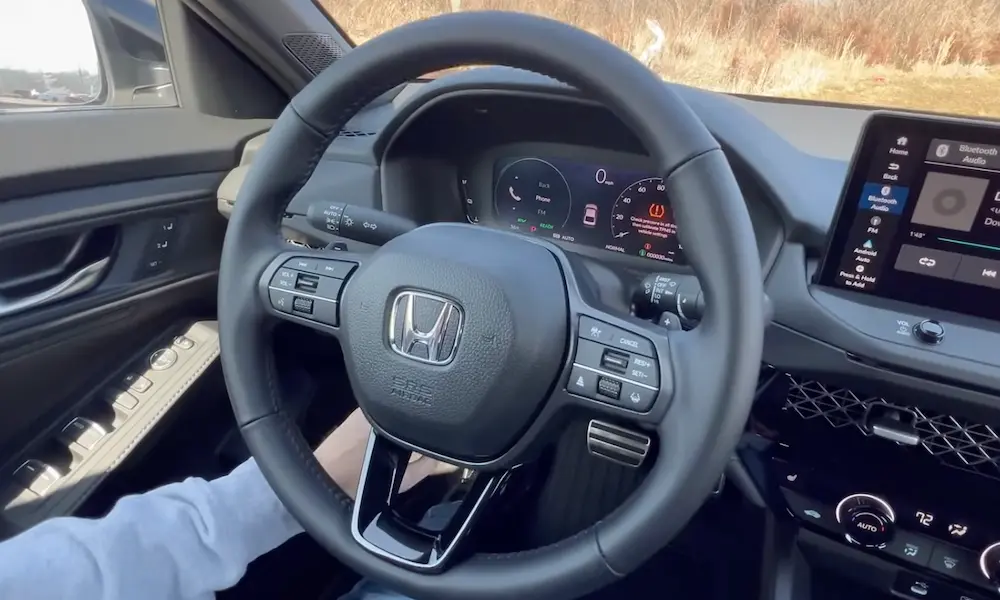
That annoying “check fuel cap” message on your Honda Accord dashboard isn’t just a suggestion—it’s your car’s way of telling you something’s wrong with the emissions system. Don’t worry, though. Most of these warnings are quick fixes that won’t break the bank.
What Triggers the Honda Accord Check Fuel Cap Warning
Your Honda Accord’s computer constantly monitors the fuel system for leaks. When it detects a pressure drop, that “check fuel cap” warning pops up faster than you can say “gas station.”
The culprit? Your car’s Evaporative Emission Control (EVAP) system. This system creates a sealed environment in your fuel tank to prevent harmful vapors from escaping into the atmosphere. When pressure sensors detect something’s off, they trigger the warning as the first line of defense.
Modern Honda Accords use sophisticated pressure monitoring that can detect even tiny leaks. The system expects specific pressure readings, and any deviation—whether from a loose cap or damaged seal—sets off the alert.
The Real Reason Behind Your Warning Light
Loose Fuel Cap (45% of Cases)
Here’s the kicker: nearly half of all “check fuel cap” warnings happen because someone didn’t tighten the cap properly. Your Honda’s fuel cap needs 3-4 audible clicks to seal correctly.
Many drivers stop after one or two clicks, thinking they’re done. Others tighten it but vibration loosens it over time. The fix? Remove the cap completely, check for debris around the seal, and retighten until you hear those distinct clicks.
Don’t expect the warning to disappear immediately. Your Honda needs 10-50 miles of driving to verify the system is properly sealed again.
Worn Fuel Cap Seal (25% of Cases)
That rubber O-ring in your fuel cap takes a beating. Fuel vapors, temperature swings, and UV rays gradually crack and harden the seal. Even hairline cracks invisible to the naked eye can trigger the warning.
Look for obvious damage like cracking, hardening, or visible wear. Clean both the cap seal and filler neck with a damp cloth. If the rubber feels stiff or shows damage, it’s replacement time.
Complete Cap Failure (15% of Cases)
Fuel caps don’t last forever. After 50,000-100,000 miles or 5-10 years, they can fail completely. The internal sealing mechanism breaks down, or the threading wears out.
When this happens, no amount of tightening will fix it. You’ll need a new cap—preferably an OEM Honda part designed specifically for your Accord’s pressure requirements.
Advanced EVAP System Problems
Purge Valve Issues (8% of Cases)
The purge valve controls when fuel vapors flow from the storage canister to your engine. When it sticks open or closed, pressure imbalances create false fuel cap warnings.
You might notice rough idle, especially when cold, or difficulty starting after refueling. The purge valve should show 15-30 ohms resistance when tested with a multimeter and be completely airtight when unpowered.
Vent Valve and Canister Problems (3-5% of Cases)
These less common issues involve the vent valve or charcoal canister. The vent valve regulates pressure release, while the canister stores fuel vapors using activated charcoal.
Symptoms include strong fuel odors, failed emissions tests, and check engine lights with codes P0446-P0449. These repairs typically require professional diagnosis and can cost $150-650+ depending on the specific component.
Diagnostic Trouble Codes You Might See
Your Honda Accord might display these OBD-II codes alongside the fuel cap warning:
| Code | Description | Severity |
|---|---|---|
| P0440 | EVAP system malfunction (large leak) | Moderate |
| P0442/P0456 | Small leak detected | Low |
| P0443 | Purge valve circuit malfunction | Moderate |
| P0446-P0449 | Vent valve circuit issues | Moderate |
| P0455 | Gross leak detected | High |
| P0460-P0464 | Pressure sensor problems | Moderate |
These codes help pinpoint specific failures beyond simple cap issues.
How to Fix Your Honda Accord Check Fuel Cap Warning
Start With the Basics
- Turn off your engine and let it cool
- Remove the fuel cap completely
- Inspect for visible damage or debris
- Clean the cap seal and filler neck with a damp cloth
- Retighten until you hear 3-4 distinct clicks
- Drive 10-50 miles to allow the system to reset
If the Warning Persists
Replace your fuel cap with an OEM Honda part. Aftermarket caps might save money upfront ($7-25 vs. $40-70) but often don’t meet Honda’s precise pressure specifications.
Use an OBD-II scanner to clear any stored error codes after replacement. Monitor for additional symptoms like rough idle or fuel odors that might indicate deeper EVAP system problems.
Manual Reset Option
Some Honda Accord models let you manually reset the fuel cap warning by pressing and holding the trip/reset button until the message clears. This works on certain model years but doesn’t fix the underlying issue.
Cost Breakdown and Repair Economics
The good news? Most Honda Accord fuel cap warnings won’t drain your wallet:
- 85% of cases cost under $70 to fix
- 70% of cases need only cap tightening or replacement
- Professional diagnosis runs $100-150
- Major EVAP repairs exceed $650 but affect less than 1% of cases
OEM vs. Aftermarket Parts
Genuine Honda fuel caps cost more but they’re engineered for your specific model’s requirements. Using incorrect caps can lead to persistent warnings and failed emissions tests. The extra $20-40 for OEM parts often saves money in the long run.
Model Year Differences
2008-2017 Honda Accord
This generation commonly uses part number 17670-T3W-A01 for the fuel cap. These models feature enhanced EVAP systems with more sensitive monitoring that can detect smaller leaks.
2003-2007 Honda Accord
Earlier models use different part numbers and may have varying EVAP system designs. Purge valve locations and replacement procedures can differ significantly from newer models.
Honda Accord Hybrid
Hybrid models may have unique fuel cap requirements and higher replacement costs due to specialized EVAP system integration with the hybrid powertrain.
Prevention Tips That Actually Work
Regular Maintenance Schedule
Inspect your fuel cap condition every 10,000 miles or annually. Check for proper sealing during routine maintenance and replace caps preventively every 50,000-100,000 miles.
Clean the cap and filler neck regularly to prevent debris buildup that can interfere with proper sealing.
Smart Refueling Habits
Always tighten your cap until you hear clicking when refueling. Avoid overfilling your tank, which can damage EVAP components and trigger false warnings.
Keep the cap tether clear when tightening to ensure proper sealing. Address warnings promptly to prevent more expensive repairs down the road.
Red Flags That Need Professional Attention
Some situations require immediate professional help:
- Check engine light accompanies the fuel cap warning
- Strong fuel odors around your vehicle
- Multiple failed attempts at DIY repairs
- Failed emissions testing due to EVAP codes
- Performance issues like rough idle or hard starting
Professional technicians use smoke testing and pressure testing to identify EVAP system leaks that aren’t obvious through visual inspection.
Safety Considerations
While driving with a “check fuel cap” warning is generally safe, it can lead to failed emissions tests and increased environmental impact.
The primary risks include fuel vapor emissions contributing to air pollution, potential fire hazards if vapors accumulate, reduced fuel economy in some cases, and catalyst damage from unburned fuel vapors over time.
Advanced Troubleshooting for Persistent Issues
Smoke Testing
Professional shops use smoke machines to pressurize the EVAP system with visible smoke. Any leaks become immediately apparent as smoke escapes from damaged components.
Pressure Testing
Technicians can apply specific pressure to the fuel system and monitor how quickly it drops. This pinpoints the size and location of leaks more precisely than visual inspection alone.
Component Testing
Individual EVAP components can be tested for proper operation. Purge valves, vent valves, and pressure sensors all have specific resistance and operation parameters that confirm proper function.
Why OEM Parts Matter for EVAP Systems
Your Honda Accord’s EVAP system operates within tight tolerances. The fuel cap must maintain specific pressure ranges to prevent false warnings and ensure proper emissions control.
Generic caps might fit physically but fail to meet Honda’s engineering specifications. This leads to persistent warnings, failed emissions tests, and potential damage to other EVAP components.
Genuine Honda parts undergo extensive testing to ensure compatibility with your specific model year and engine configuration.
Common Mistakes That Make Things Worse
Over-Tightening the Cap
Some people think tighter is better, but over-tightening can damage the cap threads or compress the seal improperly. Stop at 3-4 clicks—more isn’t better.
Ignoring the Warning
Persistent fuel cap warnings often indicate developing EVAP problems. Ignoring them can lead to more expensive repairs and failed emissions tests.
Using Wrong Replacement Parts
Not all Honda Accord model years use the same fuel cap. Using the wrong part number can create new problems even if the cap appears to fit properly.
The Honda Accord check fuel cap warning might seem like a minor annoyance, but it’s your car’s early warning system for emissions problems. Most cases involve simple cap issues that cost under $70 to fix.
Start with the basics—check, clean, and properly tighten your fuel cap. If the warning persists after 50 miles of driving, replace the cap with an OEM Honda part. For warnings that continue after cap replacement, professional diagnosis can identify deeper EVAP system issues before they become expensive problems.
Remember, addressing these warnings promptly protects both your wallet and the environment while keeping your Honda Accord running smoothly for years to come.