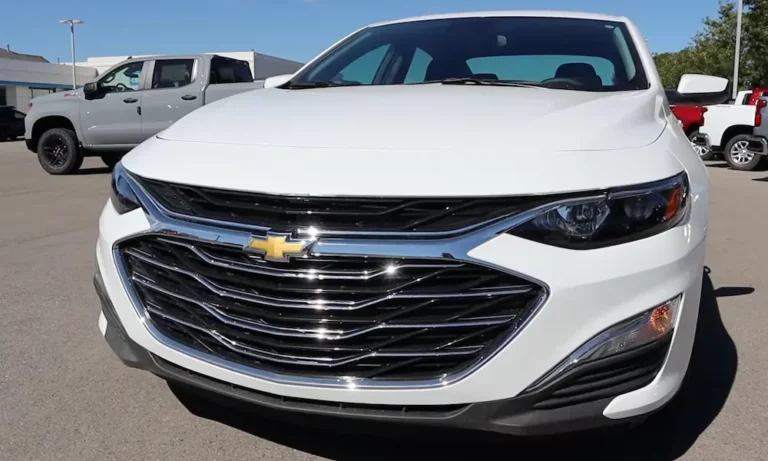
Shopping for a used Chevy Malibu? You’re probably wondering if it’ll last. The typical Malibu runs 100,000 to 150,000 miles before major problems hit—that’s 8 to 10 years for most drivers. Some reach 200,000 miles with serious TLC, but those are the exceptions. Let’s dig into what actually determines whether you’ll get your money’s worth.
What’s the Average Lifespan of a Chevy Malibu?
Here’s the straight answer: most Chevy Malibus last between 100,000 and 150,000 miles before you’ll face serious repair bills. According to data from iSeeCars (who analyzed over 300 million vehicles), the average Malibu makes it to 131,718 miles or about 8.8 years.
Junk Car Medics found that most Malibus get retired at 148,351 miles after roughly 15.5 years on the road. But here’s the catch—that doesn’t mean they’re running great at that mileage. Many owners sell or trade them in once the repair costs start piling up.
Can a Malibu reach 200,000 miles? Sure, but only 8.7 percent actually make it that far. That’s significantly lower than what you’ll see with competing sedans.
Real owners on Reddit share mixed experiences. One person drove their 2010 Malibu past 250,000 miles with just a timing chain replacement at 225,000 miles. Another maintained their 2015 model to 192,000 miles with religious oil changes every 3,000 to 3,500 miles. But these stories represent the best-case scenarios, not typical outcomes.
How Does the Malibu Compare to Honda and Toyota?
The Malibu doesn’t stack up well against its main rivals. Let’s be honest about the gap.
The Honda Accord lasts an average of 13.6 years with a 30.3 percent chance of hitting 200,000 miles. That’s more than three times the Malibu’s probability. The Toyota Camry? It averages 21.1 years and typically reaches 179,174 miles before retirement. That means the Camry outlasts the Malibu by over a decade.
Reliability ratings tell the same story. The Accord scores 8.0 out of 10 from iSeeCars, while the Malibu gets 7.4. J.D. Power gave the 2024 Malibu an 85 out of 100—respectable, but that’s predicted reliability, not proven long-term durability.
Resale value reveals what buyers really think. The Malibu loses 49.6 percent of its value after five years. The Accord? Only 34.9 percent. People pay more for used Accords and Camrys because they trust them to last longer.
Here’s what’s really telling: the Malibu falls below the average lifespan for typical Chevrolet vehicles, which generally hit 200,000 to 300,000 miles. That makes it a disappointing performer even within GM’s own lineup.
| Vehicle | Average Lifespan | Chance of 200K Miles | 5-Year Depreciation |
|---|---|---|---|
| Chevy Malibu | 8.8 years | 8.7% | 49.6% |
| Honda Accord | 13.6 years | 30.3% | 34.9% |
| Toyota Camry | 21.1 years | N/A | N/A |
What Factors Affect How Long Your Malibu Lasts?
Maintenance frequency matters more than anything else. Owners who change oil every 3,000 to 3,500 miles—not the manufacturer’s recommended 7,500 miles—report much better engine longevity. Why? The timing chains in Malibu engines need consistent, clean oil flow. Skip oil changes, and you’re accelerating timing chain wear, which can destroy your engine.
Your driving habits play a huge role too. Aggressive acceleration, hard braking, and lots of short trips that don’t let the engine warm up all contribute to premature wear. If you live somewhere with harsh winters, expect more rust and corrosion issues, especially on older models from the 2000s and early 2010s.
The specific model year you buy dramatically impacts longevity. The 2015 Malibu earned a 92 out of 100 reliability score from J.D. Power—the highest rating across all generations. Models from 2017 through 2021 also show improved reliability.
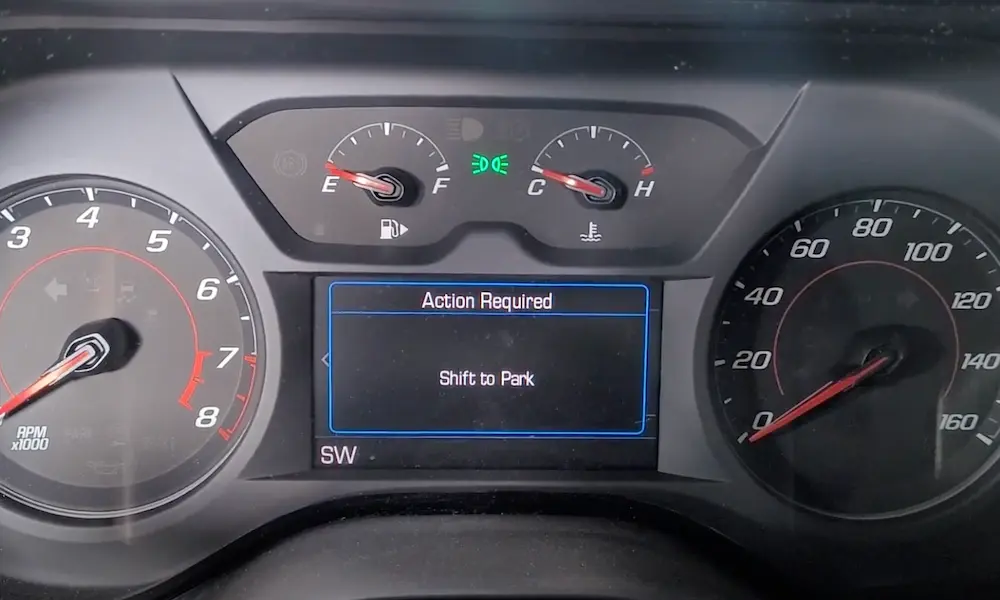
On the flip side, the 2010 model year is the absolute worst. It received over 1,000 complaints about excessive oil consumption, power steering failures, and transmission problems. The 2013 model faced widespread issues with engine oil consumption and reduced power. The 2016 and 2017 models had transmission problems, fuel pump failures, and that infamous “shift to park” error.
What Are the Most Common Malibu Problems?
Transmission issues rank as the most frequent and expensive failures. Owners report rough shifting, delayed acceleration, and complete transmission failure—especially in CVT-equipped models. The torque converter clutch commonly fails around 100,000 miles, causing shuddering and slipping during acceleration. Replacement costs about $5,000, which often exceeds the car’s value at that mileage.
Engine problems are another major headache. Many Malibus from 2013 through 2016 burn excessive oil due to faulty piston rings. The 1.5L turbocharged engines in 2016 and 2017 models experience pre-ignition problems that damage pistons and cause compression loss. Coolant leaks from intake manifold gaskets and water pumps happen frequently—sometimes coolant mixes with engine oil and causes severe damage. Reduced engine power warnings, often from defective throttle bodies, leave drivers stranded.
The electronic power steering system has plagued multiple generations. Sensors and control modules in the steering column frequently malfunction, making steering extremely difficult. This problem became so widespread that it’s the most commonly reported issue across all model years. Replacement requires a full steering column at significant cost.
Electrical gremlins create endless frustration. The “shift to park” message appears even when the vehicle is already in park, preventing proper shutdown and draining the battery. Soy-based wire insulation attracts rodents, who chew through wiring harnesses and create expensive electrical repairs. Fuel gauges show incorrect levels, and vacuum pump failures eliminate power brake assistance.
Annual maintenance costs start at $283 in year one but climb to $632 by year five and hit $1,033 by year ten. Total ten-year maintenance and repair costs reach $6,903—that’s $1,138 more than the industry average for popular sedans. By year ten, there’s a 19.90 percent probability you’ll need a major repair.
Which Malibu Years Should You Buy or Avoid?
Best Years to Buy:
The 2015 Chevy Malibu stands as the most reliable year overall. With its 92 out of 100 reliability score and fewer recalls than surrounding years, this final year of the eighth generation benefited from years of platform refinement. You’ll get either a 196-horsepower 2.5L inline-4 or a 259-horsepower 2.0L turbocharged engine, both with reliable automatics instead of troublesome CVTs.
Other solid choices include 2017, 2018, 2019, 2020, and 2021 models. These ninth-generation Malibus received engineering updates that fixed many early problems. The 2021 model has particularly low complaint numbers—fewer than a dozen reported issues.
From the seventh generation, 2011 and 2012 models are reliable options after GM addressed the 2008-2010 problems. If you’re looking at older, budget-friendly options, the 1997 model received consistently positive feedback with minimal complaints.
Years to Avoid:
Stay away from 1999 through 2011, especially 2000, 2002, 2004, 2005, 2008, 2009, 2010, and 2013.
The 2010 model represents the absolute worst year—plagued by excessive engine problems that cost owners thousands. The 2002 model suffered from passlock sensor failures and widespread coolant leaks. The 2004 and 2005 models had severe power steering issues that created dangerous driving conditions.
The 2013 model faced excessive oil consumption that frustrated countless owners. Among newer models, avoid 2016 and 2017 due to transmission issues, reduced engine power problems, and that persistent “shift to park” defect.
| Best Years | Avoid These Years | Reason |
|---|---|---|
| 2015 | 2010 | Highest reliability score vs. worst engine problems |
| 2017-2021 | 2013 | Engineering improvements vs. oil consumption issues |
| 2011-2012 | 2016-2017 | Post-recall reliability vs. transmission/electrical problems |
Is a High-Mileage Used Malibu Worth Buying?
Most automotive experts say no to Malibus over 100,000 miles. Once a Malibu crosses this threshold, it’s approaching the end of reliable service and increasingly likely to need repairs that exceed the vehicle’s value. Potential transmission failure ($5,000), engine problems, and electrical issues create serious financial risk.
That said, a well-maintained Malibu from a reliable year at an attractive price might work for short-term transportation. Always get a comprehensive vehicle history report to verify maintenance records and accident history. Have a trusted mechanic perform a pre-purchase inspection, focusing on the transmission, engine oil consumption, power steering operation, and any dashboard warning messages.
The decision improves for newer, low-mileage used Malibus. A two-year-old Malibu has already absorbed roughly $11,583 in depreciation, making it substantially cheaper than new while still offering several years of reliable service. The 2022 through 2024 models represent decent value if purchased used with low mileage.
How Can You Make Your Malibu Last Longer?
Change oil frequently—every 3,000 to 3,500 miles, not the manufacturer’s 7,500-mile recommendation. Use high-quality oil filters (some owners specifically recommend Purolator or similar premium brands). Monitor oil levels between changes since many Malibus consume oil, and low levels accelerate engine wear.
Fix problems immediately when they pop up. Small coolant leaks quickly become major engine damage if coolant levels drop too low. Transmission problems worsen rapidly once symptoms appear—early intervention might allow for less expensive repairs than full replacement.
Store your Malibu indoors when possible to protect it from weather damage, and wash it regularly to prevent rust (especially if you live in the salt belt). Keep detailed maintenance records to demonstrate proper care when you eventually sell.
Follow the manufacturer’s maintenance schedule for everything beyond oil changes—air filter replacements, transmission fluid services at 100,000 miles, and cooling system flushes at 150,000 miles. Drive conservatively, avoiding aggressive acceleration and harsh braking that stress powertrain components. Let the engine warm up before driving hard, particularly in cold weather, as this protects the CVT transmission in equipped models.
The Bottom Line on Malibu Longevity
The Chevy Malibu delivers adequate longevity for buyers seeking a budget-friendly midsize sedan with moderate expectations. It won’t match the legendary durability of Japanese competitors, but a well-maintained Malibu from a reliable model year can provide 100,000 to 150,000 miles of service before major problems arise. Exceptionally cared-for examples may reach 200,000 miles or beyond, though that’s rare.
Success with Malibu ownership comes down to careful year selection and diligent maintenance. Focus on 2015, 2017-2021, or the 2011-2012 seventh-generation models while avoiding problematic years (especially 2010 and early 2000s models). Budget for increasing maintenance costs as the vehicle ages—annual expenses more than triple from year one to year ten. Set aside an emergency fund for potential transmission or engine repairs, since these expensive failures happen with concerning frequency beyond 100,000 miles.
If you’re prioritizing maximum longevity and lowest total cost of ownership, the Honda Accord or Toyota Camry remain superior choices despite higher purchase prices. However, the Malibu’s lower acquisition cost, comfortable ride, spacious interior, and decent fuel economy make it viable for budget-conscious buyers who understand and accept its limitations. Just maintain it meticulously, choose the right model year, and plan for replacement before reaching extremely high mileage.