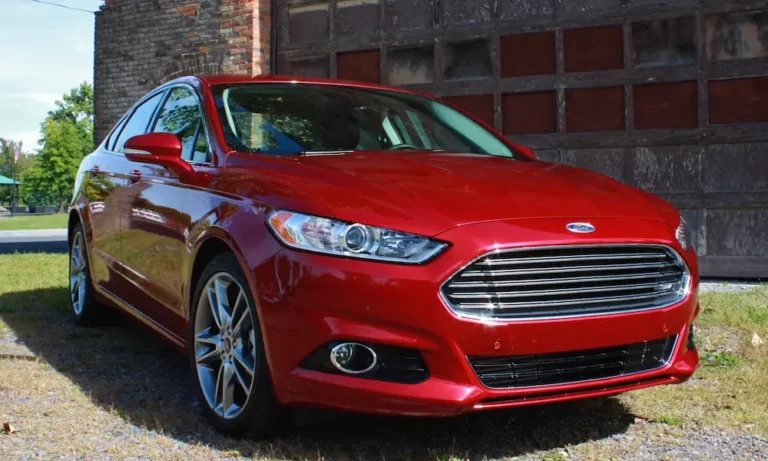
Shopping for a used Ford Fusion and wondering if it’ll make it past 200,000 miles? You’re asking the right question. The answer depends heavily on which year you buy and what’s under the hood. Let’s cut through the marketing fluff and get straight to what actually matters—real-world mileage, engine reliability, and which years you should avoid like a pothole.
What’s the Actual Mileage You Can Expect?
Here’s the deal: a well-maintained Ford Fusion typically lasts between 200,000 and 250,000 miles. That’s with regular oil changes, transmission services, and not treating your car like a rental.
But here’s where it gets interesting. Plenty of Fusion owners blow past that number. We’re talking 300,000+ miles without major drama. One insane example? A 2019 Fusion Hybrid that hit 442,000 miles on the original engine, transmission, and even brake pads.
The average lifespan sits around 10-15 years of typical use. iSeeCars data shows an average of 134,757 miles, but that’s pretty conservative compared to what owners actually report. Forums and Facebook groups are loaded with people cruising past 200,000 miles without breaking a sweat.
Your mileage will vary (pun intended) based on three big factors:
- Which engine you’ve got (this is HUGE)
- Model year (some years are landmines)
- Maintenance habits (skip oil changes, pay the price)
First Generation (2006-2012): A Mixed Bag
The original Fusion isn’t terrible, but you’ve got to be picky about which year you choose.
The Good Years: 2008, 2009, Early 2012
The 2008 Fusion scored an impressive 89/100 for quality and reliability from J.D. Power. The 2009 followed suit with solid marks. Early 2012 models (before the mid-year changeover) also hold up well.
These years don’t have the nightmare problems that plague their siblings. Owners report hitting 150,000 to 240,000 miles with just routine maintenance and the occasional wear item replacement.
The Years to Run From: 2010, 2011, Late 2012
The 2010 Fusion alone racked up nearly 5,000 NHTSA complaints. That’s not a typo. It’s the most problematic Fusion ever built.
What went wrong? Power steering failures topped the list. The electric power-assisted steering would just… quit. Sometimes while you’re driving. Ford recalled nearly 445,000 vehicles for this issue, but tons of cars outside the recall had identical failures.
The 2012 Fusion collected 2,461 complaints, mostly about transmission problems. We’re talking erratic shifting, delayed engagement, and sometimes complete loss of drive. Not fun when you’re stuck at a traffic light and your car won’t move.
Second Generation (2013-2020): Much Better, But Watch the Early Years
Ford redesigned the Fusion for 2013, and overall reliability improved significantly. But not right away.
The Sweet Spot: 2017-2020
These are your best bets. The 2017 model scored 84/100 for reliability. The 2018 hit 85/100. The 2020 (the final year) had just one recall and minimal complaints.
These later years benefited from Ford working out the kinks. They’ve got modern safety features, good build quality, and clean reliability records. You can find clean examples for under $16,000, making them solid value picks.
The Decent Middle: 2016
The 2016 falls somewhere between “proceed with caution” and “pretty good.” It’s got low recall numbers and decent reliability scores. Not perfect, but not a disaster either.
Early Second-Gen Problems: 2013-2015
These years carried over problems from the first generation while adding new ones. The 2013 model got 1,841 complaints, many for power steering issues that should’ve been fixed.
Transmission problems hit 2013-2014 models hard. Ford issued a massive recall in 2022 affecting nearly three million vehicles for transmission bushings that could prevent proper gear engagement. Owners reported repair costs over $1,250 on average.
The 2015 shows improvement but still has below-average safety scores compared to later models.
Engine Choice: This Makes or Breaks Your Fusion’s Lifespan
Pay attention here—this section could save you thousands of dollars.
The Bulletproof Option: 2.5L Duratec
The 2.5-liter naturally aspirated four-cylinder is the reliability champion. Co-developed with Mazda, this engine just works.
Owners routinely report 250,000+ miles without major issues. One owner hit 265,000 miles with the engine never using oil between changes. Still running the original water pump, alternator, and idler pulley.
The only real concern? Coolant consumption from engine block porosity. Check your coolant every six months and you’ll be fine.
If you want a Fusion that’ll last, this is your engine.
Hybrid Models: Shockingly Durable
The Fusion Hybrid and Energi plug-in hybrid use a 2.0-liter Atkinson-cycle engine with an eCVT transmission. These things rival Toyota hybrids for longevity.
Facebook groups dedicated to Fusion Hybrids show examples hitting 300,000 to 600,000 miles. That 442,000-mile 2019 Hybrid I mentioned earlier? It’s documented proof these powertrains can go the distance.
The regenerative braking means your brake pads last forever. Some owners don’t need brake service until 200,000 miles.
But here’s the catch: Ford originally said you could go 150,000 miles between transmission fluid changes. That’s nonsense. Change it every 30,000 miles or your transmission won’t make it to 100,000 miles. With proper 30,000-mile changes, the eCVT can last 180,000 miles or more.
Stick with 2016+ Hybrid models—they got mechanical updates that improved reliability.
The Risky Turbos: EcoBoost Engines
1.6L EcoBoost: Just Say No
This is the engine to avoid. It suffers from coolant leaks, head gasket failures, and burnt valves around 100,000 miles. The high-pressure fuel pump wears out at 120,000 miles and can take out your camshaft.
Expected lifespan? Only 100,000 to 140,000 miles. Ford knew it was problematic and replaced it with the 1.5L.
1.5L EcoBoost: Better, But Still Problematic
The 1.5L improved on the 1.6L but inherited the same fundamental flaw: an open-deck block design that lets coolant leak into the cylinders. When this happens, you’re looking at complete engine replacement costing $3,000 to $8,000.
Direct injection causes carbon buildup on intake valves. You’ll need walnut blasting service every 100,000-120,000 miles ($300-$600).
Many owners hit 140,000-200,000 miles without the coolant issue. But when it happens, it’s expensive. Expected lifespan: 150,000 to 200,000 miles.
2.0L EcoBoost: The Best of the Turbos
The 2.0L still has the open-deck block problem but experiences it less frequently. Variable camshaft timing solenoids fail occasionally but aren’t crazy expensive to replace.
You can expect 150,000 to 200,000 miles with proper maintenance. Better than the smaller EcoBoosts, but still not as reliable as the 2.5L or Hybrid.
Common Problems That Hit All Model Years
Beyond engine-specific issues, several problems affect Fusions across the board.
Power Steering Failures
We’ve already touched on this, but it deserves its own section because it’s both common and dangerous.
The electric power steering system uses four aluminum bolts to secure the motor housing to the steering rack. These bolts break under load, causing complete loss of power assist. Sometimes while you’re driving at highway speeds.
Ford’s recall covered 445,000 vehicles, but many cars outside the recall experienced identical failures. The NHTSA closed a seven-year investigation into these failures in 2024.
Your dashboard will light up like a Christmas tree: “Power Steering Failure, Pull Over Safely” plus disabled traction control, ABS, and stability control.
Repair costs run $1,000 to $3,000 for steering rack replacement.
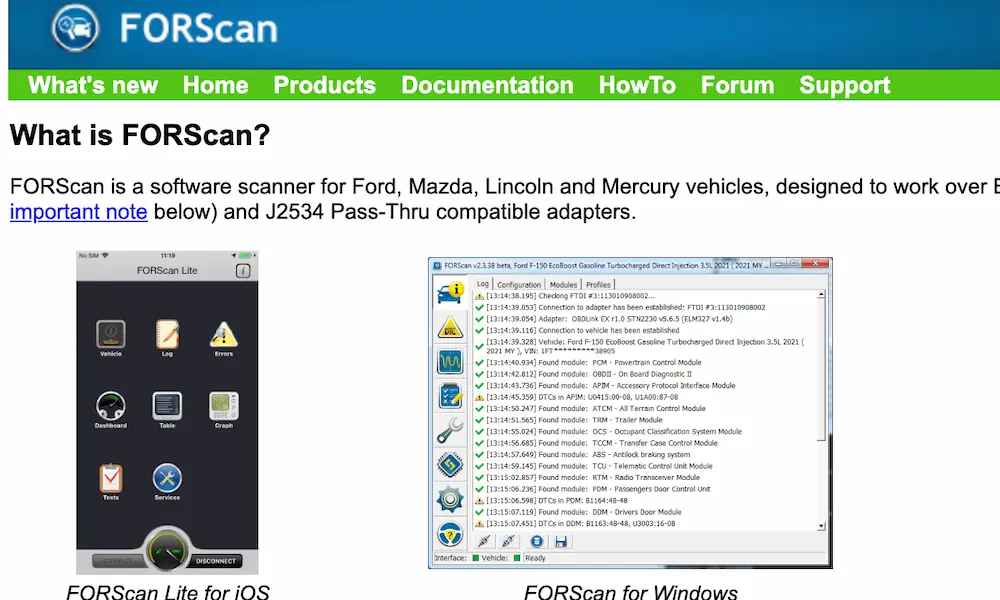
Interestingly, sometimes simpler fixes work. One owner found that a loose tie rod end triggered the fault codes. After replacing the tie rod end and clearing codes with FORScan, the problem disappeared. Tire issues (wrong pressure, damaged tires, tread depth differences) are the second most common cause after actual rack failure.
Transmission Issues Beyond the Big Recalls
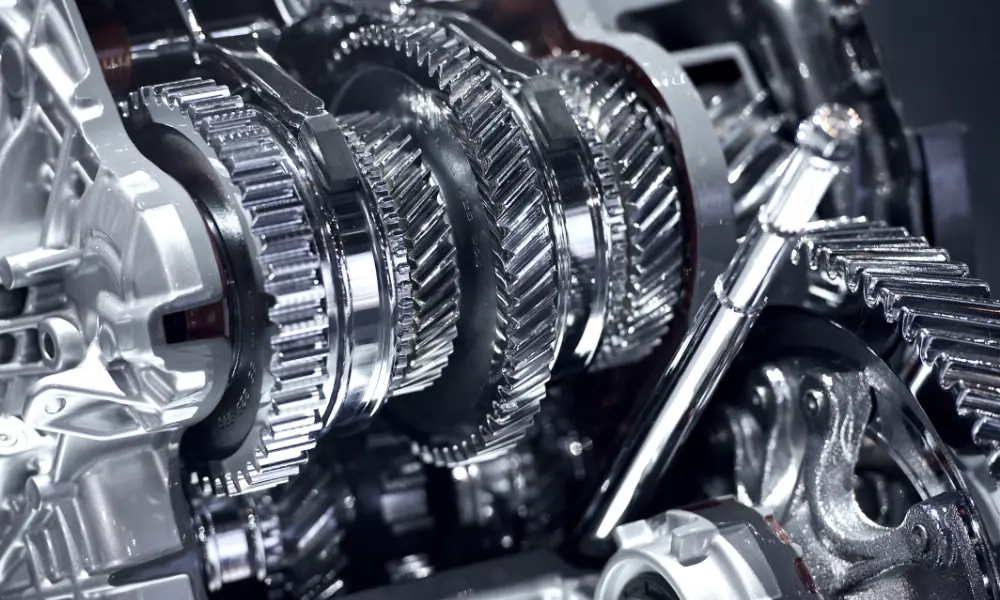
Even outside the major 2012-2014 transmission problems, Ford Fusion transmissions aren’t legendary for reliability.
The six-speed automatics leak transmission fluid from the output shaft seal, often starting around 70,000 miles. Not a huge deal, but annoying.
Torque converter failures happen around 140,000 miles, causing vibrations and requiring replacement. After a transmission rebuild, expect another 100,000 miles of life.
Average transmission replacement costs hit $5,758 to $6,267. Transmission control unit replacement runs $854 to $944.
This is why changing transmission fluid every 30,000 miles matters so much. Contaminated fluid wears out friction plates fast.
Suspension Wear and Costs
The suspension itself holds up well, but repairs cost more than you’d expect because Ford designed components as complete assemblies.
You probably won’t need suspension repairs before 130,000 miles. That’s pretty good.
Wheel hub bearings wear out faster—around 60,000 miles. You can’t replace just the bearing; you’ve got to replace the whole hub assembly. The upside? It makes the job simpler. The downside? Parts cost more.
Signs your hub bearing is dying: noise and vibrations.
Maintenance: Do This or Pay Later
RepairPal reports average annual maintenance costs of $582 for the Fusion, compared to $526 for other midsize sedans. Hybrids cost slightly less because regenerative braking saves your brake pads.
Here’s your maintenance schedule if you want to hit 200,000+ miles:
| Interval | Service Required |
|---|---|
| Every 5,000-7,500 miles | Oil and filter change, tire rotation, brake inspection, fluid checks |
| Every 20,000 miles | Replace cabin air filter |
| Every 30,000 miles | Replace engine air filter, transmission fluid change (ignore Ford’s 150,000-mile suggestion) |
| Every 50,000-60,000 miles | Brake fluid replacement |
| Every 100,000 miles | Spark plugs, coolant change, inspect drive belts and timing chain |
Don’t follow Ford’s “normal” maintenance schedule. Use the severe schedule instead. That means:
- Oil changes every 5,000 miles (not 7,500 or 10,000)
- Transmission fluid every 30,000 miles (not 150,000)
- Coolant changes every 60,000-80,000 miles
One owner who religiously follows the severe schedule said: “I don’t see [failure] happening for another 100K.” That’s the attitude that gets you past 200,000 miles.
What Real Owners Are Saying
Numbers on paper are one thing. Real-world experiences tell the full story.
A 2007 Fusion SEL with the 3.0L V6 hit 371,000 miles with only throttle body and water pump replacements beyond routine maintenance. The transmission never had its fluid changed and still worked fine.
A 2009 owner documented 332,000 miles and called it “the best car I’ve ever had.”
A 2013 with the 2.0L EcoBoost reached 206,000 miles with regular maintenance, still running strong.
A 2014 with the supposedly problematic 1.6L EcoBoost made it to 172,000 miles needing only rear brakes, tires, battery, slave cylinder, and front control arms beyond recalls. Not bad for the “worst” engine.
A 2015 with the 1.5L EcoBoost hit 197,000 miles with no single repair exceeding $1,500.
These aren’t isolated examples. Reddit and Facebook groups show pattern after pattern of Fusions cruising past 200,000 miles when owners stay on top of maintenance.
Your Buying Guide: Which Fusion Should You Actually Buy?
Best Choices
- 2017-2020 with the 2.5L Duratec
- 2016-2020 Fusion Hybrid or Energi
These combine proven engines with the latest safety tech, minimal recalls, and strong reliability records.
Good Alternatives
- 2016 with the 2.5L Duratec
- 2008-2009 first-gen with the 3.0L V6
Solid options if you find a good deal and can verify maintenance history.
Proceed With Caution
- 2015 models (research the specific vehicle thoroughly)
- Any model with the 1.5L or 2.0L EcoBoost (verify no coolant intrusion history)
- Pre-2016 Hybrids (earlier eCVT transmissions had more issues)
These aren’t automatic no-gos, but do your homework.
Avoid Completely
- 2010-2011 (power steering nightmares)
- 2012-2014 (transmission disasters)
- Anything with the 1.6L EcoBoost
Life’s too short to deal with these problems.
What to Check on High-Mileage Examples
Shopping for a Fusion with over 100,000 miles? Verify these things:
Complete maintenance records, especially transmission fluid changes every 30,000-60,000 miles. No records? Walk away.
For EcoBoost models, get a pre-purchase inspection specifically checking for coolant intrusion and carbon buildup severity. These issues can cost thousands to fix.
For models affected by power steering recalls, confirm the recall work was completed.
Check for any signs of steering issues during the test drive. If the wheel feels heavy or you see warning lights, that’s your cue to leave.
The Bottom Line
The Ford Fusion offers solid value if you choose wisely. A 2017-2020 with the 2.5L Duratec or a 2016+ Hybrid will give you Camry-like reliability for significantly less money.
With proper maintenance and the right model year, hitting 200,000 miles is totally achievable. Many owners sail past 250,000 miles. Some reach 300,000+ without major repairs.
The key? Stick with the reliable engines (2.5L Duratec or Hybrid), avoid the problematic years (2010-2014), and follow the severe maintenance schedule religiously.
Do that, and your Fusion will keep running long after you’ve paid it off. Skip those steps, and you might be shopping for a new car sooner than you’d like.