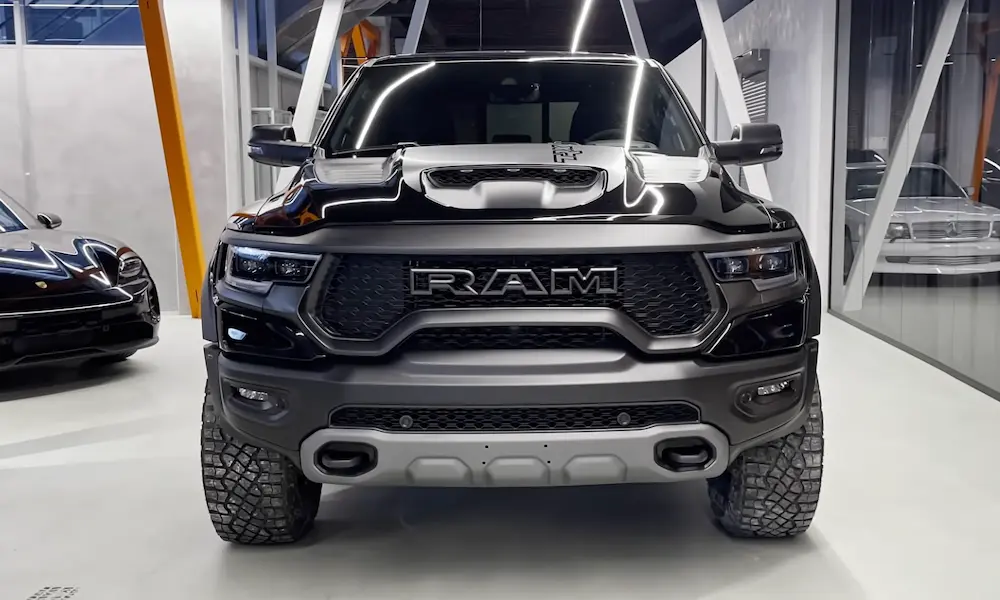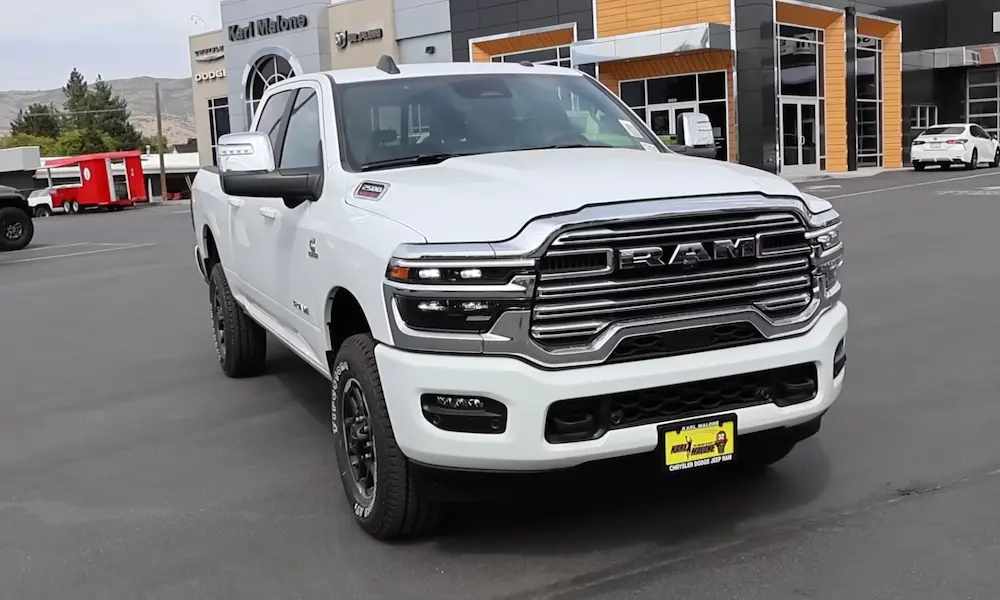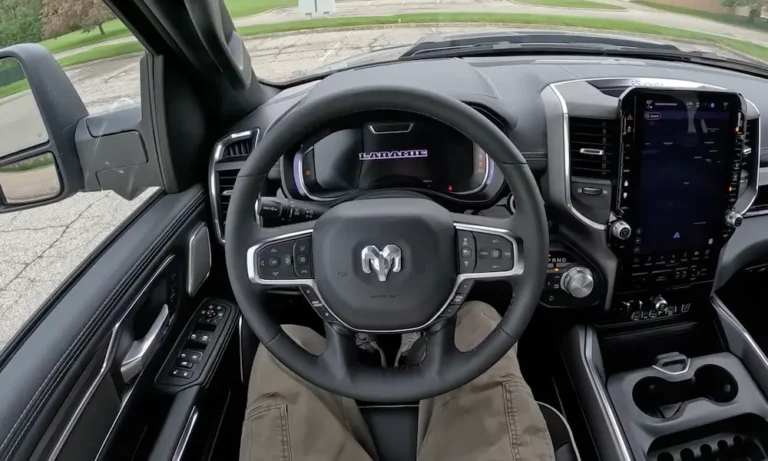
Tired of your RAM 1500’s Multi-Displacement System (MDS) cutting power when you need it most? You’re not the only RAM owner looking to disable this fuel-saving but sometimes frustrating feature. Whether you’re experiencing the dreaded MDS drone, concerned about potential lifter failures, or just want consistent V8 power, this guide covers every method to permanently disable MDS on your RAM 1500.
What Is MDS and Why Consider Disabling It?
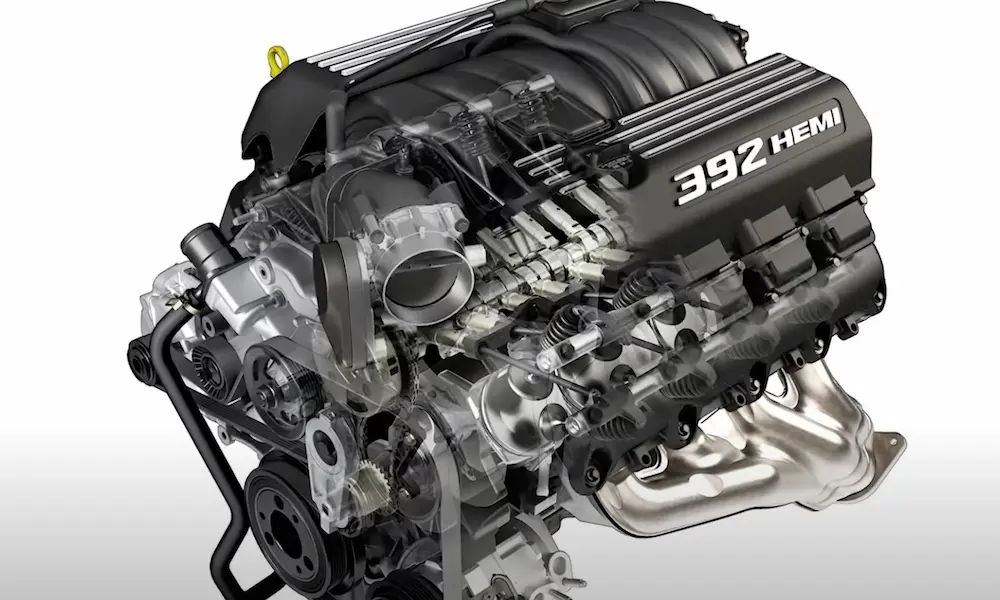
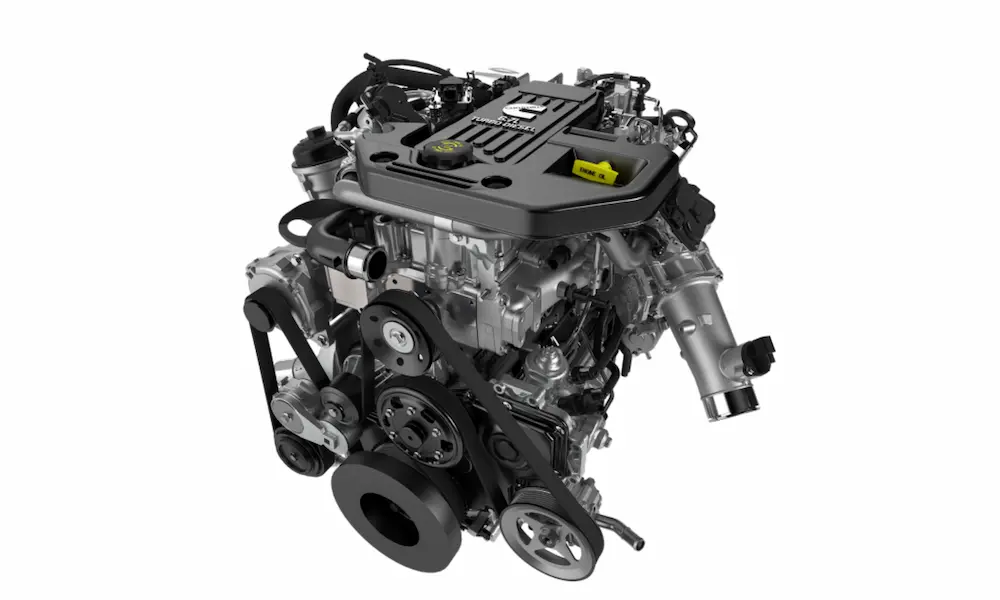
Multi-Displacement System (MDS) technology in RAM 1500 trucks with 5.7L or 6.4L HEMI engines automatically deactivates four cylinders during light load conditions. While Chrysler designed this system to improve fuel economy, many owners report several drawbacks:
- Inconsistent power delivery during acceleration
- Unwanted exhaust drone at specific speeds
- Concerns about lifter failure and engine reliability
- Minimal real-world fuel savings in typical driving conditions
Testing by AmericanTrucks showed only a tiny 0.3 MPG difference with MDS disabled during highway driving, making many owners question if the potential reliability concerns are worth such small efficiency gains.
Software Methods: Non-Invasive MDS Deletion
Using OBD-II Plug-In Devices
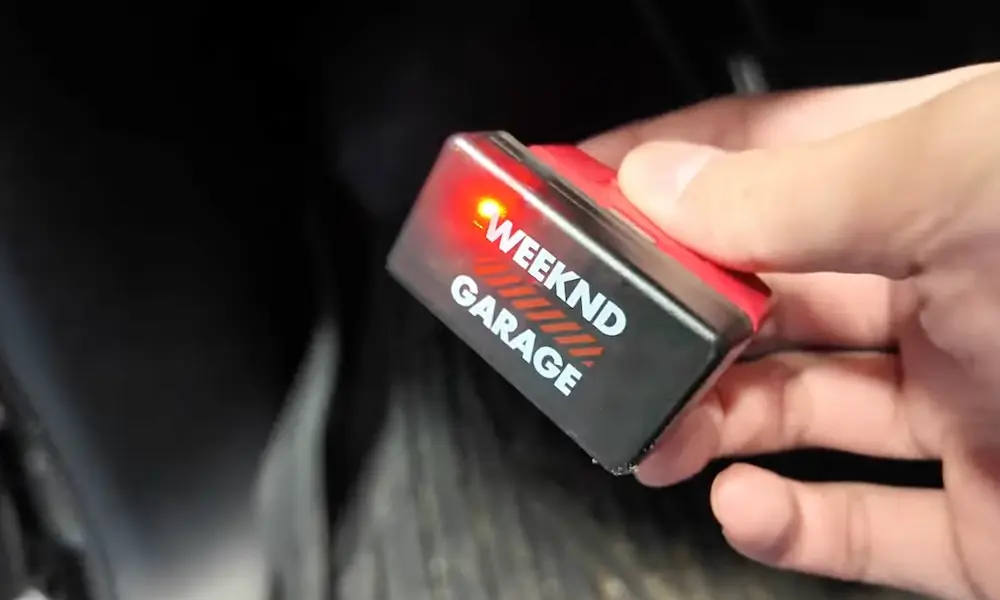
The simplest non-permanent method uses plug-and-play devices that connect to your truck’s diagnostic port.
Range Technology MDS Manager (RA004)
This plug-and-play device intercepts signals between your truck’s computer and engine to prevent cylinder deactivation.
- Installation: Simply plug into the OBD-II port under your dashboard
- Cost: Approximately $160-180
- Pros: No permanent modifications, easily removable, won’t void warranty
- Cons: Must remain plugged in, not CARB-compliant for California
- Compatibility: Works with most RAM 1500 model years
The Range Technology RA004 is ideal for those wanting a simple, reversible solution without modifying their truck’s programming.
ECU Reprogramming/Tuning
For a more permanent software solution, reprogramming your truck’s Engine Control Module (ECM) completely disables the MDS functionality.
HP Tuners Method:
- Purchase an HP Tuners MVPI Pro package
- Install VCM Suite software on your computer
- Connect to your truck’s ECM and download the current calibration
- Navigate to the fuel/lean savings menu
- Disable the “MDS Enable” parameter
- Flash the modified tune back to your truck
Diablo Sport Tuner Method:
- Purchase a Diablo Sport Predator or Trinity
- Connect to your OBD-II port
- Select the MDS disable option in tuning parameters
- Upload the modified tune to your truck
Both methods effectively disable MDS without physical modifications but may have warranty implications. For 2015+ models with locked PCMs, you might need services like Stage Frontend Solutions to unlock your PCM first.
Hardware Methods: Permanent MDS Deletion
Camshaft and Lifter Replacement
The most comprehensive but invasive approach completely eliminates the hardware components that enable MDS functionality.
Components Needed:
- Non-MDS camshaft (like Summit Racing Pro HEMI or Texas Speed & Performance models)
- Standard non-MDS lifters
- MDS solenoid block-off plugs
- New gaskets and seals
Installation Process Overview:
- Remove valve covers, intake manifold and timing chain cover
- Remove timing chain and camshaft
- Extract and replace MDS lifters with standard lifters
- Install non-MDS camshaft
- Remove MDS solenoids and install block-off plugs
- Reassemble engine components
- Reprogram ECM to prevent fault codes
This method offers several complete deletion kits, such as the Melling MDK200, which includes all necessary lifters, gaskets, and block-off plugs.
Complete MDS Delete Kits
Several manufacturers offer comprehensive kits containing all parts needed for MDS deletion:
| Kit | Price Range | Included Components | Best For |
|---|---|---|---|
| MMX HEMI MDS Delete Kit | $400-500 | Lifters, gaskets, seals | DIY with some engine experience |
| Texas Speed & Performance MDS Delete | $500-600 | Camshaft, lifters, block-off plugs | Performance enthusiasts |
| AMS Racing HEMI MDS Delete | $550-650 | Complete kit with all hardware | High-mileage trucks |
This hardware approach completely eliminates MDS capabilities, potentially improving long-term reliability while maintaining consistent V8 power.
Reliability and Performance Impact
Lifter Failure Prevention
Many owners cite preventing lifter failures as a primary reason for disabling MDS. While Chrysler maintains that properly maintained engines shouldn’t experience these issues, numerous owners report problems.
Switching to non-MDS lifters eliminates the complex MDS lifter design with internal oil passages and locking pins that can fail. Standard lifters have a simpler design with fewer failure points.
For those not ready for a complete camshaft swap, another preventative measure is upgrading to a Hellcat oil pump that increases oil flow to the valvetrain, potentially reducing lifter failure risk.
Performance Benefits
Beyond reliability, disabling MDS can provide:
- Consistent throttle response
- Elimination of the transition “lag” between 4 and 8 cylinder modes
- Smoother acceleration
- Reduced exhaust drone at highway speeds
- More predictable towing performance
Warranty and Legal Considerations
Before proceeding with any MDS deletion, consider these important factors:
Warranty Impact:
- Software tuning may be detectable by dealership diagnostics
- Hardware modifications almost certainly void powertrain warranty coverage
- Range Technology devices can be removed before service visits to maintain warranty
Emissions Concerns:
- MDS deletion may affect emissions compliance
- Not legal in California or states following CARB regulations
- The Range Technology RA004 is explicitly not compliant with California emissions standards
If warranty and emissions compliance are priorities, the plug-and-play Range Technology device offers the best balance of functionality and reversibility.
Choosing the Right MDS Deletion Method
Use this decision guide to select the best approach for your situation:
| If You… | Best Method | Approximate Cost |
|---|---|---|
| Want temporary, reversible deletion | Range Technology RA004 device | $160-180 |
| Need permanent solution without engine work | HP Tuners or Diablo Sport tuning | $450-700 |
| Are concerned about long-term reliability | Complete camshaft and lifter swap | $1,000-2,500 |
| Plan performance modifications anyway | Camshaft upgrade with non-MDS parts | $1,500-3,000 |
DIY vs. Professional Installation
Software Solutions:
- Range Technology device: Simple DIY, plug into OBD-II port
- ECU tuning with HP Tuners: Moderate DIY complexity, requires computer skills
- Professional tuning: $300-500 at performance shops
Hardware Solutions:
- Camshaft/lifter replacement: Advanced DIY, requires specialized tools
- Professional installation: $1,000-1,500 labor at performance shops
- Total professional solution: $2,500-4,000 including parts and labor
Real Owner Experiences
RAM owners consistently report satisfaction after disabling MDS:
“After disabling MDS with HP Tuners, the truck feels completely different – smoother acceleration and no more annoying drone at 45mph.” – RAM Forum member
“The Range Technology plug works perfectly. My 2019 RAM now stays in V8 mode all the time, and I only lost 0.5 MPG in mixed driving.” – 5th Gen RAM owner
“Went with the full camshaft swap at 60,000 miles after hearing about lifter failures. Expensive but worth the peace of mind and the truck runs better than new.” – RAM Trucks subreddit user
Monitoring Your RAM After MDS Deletion
After disabling MDS, pay attention to:
- Fuel economy changes (typically minimal)
- Engine temperature (should remain unchanged)
- Error codes or check engine lights
- Oil consumption (monitor during first oil change after modification)
- Exhaust tone changes
Most owners report only positive changes after deletion, with many wondering why they didn’t disable MDS sooner.
Conclusion
Permanently disabling MDS on your RAM 1500 ranges from simple plug-and-play solutions to comprehensive engine modifications. The right choice depends on your technical comfort level, budget, and long-term plans for your truck. Whether you choose software tuning or hardware replacement, eliminating the cylinder deactivation system can provide more consistent performance and potentially improve long-term reliability.
Remember that any modification should be approached with careful consideration of warranty and emissions compliance implications. For most owners, the improved driving experience and peace of mind make MDS deletion worthwhile despite the minor fuel economy impact.