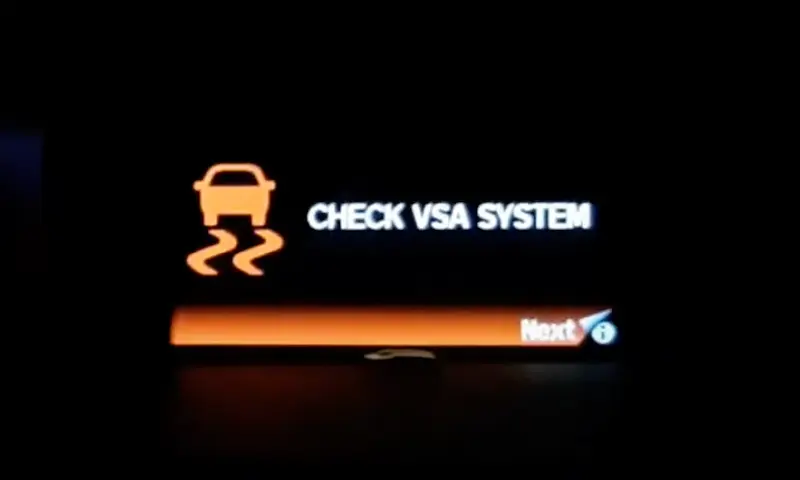
Have you noticed your Honda Pilot’s VTM-4 system activated but aren’t sure how to turn it off? Whether you’ve manually engaged the VTM-4 Lock or you’re dealing with a warning light that won’t go away, I’ve got you covered with straightforward solutions.
What Is the VTM-4 System in Your Honda Pilot?
The Variable Torque Management 4-wheel drive (VTM-4) is Honda’s all-wheel drive system that automatically manages how power is distributed between your Pilot’s front and rear wheels. During normal driving, most power goes to the front wheels for better fuel economy. When the system detects slippage, it automatically sends power to the rear wheels to improve traction.
Your Pilot also has a VTM-4 Lock button that forces maximum torque to the rear wheels for challenging low-speed situations like deep snow, mud, or steep hills.
How to Turn Off VTM-4 Lock Mode
If you’ve manually engaged the VTM-4 Lock mode and now want to turn it off, you have two simple options:
Method 1: Press the VTM-4 Lock Button Again
The easiest way to disengage VTM-4 Lock is to press the same button you used to turn it on:
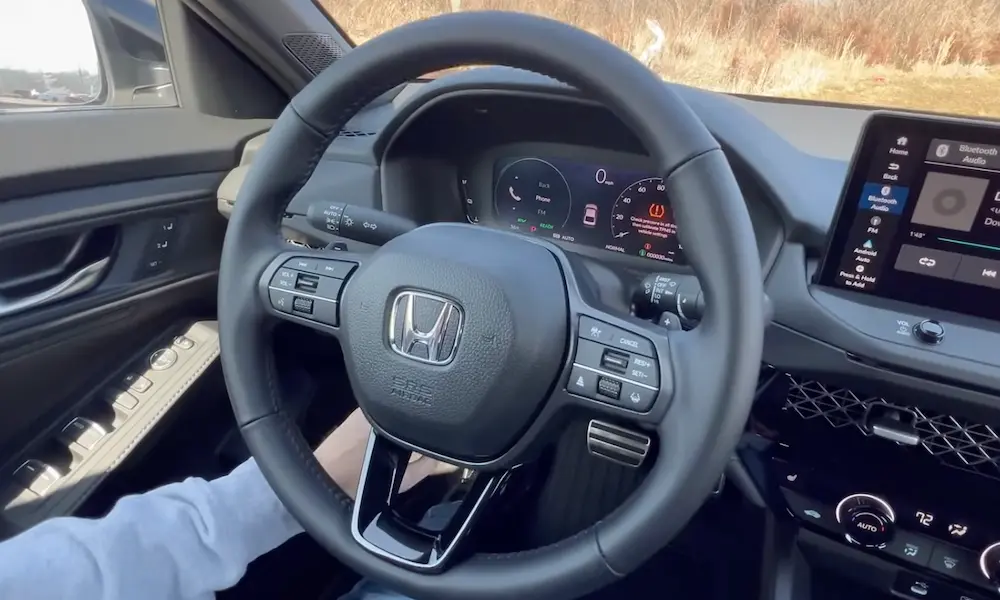
- Locate the VTM-4 Lock button on your dashboard
- Press it once
- The VTM-4 indicator light on your dashboard will turn off, confirming deactivation
Method 2: Shift to Drive (D)
Another way to turn off VTM-4 Lock mode is by changing gears:
- Simply shift your transmission into Drive (D)
- This automatically disengages the Lock mode
- The indicator light should turn off
VTM-4 Lock Turns Off Automatically When:
The system includes built-in safety features that will automatically disengage VTM-4 Lock:
- When your speed exceeds 18 mph (30 km/h)
- When you turn off the ignition
- If you shift from 1st, 2nd, or Reverse into Drive (D)
These automatic disengagements protect your Pilot’s drivetrain from damage that could occur if Lock mode remained active during higher-speed driving or on dry pavement.
What If the VTM-4 Light Won’t Turn Off?
If the VTM-4 light stays on even after you’ve tried turning it off, you might be dealing with a system issue. Here are some troubleshooting steps:
Check for Wheel Speed Sensor Problems
Faulty wheel speed sensors are a common cause of VTM-4 warnings:
- Look for damage to the wiring near each wheel
- Check for debris around wheel sensors
- Inspect for signs of rodent damage to sensor wiring
Inspect the Electrical System
Electrical issues can cause the VTM-4 system to malfunction:
- Check the related fuses in your Pilot’s fuse box (consult your owner’s manual for locations)
- Look for corroded or damaged wiring connections
- Make sure all electrical connections to the system are secure
Reset the VTM-4 System
Sometimes a simple reset can fix persistent VTM-4 issues:
- Put your Pilot in 1st gear
- Turn the ignition off
- Wait 10 seconds
- Restart the vehicle
- The VTM-4 indicator should flash twice if the reset is successful
Maintenance Tips to Prevent VTM-4 Problems
Regular maintenance helps keep your VTM-4 system working properly:
Fluid Service Is Critical
Honda recommends changing the rear differential fluid every 30,000-45,000 miles:
| Mileage | Maintenance Action |
|---|---|
| 30,000 miles | Inspect rear differential fluid |
| 45,000 miles | Replace rear differential fluid |
| Every 15,000 miles after | Check fluid condition |
Regular Inspection of Sensors and Wiring
Prevention is better than dealing with a broken system:
| Component | What to Check | How Often |
|---|---|---|
| Wheel sensors | Damage, debris, proper connection | During tire rotations |
| Wiring harnesses | Corrosion, rodent damage, secure connections | Annual inspection |
| VTM-4 switch | Proper operation, no sticking | When button feels abnormal |
When VTM-4 Should Remain Off
For most regular driving conditions, you’ll want to keep VTM-4 Lock mode off:
- When driving on dry pavement
- At highway speeds
- During normal commuting
- When making tight turns in parking lots
Using Lock mode in these situations can cause unnecessary wear on your drivetrain components and reduce fuel efficiency.
When to Use VTM-4 Lock Mode
The Lock feature is designed for specific situations only:
- When stuck in deep snow, mud, or sand
- When climbing steep, slippery inclines
- When descending slippery hills at low speed
- When starting from a stop on extremely slippery surfaces
Remember that Lock mode only works below 18 mph and in 1st gear, 2nd gear, or Reverse.
Understanding VTM-4 Warning Lights
Different light patterns on your dashboard can indicate specific issues:
- Solid VTM-4 light: System is engaged and functioning
- Blinking VTM-4 light: System has detected a malfunction
- VTM-4 light with Check Engine light: More serious system issue requiring diagnosis
If you see unusual light patterns, it’s best to have your vehicle checked by a qualified technician who can retrieve any error codes from the system.
Is It Safe to Drive With VTM-4 Turned Off?
Absolutely! Your Honda Pilot’s VTM-4 system is designed to operate in automatic mode during normal driving. When you turn off Lock mode, you’re simply allowing the system to return to its normal automatic operation.
In fact, driving with VTM-4 Lock turned off is safer for:
- Dry pavement driving
- Highway speeds
- Fuel efficiency
- Preventing unnecessary drivetrain wear
The automatic VTM-4 system will still engage the rear wheels whenever it detects slippage, providing the traction you need without manual intervention.
How to Check if Your VTM-4 System Is Working Properly
Here’s a simple test you can perform to verify your VTM-4 system is functioning:
- Find a safe, open area like an empty parking lot
- Drive slowly in a tight circle
- Press the VTM-4 Lock button
- You should feel increased resistance in the steering and a slight binding sensation
- Release the Lock button, and the resistance should immediately disappear
If you don’t feel any difference, your system might need service.
Understanding VTM-4 Fluid Requirements
Using the correct fluid is essential for proper VTM-4 operation:
- Honda recommends using only Honda VTM-4 Differential Fluid
- This special fluid has additives designed for the electromagnetic clutch system
- Using incorrect fluid can cause clutch slippage or premature wear
- The system requires approximately 2.79 U.S. quarts (2.64 liters) of fluid
The rear differential fill plug is located near the rear axle and requires a special tool to access properly.
Remember that turning off your Honda Pilot’s VTM-4 system when not needed not only protects your vehicle but also ensures it will be ready when you really need that extra traction in challenging conditions.