Your Hyundai Elantra’s headlight just burned out — and now you’re staring into the engine bay wondering where to even start. This guide covers every generation, every bulb type, and every trick you need for a successful Hyundai Elantra headlight bulb replacement. Stick around — there’s a generation-specific tip near the end that most people miss entirely.
First, Find the Right Bulb for Your Elantra
Before you grab a bulb off the shelf, check your model year. The Elantra has gone through three major generations since 2011, and each one uses different bulb standards. Using the wrong bulb is the most common mistake people make.
| Model Year | Generation | Low Beam | High Beam |
|---|---|---|---|
| 2011–2013 | 5th Gen | H11 or H11B | H1 |
| 2014–2016 | 5th Gen | H11 | H7 or 9005 |
| 2017–2018 | 6th Gen | H11 or 9005 | H7 or 9005 |
| 2019–2020 | 6th Gen | 9005 or H7 | 9005 or H7 |
| 2021–Present | 7th Gen | 9005 | 9005 |
Cross-reference your trim level too. Higher trims sometimes use different optics than the base model, even within the same year. Sites like SEALIGHT LED’s bulb finder can double-check your fitment fast.
What’s Actually Inside Your Headlight Housing
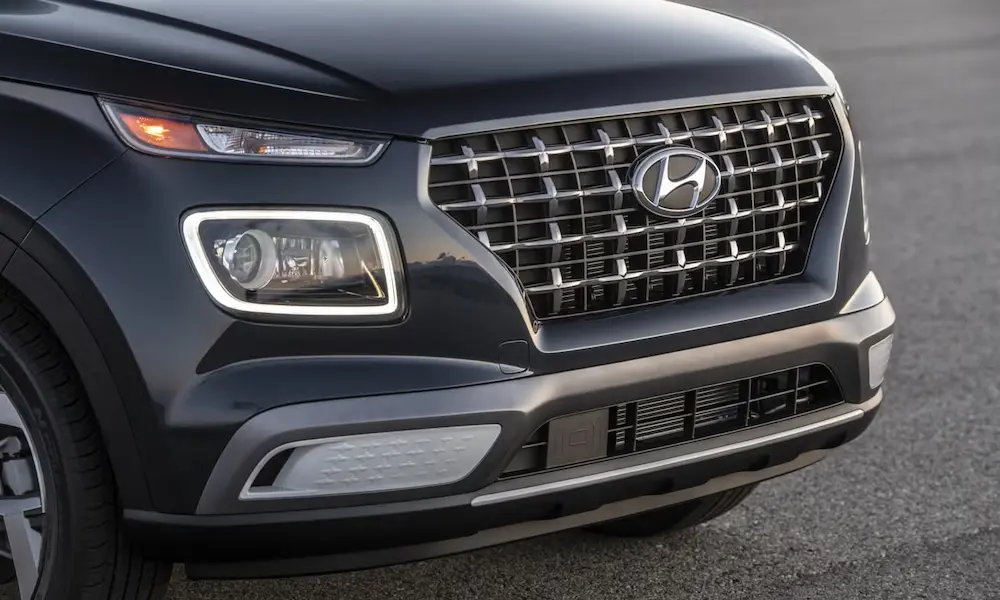
Your Elantra likely has one of two optical systems — a reflector or a projector. They look different, and they behave differently.
Reflector housings use a mirrored bowl to bounce light forward. They’re simple, affordable, and found on most base trims through 2018. The downside? Light scatter can cause glare for oncoming drivers if the bulb isn’t perfectly seated.
Projector housings are more advanced. They focus light through a convex lens and use an internal metal shutter to create a sharp cutoff line — that hard edge you see at the top of the beam. From 2017 onward, many Elantras use motorized shutters that drop when you switch to high beams. This lets a single 9005 bulb handle both functions.
Knowing which system you have matters when you upgrade to LED later. More on that shortly.
How to Replace Bulbs on a 2011–2016 Elantra (5th Gen)
The fifth gen uses separate bulbs for low and high beams, so you’ll be working with two different sockets. Watch this full DIY walkthrough if you’re a visual learner.
Here’s the basic process:
- Park on a flat surface and turn the ignition off completely
- Open the hood and locate the two plastic caps on the back of the headlight housing
- Twist the larger cap counterclockwise — that’s your low beam
- Unplug the electrical connector by pressing the locking tab and pulling it straight back
- Rotate the bulb counterclockwise about 45 degrees to release the tabs
- Install the new bulb without touching the glass — more on why below
- Reverse the steps and test
Driver-side headlight too cramped? The battery and fuse box often block access on the left side. Your best move is to remove the entire assembly. You’ll need a 10mm or 12mm wrench and a Phillips screwdriver. Pull two bolts from the top and one screw near the inner grille, then wiggle the housing forward to release the fender clips. This video shows the full assembly removal method.
How to Replace Bulbs on a 2017–2020 Elantra (6th Gen)
The 2017–2018 models follow a similar routine to the fifth gen — check this step-by-step guide for the 2018 model to see the exact process. Twist off the dust cap, unplug the connector, rotate and pull the bulb, then install the replacement.
One important note for 2017–2018: some H7 bulbs require a special retaining clip adapter to lock into the housing properly. If the new bulb feels loose, you’re missing this clip.
2019–2020 High Beam Issue You Need to Know About
If your high beams stopped working on a 2019 or 2020 Elantra, changing the bulbs might not fix it. Hyundai TSB 20-BE-004H covers an internal circuit failure inside the headlight assembly itself. The bulletin says both left and right assemblies need to be replaced — not just the bulbs. This job requires bumper cover removal and takes a pro about two hours.
How to Replace Bulbs on a 2021–Present Elantra (7th Gen)
This is where things get genuinely tricky. The current Elantra’s engine bay is packed so tightly that reaching the headlight from above is nearly impossible. The fix? Go through the wheel well instead.
The Wheel-Well Access Method
- Start the engine and crank the steering wheel hard left to access the right headlight (or right to access the left)
- Locate the plastic push-pins and screws securing the inner fender liner to the bumper
- Remove five to ten fasteners and pull the liner back — you don’t need to remove it fully
- Reach behind the liner to find the dust cap on the back of the housing
- Twist the cap off and rotate the 9005 bulb counterclockwise to remove it
- Install the new bulb, reseat the cap firmly, and replace the liner fasteners
This video demonstrates the full 2021+ no-disassembly method clearly. It’s genuinely easier than it sounds once you see it done.
The One Rule You Can’t Break: Don’t Touch the Glass
This applies to every generation, every bulb type. Halogen and HID bulbs run at extreme temperatures. The natural oils on your skin transfer to the glass during handling and create “hot spots.” Those spots burn, carbonize, and cause uneven thermal expansion — which cracks the glass or kills the filament early.
If you accidentally touch the bulb, clean it with a lint-free cloth and isopropyl alcohol before installing it. Don’t skip this step.
Why Your Headlights Are Flickering (It’s Not Always the Bulb)
Flickering headlights on an Elantra are frustrating, and a new bulb won’t always fix them. Several electrical issues can cause this:
- Dying battery: A weak battery can’t hold steady voltage under load, especially when the A/C kicks on. Most batteries last three to five years.
- Failing alternator: If the alternator’s output fluctuates, the headlights will pulse with it.
- Bad ground connection: Each headlight assembly connects to the chassis via a ground wire. Corrosion or a loose connection creates intermittent circuit interruptions.
- Melted connectors: High-wattage halogen bulbs can overheat the plastic connector, causing poor contact with the bulb’s pins.
Test your battery and alternator before buying new bulbs if flickering is your issue.
Upgrading to LED: What Actually Matters
LED upgrades are popular, and they do deliver brighter, whiter light. But three things must be right or you’ll create new problems.
Heat Management
LEDs don’t radiate heat outward like halogens — they concentrate it at the base. Without active cooling, the diode fails quickly. Look for LED kits with an aluminum heat sink and a small fan rated above 10,000 RPM.
CANBUS Compatibility
The Elantra’s Body Control Module monitors bulb power draw. LEDs pull far less current than a 55-watt halogen. The computer reads this as a burned-out bulb and throws a dashboard warning or causes turn signal hyperflashing. Choose CANBUS-ready LED bulbs or add external load resistors to fix this.
Filament Position
Halogen housings are engineered around one precise point: the filament. If an LED chip doesn’t sit in that exact spot, the beam scatters everywhere and blinds oncoming drivers. Quality LED kits use ultra-slim designs that match halogen filament geometry. This matters especially with projector housings, where the shutter cutoff depends on exact light placement.
All LED replacements should be DOT compliant and meet SAE standards. Non-compliant kits can create glare hazards and legal problems on public roads.
Moisture Inside the Housing — Normal or Not?
A fine mist on the inside of the lens after a car wash or a cold morning? That’s normal. Hyundai’s own guidance confirms this should clear within 30 minutes once the lights are on.
Large water droplets or pooling at the bottom of the housing? That’s a problem. Check the dust cap first — a loose or cracked cap is the most common moisture entry point. If the cap’s fine, the housing seal has likely failed.
Turn Signal and Marker Bulb Quick Reference
| Application | 5th Gen (2011–2016) | 6th Gen (2017–2020) | 7th Gen (2021–Present) |
|---|---|---|---|
| Front Turn Signal | 1156 / 1157 | 1157 / 2357 | 1157 / PY21W |
| Rear Turn Signal | 1156 | 1156 | 1156 / PY21W |
| Side Marker | 168 / 194 | 168 / 194 | 168 / 194 |
Front turn signal replacement mirrors the headlight process — but the socket is usually deeper toward the inner grille or lower in the bumper. On 2021–2023 models, there’s a useful trick of partially unclipping the bumper cover to reach the socket without full disassembly.
Three Pro Habits That Keep Your Lights Working Longer
Replace bulbs in pairs. Halogen bulbs dim gradually before they burn out completely. If one’s gone, the other is close behind. Mismatched brightness also throws off your depth perception at night. Replacing both at once keeps things balanced.
Check for lens oxidation. UV exposure turns plastic lenses yellow over time. That yellow haze blocks a surprising amount of light output — even from a brand-new bulb. A headlight restoration kit handles mild hazing. Heavy oxidation usually means replacing the housing entirely.
Verify beam aim after any work. Park 25 feet from a flat wall. The top edge of the beam cutoff should sit just below the horizontal centerline of the housing. If it’s aimed too high, you’re blinding other drivers regardless of what bulb you’re running. Most shops will adjust aim for free or a small fee.