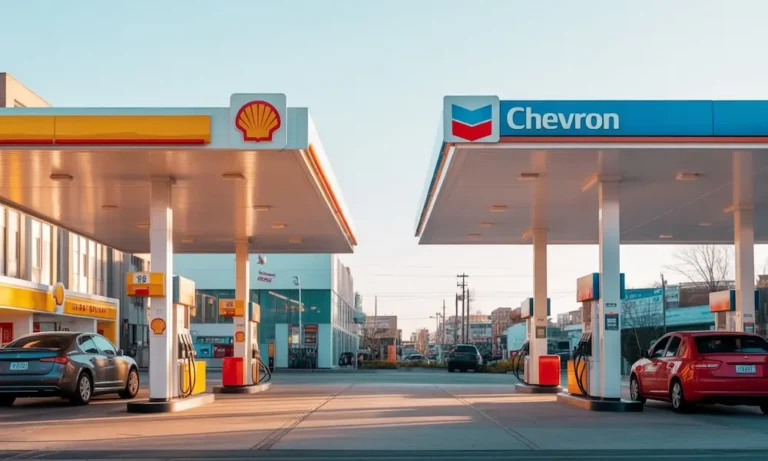
You’ve probably driven past a Chevron station and wondered if their gas is worth the extra few cents per gallon. It’s a fair question—especially when your wallet’s already feeling the pinch at the pump. Here’s the thing: not all gasoline is created equal, and the answer might surprise you. Let’s break down what actually makes fuel “good” and whether Chevron lives up to its reputation.
What Actually Makes Gasoline “Good”?
Most people think octane rating is the magic quality indicator. It’s not.
Higher octane doesn’t mean cleaner fuel or better performance for most cars. Octane measures one thing: resistance to engine knock. If your car’s manual says use 87 octane, pumping 93 won’t give you extra power or better mileage. You’re just burning money.
The real quality difference? Detergent additives.
These chemicals keep your engine clean by preventing carbon buildup on fuel injectors, intake valves, and combustion chambers. Think of them like toothpaste for your engine—skip them long enough, and you’ll have problems.
The Minimum Standard vs. The Gold Standard
Back in 1996, the EPA established a baseline requirement called Lowest Additive Concentration (LAC). Every gas station in America has to meet this minimum, as outlined in 40 CFR Part 1090. But here’s the kicker: automakers quickly realized this minimum wasn’t enough.
Car manufacturers watched engines develop deposits even with EPA-compliant fuel. So in 2004, seven major brands—BMW, GM, Ford, Honda, Toyota, and Volkswagen/Audi—created their own stricter standard: Top Tier Detergent Gasoline.
Top Tier isn’t about detergent concentration. It’s about proven performance. Brands can’t just add more chemicals and slap on a label. They must submit their fuel for independent testing to prove it actually prevents deposit buildup.
Why Is Chevron Gas Good? The Techron Factor
Here’s where Chevron separates itself from generic stations.
What’s Actually in Techron?
Chevron’s been putting Techron in all their gas since 1995. The secret weapon? Polyether Amine (PEA).
PEA is a nitrogen-based detergent that survives the extreme heat inside your combustion chamber. Most cheaper additives break down before they can do their job. PEA stays stable at high temperatures, which means it can dissolve baked-on carbon deposits while preventing new ones from forming.
The full Techron formula contains 20-49% PEA by weight, blended with carrier fluids that deliver it throughout your fuel system. It’s not marketing fluff—it’s chemistry that works.
Chevron’s Top Tier Certification
Is Chevron gas good enough to meet automaker standards? Absolutely.
Chevron is an officially licensed Top Tier retailer. This means their fuel has passed rigorous independent engine tests proving it:
- Controls deposits on intake valves
- Keeps fuel injectors clean
- Prevents combustion chamber buildup
- Stops intake valve sticking
You’re not taking Chevron’s word for it. You’re trusting the same engineers who designed your car’s engine.
The Science Behind the Claims
A 2016 AAA study settled the debate about whether premium additives actually matter. Researchers ran engines through simulated 4,000-mile tests comparing Top Tier fuels against non-Top Tier brands that still met EPA minimums.
The results? Non-Top Tier gasolines created 19 times more carbon deposits.
We’re talking 660.6 mg of deposits per intake valve versus just 34.1 mg with Top Tier fuel. AAA—a completely impartial consumer group—concluded that Top Tier gasolines keep engines “remarkably cleaner.”
Even better: switching to Top Tier fuel can clean up existing deposits. If your car’s idling rough or hesitating, lower-quality fuel might be the culprit.
Pump Gas vs. Bottled Additive: Understanding the Difference
Chevron sells Techron in two forms, and mixing them up costs people money.
Chevron with Techron (at the pump) contains a maintenance dose. It’s designed for continuous use to prevent deposits from forming in the first place. Fill up regularly at Chevron, and your engine stays clean.
Techron Concentrate Plus (the bottle) packs up to 10 times more cleaning power. This is your “deep clean” solution for removing deposits that cheaper gas left behind. You don’t need this every tank—just periodically to fix existing problems.
Using the bottled version constantly is overkill. Using it once when switching from cheap gas to Chevron? Smart move.
What Mechanics and Experts Actually Say
Let’s cut through the marketing and look at real-world opinions.
A retired Dow scientist who helped develop PEA-based additives said simply: “It’s legit.” Mechanics routinely recommend PEA-based cleaners for preventative maintenance—they’ve seen the difference firsthand.
Independent testing backs this up. The YouTube channel ChrisFix used a borescope camera to inspect engine internals before and after using Techron Concentrate Plus. The visual evidence showed real cleaning happening. The video noted Techron “performed similarly to Gumout”—which is also PEA-based, confirming the chemical class works.
The Motor Oil Geek, a certified lubrication specialist, directly connects Techron’s effectiveness to that “19X difference in deposits” from the AAA study. When independent experts and controlled testing align, you know you’re dealing with facts, not hype.
How Does Chevron Compare to Other Top Tier Brands?
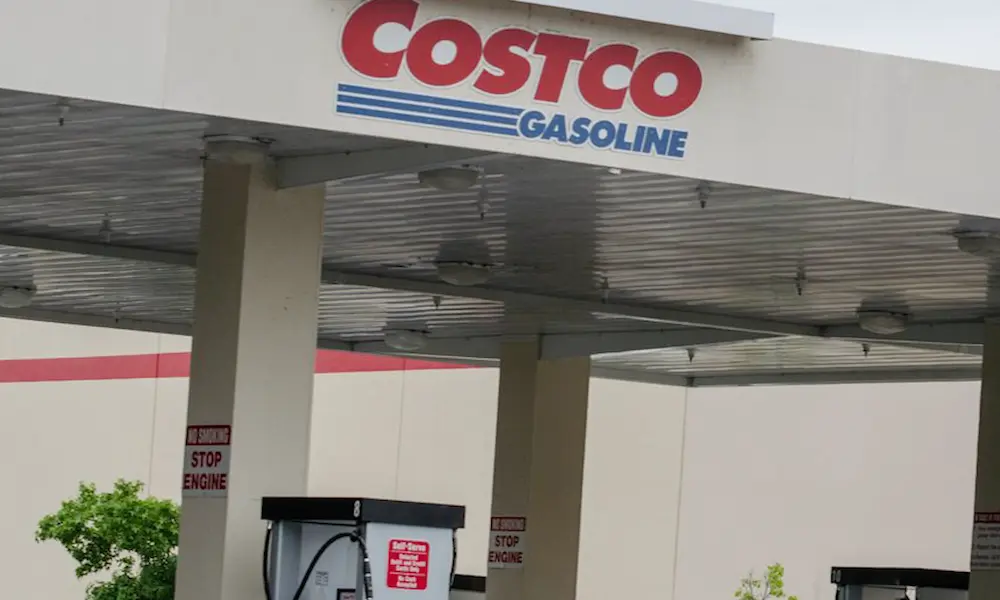
Is Chevron gas good compared to Shell, Costco, or other Top Tier stations? Here’s the honest answer: they’re all excellent.
Top Tier certification means meeting the same performance standard. Whether you choose Chevron’s Techron, Shell’s V-Power NiTRO+, or Costco’s fuel, you’re getting quality detergent additives that protect your engine.
The difference comes down to:
- Convenience: Which station is on your route?
- Price: Top Tier brands vary by location and competition
- Additional additives: Some brands add proprietary ingredients beyond the Top Tier minimum
| Brand | Top Tier Certified | Key Additive | Unique Features |
|---|---|---|---|
| Chevron | Yes | Techron (PEA) | Available since 1995 in all grades |
| Shell | Yes | V-Power NiTRO+ | Friction-reducing formula |
| Costco | Yes | Proprietary blend | Typically lower price |
| ExxonMobil | Yes | Synergy | Seven key ingredients |
| BP/Amoco | Yes | Invigorate | Added corrosion inhibitors |
Bottom line? Don’t stress about finding the “best” Top Tier brand. Focus on avoiding non-Top Tier stations.
When You Can’t Find Chevron: The DIY Solution
What if Chevron doesn’t operate in your area? You can still get Top Tier-quality fuel.
Creating Premium Fuel Yourself
Here’s the workaround: buy regular gas from any clean, high-volume station, then add your own PEA-based cleaner.
Look for these brands:
- Chevron Techron Concentrate Plus: The gold standard, widely available online
- Gumout Regane: Contains PEA, works similarly to Techron
- Red Line SI-1: Professional-grade PEA formula
Avoid products like Seafoam—they don’t contain PEA and won’t give you the same deposit control.
The Right Way to Use Fuel Additives
Don’t dump a bottle in every tank. That’s wasteful.
Use this schedule instead:
- Add one bottle every 3,000-5,000 miles
- Time it with your oil changes for easy tracking
- Always add to a full tank for proper dilution
- Use consistently if you’re buying non-Top Tier gas
This periodic “deep clean” removes deposits that standard additives miss, giving you Top Tier protection without Top Tier prices at every fill-up.
Special Considerations for High-Performance and GDI Engines
Modern engines need better fuel than older designs.
Gasoline Direct Injection Changes Everything
GDI engines spray fuel directly into the combustion chamber, bypassing the intake valves. Sounds efficient, right? It is—but it creates a new problem.
Without fuel washing over the intake valves, carbon builds up faster. Top Tier fuels help, but some GDI engines need the upgraded “Top Tier Plus” specification, which addresses:
- Injector fouling specific to GDI designs
- Low-speed pre-ignition (LSPI), which can destroy engines
- Higher deposit formation rates in direct injection systems
If you drive a newer turbocharged or GDI vehicle, premium detergent additives aren’t optional—they’re insurance against expensive repairs.
What Your Owner’s Manual Really Means
Flip to the fuel section. If it says “Top Tier recommended,” the engineers are telling you something important.
They didn’t write that for fun. They’ve tested their engine with various fuels and know what it needs to hit warranty mileage. Ignoring this recommendation might not void your warranty, but it might cost you thousands in carbon cleaning down the road.
The Real Cost of Cheap Gas
That bargain station charging 20 cents less per gallon looks tempting. Let’s do the math.
Say you save $3 per fill-up by avoiding Top Tier stations. Over a year, that’s maybe $150 saved. Sounds good until you need a fuel system cleaning service at $150-300, or worse—injector replacement at $300-1,500.
The deposits from cheap gas don’t just appear overnight. They accumulate slowly, causing:
- Reduced fuel economy (costing you money at every fill-up)
- Rough idling and hesitation
- Failed emissions tests
- Decreased power and acceleration
- Eventual component failure
One fuel injector replacement wipes out years of “savings” from cheap gas. Is Chevron gas good value? When you factor in long-term costs, absolutely.
What About Octane Ratings at Chevron?
Let’s kill another myth: premium doesn’t mean “better” for most cars.
The 87 vs. 91 vs. 93 Debate
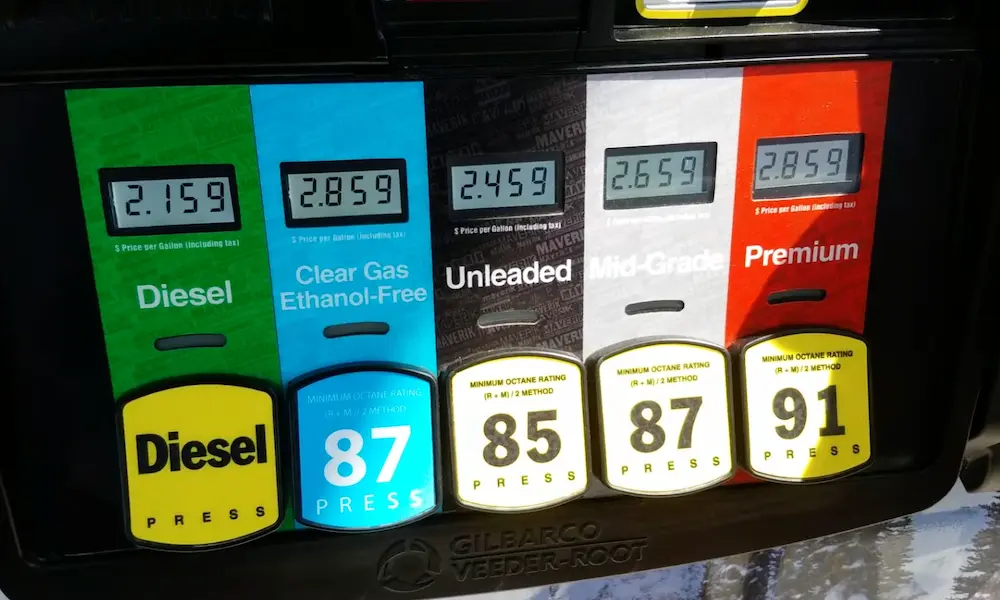
Chevron offers multiple octane grades, all with Techron. Which should you choose?
Use the octane your manual specifies. Period.
If your car requires 87 octane, buying 93 gives you:
- Zero extra power
- Zero extra cleaning (same Techron in all grades)
- Zero better fuel economy
- 100% wasted money
The only exception? If your manual says “premium recommended” (not required), you might see slight performance gains in specific driving conditions. But for daily commuting, regular is fine.
High-performance and turbocharged engines genuinely need premium to prevent knock, which can cause serious damage. For everyone else, save your money.
The 85% Rule
Research shows about 85% of vehicles are designed for regular-grade fuel. Using premium in these cars provides no benefit whatsoever. The detergent package—not the octane number—determines fuel quality.
How Fuel Quality Affects Vehicle Emissions
Here’s something most people miss: cleaner engines produce cleaner emissions.
Carbon deposits throw off your engine’s air-fuel ratio. When the mixture’s wrong, your catalytic converter works overtime trying to clean up the mess. Over time, this excess work destroys the converter—a $1,000+ repair.
Top Tier fuels prevent this cascade of problems. They keep your fuel system clean, which maintains proper combustion, which protects your emissions equipment. The environmental regulations that created minimum additive standards recognized this connection.
If you’ve failed an emissions test, dirty injectors might be the culprit. Running a few tanks of Top Tier fuel or using Techron Concentrate Plus often solves the problem without expensive repairs.
The Truth About Fuel Additives Marketing
Every gas station claims their fuel is special. How do you spot the real deal?
Red Flags vs. Real Quality Indicators
Red flags (marketing fluff):
- Vague claims about “advanced formula”
- Focus on octane as a quality measure
- No mention of Top Tier certification
- Generic “contains additives” statements
Real quality indicators:
- Official Top Tier license (check toptiergas.com)
- Specific detergent chemistry (like PEA)
- Independent test results
- Automaker endorsements
Chevron doesn’t hide behind vague language. They specify Techron contains PEA, they maintain Top Tier certification, and independent testing confirms their claims. That transparency matters.
Making the Smart Choice at the Pump
So, is Chevron gas good? The data says yes—definitively.
You’re getting Top Tier certification, proven PEA-based cleaning technology, and fuel that creates 19 times fewer deposits than minimum-standard gas. That’s not opinion. That’s verified performance.
But here’s the practical takeaway: Chevron isn’t your only good option. Any Top Tier station protects your engine. Choose based on convenience and price among Top Tier brands.
If Top Tier stations aren’t accessible, buy quality bottled additives like Techron Concentrate Plus and use them regularly. You’ll get similar protection at lower cost.
What you should avoid: consistently buying the cheapest gas with no regard for additive quality. Those short-term savings create long-term expenses that’ll make you wish you’d spent the extra dollar per tank.
Your engine doesn’t care about brand loyalty. It cares about chemistry. Feed it clean fuel with proper detergents, and it’ll reward you with reliable performance for years to come.