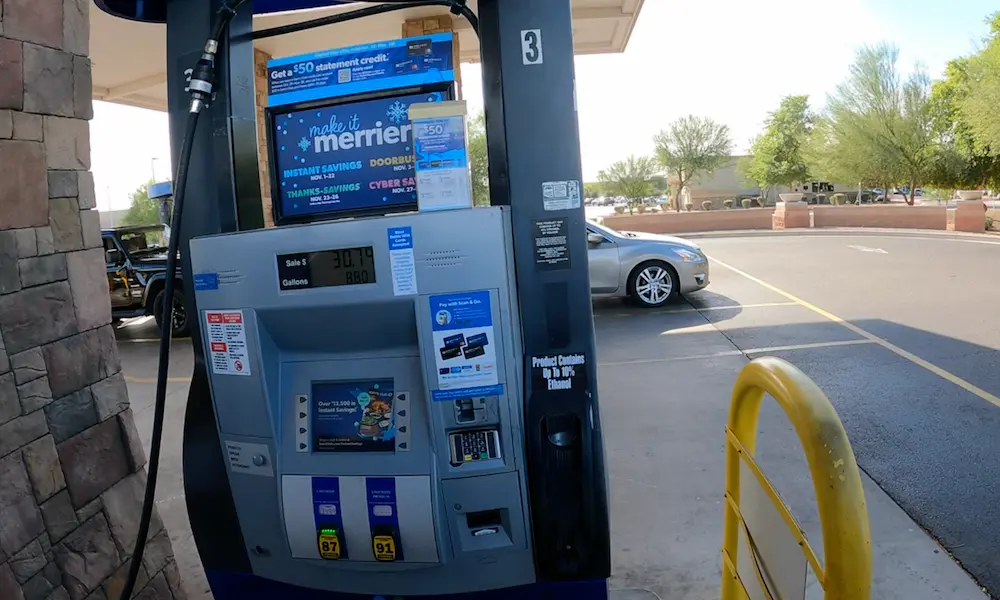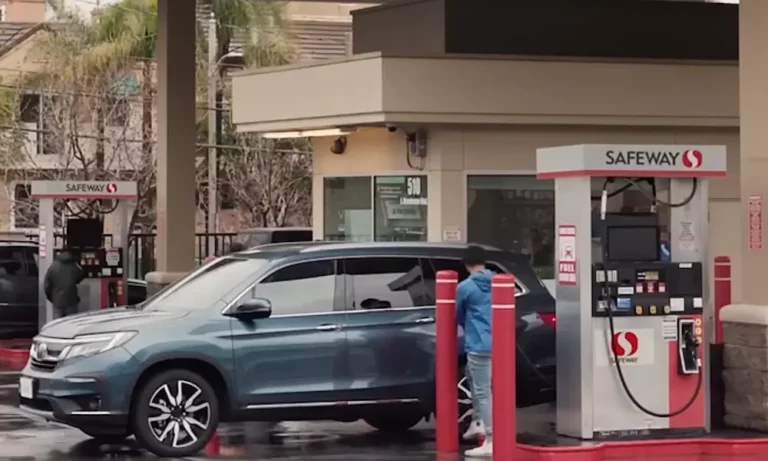
Wondering if that cheaper Safeway pump price is too good to be true? You’re about to find out whether Safeway gas is a smart choice for your wallet and your car—or if you should skip it entirely.
What’s Actually in Safeway Gas?
Let’s cut straight to it: Safeway gas meets all federal EPA standards, so it’s perfectly safe for your car. It won’t blow up your engine or leave you stranded on the highway.
But here’s the catch—”safe” doesn’t mean “best.”
The Alliance of Automobile Manufacturers found Safeway fuel “perfectly acceptable for average commuters.” Translation? It’ll get the job done if you’re driving a regular sedan to work and back.
The Top Tier Problem Nobody Talks About
Safeway gas isn’t Top Tier certified. This matters more than you’d think.
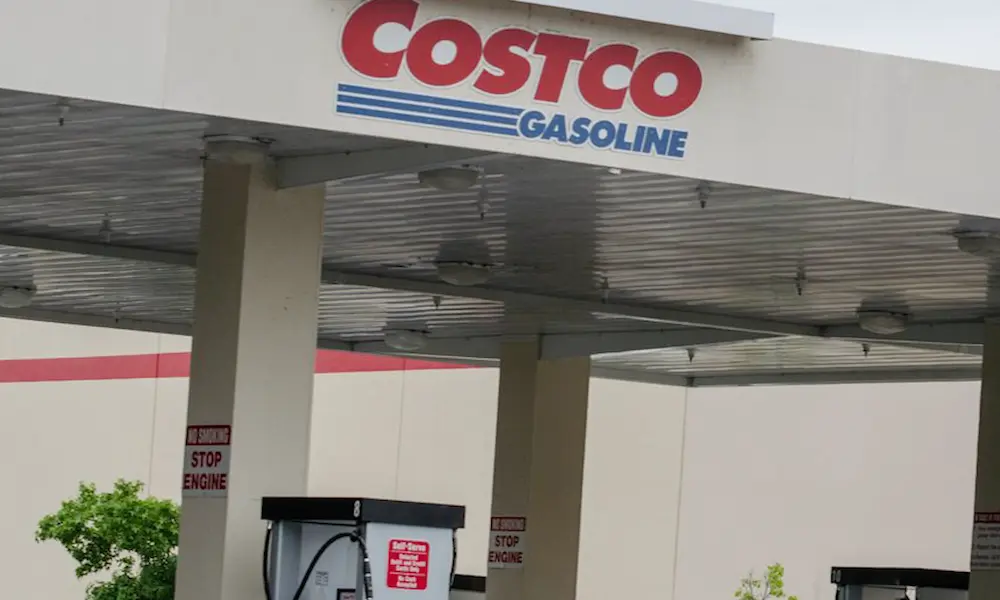
Top Tier gasoline contains extra detergent additives that keep your engine clean. Brands like Shell, Chevron, and even Costco are Top Tier certified. Safeway? Not on the list.
A 2016 AAA study found Top Tier gas produced 19 times fewer intake valve deposits than non-Top Tier options after 5,000 miles. That’s not a small difference—that’s a canyon.
Without these premium detergents, Safeway gas will “allow deposits to build up on your valves” over time. Your engine gets gunky, performance drops, and eventually you’re looking at problems you didn’t budget for.
How All Gas Stations Get Their Fuel
Here’s something that’ll surprise you: most gas starts exactly the same.
All gasoline comes from the same refineries and travels through shared pipelines. The difference happens at the distribution terminal, where each company adds its own additive package.
Safeway buys base gasoline from regional terminals and adds only the minimum detergents required by law. Meanwhile, competitors like Costco have their own additive tanks on-site to blend proprietary Top Tier formulas.
Don’t confuse Safeway supermarkets with “Safeway Oil Company”—a separate Midwest petroleum marketer that distributes branded gas from BP and Shell. The unbranded fuel at Safeway grocery stores isn’t secretly rebranded premium gas.
Does Your Car Actually Care?
This depends entirely on what you’re driving.
High-Performance Vehicles
If you’re driving a turbocharged, high-compression, or performance car (think Subaru WRX, BMW, or any direct-injection engine), you’ll notice the difference immediately.
One WRX owner switched from non-Top Tier to Shell and reported their “idle seemed smoother” and they were “no longer getting ANY knock when engine braking.” Another driver tracked their BMW M3 fuel economy: 22 MPG on Safeway gas versus 24 MPG on Shell.
Do the math on that second example. Paying $4.70/gallon for Safeway (at 22 MPG) versus $4.80/gallon for Shell (at 24 MPG) means Shell was actually cheaper per mile. The “savings” disappeared.
Standard Commuter Cars
If you’re driving a basic Honda Civic or Toyota Camry, you probably won’t feel any difference in the short term. Your engine computer can adjust for minor variations, and deposit buildup happens slowly over years.
But “you won’t notice it” doesn’t mean “it’s not happening.” Those deposits still accumulate—you just won’t realize there’s a problem until much later.
The Safeway Rewards Program: Where Things Get Interesting
Safeway’s real pitch isn’t fuel quality—it’s their “for U” rewards program.
Here’s how it works:
Earning Points
- 1 point per $1 spent on groceries
- 1 point per $1 spent on pharmacy purchases
- 2 points per $1 spent on gift cards
Redeeming Points
- 100 points = 10¢ off per gallon
- Maximum: 1,000 points = $1.00 off per gallon
That 2x multiplier on gift cards is the secret sauce. Buy $500 in Amazon or Visa gift cards you were planning to use anyway, earn 1,000 points, and score $1 off per gallon. On a 25-gallon fill-up, that’s $25 in savings—a 5% return.
Not bad, right?
The Fine Print That Kills the Deal
Points expire after two calendar months. If you earn points in April, they’re gone by the end of May.
Partner stations (like Sunoco in the Mid-Atlantic or Chevron/Texaco elsewhere) cap your discount at 20¢ per gallon, even if you have 1,000 points. The full $1/gallon discount only works at Safeway-branded stations.
The discount applies to one fill-up, maximum 25 gallons.
The Real Math: Is It Worth It?
Let’s break down what you’re actually getting:
| Points | Discount/Gal | Grocery Spend Needed | Gift Card Spend Needed | Savings (25 gal) |
|---|---|---|---|---|
| 100 | 10¢ | $100 | $50 | $2.50 |
| 500 | 50¢ | $500 | $250 | $12.50 |
| 1,000 | $1.00 | $1,000 | $500 | $25.00 |
To max out rewards through groceries alone, you’d need to spend $1,000 in two months. That’s $6,000 annually—more than most families spend.
The gift card strategy makes this viable. But you need to be organized enough to pre-buy gift cards for purchases you’d make anyway, track expiration dates, and actually redeem before points expire.
Chicago Drivers: Stop Right Here
If you shop at Jewel-Osco in the Chicago area, this section is critical.
The Jewel-Osco “for U” program looks identical to Safeway’s. You earn points. You see the same marketing materials. There’s even an old 2012 press release about a Shell partnership.
None of that matters.
Buried in the current program terms is this sentence: “Gas rewards are not available in the Jewel-Osco market area.”
Chicago-area Jewel-Osco shoppers get zero fuel discounts. Your points only work for grocery rewards or automatic checkout discounts.
This creates the worst possible situation: you’re buying non-Top Tier fuel with no economic benefit. You get all the downsides (lower quality) with none of the upsides (rewards savings).
If you’re in Chicago, skip Jewel-Osco gas entirely. Costco offers Top Tier certified gas at competitive prices—it’s objectively better.
Safeway vs. Costco: The Real Showdown
Let’s compare apples to apples.
Costco Advantages:
- Top Tier certified fuel
- Often cheaper than Safeway’s base price
- No point tracking or expiration dates
- Consistent quality across all locations
Safeway Advantages:
- Potential for deeper discounts if you maximize rewards
- Don’t need a membership (Costco charges $60-$120/year)
- More convenient locations in some areas
If you already have a Costco membership and don’t spend heavily at Safeway, Costco wins on both quality and price. It’s not even close.
Safeway only makes sense if you’re a loyalty program power-user who strategically games the gift card system.
Should You Use Safeway Gas?
Here’s your answer based on what you drive and where you live:
Use Safeway Gas If:
You drive a standard commuter car AND you regularly spend $500+ at Safeway (or buy gift cards strategically) AND you’re disciplined about tracking point expiration. The $1/gallon discount can make it the cheapest option available, and your basic engine will tolerate the lower detergency.
Skip Safeway Gas If:
You drive a performance, turbocharged, or high-compression engine. Your car needs the extra detergents Top Tier brands provide. The potential savings aren’t worth the risk of carbon buildup and reduced performance.
You live in the Chicago/Jewel-Osco market. You get non-Top Tier fuel with literally zero rewards benefit. Go to Costco instead.
You don’t actively use the rewards program. Without the discount, you’re just buying lower-quality gas at average prices. You can get better quality elsewhere for the same money.
You have a Costco membership and don’t shop at Safeway regularly. Costco gives you Top Tier quality at competitive prices without the rewards gymnastics.
The Bottom Line
Is Safeway gas good? It’s safe and legal, but it’s not high-quality.
The answer depends almost entirely on economics, not the fuel itself. If you’re willing to work the rewards system and you drive a basic car, you can score genuine savings. If you value simplicity, quality, or drive anything performance-oriented, spend your money elsewhere.
One thing’s certain: the cheapest price at the pump isn’t always the cheapest price per mile.