You’re standing at the pump, wallet in hand, eyeing that lower price per gallon at Speedway. Before you squeeze the trigger, you’ll want to read this. What seems like a deal might actually cost you more in the long run—and we’ve got the data to prove it.
What Makes Gas “Good” Anyway?
Let’s cut through the marketing speak. Good gas isn’t just about what comes out of the ground—it’s about what gets added before it hits your tank.
The gold standard is TOP TIER™ certification. This isn’t some marketing gimmick. It’s an engineering standard created by automakers like GM, Honda, Toyota, and BMW because they found that the EPA’s minimum requirements weren’t cutting it for modern engines.
TOP TIER™ gas contains higher levels of detergent additives. These additives keep your engine clean by preventing carbon buildup on fuel injectors, intake valves, and combustion chambers. Think of it like the difference between brushing your teeth daily versus once a week—same basic action, very different results.
The Speedway Story: What Changed After 2021
Here’s where it gets interesting. Speedway used to be a TOP TIER™ brand when Marathon Petroleum owned it. All their retail locations met those quality standards.
Then 7-Eleven bought Speedway in May 2021 for $21 billion. Since then? The quality standards took a nosedive.
Speedway’s own website now states: “At this time, Speedway does not offer Top Tier fuel”. They’re quick to add that their gas meets all federal regulations—but that’s like saying a restaurant meets health codes. It’s the bare minimum, not a selling point.
You can verify this yourself. Check the official TOP TIER™ licensed retailers list—Speedway isn’t on it.
Is Speedway Gas Good? The Numbers Don’t Lie
Short answer: No. Let’s look at what happens when you consistently use non-TOP TIER™ gas like Speedway’s.
The AAA Study That Settled the Debate
In 2016, AAA commissioned independent lab testing that compared TOP TIER™ and non-TOP TIER™ fuels. The results were stark.
Non-TOP TIER™ gasolines created 19 times more carbon deposits on intake valves after just 4,000 miles. That’s not a typo—nineteen times more buildup.
What does that mean for your wallet? This carbon accumulation leads to:
- 2% to 4% reduction in fuel economy
- Increased emissions
- Rough idling and acceleration hesitation
- Long-term engine performance issues
The Math That Matters
Speedway markets itself on “competitive prices”. Let’s see if that holds up.
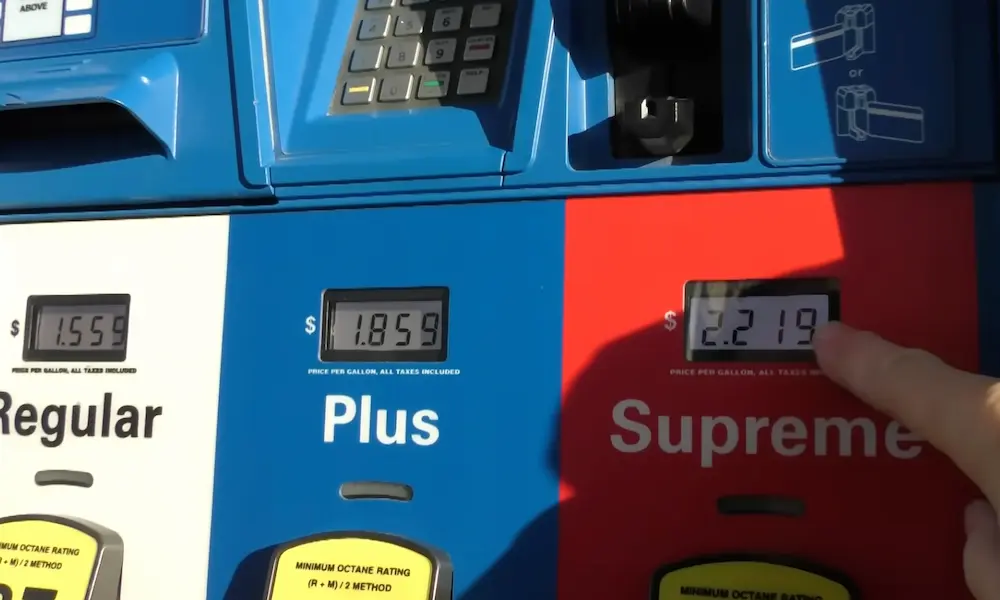
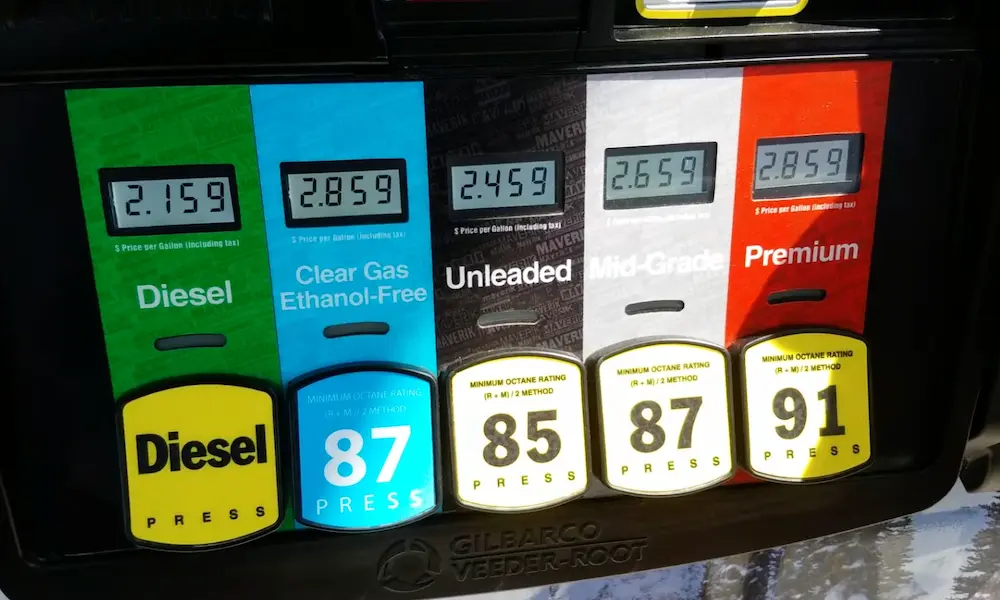
TOP TIER™ gas costs about three cents more per gallon on average. Seems like Speedway wins, right?
Not so fast. That 2% to 4% fuel economy hit changes everything.
If gas costs $3.50 per gallon:
- A 2% efficiency loss costs you $0.07 per gallon
- A 4% efficiency loss costs you $0.14 per gallon
You’re “saving” three cents but losing seven to fourteen cents in efficiency. That’s a net loss of four to eleven cents per gallon—and we haven’t even factored in potential engine repairs down the road.
The “Marathon Connection” Myth
Many people think Speedway sells Marathon gas because Marathon still supplies them fuel under a 15-year agreement worth 7.7 billion gallons annually.
Here’s what actually happens. All gasoline starts as “base fuel” at refineries. The brand identity comes from the additive package mixed in at distribution terminals. Marathon supplies Speedway with base fuel, but Speedway adds their own cheaper, non-certified additives.
So no, you’re not getting Marathon’s TOP TIER™ formula. You’re getting Marathon base fuel plus Speedway’s budget additive package—a completely different chemical product.
Beyond Poor Quality: Active Safety Concerns
The carbon buildup issue is chronic—it happens slowly over time. But Speedway faces more immediate problems that should concern any driver.
The Premium Fuel Lawsuit
Speedway is currently defending a federal class-action lawsuit that alleges they’re ripping off premium customers.
The claim: Speedway’s single-nozzle dispensers retain leftover fuel in the hose. When you buy premium after someone pumped regular, you get up to one-third of a gallon of 87-octane gas—but pay the premium price for all of it.
This isn’t just about money. Modern turbocharged engines require premium fuel. Using lower octane than specified can cause serious engine damage.
Documented Contamination Incidents
Multiple stations have sold contaminated fuel with catastrophic results:
Bloomington, Indiana (December 2023): Numerous customers reported immediate vehicle breakdowns after filling up. One repair shop found fuel that was “90 percent water.” Speedway never publicly addressed the incident.
New Mexico (2013): A customer’s truck died after filling up at Speedway. The mechanic’s diagnosis? The station had diesel in all the gas pumps.
The Better Business Bureau shows 167 complaints filed against Speedway in the last three years. That’s a pattern, not isolated incidents.
Real Drivers, Real Problems
User reports back up the technical data. One WRX owner on Reddit shared their experience: after filling up with Speedway premium, their engine started sputtering with misfire codes. The problem? Carbon deposits from low-quality fuel.
Since the 7-Eleven takeover, customers have noticed widespread quality decline. Stores are dirtier, less well-stocked, and service has tanked. It’s part of a corporate-wide shift prioritizing margins over quality.
Who’s Most at Risk?
Not all cars react to fuel quality the same way. Here’s your risk breakdown:
Older vehicles (pre-2010): You’ll notice the efficiency loss, but older engines are more forgiving of deposits.
Modern direct injection engines: These are highly sensitive to carbon buildup. The AAA study specifically tested GDI engines because they’re most vulnerable to deposit-related performance issues.
Turbocharged vehicles: Don’t even think about it. Turbo engines run hotter and tighter tolerances. They need the cleaning power of TOP TIER™ additives.
High-performance cars: If your car requires premium fuel, the alleged “cutting” of premium with regular at Speedway stations represents an unacceptable risk of engine damage.
The Better Alternatives
You don’t have to drive across town or pay significantly more. Plenty of convenient options offer TOP TIER™ certified fuel at competitive prices.
Major chains with TOP TIER™ certification include:
- Shell
- Chevron
- Mobil
- Marathon (at Marathon-branded stations)
- BP/Amoco
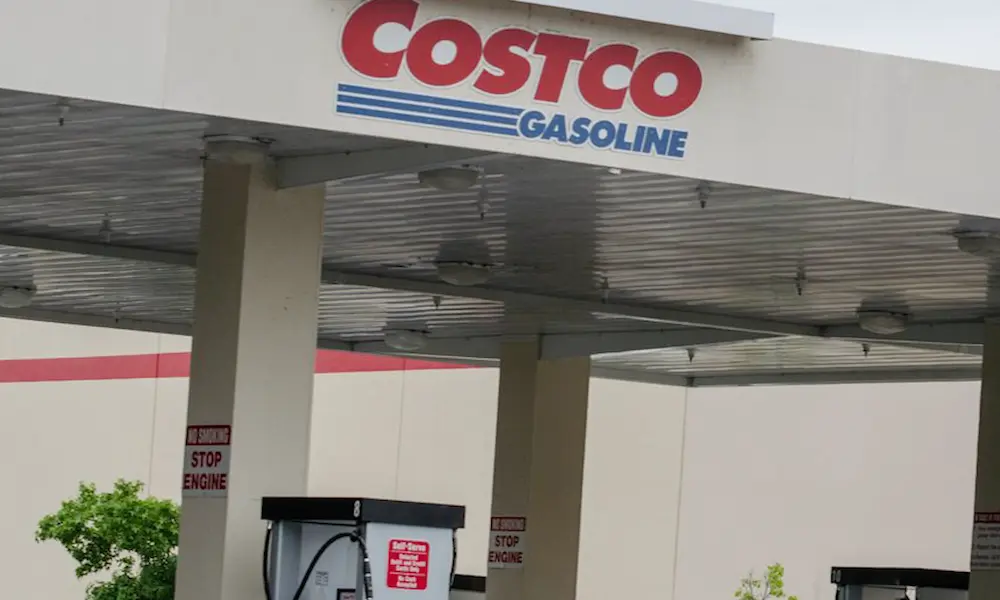
- Costco
- Sam’s Club
That last point is worth noting—warehouse clubs like Costco offer TOP TIER™ fuel often at prices lower than Speedway. You get better quality for less money.
What Speedway Gets Right
In fairness, Speedway does meet federal and state regulations. Their fuel won’t void your warranty or cause immediate harm in most vehicles. The approximately 2,995 locations across 36 states offer unmatched convenience in many areas.
If you’re in an emergency—fuel light’s on and Speedway is the only station for miles—fill up. One tank won’t ruin your engine.
But as your regular choice? The data says no.
Understanding the Risk Profile
Let’s break down what you’re actually risking when you choose Speedway:
Chronic Risk: Every fill-up adds carbon deposits at 19 times the rate of TOP TIER™ fuel. This gradually reduces efficiency, increases emissions, and degrades performance.
Systemic Risk: The ongoing litigation suggests you might not be getting what you pay for, especially with premium grades.
Acute Risk: Documented contamination events show quality control failures that can destroy your engine in a single fill-up.
Compare this to TOP TIER™ stations, where automakers have tested and approved the additive packages specifically to protect your engine.
The Bottom Line on Speedway Gas Quality
Is Speedway gas good? By every technical measure that matters, no.
It’s not TOP TIER™ certified. It creates significantly more engine deposits. The apparent price savings evaporate when you factor in lost fuel economy. And the brand carries documented risks that TOP TIER™ competitors don’t.
The degradation traces directly to 7-Eleven’s 2021 acquisition. What was once a quality brand has become a case study in cutting corners to boost margins.
You deserve better than the bare minimum. Your engine deserves better than the bare minimum. And honestly, your wallet deserves better than a false economy that costs more in the long run.
Next time you’re at the pump, skip Speedway. Drive an extra minute to a TOP TIER™ station. Your car will thank you, your fuel economy will prove it, and you’ll avoid joining the growing list of customers with horror stories about contaminated fuel or mystery engine problems.
The three-cent savings isn’t worth it. Not even close.