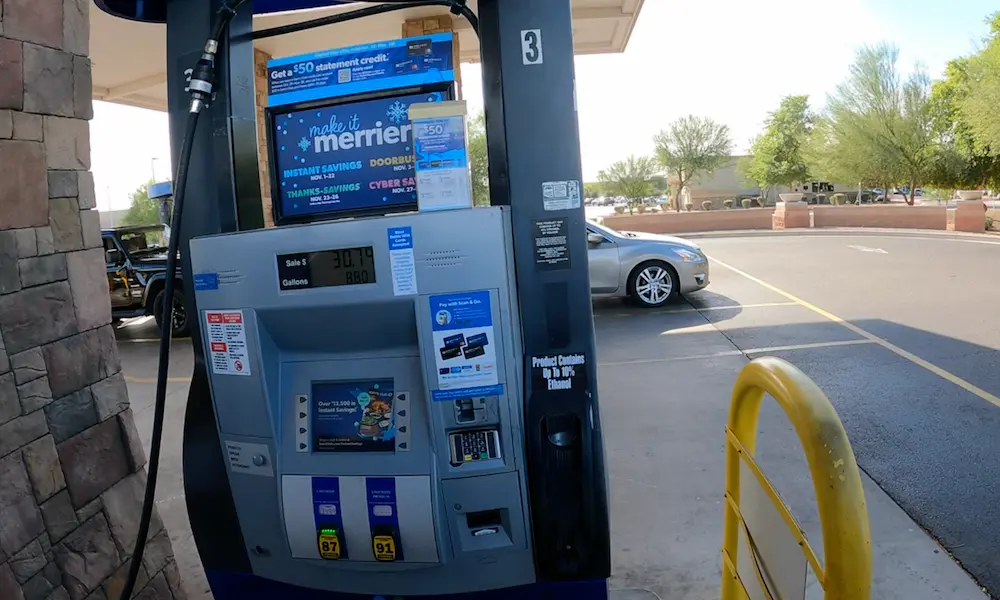
You’re standing at the pump, wallet in hand, wondering if BP gas is worth your money. It’s a fair question—especially since you’ve heard conflicting things about fuel quality. Here’s the truth: BP gas is good, but there’s a catch that could affect your wallet and your engine’s health. Let’s break down what you’re actually getting.
The Real Story Behind BP’s Fuel Quality
BP sells high-quality gasoline. Their proprietary additive package—called “Invigorate” in North America and “ACTIVE technology” globally—does exactly what it promises: cleans your engine and prevents deposit buildup.
But here’s where it gets interesting.
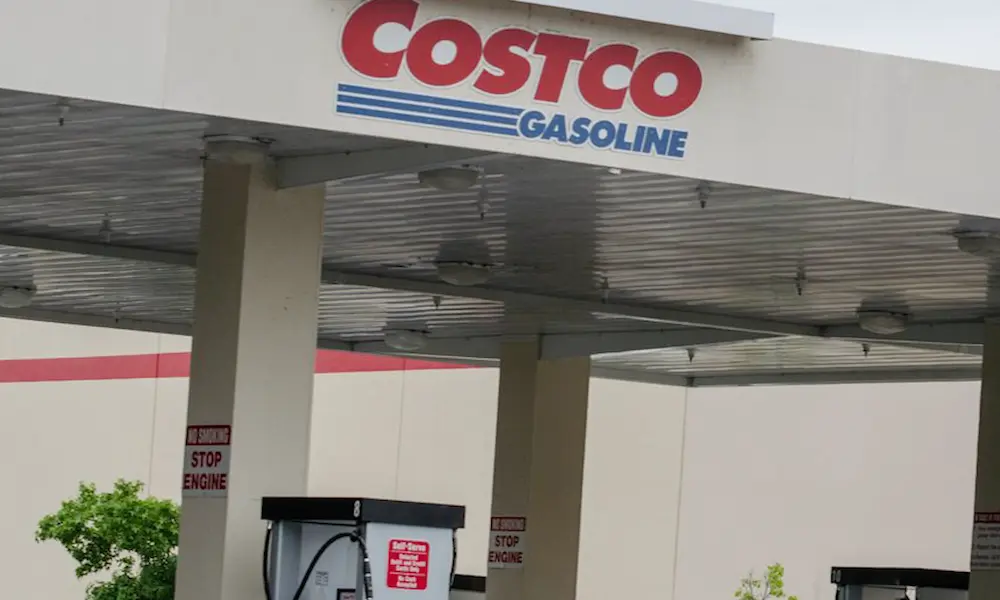
BP isn’t on the TOP TIER certified gasoline list. That’s the gold-standard program backed by automakers like Toyota, GM, and Mercedes-Benz. Shell, Chevron, Costco, and Exxon are all certified. BP isn’t.
Does this mean BP gas is inferior? Not exactly. BP claims their fuel “exceeds TOP TIER detergent requirements.” They just don’t pay for the certification. It’s like having a college degree but refusing to frame it—you’ve got the credentials, but no one can verify them independently.
The real kicker? BP doesn’t distribute its additives equally across all fuel grades. Their premium “Ultimate” fuel gets the highest concentration of cleaning agents, while regular 87-octane gets the baseline dose. TOP TIER brands must put the same high-detergency formula in all grades, including their cheapest option.
What Makes BP’s Fuel Different From Regular Gas
All gasoline starts pretty similar. It often travels through the same pipelines, mixing together from different refiners. What separates BP from no-name stations is what happens at the distribution terminal—that’s where BP adds its proprietary Invigorate formula.
The Science Behind Invigorate Technology
BP’s additive works on two levels:
Active Cleaning: Special molecules attach to existing deposits on fuel injectors and intake valves, pulling them away from metal surfaces. These particles then burn safely during combustion.
Protective Barrier: Those same molecules coat clean engine parts, creating a shield that prevents future buildup.
BP developed this technology at their R&D centers in the UK and Germany. They used microscopic imaging and real-time combustion analysis to understand how deposits form in modern engines—particularly in gasoline direct injection (GDI) systems.
Here’s something most people don’t realize: in older port fuel injection engines, gasoline constantly washes over intake valves, so fuel additives can clean them. In newer GDI engines (common in turbocharged cars), fuel never touches the intake valves. The additives work differently—they keep fuel injector tips clean and prevent carbon buildup on piston tops.
What BP Promises (And What That Actually Means)
BP makes some bold claims:
- “Up to 300 miles farther per year” with Ultimate fuel
- “10 times better protection against intake valve deposits”
- Enhanced sludge protection
The fine print matters here. These benefits require “continuous use” and are measured against “minimum-detergency fuels”—the absolute lowest legal standard set by the EPA. That’s a pretty low bar.
Independent testing by AAA found that TOP TIER fuels create 19 times fewer deposits than minimum-detergency gas. BP’s own marketing claims only 10x protection. That’s still good, but it’s not the superiority their marketing suggests.
The TOP TIER Controversy: Why It Matters
The TOP TIER program exists because automakers found the EPA’s minimum detergent requirements weren’t enough. Modern engines were developing deposits that reduced fuel economy and increased emissions.
TOP TIER certification requires:
- Higher detergent concentrations than EPA minimums
- The same formula in all octane grades (87, 89, 91/93)
- Independent lab verification
- Annual licensing fees
BP dropped out. They won’t say it’s about money, but industry insiders believe BP decided their brand recognition was strong enough that they didn’t need to pay the licensing fees.
The problem? You’re now trusting BP’s self-certified claims instead of independent verification. At a Shell or Costco station, you see the TOP TIER logo—that’s third-party proof. At BP, you’re taking their word for it.
How BP’s Different Fuel Grades Compare
This is where BP’s strategy gets controversial. They don’t treat all grades equally.
BP’s Three-Tier System
| Grade | Octane | Additive Level | Who It’s For |
|---|---|---|---|
| BP Regular | 87 | Standard dose | Economy cars, older vehicles |
| BP Silver | 89 | Higher concentration | Drivers wanting extra protection |
| Amoco Ultimate | 91-93 | Highest concentration | High-performance engines, maximum cleaning |
Compare this to TOP TIER brands: their 87-octane regular contains the same high concentration of additives as their premium fuel. You get maximum engine protection regardless of which grade you choose.
With BP, you’re paying a premium for cleaning power. If you drive a regular Honda Civic that only needs 87 octane, BP’s Regular gives you the lowest additive dose they offer. The same car filled at Costco or Shell gets the full-strength formula—even in the cheapest grade.
The Octane vs. Detergent Confusion
Let’s clear up a common misconception: octane and detergency are completely different.
Octane rating measures a fuel’s resistance to engine knock. Higher octane doesn’t mean “better” unless your engine specifically requires it. Using premium 93-octane in a car designed for 87 doesn’t improve performance or fuel economy—it’s just wasted money.
Detergency measures cleaning power. This affects every engine, regardless of octane requirements.
BP links its highest detergent levels to its highest octane grades. So if you want maximum cleaning power but don’t need premium octane, you’re stuck paying $0.60+ more per gallon for an octane boost you can’t use.
BP Ultimate: Is the Premium Worth It?
BP Ultimate (and its global equivalents) is BP’s flagship product. It delivers two distinct benefits:
For high-performance vehicles: If you drive a turbocharged car, luxury sedan, or sports car that requires 91+ octane, Ultimate is an excellent choice. You’re getting the octane you need plus the maximum dose of cleaning additives. It’s legitimately premium fuel.
For regular 87 vehicles: Here’s where it gets tricky. Some people buy Ultimate in their regular cars just for the extra detergents. That’s an expensive way to clean your engine—you’re paying for octane you don’t need.
A smarter strategy? Use BP Regular for daily driving, then run a tank of Ultimate every 3,000-5,000 miles. This “shock dose” of high-concentration additives will clean up any deposits without the constant premium price.
Or switch to a TOP TIER brand’s regular 87-octane and get high-detergency fuel at regular prices every time.
BP Gas vs. The Competition
Without independent head-to-head testing, we can’t definitively rank BP against Shell V-Power, Chevron Techron, or Exxon Synergy. They’re all high-quality fuels with proprietary formulas.
Key Differences
Chevron Techron: Confirmed to use polyether amine (PEA), the most aggressive deposit-cleaning additive. It’s the benchmark others try to match.
Shell V-Power: Markets additional friction modifiers and corrosion inhibitors beyond standard detergents.
BP Invigorate: Emphasizes sludge protection alongside standard cleaning claims.
The real differentiator isn’t chemistry—it’s philosophy. TOP TIER brands guarantee their best formula in all grades. BP reserves its best formula for customers willing to pay premium prices.
What Drivers Actually Experience
Online forums reveal mixed experiences. Some drivers notice no difference between BP and competitors. Others swear by specific brands for their modified or tuned vehicles.
The truth? For most drivers in stock vehicles doing regular commuting, you won’t feel a dramatic difference between quality brands. The benefits accumulate over tens of thousands of miles as deposit prevention, not immediate performance gains.
You will notice the difference between any quality brand (BP included) and no-name, minimum-detergency gas. That comparison shows up as rough idling, reduced fuel economy, and eventual engine performance issues.
The Bottom Line: Should You Use BP Gas?
Here’s your action plan based on what you drive:
If you drive a high-performance vehicle requiring premium fuel: BP Ultimate is a solid choice. You’re getting exactly what you need—high octane with strong detergent protection. It competes directly with Shell V-Power and Chevron 94.
If you drive a regular car (87 octane): BP Regular is decent, but you’d likely get better long-term engine protection from 87-octane at a TOP TIER certified station. Costco, Shell, Chevron, Exxon, and QuikTrip all guarantee their maximum additive package in regular grade.
If BP is your only convenient option: It’s still quality fuel—better than bargain-brand gas. Consider the periodic Ultimate “cleaning dose” strategy to maximize protection without constant premium pricing.
If you’re on a tight budget: Don’t stress about brands. Any major-brand gasoline (BP, Shell, Exxon) is vastly better than sketchy off-brand stations. The difference between BP Regular and Shell Regular is smaller than the difference between either and Joe’s Discount Gas.
The real lesson? BP gas is good—sometimes very good. But “good” comes with a price tag that varies by grade, and you’re trusting BP’s word rather than independent certification. For some drivers, that’s fine. For others, the guaranteed consistency of a TOP TIER brand offers more peace of mind at the same price point.
Your engine won’t explode from BP gas. But it might run cleaner, longer on a certified alternative—especially if you’re filling up with regular 87.