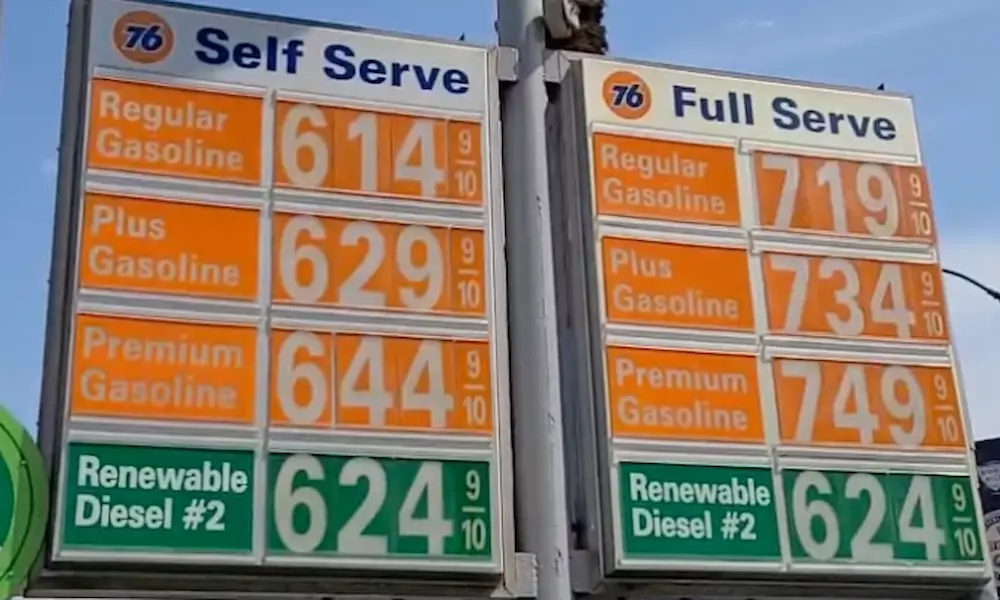
You’re staring at two gas stations. Walmart’s price is tempting—sometimes 5 to 10 cents cheaper per gallon. But there’s that nagging question: will this “cheap” gas mess up your engine? Let’s cut through the myths and look at what actually matters when you’re deciding where to fuel up.
What Makes Gasoline “Good” or “Bad”?
Here’s the thing most people don’t know: there’s a difference between gas that’s legal and gas that’s optimal.
All gasoline sold in the U.S. must meet EPA minimum standards. That’s the baseline—the absolute lowest bar for fuel quality. Every gas station, including Walmart, clears this hurdle. So yes, Walmart gas won’t immediately destroy your engine.
But “won’t destroy your engine” isn’t exactly a ringing endorsement, right?
The real quality benchmark is something called Top Tier gasoline. This isn’t a marketing gimmick dreamed up by oil companies. It’s a voluntary performance standard created by automakers like BMW, Honda, Toyota, GM, and Ford. These are the engineers who actually designed your vehicle’s engine.
Why did they create this standard? Because they found the EPA’s minimum detergent requirement—set way back in 1996—wasn’t cutting it for modern engines. Today’s turbocharged and direct-injection engines need more protection from carbon deposits. Top Tier gas delivers that through significantly higher levels of detergent additives in all grades: regular, mid-grade, and premium.
Think of it this way: EPA standards are like getting a D- in school. You technically passed, but nobody’s proud of it.
Walmart’s Official Fuel Quality Status
Let’s answer the big question directly: Walmart is not a Top Tier gasoline retailer.
You can check the official Top Tier licensed brands list yourself. Walmart’s “Fuel and Convenience” stations aren’t on it. Neither is Sam’s Club, Walmart’s warehouse sibling.
This isn’t an accident or oversight. Walmart made a deliberate business choice. The company’s entire identity is built on having the lowest prices. To keep pump prices rock-bottom, they skip the enhanced additive package that Top Tier certification requires. They also avoid the licensing fees.
It’s a calculated trade-off: sacrifice fuel quality to win the price war.
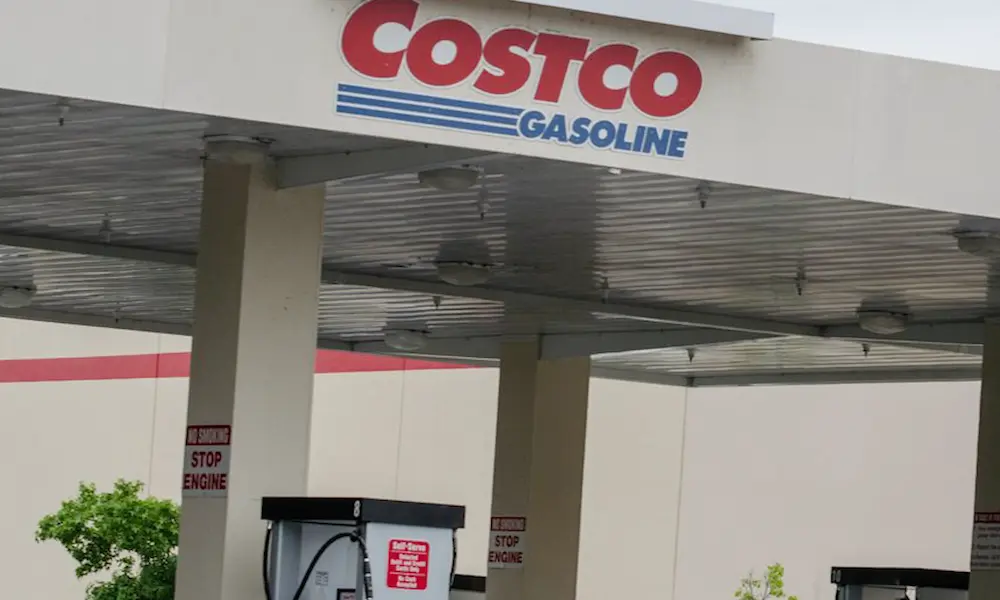
Here’s what makes this strategy questionable: Costco proves you don’t have to choose. Costco is a Top Tier certified retailer. It’s also a high-volume, low-price warehouse competitor—just like Walmart. Yet Costco sells Top Tier certified Kirkland Signature gasoline while still maintaining competitive prices.
If Costco can do both, Walmart’s “we have to cut quality to cut prices” argument falls apart.
The “All Gas Comes From the Same Place” Myth
You’ve probably heard someone say, “All gas comes from the same pipeline, so brand doesn’t matter.”
That’s a half-truth, and the half that’s missing is crucial.
Yes, the base gasoline—the actual fuel—often comes from the same regional terminals. A tanker truck pulling up to a Shell station and one heading to Walmart might fill up at the same depot. But here’s where things diverge.
The brand and quality of your gas are determined by what happens at the loading rack. Before the tanker leaves the terminal, it gets dosed with a proprietary additive package. This package is mixed into the base gas.
- Top Tier brands (Shell, Mobil, Chevron, Costco): Get the base gas plus a premium, Top Tier-certified detergent cocktail
- Non-Top Tier brands (Walmart, many unbranded stations): Get the same base gas plus only the bare-minimum EPA-required detergents
So when someone says “it’s all the same gas,” they’re technically right about the fuel itself. But they’re completely wrong about what matters: the additives that keep your engine clean.
Walmart sources fuel on the open wholesale market as an unbranded retailer. They’re not adding the good stuff.
What About Murphy USA Gas Stations?
If you’ve filled up at Walmart, you might’ve actually been at a Murphy USA station. This confuses a lot of people, so let’s clear it up.
From 1996 to 2016, Walmart partnered with Murphy USA. Murphy built and operated gas stations in Walmart parking lots. If you fueled up at a Walmart location during those 20 years, you were buying Murphy USA gas.
That partnership ended in 2016. Walmart decided to cut out the middleman and operate its own proprietary “Walmart Fuel and Convenience” stations.
Today, the situation is messy:
- Murphy USA still operates 1,100+ legacy stations, many in Walmart parking lots
- Walmart is aggressively building its own branded stations (450+ planned for 2025)
- In some markets, they’re now direct competitors
Does this distinction matter for fuel quality? Nope. Check the Top Tier list—Murphy USA isn’t on it either. Whether you’re at a Murphy USA or a Walmart Fuel station, you’re getting non-Top Tier gas.
Walmart’s 2016 move wasn’t about upgrading fuel quality. It was about control and profit. By owning the stations outright, Walmart could integrate them into its Walmart+ loyalty program and keep more of the fuel profit margins.
The AAA Study That Changes Everything
The most damning evidence against Walmart gas comes from an independent laboratory study conducted by AAA. This wasn’t opinion or anecdote—it was controlled, scientific testing.
AAA simulated 4,000 miles of driving using identical engines. Some ran on Top Tier gas, others on non-Top Tier brands (the category that includes Walmart). After the test, they tore the engines apart and weighed the carbon deposits on the intake valves.
The results were brutal.
Non-Top Tier gasolines created 19 times more engine deposits than Top Tier brands.
Let that sink in. Not 19% more. Not twice as much. Nineteen hundred percent more carbon buildup on critical engine components.
Here’s the data:
| Fuel Type | Average Deposits Per Valve | Comparison |
|---|---|---|
| Top Tier Gas | 34.1 mg | Baseline |
| Non-Top Tier Gas (Walmart category) | 660.6 mg | 19x more |
Those deposits aren’t harmless. They mess with your engine’s air-fuel mixture and combustion efficiency. The result? AAA found that heavy deposits can cause a 2% to 4% drop in fuel economy. You’ll also see increased emissions and potential drivability issues like rough idling or hesitation.
Now let’s talk economics. Say Walmart gas saves you 3 cents per gallon (the average price difference AAA found). On a 15-gallon fill-up, you pocket 45 cents. Feels good, right?
But if that cheap gas costs you 2% fuel efficiency, your 30-MPG car now gets 29.4 MPG. Over that 15-gallon tank, you lose 9 miles of range. At $3.50 per gallon, the fuel to drive those lost 9 miles costs you about $1.05.
You “saved” 45 cents but lost $1.05 in efficiency. Net result: you’re down 60 cents every tank.
The cheap gas is actually more expensive.
Can Walmart Gas Actually Damage Your Engine?
Let’s separate two different risks here, because people often mix them up.
The Chronic Risk (Guaranteed)
This is the deposit problem we just covered. It’s not dramatic or sudden. You won’t notice it after one tank. But over months and years, those deposits accumulate. Your engine gradually loses efficiency, power, and responsiveness.
This risk is guaranteed with every gallon of non-Top Tier gas. It’s baked into the formula.
Modern engines—especially turbocharged or direct-injection models—are particularly vulnerable. The automakers who created Top Tier standards specifically designed them to protect these advanced powertrains.
The Acute Risk (Rare but Possible)
This is contamination from a station’s underground storage tank—usually water or sediment getting into the fuel. You’ll see complaints on Reddit about cars “running horrible” after filling up, or check engine lights popping up immediately.
Here’s the key: this is a station maintenance issue, not a brand formulation problem. It can theoretically happen at any gas station—Top Tier or not, branded or unbranded.
Interestingly, high-volume stations like Walmart might actually have less risk of water contamination. Their tanks turn over so fast that water has less time to accumulate. Some mechanics argue busy stations are safer from this specific problem.
Most people fear the dramatic, sudden contamination issue. But they’re completely unaware of the slow, steady deposit buildup that’s far more likely to affect them.
The Good News: You Can Reverse the Damage
If you’ve been using Walmart gas for years, don’t panic. Engine deposits aren’t permanent.
The same AAA study had a second phase. Researchers took engines that were already “dirty” from non-Top Tier fuel and switched them to Top Tier gas. The enhanced detergents acted like an engine cleanse.
After just 5,000 miles on Top Tier fuel, the deposits dropped by 45% to 72%.
Your engine can recover. The detergents in Top Tier gas actively scrub away existing buildup while preventing new deposits. You’ll gradually regain lost fuel economy and performance.
It’s one of the few times in car ownership where switching products actually undoes previous damage.
Who Should Definitely Avoid Walmart Gas?
Not all vehicles are equally vulnerable. Here’s who should steer clear of Walmart’s pumps:
Owners of turbocharged engines: Turbo engines run hotter and under higher pressure. They’re more sensitive to deposit-related performance loss. If you drive a Ford EcoBoost, any Audi or BMW, or most modern Subarus, skip Walmart.
Direct-injection engine owners: Most cars made after 2015 use this technology. Direct injection is more prone to intake valve deposits—exactly what non-Top Tier gas creates. Check your owner’s manual.
Luxury and performance car drivers: If your automaker recommends Top Tier gas (most premium brands do), there’s a reason. Don’t cheap out on a $50,000 vehicle to save $2 per tank.
Anyone who keeps vehicles long-term: Planning to drive your car past 100,000 miles? The cumulative effect of deposits matters more for you. Pay the extra few cents now to avoid problems later.
What’s the Smarter Move?
If you’re genuinely price-conscious, here’s the play: use the cheapest Top Tier gas in your area.
For most people, that’s Costco. It’s Top Tier certified and typically priced at or below Walmart. You get superior fuel quality without paying more. That’s actual value, not false economy.
Don’t have a Costco membership? Check prices at these Top Tier brands that often compete with Walmart:
- Shell
- Chevron
- Mobil/Exxon
- BP/Amoco
- Marathon
- Sunoco
- Phillips 66
- Valero (at participating locations)
Use a gas app like GasBuddy to find the cheapest Top Tier station near you. The price difference is usually negligible—remember, AAA found it averages just 3 cents per gallon.
If you absolutely must use Walmart gas in a pinch, it won’t grenade your engine. One tank won’t matter. But making it your regular station is a bad long-term bet.
The Bottom Line on Walmart Gas Quality
Is Walmart gas good? No.
Is it legal and safe? Yes.
Will it immediately ruin your car? No.
Is it the smart financial choice it appears to be? Absolutely not.
Walmart gas meets the bare minimum legal standard. It’s the automotive equivalent of gas station sushi—technically edible, but probably not your best option.
The 19-times-more-deposits finding from AAA testing isn’t marketing hype. It’s lab-verified science. Those deposits kill your fuel economy, which erases your pump savings and then some.
The fact that Costco can deliver Top Tier quality at Walmart-level prices proves that Walmart’s strategy is a choice, not a necessity. They’ve chosen price optics over actual value.
Your move? If you want genuinely cheap gas, go to Costco. If you want to keep your engine clean and efficient for the long haul, stick with any Top Tier certified brand. Either way, Walmart’s fuel pumps aren’t where smart money goes.
Save the 45 cents per tank if you want. Just know you’re probably spending a dollar to do it.