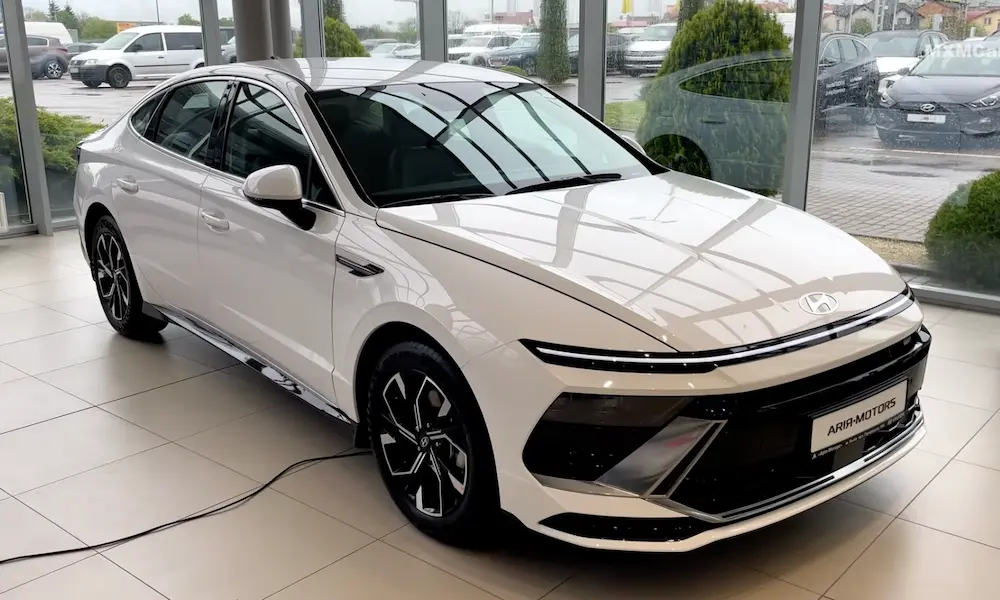
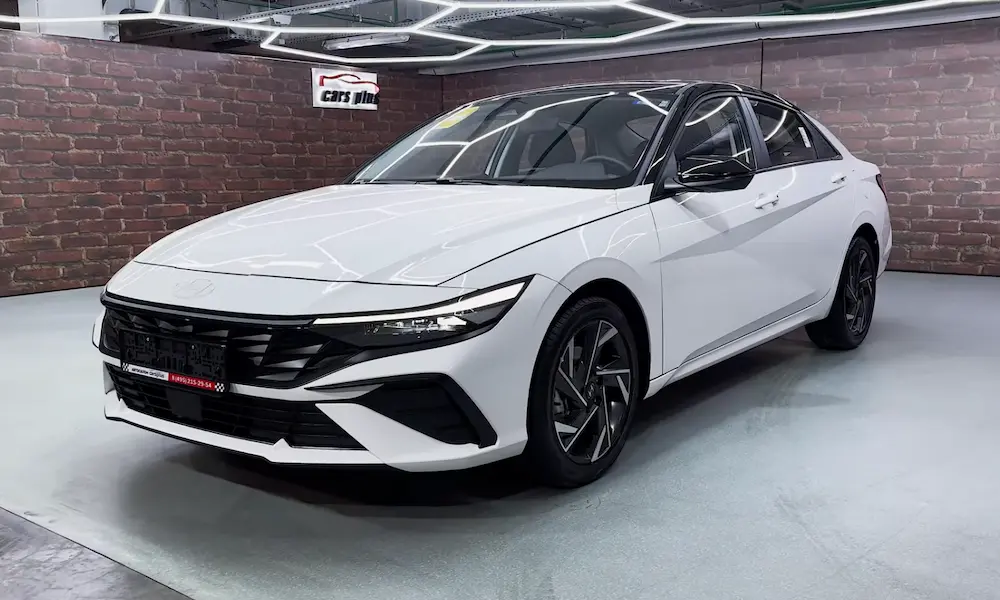
Choosing between Kia and Hyundai feels like picking a favorite twin — they share the same DNA but have different personalities. Both brands have come a long way from their budget-car days, but is one actually more reliable than the other? The answer depends on what stage of ownership you care about most. Stick around, because the data here might surprise you.
They’re More Related Than You Think
Kia and Hyundai are both part of the Hyundai Motor Group. They share platforms, engines, and transmissions across many models. That’s why the Kia vs Hyundai reliability debate is so nuanced — you’re often comparing nearly identical mechanical hardware dressed in different sheet metal.
But “nearly identical” doesn’t mean “exactly the same.” Design choices, tuning differences, and software implementations create real gaps in quality scores and owner satisfaction. Let’s dig into the numbers.
Initial Quality: Hyundai Takes a Slight Lead
The 2025 J.D. Power U.S. Initial Quality Study covers the first 90 days of ownership. It surveys over 92,000 new car owners and measures problems per 100 vehicles. Lower scores mean fewer problems.
The Hyundai Motor Group topped all automotive corporations for the second straight year. Here’s how the individual brands stacked up:
| Brand | 2025 J.D. Power Initial Quality Rank | Notable Segment Winner |
|---|---|---|
| Hyundai | 2nd (Mass-Market) / 3rd Overall | Santa Cruz (Midsize Pickup) |
| Kia | 8th Overall | Telluride (Upper Midsize SUV) |
| Genesis | 3rd (Premium) / 9th Overall | — |
Hyundai edges ahead in initial quality. But don’t count Kia out — eighth place overall still beats most of the competition.
Long-Term Dependability: Kia Pulls Ahead
Here’s where it gets interesting. Flip to the 2025 J.D. Power Vehicle Dependability Study — which looks at three-year-old vehicles — and Kia jumps to 8th place while Hyundai drops to 14th.
The industry average hit 202 problems per 100 vehicles, the highest since 2009. Software complexity is driving much of that increase. Kia’s approach to shared platforms seems to hold up better in real-world, long-term use.
So what does this mean for you?
- Buy Hyundai if you want the smoothest, most polished new-car experience.
- Buy Kia if you’re thinking about keeping it for several years.
Repair Costs: Both Brands Win Here
This is where Kia vs Hyundai reliability gets genuinely impressive compared to the broader market. RepairPal data shows both brands rank in the top five for affordability out of 32 brands.
| Metric | Hyundai | Kia | Industry Average |
|---|---|---|---|
| RepairPal Reliability Rating | 4.0 / 5.0 | 4.0 / 5.0 | — |
| Overall Brand Rank | 4th of 32 | 3rd of 32 | — |
| Average Annual Repair Cost | $468 | $474 | $652 |
| Unscheduled Shop Visits/Year | 0.3 | 0.2 | — |
| Probability of Severe Repair | 10% | 10% | — |
Both brands save you real money compared to the $652 industry average. Kia visits the shop slightly less often, but the difference is minimal. Either way, you’re not making your mechanic rich.
Routine Maintenance Costs to Expect
Average maintenance costs for routine services are similar across both brands. Here’s a quick reference:
| Service | Frequency | Estimated Cost |
|---|---|---|
| Oil Change | 5,000–7,500 miles | $164 |
| Tire Rotation | 5,000–7,500 miles | $134 |
| Engine Air Filter | Annually | $83 |
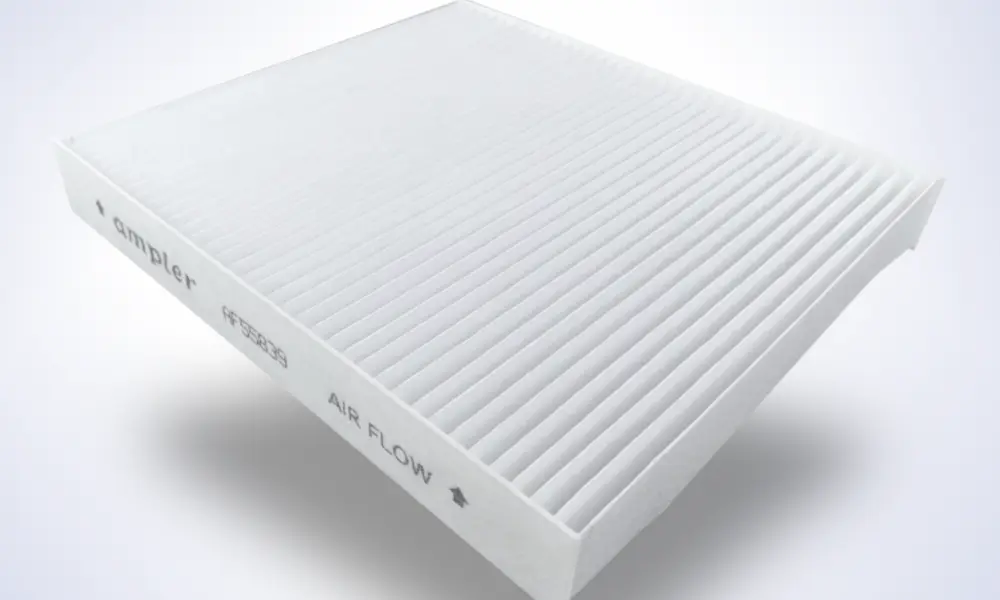
| Cabin Air Filter | 15,000–20,000 miles | $95 |
| Brake Pads | 30,000–50,000 miles | $342/wheel |
| Battery Replacement | Every 4 years | $414 |
One real difference worth noting: Hyundai includes complimentary maintenance for the first 3 years or 36,000 miles, covering oil changes and tire rotations. Kia doesn’t offer a national equivalent program. Over five years, Hyundai’s projected maintenance cost runs about $2,246 versus $2,318 for Kia — a small gap, but Hyundai’s free early service makes a bigger practical difference.
The Engine Problem You Need to Know About
No honest Kia vs Hyundai reliability comparison skips this part. Both brands spent years dealing with a serious engine defect affecting their Theta II, Nu, and Gamma four-cylinder engines.
According to litigation records, manufacturing defects caused connecting rod bearings to wear prematurely. That led to engine knock, stalling, seizure, and in some cases — engine fires. Affected models included the Hyundai Sonata, Tucson, and Santa Fe, plus the Kia Optima, Sorento, and Sportage.
A settlement granted final approval in April 2024 covers more than 2.1 million U.S. owners and lessees. The relief package is substantial:
| Relief Category | What You Get |
|---|---|
| Extended Warranty | 15 years / 150,000 miles for connecting rod bearing failure |
| Software Update (KSDS) | Knock Sensor Detection System to prevent engine seizure |
| Repair Reimbursement | Full compensation for qualifying past repairs |
| Transportation Coverage | Rental cars, rideshare, and towing expenses |
| Inconvenience Payments | Goodwill payments for denied claims or delays |
| Total Loss Payment | Black Book value for fire-damaged vehicles |
| Lost Value Payment | $150 plus lost value for vehicles sold without repair |
The Knock Sensor Detection System (KSDS) is critical. It monitors engine vibrations and forces the car into a safe “limp mode” if failure is imminent. Install this update immediately if your vehicle qualifies. Skipping it can void your warranty claim.
The Theft Crisis: A Security Failure With Real Consequences
Between 2021 and 2023, a viral social media trend exposed a major flaw: millions of Kia and Hyundai vehicles built between 2011 and 2022 lacked engine immobilizers. Thieves could start them with a USB cable.
Thefts in cities like Milwaukee and New York surged by hundreds of percent in a single year. Insurance companies raised premiums on affected models — some refused coverage entirely.
Here’s what the settlements provide:
- Free software update to extend alarm duration and require the key in the ignition to start the car
- Free ignition cylinder protectors for the ~20% of vehicles ineligible for the software fix
- Up to $300 reimbursement for steering wheel locks or glass-break alarms
- Up to $145 million common fund for out-of-pocket theft damages and insurance deductibles
You can check eligibility and claim benefits at the Kia Theft Settlement website. Under the terms of the settlement, both Hyundai and Kia must now equip all future U.S. vehicles with standard immobilizers.
Kia vs Hyundai Reliability for EVs
Both brands have built genuinely exciting electric vehicles on the E-GMP platform — the Ioniq 5, Ioniq 6, EV6, and EV9 have all earned serious praise. But early adopters hit a specific problem: the Integrated Charging Control Unit (ICCU).
The ICCU manages battery charging and low-voltage accessories. Under thermal or voltage stress, it fails — sometimes with a loud pop, sometimes silently. Owners report a “Check Electric Vehicle System” warning, reduced power, or the car stopping completely in traffic.
In early 2026, Hyundai extended the ICCU warranty to 15 years or 180,000 miles at no cost to owners. That’s a remarkable coverage commitment.
The EV battery and electric drive components also carry a 10-year / 100,000-mile warranty that often transfers to subsequent owners — which makes these vehicles hold their value better in the used market than their gas counterparts.
Head-to-Head: Popular Model Matchups
Hyundai Tucson vs Kia Sportage
These compact SUVs share a 187-hp 2.5-liter four-cylinder and an eight-speed automatic. The differences show up in the details.
| Feature | Hyundai Tucson | Kia Sportage |
|---|---|---|
| Basic Warranty | 5 years / 60,000 miles | 5 years / 60,000 miles |
| Powertrain Warranty | 10 years / 100,000 miles | 10 years / 100,000 miles |
| Corrosion Warranty | 7 years / Unlimited | 5 years / 100,000 miles |
| Cargo Space | 39 cu. ft. | 40 cu. ft. |
| Max Towing | 2,750 lbs | 1,653 lbs |
| Standard Gauge Cluster | 4.2-inch display | 12.3-inch display |
According to Car and Driver’s comparison, the Sportage wins on tech value — its 12.3-inch digital cluster comes standard on lower trims. The Tucson requires stepping up to the SEL trim for a comparable display. The Tucson fights back with a quieter cabin, better towing, and a longer corrosion warranty.
Consumer Reports gives both a “Recommended” status, but hybrid and plug-in hybrid Sportage variants recently earned higher predicted reliability scores.
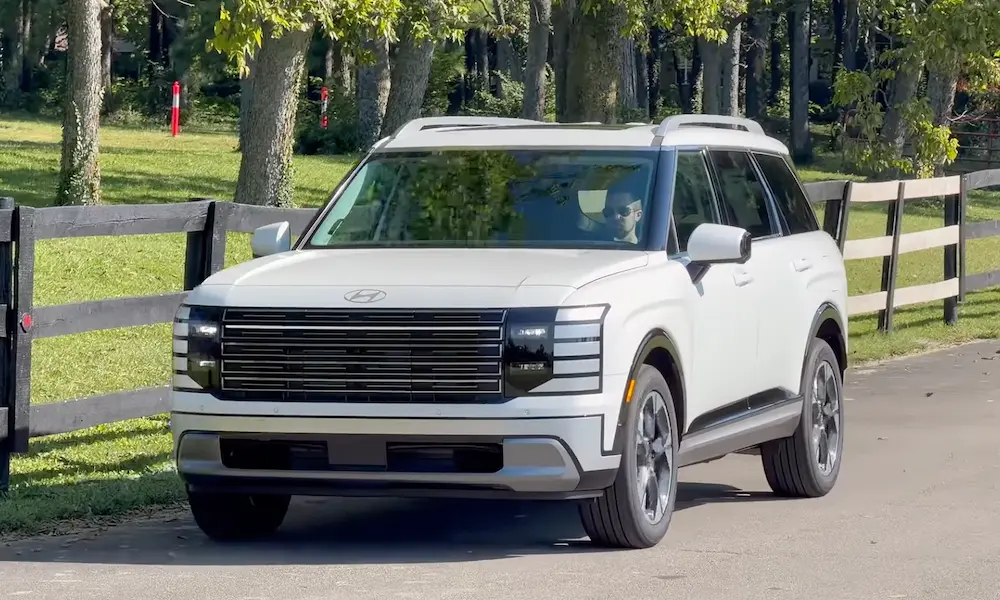
Hyundai Palisade vs Kia Telluride
Both three-row SUVs share the same 116.9-inch wheelbase. The Telluride earned a 92/100 road test score from Consumer Reports — one of the highest ever recorded in the segment. Owners consistently praise its plush seats and quiet cabin.
| Feature | Hyundai Palisade | Kia Telluride |
|---|---|---|
| Standard Engine (Base) | 3.5L V-6 | 2.5L Turbo-4 |
| Max Towing | 5,000 lbs | 5,500 lbs |
| Fuel Economy (FWD) | 19/25/21 MPG | 20/26/22 MPG |
| Standard Climate Control | Three-zone | Dual-zone |
Both vehicles have faced isolated recalls — the Telluride for power seat motor overheating and the Palisade for a widely reported Nappa leather headrest odor issue. Neither issue defines the broader ownership experience, and both models score exceptionally high in owner satisfaction surveys.
Warranty and the Used Car Trap
Here’s something many buyers miss. The famous 10-year / 100,000-mile powertrain warranty only applies to the original owner. When you buy used, that coverage defaults to the remainder of the 5-year / 60,000-mile warranty.
| Warranty Component | Original Owner | Subsequent Owner |
|---|---|---|
| Powertrain | 10 years / 100,000 miles | 5 years / 60,000 miles |
| New Vehicle Limited | 5 years / 60,000 miles | Remainder only |
| Roadside Assistance | 5 years / Unlimited (Hyundai) | Remainder only |
| Hybrid/EV Battery | 10 years / 100,000 miles | Often transferable |
This warranty drop-off is one reason Kia and Hyundai depreciate faster than Toyota or Honda. The smart move? Look for Certified Pre-Owned (CPO) vehicles. CPO status typically reinstates the full 10-year / 100,000-mile powertrain coverage along with a multi-point inspection.
Recent Software Recalls You Should Know About
In early 2026, Hyundai and Kia recalled over 84,000 vehicles for digital instrument clusters that could go dark or reboot unexpectedly — blocking critical info like speed and fuel levels. The fix is a free software update, often delivered over-the-air.
Affected vehicles included:
- Hyundai: Tucson (Hybrid/PHEV), Kona, Ioniq 5, Palisade, Santa Fe, Santa Cruz, Sonata
- Genesis: G80, GV60, GV70, GV80
- Kia: Multiple models sharing the same display hardware
The fact that many of these fixes arrive over-the-air shows how both brands are adapting their reliability strategy — fewer dealership trips, faster fixes.
The Bottom Line: Who Wins on Reliability?
Neither brand wins outright — it depends what matters to you.
Choose Hyundai if you want:
- The best out-of-the-box quality experience
- Complimentary maintenance for the first 3 years
- A more refined, quieter ride
- Premium interior options like the Palisade Calligraphy
Choose Kia if you want:
- Better long-term dependability scores over three-plus years
- More standard tech for the money
- Higher towing on models like the Telluride
- Slightly lower unscheduled repair frequency
Both brands share the same warranties, the same mechanical foundations, and the same corporate commitment to quality. The Kia vs Hyundai reliability gap is narrower than most people think — and both beat the industry average on repair costs by a wide margin.
Your best move? Install every software update, keep detailed service records, and if you’re buying used, go CPO. Do those three things and either brand will serve you well.