That amber warning light on your Ram 1500’s dashboard isn’t just there to worry you—it’s your truck’s way of communicating something important. Understanding these check engine codes can save you money and prevent small issues from becoming major headaches. Let’s decode what your Ram is trying to tell you and how you can respond effectively.
How to Access Your Ram 1500’s Check Engine Light Codes
When your check engine light illuminates, you’ll need to retrieve the specific code to understand what’s happening. Here are two straightforward methods to get this information.
Using an OBD-II Scanner (The Easy Way)
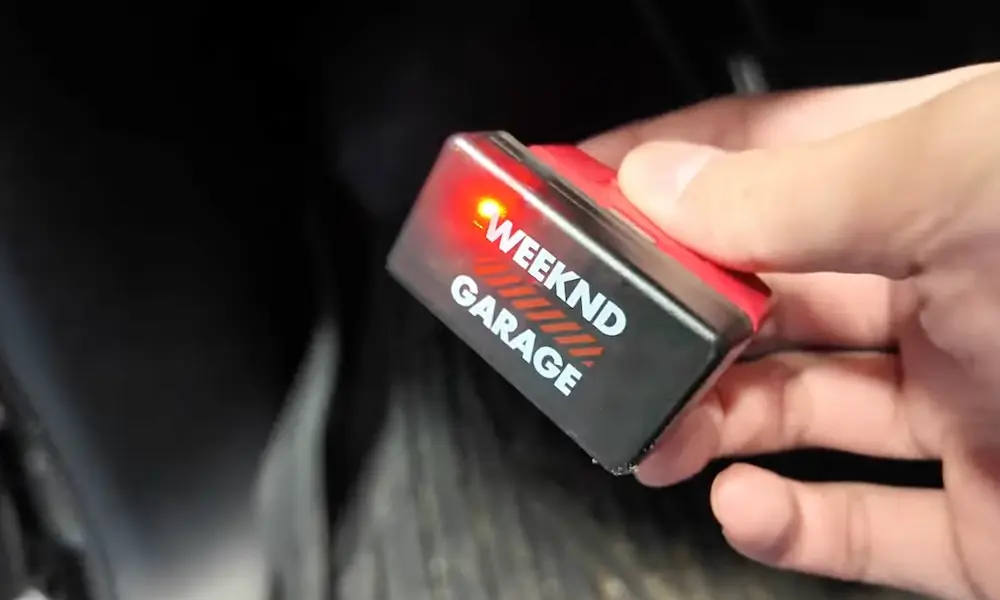
The most reliable method is using an OBD-II scanner, which directly connects to your truck’s diagnostic system.
- Locate your Ram’s OBD-II port (usually under the dashboard on the driver’s side)
- Plug in the scanner
- Turn the ignition to the “ON” position (don’t start the engine)
- Follow your scanner’s instructions to retrieve the codes
- Write down all codes for reference
Don’t have a scanner? Many auto parts stores offer free code reading services, so you don’t need to purchase one yourself.
No Scanner? Try the Key Cycle Method
Many Ram trucks allow you to retrieve codes without special equipment:
- Insert your key in the ignition
- Turn the key from OFF to ON position three times in quick succession
- Stop on the third cycle with the key in the ON position
- Look at your odometer display—it will show the trouble codes (like P0455)
- The display will show “P done” when all codes have been displayed
This key-turn method works on various Ram truck models and can save you a trip to the mechanic just to find out what’s wrong.
Where to Find Your Ram 1500’s OBD-II Port
Before you can retrieve codes, you need to locate the diagnostic port. The location varies slightly by model year:
2019 and Newer Models
Look on the driver’s side of the center console. It’s sometimes tucked away and requires a bit of searching.
2009-2018 Models
Check under the dashboard on the driver’s side, typically near the steering column.
2001-2008 Models
Look above the pedals or near the hood opening lever on the left side.
In most cases, the port is positioned between the steering column and driver’s door, below the dashboard. A flashlight can help locate it in shadowed areas.
Understanding Check Engine Light Code Structure
Ram truck diagnostic codes follow a standardized format that tells you exactly what system has an issue:
| Position | What It Means | Example |
|---|---|---|
| First Digit | System Type (P = Powertrain, B = Body, C = Chassis) | P in P0300 means Powertrain |
| Second Digit | Standard (0) or Manufacturer-specific (1) | 0 in P0300 means standard code |
| Third Digit | Specific subsystem | 3 in P0300 indicates ignition system |
| Fourth/Fifth | Exact issue identification | 00 in P0300 indicates multiple cylinder misfire |
Understanding this structure helps you interpret what the codes mean and how serious they might be.
Common Ram 1500 Check Engine Light Codes and Their Meanings
Let’s explore the most frequent codes you might encounter with your Ram 1500.
P0455, P0456, P0441: Evaporative Emission System Issues
These related codes indicate problems with your EVAP system, which captures fuel vapors from your tank.
Common causes:
- Loose or damaged fuel cap (check this first!)
- Damaged fuel tank filler neck
- Leaking EVAP hoses
- Faulty canister purge valve
These codes often trigger both the check engine light and a “check fuel cap” warning. The EVAP system prevents harmful fuel vapors from escaping into the atmosphere, so fixing these issues helps both your truck and the environment.
P0171: Fuel System Running Too Lean
This code means your engine is getting too much air or not enough fuel. Your truck’s computer has detected an imbalanced air-to-fuel ratio.
Potential causes:
- Air leaks in the intake system
- Dirty or failing mass airflow sensors
- Weak fuel pump
- Clogged fuel filter or injectors
- Defective oxygen sensors
Symptoms often include rough idling, hesitation during acceleration, and poor fuel economy. If you’ve noticed your Ram 1500 feeling sluggish or consuming more fuel, this code might explain why.
P0300: Random/Multiple Cylinder Misfire
This serious code indicates that multiple cylinders in your engine are misfiring. You’ll likely notice:
- Rough idle
- Significant power loss
- Potential stalling
- Decreased fuel economy
- Shaking or vibration
Common causes include:
- Worn spark plugs or wires
- Faulty ignition coils
- Low fuel pressure
- Vacuum leaks
- Leaking head gasket
- Faulty catalytic converter
A P0300 code requires prompt attention as continued misfiring can damage your catalytic converter, leading to expensive repairs.
What Your Check Engine Light Is Telling You By How It Behaves
The way your check engine light illuminates provides important clues about the severity of the problem.
Solid Light: Important But Not Immediate Emergency
When your check engine light stays continuously on, it indicates an issue that needs attention soon but isn’t an immediate crisis. You should:
- Check your gas cap first (loose caps are a common trigger)
- Monitor for any performance changes
- Plan to have the code read within a few days
- Address the issue within a reasonable timeframe
Ignoring a steady check engine light can lead to more expensive repairs later as minor issues progress into major ones.
Flashing Light: Pull Over When Safe
If your Ram’s check engine light is blinking or flashing, it signals a serious problem that requires immediate attention. A flashing light typically means:
- Severe engine misfire is occurring
- Unburned fuel is entering your exhaust system
- Your catalytic converter could be damaged quickly
- Continued driving could cause extensive damage
You should:
- Reduce speed immediately
- Minimize engine load (avoid towing, hills, etc.)
- Have the vehicle serviced as soon as possible
- Consider having it towed if the light continues flashing
DIY Checks Before Heading to the Mechanic
Before paying for professional diagnostics, there are several checks you can perform yourself:
Check Your Gas Cap
A loose, damaged or missing gas cap is one of the most common causes of check engine lights, especially for EVAP system codes like P0455. Make sure it:
- Clicks when you tighten it
- Has no cracks or damage
- Creates a proper seal
Inspect for Visible Issues
Do a quick visual inspection of:
- Loose wires or connectors
- Cracked vacuum hoses
- Fluid leaks
- Loose components
Monitor Performance Changes
Note any changes in how your truck runs:
- Unusual sounds
- Rough idle
- Hesitation during acceleration
- Poor fuel economy
- Exhaust smoke
- Difficulty starting
These observations will help you or your mechanic diagnose the issue more quickly.
Professional Diagnosis: What to Expect
While retrieving codes yourself is helpful, proper diagnosis often requires professional tools and expertise.
Beyond Just Reading the Code
Professional diagnosis at a certified Ram service center involves:
- Retrieving all stored codes (sometimes multiple codes are present)
- Analyzing freeze-frame data (engine conditions when the code was triggered)
- Performing targeted tests to pinpoint the exact cause
- Checking for technical service bulletins (TSBs) related to your issue
For example, a P0171 code indicates a “lean condition” but doesn’t specify whether it’s caused by a vacuum leak, bad oxygen sensor, or dirty mass airflow sensor—professional testing identifies the specific cause.
Resetting the Check Engine Light After Repairs
After fixing the issue, you’ll need to reset the check engine light. Here’s how:
Using a Scan Tool
The most reliable method is using an OBD-II scan tool:
- Connect the tool to your OBD port
- Navigate to the “clear codes” or “erase codes” option
- Confirm the deletion of codes
- Cycle the ignition to ensure codes don’t return
Battery Disconnect Method
If you don’t have a scan tool:
- Disconnect the negative battery terminal
- Wait 10-15 minutes for the computer to reset
- Reconnect the battery
- Be aware this may reset other vehicle systems like your radio presets and clock
Drive Cycle Completion
After clearing codes, your Ram needs to complete several “drive cycles” to run all its self-tests. This typically involves:
- Starting the engine and letting it reach operating temperature
- Driving at various speeds including highway cruising
- Several acceleration and deceleration events
- Multiple engine off-cooling-restart cycles
Until these drive cycles are complete, some emission system monitors may show as “not ready” if the vehicle is rescanned.
Preventing Future Check Engine Light Issues
Take these proactive steps to reduce the chances of that amber light returning:
Regular Maintenance
Follow your Ram 1500’s recommended maintenance schedule for:
- Oil and filter changes
- Air filter replacement
- Spark plug replacement
- Fuel system cleaning
Quality Fuel and Parts
- Use quality fuel from reputable stations
- Consider fuel system cleaners occasionally
- Use OEM or equivalent quality parts for repairs
Address Minor Issues Promptly
- Investigate unusual sounds, smells, or performance changes
- Fix small problems before they become major ones
- Keep your battery connections clean and tight
Costs Associated with Common Ram 1500 Check Engine Light Repairs
Understanding potential repair costs helps you budget appropriately:
| Code | Common Cause | Typical Repair Cost |
|---|---|---|
| P0455 | Loose/damaged fuel cap | $5-20 for cap replacement |
| P0455 | EVAP purge valve | $150-300 parts and labor |
| P0171 | Mass airflow sensor | $200-400 parts and labor |
| P0171 | Oxygen sensor | $175-300 per sensor |
| P0300 | Spark plugs and wires | $150-300 for complete set |
| P0300 | Ignition coils | $300-500 for multiple coils |
Costs vary based on your location, whether you use dealer service or independent shops, and if you choose OEM or aftermarket parts.
When DIY Isn’t Enough: Finding Professional Help
When you need professional assistance, consider these options:
Dealer Service Centers
Pros:
- Factory-trained technicians
- Access to latest Ram technical bulletins
- OEM parts
Cons:
- Typically higher labor rates
- May have longer wait times
Independent Ram Specialists
Pros:
- Often lower labor rates
- Personalized service
- Flexibility with OEM or quality aftermarket parts
Cons:
- May not have access to all dealer-specific resources
General Repair Shops
Pros:
- Convenient locations
- Often competitive pricing
- Quick availability
Cons:
- Less Ram-specific expertise
- May need to order specialized parts
When choosing a shop, look for ASE-certified technicians with experience working on Ram trucks specifically.
Understanding Check Engine Light Severity Levels
Not all check engine light codes require the same urgency. Here’s how to prioritize:
Critical (Fix Immediately)
- Flashing check engine light
- Misfiring codes (P0300-P0308)
- Overheating warnings
- Oil pressure warnings
- Any code accompanied by noticeable performance issues
Important (Fix Within Days)
- Emissions system codes
- Fuel system codes
- Sensor failures affecting fuel economy
- Transmission-related codes
Maintenance (Fix When Convenient)
- Some EVAP system small leak codes
- Minor sensor issues without performance impacts
- Intermittent codes that don’t affect drivability
Remember that even “maintenance” level issues should be addressed before your next emissions test or they could cause failures.
Your Ram 1500’s check engine light is a valuable diagnostic tool, not just an annoyance. By understanding what it’s trying to tell you, you can make informed decisions about when to tackle repairs yourself and when to seek professional help. This knowledge helps you keep your truck running smoothly while avoiding unnecessary repair costs.