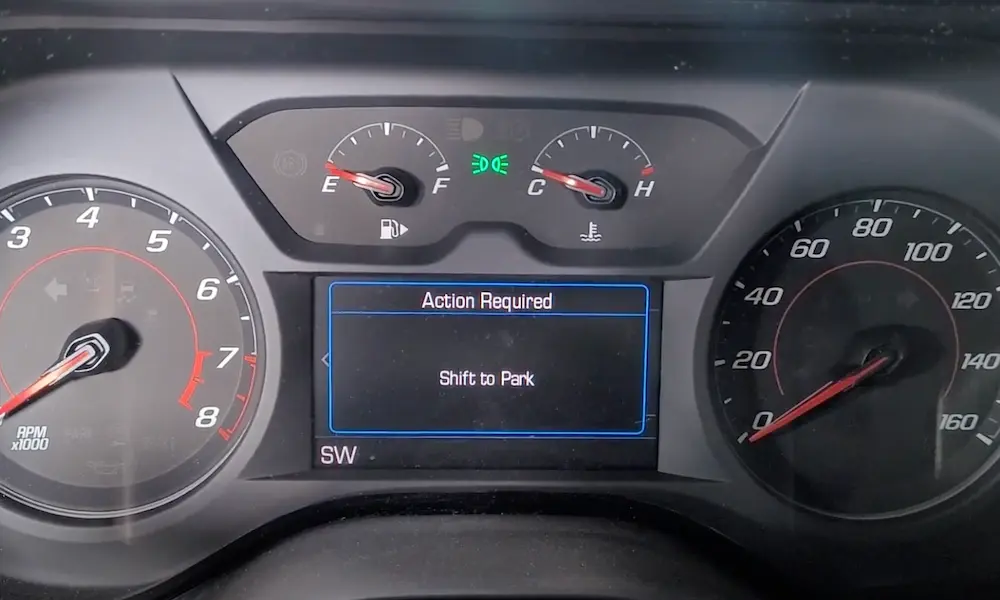
Is your Chevy Silverado’s dashboard acting up? Dead gauges, weird lighting, or unresponsive displays often point to one culprit: a blown fuse. But where exactly is this mysterious silverado instrument cluster fuse location? Let’s cut through the confusion and get your truck’s dashboard back in working order.
Where to Find Your Silverado’s Instrument Cluster Fuse
Depending on your Silverado’s model year, you’ll need to look in different places. Here’s the quick breakdown:
Driver’s Side Dashboard Fuse Panel
This is the most common location for instrument cluster fuses in most Silverado trucks. Here’s how to access it:
- Open your driver’s door all the way
- Look at the left side of the dashboard (where your knee would be when driving)
- Find the removable panel and pull it out firmly
- Check the diagram on the back of the cover to locate specific fuses
The great thing about this panel is it usually includes spare fuses and a handy fuse puller tool built right in.
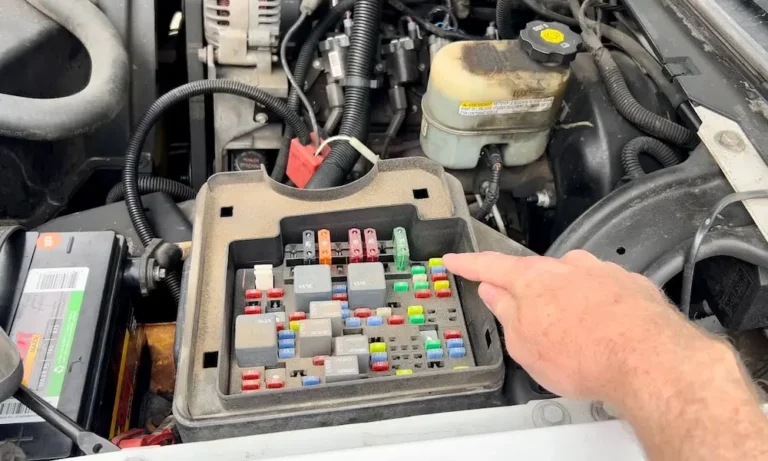
Engine Compartment Fuse Box
Some instrument cluster functions rely on fuses located under the hood. To check these:
- Pop your hood
- Find the fuse box on the driver’s side of the engine compartment
- Release the cover tabs and lift to access
Many Silverado owners miss this spot when troubleshooting dash problems, but it’s just as important as the interior fuse panel.
Passenger Side Dashboard Panel (2014+ Models)
If you’ve got a newer Silverado (2014 and up), there’s a third spot to check:
- Open the passenger door
- Look for a similar panel to the driver’s side
- Remove the cover to access additional fuses
Specific Fuse Numbers By Silverado Model Year
Let’s get specific about which fuses control your instrument cluster based on your truck’s age.
1999-2002 Silverado Models
For these older trucks, the system is relatively simple:
- Primary Fuse: Look for “IGN 1” (10A) in the driver’s side panel
- Secondary Fuse: The “CRUISE” fuse also affects cluster operation
These early models have a more straightforward electrical system with fewer fuses controlling the instrument panel.
2003-2007 Silverado Models
These years get a bit more complex with multiple fuses controlling different aspects of your dash:
In the Engine Compartment:
- “IGN E” (10A): Controls instrument panel cluster and related systems
- “IPC/DIC” (10A): This is your main instrument panel cluster fuse
In the Dashboard Panel:
- Fuse #8: Provides additional support for cluster functions
2014-2019 Silverado Models
These modern trucks have an even more distributed system with four different fuses you need to check:
Driver’s Side Dashboard:
- Fuse #23: A special double fuse (particularly important in 2014-2016 models)
- Fuse #34: Secondary instrument cluster fuse
Engine Compartment:
- Fuses #4 and #8: Support fuses for complete instrument cluster operation
2020+ Silverado Models
The newest Silverados have the most complex setup:
- Left instrument panel fuse block: Contains primary cluster controls
- Right instrument panel fuse block: Houses additional electrical components
- Engine compartment fuse block: Holds supporting fuses
How to Identify Instrument Cluster Problems
Before you start pulling fuses, make sure the symptoms match a potential fuse issue. Here’s what to look for:
Common Signs of a Blown Instrument Cluster Fuse
- All gauges suddenly stop working
- Dashboard warning lights stay on or don’t light up at all
- Turn signal indicators aren’t working
- Odometer or trip computer is blank
- No backlighting on your dashboard
If you’re experiencing just one of these issues, it could be a specific fuse. If multiple systems fail simultaneously, it’s likely the main instrument cluster fuse.
Step-by-Step Troubleshooting Guide
Let’s fix your dashboard with this systematic approach:
Step 1: Check the Most Likely Fuses
- Turn off your truck and remove the key
- Open the driver’s side dashboard fuse panel
- Locate the instrument cluster fuse (use the diagram on the back of the cover)
- Remove the suspect fuse using the fuse puller tool
- Hold it up to light – a blown fuse will have a broken metal strip inside
If the fuse looks intact, that doesn’t mean it’s working. Some fuses can appear normal but still fail under load.
Step 2: Test Multiple Fuses
Since your Silverado’s instrument cluster relies on multiple fuses, be thorough:
- Check all fuses related to the instrument panel (refer to your specific model year above)
- Don’t forget ignition-related fuses – they often power the cluster
- Look for any secondary support fuses listed for your truck’s year
Step 3: Using a Multimeter for Verification
For a more definitive test:
- Set your multimeter to the continuity setting
- Touch the probes to each end of the fuse
- A working fuse will show continuity (often with a beep)
- No continuity means a blown fuse
This method is more reliable than visual inspection alone.
Fuse Replacement Guide
Found a blown fuse? Here’s how to replace it correctly:
Choosing the Right Fuse
The most critical rule: always replace fuses with the exact same amperage rating. Using a higher-rated fuse might seem like a quick fix, but it can cause serious electrical damage or even fires.
Silverados use several fuse types:
- Mini blade fuses (most common for instrument clusters)
- Standard blade fuses
- Maxi fuses (for higher amperage applications)
- J-case fuses (larger electrical systems)
The amperage is color-coded and printed on top of each fuse.
Installation Tips
- Make sure your truck is off and the key is removed
- Use the fuse puller tool (usually in the fuse box)
- Insert the new fuse firmly but don’t force it
- Replace the fuse panel cover securely
After replacement, turn on your vehicle to see if the instrument cluster is working again.
What If Replacing Fuses Doesn’t Work?
If you’ve replaced the fuses and your dash is still acting up, the problem might be:
- Faulty instrument cluster circuit board
- Damaged wiring harness
- Failed stepper motors within the gauge assembly
- Issues with the body control module
These more complex problems often require specialized diagnostic equipment.
Beyond Fuses: Other Instrument Cluster Issues
Dimming or Flickering Gauges
This usually indicates:
- Loose connections behind the instrument cluster
- Failing voltage regulator
- Poor ground connection
Erratic Gauge Readings
If your gauges jump around or read incorrectly:
- The cluster might need recalibration
- Sensors feeding data to the gauges could be failing
- Electrical interference might be affecting signals
Silverado Instrument Cluster Fuse Chart
Here’s a quick reference chart for the most common Silverado models:
| Model Years | Primary Fuse Location | Fuse Name/Number | Amperage |
|---|---|---|---|
| 1999-2002 | Driver’s side panel | IGN 1 | 10A |
| 2003-2007 | Engine compartment | IPC/DIC | 10A |
| 2008-2013 | Driver’s side panel | Fuse #16 | 10A |
| 2014-2019 | Driver’s side panel | Fuse #23 | 10A |
| 2020+ | Left instrument panel | IPC | 10A |
Preventative Maintenance Tips
Keep your Silverado’s electrical system healthy with these practices:
- Clean battery terminals regularly to ensure proper voltage
- Check for loose ground connections
- Keep spare fuses in your glove box for emergencies
- Have your alternator tested annually to ensure it’s providing clean power
- Avoid aftermarket electrical accessories that might overload circuits
Special Considerations for Different Silverado Generations
First Generation (1999-2007)
These trucks use a more mechanical gauge system with stepper motors. If you’re experiencing issues even after replacing fuses, the stepper motors might need replacement.
Second Generation (2007-2014)
These models introduced more digital components to the cluster. The driver information center might have separate fuses from the main gauges.
Third Generation and Beyond (2014+)
Modern Silverados use highly integrated digital systems. Some functions might stop working while others continue, depending on which fuse is blown.
Wiring and Connection Issues
Sometimes what appears to be a fuse problem is actually a wiring issue:
- Check for loose connections at the back of the instrument cluster
- Look for corroded ground points (especially in older trucks)
- Inspect the main wiring harness for damage from rodents or wear
Moisture is a common enemy of instrument clusters. If your truck has been in a flood or had a windshield leak, water damage might be the real culprit.
Advanced Troubleshooting with a Scan Tool
For 2007+ Silverados, many instrument cluster functions are controlled by the truck’s computer systems. A quality OBD-II scan tool can:
- Check for error codes related to the instrument cluster
- Test communication between modules
- Verify sensor inputs that feed information to your gauges
This approach can save you time when simple fuse replacement doesn’t solve the problem.
Finding your Silverado instrument cluster fuse location is just the beginning. With this guide, you’ve got all the information you need to diagnose, troubleshoot, and fix most dashboard electrical issues. Remember to always match fuse ratings exactly and work with your truck’s electrical system turned off for safety.