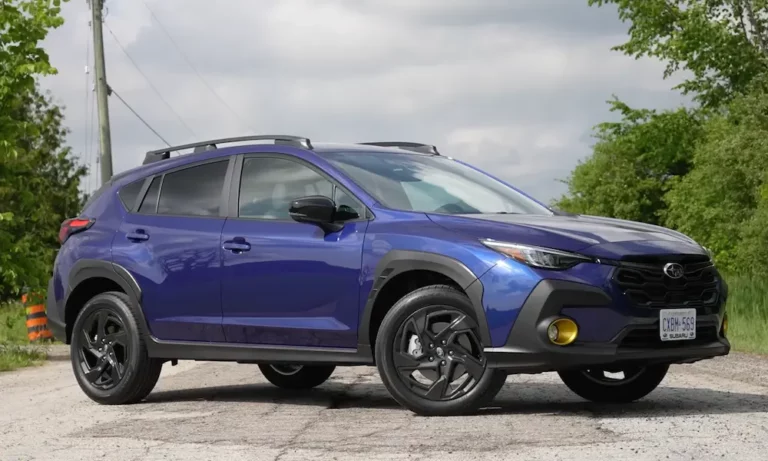
Is your Subaru’s AC blowing hot air in the middle of summer? You’re not the only one dealing with this frustrating issue. While Subaru hasn’t issued formal safety recalls specifically for air conditioning systems, they’ve addressed widespread AC problems through Technical Service Bulletins (TSBs) and Service Programs affecting hundreds of thousands of vehicles from 2014-2023.
What’s Really Going On With Subaru Air Conditioning Issues?
When we talk about the “Subaru air conditioning recall,” we’re actually referring to something a bit different than a traditional safety recall. Subaru has implemented numerous Technical Service Bulletins and Service Programs to address significant AC problems across their vehicle lineup.
These programs have covered over 800,000 vehicles collectively, making them among the most widespread non-safety issues in Subaru’s recent history. The difference between TSBs and recalls is important to understand as an owner.
TSBs vs. Safety Recalls: What’s the Difference?
Technical Service Bulletins differ from safety recalls in that they address reliability and performance issues rather than safety-critical defects. However, TSBs often provide free repairs under warranty and can be just as important for vehicle owners.
This table helps clarify the key differences:
| Feature | Safety Recall | Technical Service Bulletin |
|---|---|---|
| Mandatory? | Yes, legally required | No, manufacturer discretion |
| Notification | Direct owner contact required | Often no direct notification |
| Cost to owner | Always free | Often free, but depends on warranty |
| Focus | Safety-related defects | Performance and reliability issues |
| Government oversight | NHTSA regulated | Limited oversight |
Timeline of Major Subaru AC Problems
The most significant period for Subaru AC problems began in 2016 with TSB 10-84-16, which addressed electrical failures in AC compressor clutch assemblies. This issue affected approximately 125,000 vehicles across multiple model lines including the 2014-2016 Forester, Impreza, XV Crosstrek, and 2015-2016 WRX/STI models.
The problems continued through 2021 with Service Program WRB-21, affecting 207,386 Forester vehicles from 2017-2018 model years due to AC condenser corrosion issues. This represents one of the largest Service Programs in Subaru’s history, demonstrating the widespread nature of the problem.
Primary Technical Issues Affecting Subaru AC Systems
AC Compressor Failures
The most prevalent issue involves the AC compressor and its clutch assembly. TSB 10-84-16 identified that electrical windings inside the clutch assembly were failing, causing the AC system to stop operating entirely.
Symptoms include:
- Buzzing or rattling sounds when the AC is engaged
- Complete loss of cooling
- AC compressor clutch not engaging
- Intermittent cooling performance
Subsequent bulletins (15-209-17 and 10-98-20R) addressed related compressor issues in newer model years, indicating ongoing problems with this critical component. The compressor problems were so widespread that Subaru issued updated break-in procedures for replacement units in 2023.
AC Condenser Corrosion
Service Program WRB-21 addressed a significant issue with AC condenser assemblies in 2017-2018 Forester models. The problem involved corrosion within the condenser tube walls, leading to refrigerant leaks and insufficient cooling.
This issue was particularly problematic because it developed over time, often manifesting after the vehicle’s initial warranty period. Many owners reported this problem on forums, noting that their AC gradually became less effective before failing completely.
Refrigerant System Leaks
The 2019 Ascent was affected by Service Program WRK-20, which addressed rough sealing surfaces on AC pipes that allowed refrigerant to leak. While this affected fewer vehicles (11,257 units), it demonstrated ongoing quality control issues with AC system components.
Signs of refrigerant leaks include:
- Gradually diminishing cooling performance
- AC that works initially but blows warm after short periods
- Visible oil residue near AC components
- Hissing sounds from the engine bay
Affected Vehicle Models and Years
The scope of Subaru’s AC issues spans nearly a decade of production:
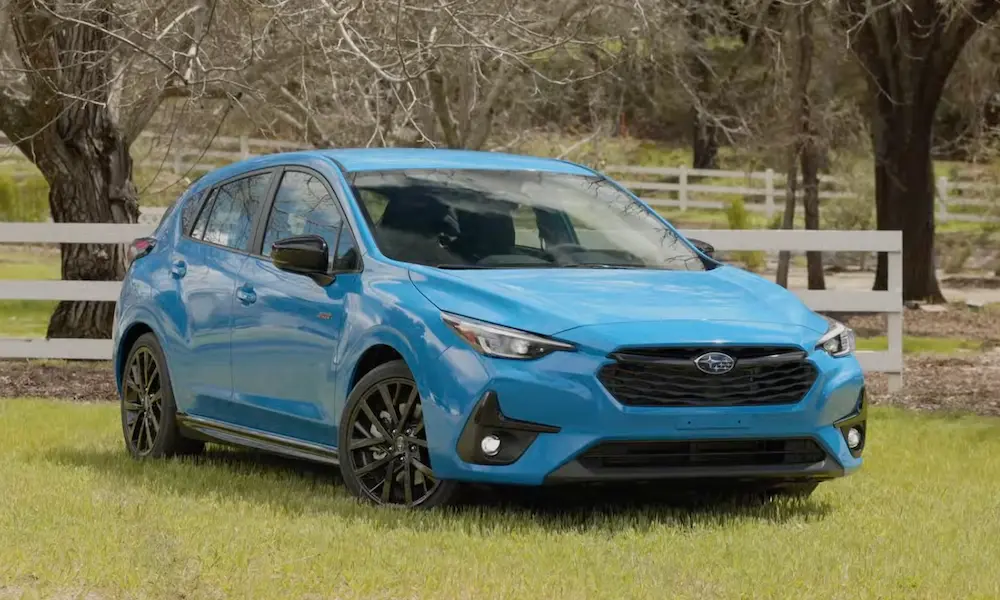
- 2012-2016 Impreza: Affected by multiple TSBs for compressor issues
- 2013-2016 XV Crosstrek: Subject to compressor clutch failures
- 2014-2016 Forester: Multiple AC-related bulletins
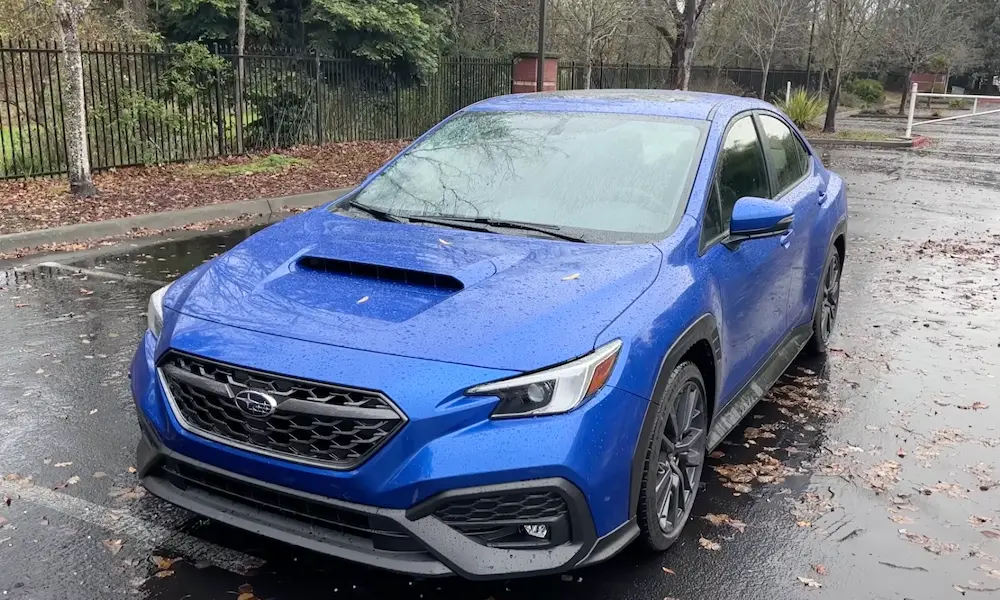
- 2015-2016 WRX/STI: Compressor problems and abnormal sounds
- 2017-2018 Forester: Major condenser corrosion issue affecting 207,386 vehicles
- 2018-2019 WRX: Continued compressor assembly problems
- 2019 Ascent: AC pipe sealing issues
- 2019-2023 Models: Various ongoing compressor-related updates
How to Check if Your Vehicle is Affected
Subaru owners can verify their vehicle’s status through multiple channels. The official Subaru recall website allows VIN-based searches for active campaigns. Additionally, the NHTSA’s VIN lookup tool provides comprehensive recall information.
For TSBs and Service Programs, contacting an authorized Subaru dealer with your VIN is often the most reliable method. Many dealers have dedicated recall departments that can check your vehicle’s eligibility for any AC repair programs.
Step-by-Step Check Process:
- Locate your 17-digit VIN (found on your registration, insurance card, or driver’s side dashboard)
- Visit Subaru’s recall website or the NHTSA site
- Enter your VIN in the search field
- Review all open recalls and service campaigns
- Contact your local Subaru dealer for TSB information not listed online
Warning Signs of Subaru AC Problems
Knowing the warning signs of Subaru AC issues can help you address problems before they lead to complete system failure. Experienced mechanics identify several key symptoms that indicate potential AC issues in Subaru vehicles:
Early Warning Signs
- Unusual noises: Clicking, buzzing, or grinding sounds when the AC compressor engages
- Intermittent cooling: AC works sometimes but not consistently
- Weak airflow: Diminished air volume from vents
- Temperature fluctuations: Air temperature varies while driving
- Engine RPM changes: Noticeable RPM fluctuations when the AC cycles on
Advanced AC Failure Symptoms
- No cold air at all: Complete loss of cooling capacity
- Visible refrigerant leaks: Oil stains or wet spots under the vehicle
- Compressor clutch not engaging: You can visually check this by looking at the front of the compressor while someone turns the AC on
- Dashboard warning lights: Some models may show warning indicators
- Sweet smell from vents: Could indicate coolant leaks affecting the AC system
Repair Process and What to Expect
All TSB and Service Program repairs are provided at no cost to customers, either under the original warranty or through extended coverage programs. Typical repair times range from 1-3 hours depending on the specific issue, though customers may need to leave their vehicle longer due to parts availability and scheduling constraints.
Subaru has committed to using only genuine OEM replacement parts for these repairs, ensuring long-term reliability. The automaker has also provided reimbursement programs for customers who previously paid for related repairs out-of-pocket.
Common AC Repairs Covered Under TSBs:
- Complete compressor replacement: Most common for 2014-2016 models
- Condenser assembly replacement: Primarily for 2017-2018 Foresters
- AC pipe or hose replacement: For models with sealing or connection issues
- System recharge with refrigerant: Following component replacement
- Electrical harness repairs: For compressor electrical issues
Current Status and Quality Improvements
Recent data indicates that Subaru’s AC-related issues have decreased significantly. The company’s quality improvement initiatives, implemented following the widespread problems of 2016-2021, appear to be showing positive results. However, owners of affected model years should remain vigilant for symptoms and ensure their vehicles receive any applicable updates.
The introduction of variable displacement compressors in newer models represents a technological advancement that may reduce future clutch-related failures. These systems eliminate the electromagnetic clutch entirely, addressing the root cause of many historical problems.
Customer Experience with Repairs
Many Subaru owners report positive experiences when having AC issues addressed through these service programs. Forum discussions indicate that dealers generally handle these repairs efficiently, particularly when the vehicle falls within the specified model years.
Customers typically report:
- Complete resolution of cooling issues after repairs
- No cost for repairs when covered under a TSB or Service Program
- Typical repair times of 1-2 days including parts ordering
- Loaner vehicles often provided during longer repairs
Subaru’s Response to AC Issues
Subaru has taken several approaches to address widespread AC problems:
- Extended coverage periods: Many AC components now have warranty coverage beyond the standard 3-year/36,000-mile basic warranty
- Design improvements: Newer models incorporate redesigned compressors and condensers
- Reimbursement programs: For customers who paid for repairs before TSBs were issued
- Goodwill repairs: Many dealers are authorized to repair AC issues in out-of-warranty vehicles at reduced or no cost
While Subaru hasn’t issued formal safety recalls specifically for AC systems, their response through TSBs and Service Programs demonstrates recognition of these widespread issues.
The Impact on Subaru’s Reliability Reputation
Subaru has long enjoyed a reputation for reliability, but the widespread nature of these AC issues has caused some owners to question that standing. Consumer forums and reports indicate mixed feelings about how Subaru has handled these problems.
On the positive side, Subaru has:
- Acknowledged the problems through official service programs
- Provided no-cost repairs for affected vehicles
- Implemented design changes in newer models
However, some owners criticize:
- The lack of direct notification about non-safety TSBs
- Inconsistent coverage for vehicles just outside warranty periods
- The recurring nature of AC problems across multiple model years
Resources for Subaru Owners
For more information about Subaru AC issues, these resources can help:
- Subaru’s official recall website for checking your VIN
- NHTSA’s recall database for comprehensive vehicle safety information
- Authorized Subaru service centers for checking TSB eligibility
Taking Action on Your Subaru AC Issues
If you’re experiencing AC problems with your Subaru, don’t wait until the peak of summer when service centers are busiest. The comprehensive nature of Subaru’s response to these AC issues, while not technically classified as safety recalls, demonstrates the automaker’s commitment to customer satisfaction and long-term vehicle reliability.
Owners should take advantage of available programs to ensure their vehicles receive necessary updates and repairs at no cost. With proper attention and the support of Subaru’s service programs, most affected vehicles can return to reliable, comfortable operation regardless of the weather outside.