You’ve probably stared at coolant bottles wondering which one won’t destroy your Subaru’s engine. The wrong choice can lead to overheating, corrosion, and those dreaded head gasket failures Subarus are known for. Let’s cut through the confusion and get your cooling system sorted.
What Makes Subaru Coolant Different
Subaru engines aren’t like other cars. That horizontal boxer layout means your head gaskets sit in coolant constantly. It’s like leaving metal underwater 24/7—you need the right protection or things go sideways fast.
The correct Subaru coolant type depends on when your car was built. Subaru switched formulas in 2009, and using the wrong one changes your maintenance schedule completely. Here’s what matters.
Blue Super Coolant (2009 and Newer)
If you’ve got a 2009 or newer Subaru, you need the blue stuff. It’s called Subaru Super Coolant, and it comes pre-mixed in either white bottles (older stock) or black bottles (2023+ formula).
This isn’t your basic antifreeze. Subaru uses Phosphate-enhanced Organic Acid Technology (POAT) that protects aluminum engine parts better than traditional coolants. The pre-mixed formula means you don’t mess with ratios—just pour and go.
Key specs you should know:
- Part number SOA868V9270 (original) or SOA868V9272 (updated 2023+)
- Ready to use, no mixing required
- Protects down to -62°F
- First change at 137,500 miles or 11 years
- After that, every 75,000 miles or 6 years
The extended service interval is a big deal. You’re looking at over a decade before touching your coolant on a new Subaru.
Green Long Life Coolant (Pre-2009 Models)
Older Subarus used a green concentrate that required mixing with distilled water at a 50/50 ratio. Part number SOA868V9210 was the go-to for 1990-2008 models with EJ engines.
Here’s the catch: Subaru discontinued this formula. You can still find it through some retailers, but it’s getting harder to source.
Green coolant demands more attention:
- Service every 30,000 miles or 2-3 years
- Requires precise 50/50 mixing with distilled water
- Designed specifically for aluminum Subaru engines
- Prevents silicate gelling that clogs radiators
If you’ve got an older EJ-powered Subaru, you’ll also need to think about cooling system conditioner (more on that below).
The 2023 Formula Update You Might’ve Missed
Subaru quietly updated their Super Coolant in 2023. The new formula adds 2-ethylhexanoic acid, sodium salt—basically another corrosion fighter that’s gentler on rubber components.
The packaging changed too. New bottles are black instead of white. Same blue coolant inside, just better protection.
If you’re topping off with old stock, don’t stress. The formulas mix fine. But when doing a complete flush, stick with one version.
Which Coolant for Your Specific Subaru
Different engines have different needs. Here’s the breakdown that actually helps.
Modern Models (FA, FB, F-Series Engines)
All current Subarus use blue Super Coolant exclusively:
- Forester (2009+)
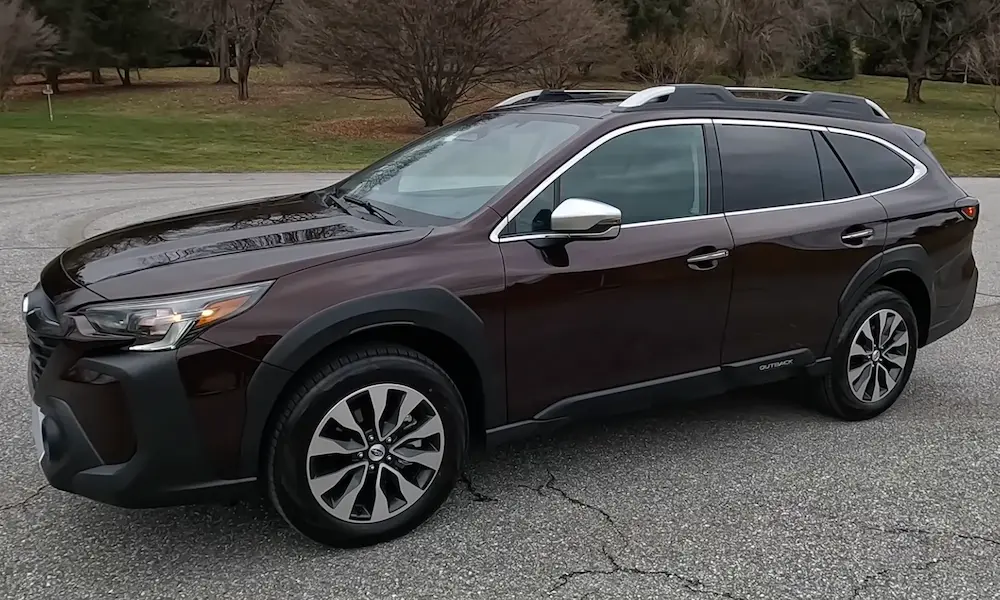
- Outback (2009+)
- Legacy (2009+)
- Impreza (2009+)
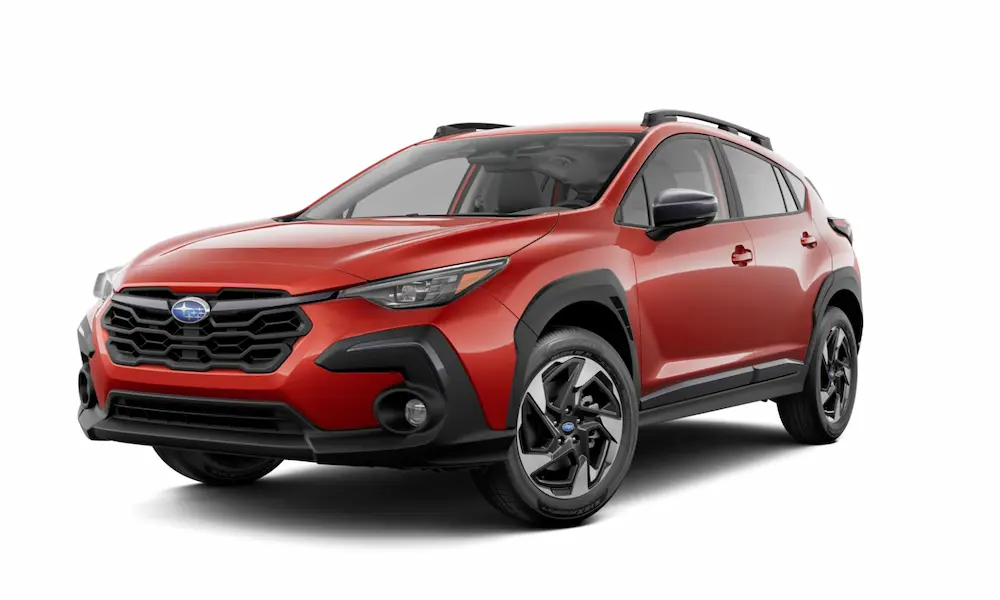
- Crosstrek (all years)
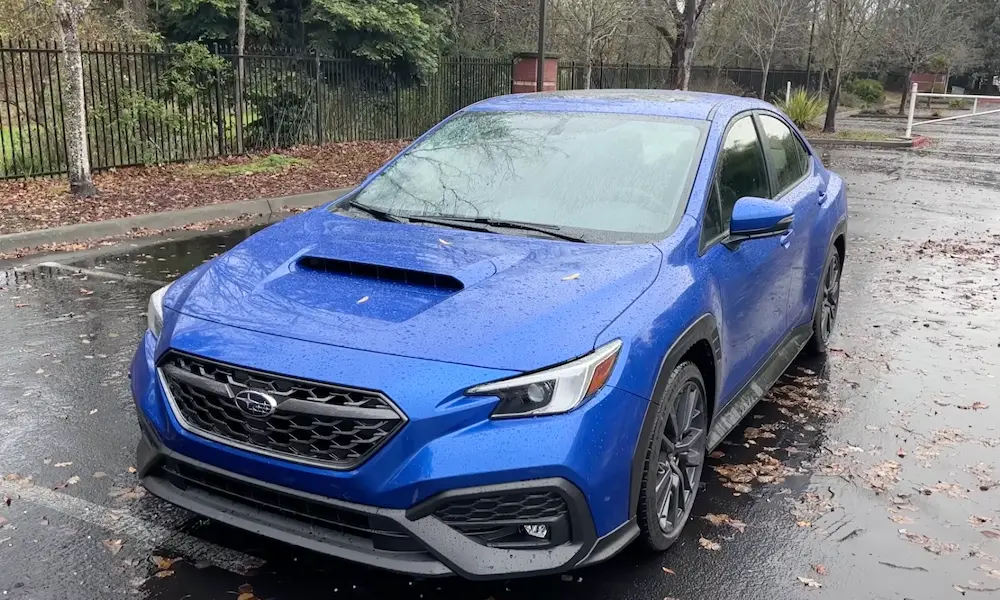
- WRX (2009+) and 2008+ STI
Simple rule: if your Subaru was built in the last 15 years, grab the blue stuff.
Legacy EJ Engines (The Complicated Ones)
EJ engines are where things get messy. These motors are notorious for head gasket issues, and coolant type plays a role in prevention.
EJ25D engines (1996-1999) in Legacy, Outback, Forester, and Impreza models can use standard green coolant. These engines typically fail internally—coolant mixes with oil rather than leaking externally.
EJ251/252/253 engines (1999-2008) are the problem children. They leak externally around 80,000-120,000 miles, and you’ll need both green coolant AND cooling system conditioner.
The Cooling System Conditioner Controversy
Part number SOA635071 is basically stop-leak in a fancy bottle. Subaru introduced it in 2004 as part of service program WWP-99 to address head gasket seepage in certain EJ engines.
Each 4.4 oz bottle gets added whenever you change coolant in susceptible engines. It swells gaskets slightly to prevent minor leaks.
The debate: Some mechanics swear by it for non-turbo EJ engines. Others warn it can clog radiators and heater cores over time. If you’ve got a turbocharged engine, most experts say skip it unless you’re already seeing seepage.
Here’s my take: if you’ve got a 1999-2008 non-turbo EJ25, use it. If you’re running a turbo model or don’t have the specific engines Subaru recommends it for, you’re better off without it.
Can You Mix Subaru Coolant Types?
Yes, but you’ll hate the consequences.
Blue and green coolants are chemically compatible, but mixing them kills your service interval. The second you add any green coolant to blue, you’re back on the 30,000-mile schedule.
That 137,500-mile first service? Gone. You’re now changing coolant every 30,000 miles like it’s 2005.
The mixing math:
- 100% blue = 137,500 miles first service, then 75,000 miles
- 99% blue + 1% green = 30,000 miles
- Any mixture with green = 30,000 miles
Never mix brands either. Universal coolants don’t meet ASTM D-3306 specifications the same way Subaru formulas do.
Acceptable Alternatives to OEM Coolant
Dealer prices for Subaru coolant run $25-30 per gallon. That stings when you need multiple gallons for a flush.
Peak Original Equipment Technology Asian Vehicle Coolant (Blue) is the most recommended alternative. It’s POAT formulation specifically designed for Asian vehicles including 2009+ Subarus. Meets ASTM D-3306 and JIS K2234 standards.
Prestone Asian Vehicle Coolant works too, though it’s yellow instead of blue. Compatible with Subaru specs but don’t mix it with existing blue coolant during top-offs.
I’d still recommend OEM for complete flushes. The service intervals are so long that cost difference becomes negligible over ownership.
Service Intervals That Actually Matter
Forget generic automotive advice. Subaru cooling systems have their own rules.
For 2009+ Models with Blue Coolant
Subaru’s official schedule:
- First service: 137,500 miles OR 11 years (whichever comes first)
- Subsequent services: 75,000 miles OR 6 years
If you tow regularly or live in extreme climates, knock 20% off those numbers. Heat and stress break down coolant faster.
For Pre-2009 Models with Green Coolant
Much more frequent maintenance:
- Every 30,000 miles OR 2-3 years
- Add fresh conditioner with each coolant change (if applicable)
- Monitor coolant condition more often if approaching head gasket failure mileage
How Coolant Type Connects to Head Gasket Problems
Here’s the truth about Subaru head gaskets: the boxer engine design keeps gaskets submerged in coolant constantly. That’s different from inline or V-engines where gaskets see less coolant exposure.
Early coolant formulas didn’t play nice with gasket materials. Chemical reactions accelerated degradation. Subaru developed Super Coolant specifically to address this chemistry problem.
The POAT formulation without Supplemental Coolant Additives (SCA) protects aluminum engines and gasket materials better than anything else. This is why Subaru gets so specific about coolant type—they learned expensive lessons.
Modern FA/FB engines don’t have the same head gasket reputation because the cooling system chemistry got sorted out.
Warning Signs Your Coolant Needs Attention
Don’t wait for scheduled maintenance if you notice these symptoms.
Immediate concerns:
- Milky appearance (oil mixing with coolant)
- Sweet smell from vents or under hood
- Temperature gauge reading higher than normal
- Visible puddles under the car, especially near the engine
- White smoke from exhaust
External head gasket leaks typically show as seepage around the cylinder heads. You’ll see crusty residue on the engine block between the head and block.
Internal leaks are sneakier. Your oil looks like a chocolate milkshake, or you’re constantly adding coolant without visible leaks.
Either way, get it checked before you’re stranded with an overheated engine.
Where to Buy and What to Look For
Dealerships carry OEM coolant, but you’ll pay premium prices. Authorized online retailers like Subimods often discount bulk purchases.
Visual identification tips:
- Blue Super Coolant: white bottles (pre-2023) or black bottles (2023+), blue liquid
- Green Long Life Coolant: white bottles with green labels, green concentrate
- Cooling System Conditioner: small blue bottles with red caps, 4.4 oz size
Check part numbers carefully. Counterfeit coolant exists, especially online. Stick with known retailers or your dealer for critical stuff like this.
The Service Intervals Table
Here’s a quick reference for maintenance scheduling:
| Vehicle Year | Engine Type | Coolant Type | First Service | Subsequent Service | Conditioner Needed? |
|---|---|---|---|---|---|
| 2009+ | FA/FB/F-Series | Blue Super Coolant | 137,500 mi / 11 yr | 75,000 mi / 6 yr | No |
| 1996-1999 | EJ25D | Green Long Life | 30,000 mi / 2-3 yr | 30,000 mi / 2-3 yr | No |
| 1999-2008 | EJ251/252/253 | Green Long Life | 30,000 mi / 2-3 yr | 30,000 mi / 2-3 yr | Yes |
| 2008+ | EJ255/257 (Turbo) | Blue Super Coolant | 137,500 mi / 11 yr | 75,000 mi / 6 yr | No |
System Flushing vs. Top-Offs
Topping off low coolant is fine if you’re using the correct type. But eventually you need a complete system flush.
A proper flush removes old coolant, contaminants, and corrosion buildup. Simple drain-and-fill only gets about 50% of old coolant out. The rest hides in your engine block, radiator, and heater core.
Professional flushes use machines that force new coolant through while pulling old stuff out. Worth the extra cost when you’re hitting those service intervals.
If you’re DIY-inclined, expect to go through 3-4 drain-and-fill cycles to get close to complete replacement.
What the Part Numbers Actually Mean
SOA868V9270 = Original blue Super Coolant formula (pre-2023)
SOA868V9272 = Updated blue Super Coolant formula (2023+)
SOA868V9210 = Green Long Life Coolant concentrate (discontinued)
SOA635071 = Cooling System Conditioner
The SOA prefix indicates Subaru of America parts. Different regions might have different part numbers for the same products.
Long-Term Cost Reality
Here’s the math that matters: on a 2020 Outback, you won’t touch coolant until 2031 or 137,500 miles. Call it $100 for fluid and service.
Compare that to a 2005 Outback needing service every 30,000 miles. You’re looking at 4-5 services over the same timeframe. Even DIY, you’re spending more in materials alone.
The modern blue coolant costs more upfront but saves money long-term. Plus you’re not spending time under your car every couple years.
The Bottom Line on Subaru Coolant Type
If you’ve got a 2009+ Subaru, buy blue Super Coolant and forget about it for a decade. If you’re running an older EJ engine, stick with green Long Life Coolant and add conditioner if Subaru recommends it for your specific engine.
Don’t mix types unless you enjoy frequent maintenance. Don’t use universal coolants because they’re cheaper. And don’t ignore service intervals just because your car seems fine.
Your Subaru’s cooling system is engineered around specific coolant chemistry. Work with it, not against it, and you’ll avoid becoming another head gasket failure statistic.