Is your Subaru’s cruise control light suddenly putting on a light show on your dashboard? This warning isn’t just annoying – it’s your car’s way of telling you something needs attention. The good news? Many causes are surprisingly simple to fix. Let’s dive into what’s happening, why it matters, and how to get your Subaru back to normal.
What Does a Flashing Cruise Control Light Actually Mean?
When your Subaru’s cruise control light starts flashing, it’s not actually a cruise control problem. Weird, right? In Subarus built from 2005 onward, this flashing light is programmed to activate whenever the check engine light comes on. It’s a clever attention-grabbing tactic from Subaru’s engineers.
Why? Because many drivers ignore a steady check engine light, but it’s harder to miss a flashing cruise control indicator. Your car’s Engine Control Unit (ECU) has detected an issue and is using this flashing light as an additional warning system.
The Safety Protocol Behind It
Your Subaru automatically disables several systems when it detects potential problems:
- Cruise control functionality
- Vehicle Dynamics Control (VDC) in some models
- Advanced driver assistance features in newer models
- EyeSight safety systems (if equipped)
This isn’t a glitch – it’s a safety feature designed to protect you. If something’s wrong with your engine, you don’t want automated systems potentially making the situation worse.
Common Reasons Your Subaru’s Cruise Control Light is Flashing
1. The Gas Cap Culprit
Believe it or not, the most common cause is embarrassingly simple: a loose or damaged gas cap. This tiny component is responsible for countless dashboard warnings.
When your gas cap isn’t properly sealed, it creates a small leak in the Evaporative Emission Control (EVAP) system. Your car’s computer detects this leak, triggers the check engine light, and that activates the flashing cruise control light.
How to check your gas cap:
- Pull over safely
- Remove the gas cap completely
- Inspect for cracks or damage on the cap and rubber gasket
- Reinstall, turning until it clicks 3-5 times
A proper seal should give you multiple audible clicks. If the cap is damaged, replacement is inexpensive ($15-45) and might solve your problem immediately.
2. EVAP System Leaks
Beyond the gas cap, other components in the EVAP system can develop leaks that trigger these warnings. The system uses various sensors, valves, and hoses to capture and recycle fuel vapors.
Common problem areas include:
- Damaged vapor lines or hoses
- Faulty purge control valve
- Defective canister vent valve
- Cracked fuel tank
- Failed fuel tank sending unit gasket
These issues typically generate specific diagnostic trouble codes like P0442 (small EVAP leak), P0456 (very small leak), or P0455 (large leak). These codes help pinpoint exactly where the problem lies.
3. Engine Misfire Issues
A more serious cause involves engine misfires. When one or more cylinders fails to fire correctly, performance suffers, and warning lights illuminate.
Misfire-related issues typically involve:
- Worn spark plugs or ignition wires
- Faulty ignition coils
- Vacuum leaks
- Fuel delivery problems
- Carbon buildup
Warning: If your check engine light is flashing (not just on steadily) while the cruise control light flashes, this indicates active misfiring that can damage your catalytic converter. Stop driving immediately and have the vehicle towed to prevent expensive damage.
4. Catalytic Converter Problems
The P0420 code (“Catalytic Converter Efficiency Below Threshold”) is notoriously common in certain Subaru models, especially those from the 2000s. This code appears alongside the flashing cruise control light and can result from:
- An aging catalytic converter
- Failed oxygen sensors
- Previous engine misfires damaging the converter
- Fuel mixture issues
While fixing catalytic converter issues is expensive ($1,200-1,400 for genuine parts), proper diagnosis is essential to rule out cheaper fixes like oxygen sensors or exhaust leaks.
5. Oxygen Sensor Failures
Oxygen sensors monitor exhaust gases to help optimize your engine’s fuel mixture. When they fail, your car can’t properly regulate fuel delivery, triggering warning lights. Symptoms include:
- Poor fuel economy
- Rough idling
- Failed emissions tests
- Sluggish acceleration
How to Diagnose the Problem
Reading the Codes
The first step in solving any check engine light issue is reading the diagnostic trouble codes (DTCs). These codes tell you exactly what the car’s computer has detected.
You have several options:
- Visit an auto parts store for free code reading
- Use an inexpensive code reader ($20-100)
- Visit a Subaru dealership or mechanic
The code provides a starting point for diagnosis. For example:
- P0440-P0457 codes suggest EVAP system issues (often gas cap related)
- P0300-P0304 codes indicate misfires in specific cylinders
- P0420-P0430 codes point to catalytic converter problems
Professional vs. DIY Diagnosis
While reading codes is simple, some issues require professional equipment:
EVAP leaks are particularly challenging to locate without specialized smoke testing equipment. The system must remain completely sealed, and even tiny holes can trigger warnings.
Misfire diagnosis might require cylinder compression tests, fuel pressure analysis, and spark testing that goes beyond basic code reading.
Quick Fixes You Can Try
The Gas Cap Reset Method
If your codes point to EVAP system issues, try this simple fix:
- Turn off the engine
- Remove the gas cap completely
- Check for cracks or damage
- Reinstall, turning until it clicks multiple times
- If damaged, replace with a genuine Subaru part
After fixing a gas cap issue, it might take 3-4 driving cycles (15-20 minutes each) for the warning lights to reset. Be patient – your ECU needs time to verify the problem is fixed.
Clearing Codes After Repairs
Once you’ve fixed the underlying issue, you can:
- Disconnect the battery for 15+ minutes (this erases codes but also resets radio, clock, etc.)
- Use an OBD-II scanner to clear codes
- Drive several complete cycles until the system self-resets
Note that simply clearing codes without fixing the problem means they’ll likely return quickly.
When Professional Help Is Needed
Contact a qualified Subaru technician immediately if:
- Check engine light is flashing (not steady)
- Engine runs rough or loses power
- Multiple warning lights appear simultaneously
- DIY repairs don’t resolve the issue
Continuing to drive with active engine problems can cause expensive damage, particularly to the catalytic converter if misfires are present.
Maintenance Tips to Prevent Future Problems
EVAP System Care
- Always ensure your gas cap clicks properly after refueling
- Avoid overfilling your fuel tank
- Replace gas caps every 5-7 years or if damaged
- Have the EVAP system inspected during routine maintenance
Engine Maintenance
- Follow Subaru’s spark plug replacement intervals
- Use only OEM ignition components (aftermarket parts often cause issues in Subarus)
- Address oil leaks promptly (they can contaminate spark plugs)
- Maintain proper engine oil levels
Regular Inspections
Have your Subaru’s diagnostic systems checked:
- Every 15,000 miles or during routine service
- Immediately when warning lights appear
- Before emissions testing
- When experiencing performance issues
Model-Specific Considerations
Older Models (2005-2009)
Early implementations of the cruise control warning feature may be more sensitive to minor EVAP leaks. These models are particularly prone to P0420 catalytic converter codes due to their aging emission systems.
EyeSight-Equipped Models
Newer Subarus with advanced safety systems will disable multiple features beyond cruise control when engine problems occur. These vehicles require more comprehensive diagnosis due to their interconnected safety systems.
Turbocharged Models
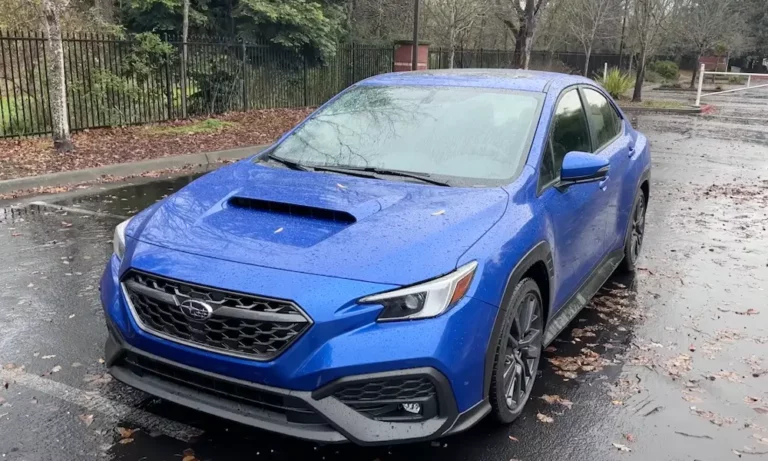
WRX and other turbocharged Subarus may have additional complexity in ignition system diagnosis and might be more sensitive to fuel quality issues that can trigger codes.
The Environmental Impact
Understanding that EVAP system problems affect emissions helps motivate proper repairs. Even small leaks allow fuel vapors to escape into the atmosphere, contributing to smog formation. While it’s generally safe to drive with EVAP issues, it’s not environmentally responsible.
Cost Expectations for Repairs
DIY Repairs
- Gas cap replacement: $15-$45
- Spark plugs (set of 4): $40-$80
- Basic OBD-II scanner: $20-$100
Professional Repairs
- EVAP system diagnosis: $100-$150
- Purge valve replacement: $150-$300
- Catalytic converter replacement: $1,200-$1,400
- Complete ignition system service: $300-$600
Making Sense of It All
The flashing cruise control light in your Subaru is an intelligent warning system that helps catch problems early. While it might seem annoying, this feature can save you from more expensive repairs by alerting you to issues promptly.
The key is proper diagnosis – understanding exactly what triggered the warnings helps you determine whether it’s a simple fix like tightening your gas cap or something requiring professional attention.
Remember that this warning system exists for your safety. The temporary inconvenience of disabled cruise control prevents potentially dangerous situations while ensuring your Subaru remains reliable for years to come.
By addressing these warnings promptly and maintaining regular service, you’ll keep your Subaru running smoothly – and keep those warning lights where they belong: off your dashboard.