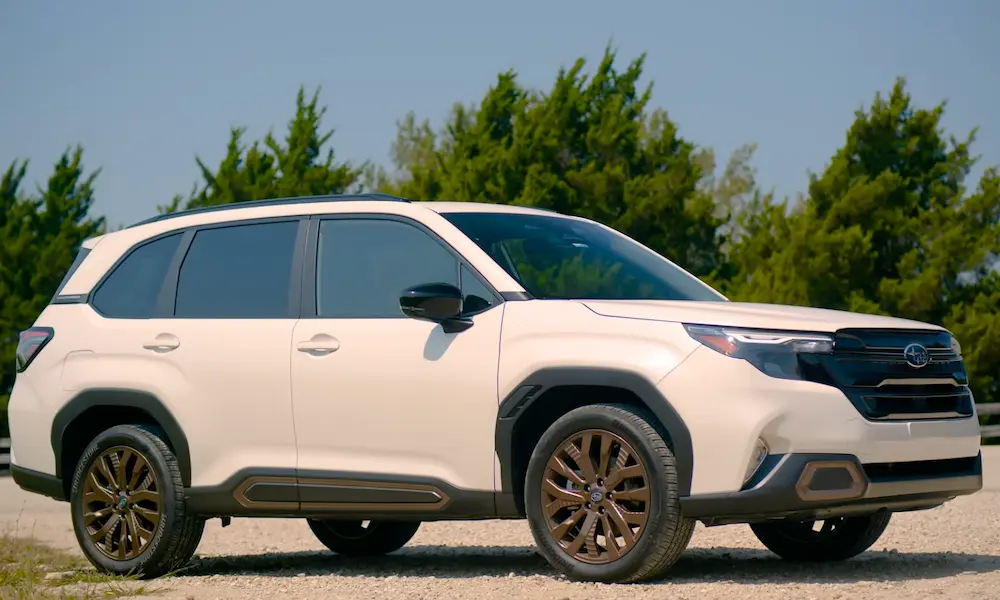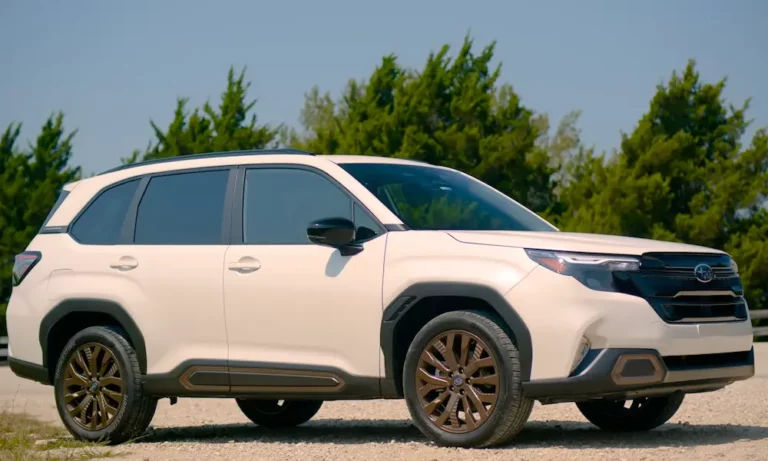
Keeping your Subaru Forester running smoothly doesn’t need to be complicated. With the right maintenance schedule, you can extend your vehicle’s life well beyond 200,000 miles while avoiding expensive repairs. I’ve put together this comprehensive guide to help you understand exactly when to service your Forester and how much you should budget.
Understanding Subaru’s Service Interval System
Subaru has designed a straightforward maintenance schedule for the Forester based on a rotation of service types. The foundation of this system relies on regular service every 6,000 miles or 6 months, whichever happens first.
The Four Main Service Categories
Subaru organizes maintenance into four primary service types (A, B, C, and D) that repeat throughout your Forester’s lifetime:
Service A (6,000-mile intervals: 6K, 18K, 42K, 54K miles)
- Oil and filter change
- Tire rotation
- Fluid level checks
- Multi-point inspection
Service B (12,000-mile intervals: 12K, 24K, 48K miles)
- Everything in Service A
- Brake inspection
- HVAC filter replacement
- More detailed component checks
Service C (30,000-mile intervals: 30K, 90K miles)
- Everything in Service B
- Brake fluid replacement
- Engine air filter change
- Comprehensive system inspections
Service D (60,000-mile intervals: 60K, 120K miles)
- Everything in Service C
- Spark plug replacement
- Transmission fluid service
- Differential fluid changes
This systematic approach to maintenance ensures that every important component receives attention at the optimal time.
What “Normal” vs. “Severe” Conditions Really Mean
Here’s something many dealerships won’t emphasize: most Forester owners actually qualify for “severe” maintenance schedules without realizing it. You’re driving in severe conditions if you:
- Make frequent short trips (less than 5 miles)
- Drive in stop-and-go traffic
- Experience extreme temperatures (very hot or cold)
- Drive in dusty areas
- Tow a trailer
- Drive in mountainous regions
Under these conditions, Subaru recommends oil changes every 3,000 miles rather than 6,000. Be honest about your driving patterns—most of us fall into the “severe” category.
Essential Maintenance Items: What Needs Service When
Oil Changes: The Foundation of Forester Maintenance
Oil changes remain the most critical regular maintenance item for your Subaru Forester. The standard interval is 6,000 miles under normal conditions, but drops to 3,000 miles for severe driving.
Why it matters: The boxer engine design means oil needs to work harder to protect your engine’s horizontal cylinders. Fresh oil prevents excessive wear on critical engine components.
Cost breakdown:
- DIY: $35-50 (oil + filter)
- Independent shop: $60-90
- Dealership: $90-120
Tire Rotations: Critical for AWD Systems
The Forester’s all-wheel-drive system requires evenly worn tires to function properly. You should rotate tires at every oil change (6,000 miles or less).
Why it matters: Uneven tire wear can damage your AWD system, leading to expensive repairs. Regular rotations extend tire life and maintain optimal traction.
Cost breakdown:
- When combined with oil change: Often free or $20-30
- Standalone service: $25-40
Filters: More Important Than You Think
Your Forester has several filters that need regular replacement:
Cabin air filter (12,000 miles)
- Keeps your interior air clean
- DIY cost: $15-25
- Professional cost: $50-80
Engine air filter (30,000-36,000 miles)
- Ensures proper engine combustion
- DIY cost: $20-30
- Professional cost: $60-100
Neglecting these filters can reduce fuel efficiency and engine performance while allowing contaminants to damage sensitive components.
Major Service Milestones: Planning for the Big Ones
The 30,000-Mile Service: Your First Major Checkpoint
The 30,000-mile service represents the first comprehensive maintenance milestone for your Forester. This service typically includes:
- Brake fluid replacement
- Engine air filter replacement
- Comprehensive inspections of fuel and cooling systems
- Drive belt inspection
Cost expectations:
- Dealership: $300-450
- Independent shop: $200-300
- DIY: $100-150 (parts only)
Why it matters: This service addresses several systems that begin to show wear around the 30,000-mile mark. Replacing brake fluid at this interval is particularly important for maintaining proper brake performance.
The 60,000-Mile Service: The Most Comprehensive Service
The 60,000-mile service is the most significant and often most expensive maintenance interval for Forester owners. This service includes:
- Spark plug replacement
- Differential fluid changes
- Brake fluid replacement
- Comprehensive system inspections
- Possible CVT fluid service
Cost expectations:
- Dealership: $800-1,200
- Independent shop: $500-800
- DIY: $200-300 (parts only, some procedures difficult)
The high cost comes primarily from labor-intensive procedures, particularly spark plug replacement. The boxer engine design makes accessing spark plugs especially difficult, requiring 3-4 hours of labor compared to under an hour for many other vehicles.
Critical Components That Need Special Attention
CVT Transmission: The Controversial Fluid Change
One of the most debated maintenance topics among Forester owners concerns CVT fluid service. While Subaru’s official position is that CVT fluid only needs inspection every 36,000 miles (not replacement), many experts strongly disagree.
The reality: Many transmission specialists and experienced Subaru mechanics recommend CVT fluid replacement every 30,000-60,000 miles, especially under severe driving conditions.
Cost expectations:
- Dealership: $350-450
- Independent shop: $200-300
Why it matters: CVT transmission replacements can cost $7,000-9,000, making preventive fluid changes a wise investment. Many owners choose to replace CVT fluid every 60,000 miles as insurance against transmission failure.
Timing Belt vs. Timing Chain: A Critical Difference
There’s a significant distinction between Forester models regarding timing systems:
- 1997-2011 Foresters: Use timing belts requiring replacement every 100,000-125,000 miles at a cost approaching $1,000
- 2013 and newer Foresters: Use timing chains considered “lifetime” components
The transition happened during 2011-2012 when Subaru switched from EJ-series engines (timing belts) to FB-series engines (timing chains). This change significantly reduces long-term maintenance costs for newer Foresters.
Spark Plugs: Why They’re Expensive to Replace
Spark plug replacement in the Forester is notably more complex and expensive than in conventional engines. The horizontally-opposed boxer engine design requires significant disassembly to access spark plugs.
The details:
- Official replacement interval: 60,000 miles
- Parts cost: $60-120 for quality iridium plugs
- Labor: 3-4 hours ($250-400)
Why it’s expensive: Technicians must remove the intake manifold, air box, and often the battery to access all four spark plugs. This labor-intensive process accounts for the high service cost.
Cost Analysis: What to Budget for Forester Maintenance
Annual Maintenance Budget Planning
For a typical driver covering 12,000 miles annually, expect these approximate maintenance costs:
- DIY maintenance: $200-250 annually
- Independent shop: $380-450 annually
- Dealership: $450-550 annually
These figures include regular oil changes, filter replacements, and amortized costs of major services. High-mileage drivers should budget 25-40% more due to accelerated service intervals.
The most expensive maintenance years occur at 60,000-mile intervals when spark plugs, differential fluids, and comprehensive inspections coincide. Planning for these major service intervals helps avoid unexpected expenses.
Service Provider Comparison Table
| Service Provider | Advantages | Disadvantages | Best For |
|---|---|---|---|
| Dealership | Genuine parts, specialized technicians, warranty protection | 30-50% more expensive, may recommend unnecessary services | New vehicles under warranty, complex electrical issues |
| Independent Subaru Specialist | Lower cost, personalized service, Subaru expertise | May not have latest diagnostic tools, varying quality | Out-of-warranty vehicles, major services, cost-conscious owners |
| General Repair Shop | Lowest cost, convenient locations | Limited Subaru expertise, may use non-OEM parts | Basic maintenance, out-of-warranty vehicles |
| DIY | Maximum cost savings, personal knowledge of vehicle | Requires tools, space, and technical knowledge | Oil changes, filter replacements, basic inspections |
For the best balance of cost and quality, many owners find that independent Subaru specialists provide the best value, particularly for vehicles outside the warranty period.
Model Year Variations: Important Differences
2019 and Newer Foresters
The 2019 redesign brought significant changes to the Forester lineup:
- Standardized FB25 engine across all trim levels
- Eliminated turbocharged XT models
- Improved CVT transmission design
- Enhanced EyeSight driver assistance systems
These changes standardized maintenance requirements across the model line, eliminating the complexity of different engine options. Current naturally-aspirated models also simplify maintenance scheduling and reduce costs compared to previous turbocharged variants.
Older Models: Special Considerations
If you own a pre-2019 Forester, note these important maintenance differences:
- 1997-2011 models require timing belt replacement (100,000-125,000 miles)
- 2014-2018 turbocharged XT models need more frequent oil changes and different spark plug specifications
- Pre-2014 models have 4-speed automatic or manual transmissions rather than CVTs
These older models often have different maintenance schedules and component designs that require specific service approaches.
Best Practices for Forester Maintenance
Keep Detailed Service Records
Maintaining detailed service records is essential for:
- Warranty coverage
- Resale value
- Tracking maintenance history
- Planning future services
Subaru requires proof of maintenance for warranty claims, making documentation critical. Digital service records through MySubaru.com provide convenient tracking, though paper records remain acceptable.
When using independent shops, ensure they use quality parts and follow Subaru specifications to maintain warranty eligibility. Keep all receipts and detailed service descriptions.
Adopt a Preventive Maintenance Philosophy
The Forester responds extremely well to consistent, proactive maintenance. Following these principles will save you money and extend your vehicle’s life:
- Follow manufacturer recommendations as a minimum standard
- Use genuine Subaru fluids or exact equivalents
- Address small issues before they become major problems
- Budget for maintenance as an investment, not an expense
The cost of preventive maintenance is typically 25-50% less than reactive repairs, making adherence to schedules financially beneficial in the long run.
DIY Maintenance: What You Can Handle Yourself
Many Forester owners save money by performing basic maintenance themselves. These services are well-suited for DIY:
Oil and filter changes
- Tools needed: Jack, jack stands, oil filter wrench, drain pan
- Time required: 30-45 minutes
- Savings: $40-70 per service
Air filter replacement
- Tools needed: Basic hand tools
- Time required: 10-15 minutes
- Savings: $30-60 per filter
Cabin air filter replacement
- Tools needed: Screwdriver
- Time required: 5-10 minutes
- Savings: $30-50 per filter
Wiper blade replacement
- Tools needed: None
- Time required: 5 minutes
- Savings: $20-30 per set
These simple maintenance tasks can save hundreds of dollars annually while giving you better insight into your vehicle’s condition.
Recognizing When Your Forester Needs Attention
Between scheduled services, pay attention to these warning signs that your Forester needs maintenance:
Warning lights: Never ignore check engine, oil pressure, or temperature warnings
Unusual noises:
- Grinding during braking indicates worn brake pads
- Clicking during turns suggests CV joint issues
- Whining from the transmission may indicate CVT problems
Performance changes:
- Decreased fuel economy (more than 2 MPG)
- Rough idling or hesitation during acceleration
- Hard starting or stalling
Visual indicators:
- Fluid leaks under the vehicle
- Uneven tire wear
- Smoke from exhaust
Addressing these issues promptly can prevent more expensive repairs later. Many Foresters have reached 300,000+ miles through attentive maintenance and quick resolution of developing problems.
Long-Term Reliability: Maximizing Your Forester’s Lifespan
The Subaru Forester has earned a strong reputation for longevity when properly maintained. To maximize your vehicle’s lifespan:
- Follow the manufacturer’s maintenance schedule as a minimum standard
- Use high-quality fluids and parts
- Address small issues before they become major problems
- Choose service providers based on Subaru experience and quality standards
Most importantly, commit to consistent maintenance. The Forester’s reputation for reliability directly correlates with adherence to regular service, making scheduled maintenance the most important factor in long-term ownership satisfaction.
With proper care, your Subaru Forester can deliver 200,000+ miles of dependable service, making it one of the most durable and cost-effective SUVs on the market.