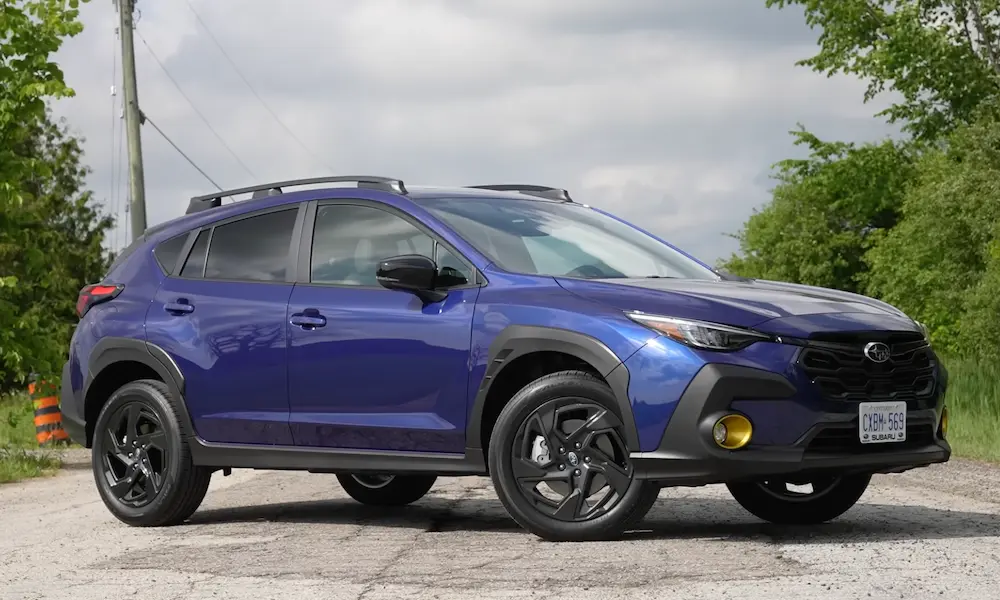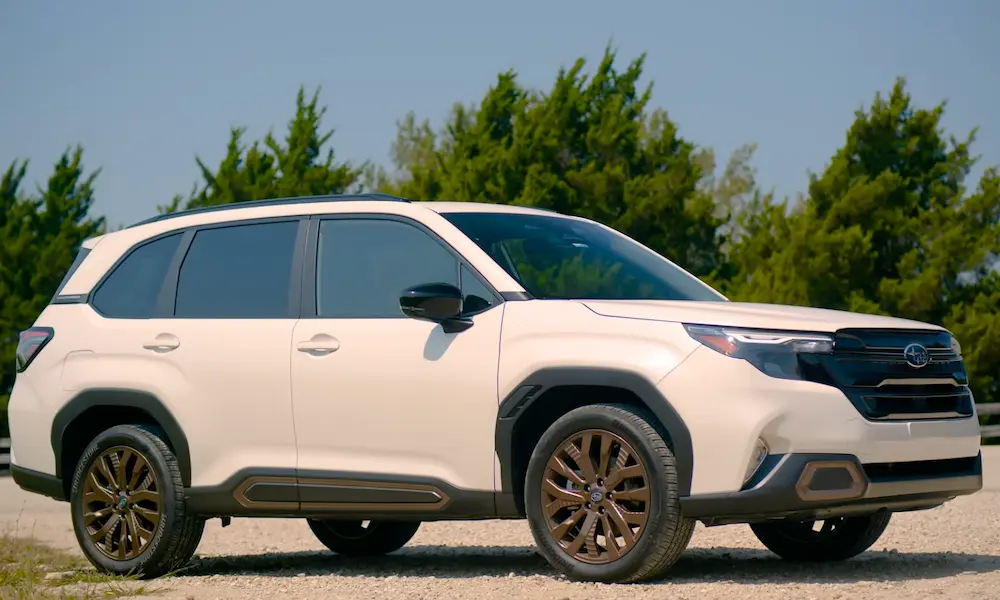
Ever turned your Subaru off after a long day, only to find your key refusing to come out of the ignition? You’re facing a widespread issue that’s affected hundreds of thousands of Subaru vehicles. This frustrating problem has prompted extended warranties and recalls from the manufacturer. Let’s dive into what’s happening, which vehicles are affected, and how you can get it fixed—possibly at no cost to you.
Understanding the Subaru Key Stuck Problem
When your Subaru key gets stuck in the ignition, it’s typically because your vehicle’s shifter mechanism isn’t properly communicating with the car’s computer. The system thinks your car isn’t fully in park, so it keeps the key locked as a safety measure.
The most common culprit is the CVT parking brake switch. When contamination builds up in this component, it prevents the switch from sending the proper signal to your car’s Body Control Module. Without confirmation that your transmission is safely in park, the system won’t release your key.
This isn’t just an annoying quirk—it’s a recognized issue that Subaru has addressed through official channels.
Affected Subaru Models and Years
The key stuck problem primarily affects Subaru vehicles equipped with continuously variable transmissions (CVTs). According to warranty extension documentation, these models are covered:
- 2012-2018 Impreza
- 2013-2018 Crosstrek
- 2014-2018 Forester
- 2015-2018 Legacy
- 2015-2018 Outback
- 2015-2018 WRX
If you drive one of these models and have experienced the key stuck issue, you might be eligible for free repairs.
Warranty Extension vs. Safety Recall: Important Distinctions
There’s often confusion between the key stuck problem and more serious safety recalls. Let’s clarify:
CVT Parking Brake Switch Warranty Extension (2021)
This is the most common issue affecting Subaru owners. While annoying, it doesn’t pose a safety risk while driving. Subaru addressed it through a warranty extension rather than a formal recall:
- Coverage extended to 8 years with unlimited mileage from original purchase date
- Warranty extension was effective through October 31, 2022
- Long-term coverage continues for eligible vehicles
Safety-Critical Ignition Switch Recall (WUF-91, 2019)
This is a separate and more serious issue that affected a much smaller number of vehicles—just 511 in total. According to NHTSA documentation, the problem involved:
- Replacement ignition switches with defective ball springs
- Risk of the ignition moving from “ON” to “ACC” position while driving
- Potential for engine shutdown and crash risk
- Affected older models (2005-2014) where replacement ignition switches had been installed
Ignition Coil Recall (WUQ-02, 2021)
A third issue involved ignition coils in 466,205 vehicles. This recall affected 2017-2019 Impreza and 2018-2019 Crosstrek models, where:
- The Engine Control Module could continue powering ignition coils after engine shutdown
- This could potentially cause short circuits and engine stalling
Quick Fixes When Your Key Gets Stuck
Before rushing to the dealership, try these temporary solutions that often work:
- Restart and Shift Method: Start the engine, move the shifter to another gear (like Drive or Reverse), then back to Park.
- Shifter Button Technique: While in Park, press the shifter button four times consecutively, then try removing the key.
- Steering Wheel Movement: Gently wiggle the steering wheel left and right while attempting to remove the key.
- Ensure Complete Park Engagement: Push your shifter firmly forward to make sure it’s fully engaged in Park.
These simple tricks often work because they help reset the connection between your shifter position and the ignition system. However, they’re just temporary fixes for an underlying issue.
How to Check if Your Vehicle Is Covered
Before paying for repairs out-of-pocket, verify your coverage through these official channels:
- NHTSA Website: Enter your VIN at SaferCar.gov to check for open recalls.
- Subaru Customer Service: Call 1-844-373-6614 for general coverage verification.
- CVT Park Switch Hotline: For the specific key stuck issue, call 877-551-7149 to verify your warranty extension status.
- Local Dealership: Your Subaru dealer can use your VIN to confirm coverage and eligibility.
Cost Breakdown: Coverage vs. Out-of-Pocket
When It’s Covered (Free Repairs)
- All recall repairs are free when your vehicle falls within the coverage period
- CVT park switch repairs cost $0 under the warranty extension
- Reimbursement is available if you paid for repairs before the warranty extension was announced
When You Pay (Typical Repair Costs)
If your vehicle falls outside coverage periods, expect these expenses:
| Repair Type | Parts Cost | Labor Cost | Total |
|---|---|---|---|
| Park switch replacement | $150-300 | $250-400 | $400-700 |
| Complete ignition switch | $150-300 | $250-400 | $400-700 |
| Diagnosis fee | — | $100-150 | $100-150 |
These costs can vary by location and dealership, with independent mechanics sometimes offering lower rates.
Technical Details: Why Keys Get Stuck
The root cause of the key stuck problem typically involves the park-range switch within the shifter assembly. This switch is designed to:
- Confirm the transmission is in Park
- Send a signal to the Body Control Module
- Allow the ignition cylinder to release the key
When this switch becomes contaminated or wears out, it fails to send the proper signal. The system then keeps your key locked as a safety precaution—preventing you from leaving your car in a potentially unsafe condition.
Subaru issued Technical Service Bulletin 16-112-18R addressing this issue, giving dealers diagnostic procedures and repair protocols to follow.
Getting Reimbursed for Previous Repairs
If you paid to fix this issue before learning about the warranty extension, you might qualify for reimbursement. According to the official warranty extension, you’ll need:
- Repair receipts showing you paid for the covered repair
- Proof of payment (credit card statement, canceled check, etc.)
- Documentation showing the repair occurred after your original warranty expired but before the extension was announced
Submit your claim online at recallapps.com/app/Subaru with all required documentation.
DIY Repair Considerations and Risks
Some technically inclined owners have implemented temporary fixes by disconnecting the park sensor wire under the steering column. While this might work, it comes with significant drawbacks:
- Disables key safety features including door chimes
- May affect other vehicle safety systems
- Could impact warranty coverage for related components
- Might not be a permanent solution
For most owners, the free warranty repair is a better option than risking DIY modifications.
The Technical Service Bulletin Explained
Subaru’s Technical Service Bulletin for this issue outlines the official repair procedure. When you take your vehicle to the dealership, technicians will:
- Diagnose the park switch signal issues
- Remove the center console to access the shifter assembly
- Replace the park-range switch component
- Reassemble and test the system to confirm proper operation
This repair typically takes 1-2 hours at the dealership but resolves the issue permanently when done correctly.
Common Owner Experiences and Frustrations
Many Subaru owners report similar experiences with the key stuck issue:
- The problem often starts intermittently, becoming more frequent over time
- Cold weather seems to worsen symptoms for many drivers
- Some owners report success with the temporary fixes for months before needing permanent repairs
- Dealership awareness of the warranty extension varies, with some owners needing to provide TSB numbers
According to discussions in consumer forums, persistence pays off when dealing with reluctant dealerships. Having documentation of the warranty extension ready can help ensure you receive covered service.
The Bigger Picture: Subaru’s Ignition Issues
The key stuck problem is just one of several ignition-related issues Subaru has addressed in recent years. While frustrating, it’s important to distinguish between:
- Convenience issues: Like the key stuck problem, which is annoying but not dangerous
- Safety recalls: Such as the ignition switch ball spring issue, which could cause engine shutdown while driving
Subaru has generally been proactive about extending coverage for the convenience issues while issuing formal recalls for safety concerns—a distinction that matters for how repairs are prioritized and communicated.
How This Compares to Other Manufacturers’ Recalls
The Subaru key stuck issue is relatively mild compared to some other manufacturer recall crises:
- GM’s ignition switch recall involved 30 million vehicles and was linked to 124 deaths
- Toyota’s unintended acceleration recall affected 9 million vehicles
- Takata airbag recalls impacted nearly 100 million vehicles across multiple manufacturers
By comparison, Subaru’s approach of extending warranties for the non-safety critical key stuck issue while issuing limited recalls for actual safety concerns represents a middle-ground approach to vehicle reliability issues.
Looking Forward: Has Subaru Fixed the Problem?
For newer models, Subaru has made design changes to address the root causes of the key stuck issue:
- Updated parking brake switch designs
- Improved shifter mechanisms
- Better sealing against contamination
These changes appear in models from 2019 onward, which have shown significantly fewer reports of key stuck problems according to consumer forums.
If you’re shopping for a used Subaru, consider these years and potential repair needs when evaluating vehicles from the affected model years.
Taking Action: Next Steps for Owners
If you’re experiencing the key stuck issue in your Subaru:
- Try the temporary fixes mentioned earlier
- Check your coverage using your VIN number
- Contact your Subaru dealer for warranty service if covered
- Keep all repair receipts if you need to pay out-of-pocket
- File for reimbursement if eligible
With proper documentation and persistence, most affected owners can get this issue resolved at little or no cost. The key is knowing your rights under the extended warranty program and being prepared with the correct information when dealing with service departments.