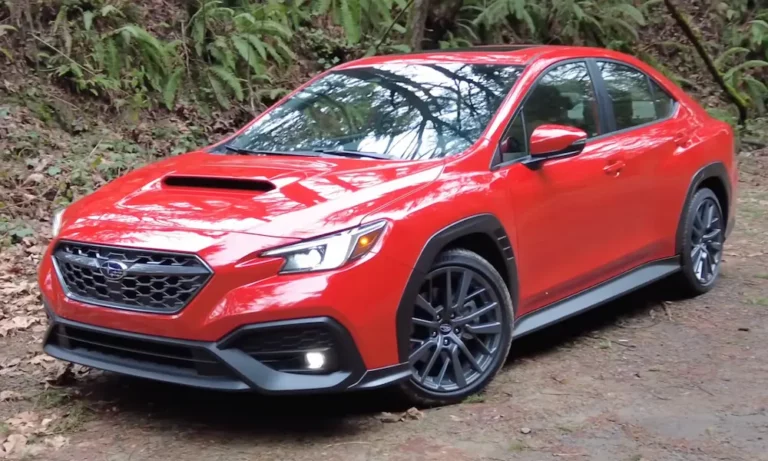
If you own a Subaru made between 2011-2015, you might have noticed your oil light coming on more frequently than expected. That’s because certain Subaru models have become notorious for excessive oil consumption. While adding a quart between service intervals might seem like a minor inconvenience, it could signal a bigger problem that needs attention. Let’s dive into what causes this issue, which models are affected, and what you can do about it.
The Subaru Oil Consumption Problem Explained
Subaru’s oil burning issues aren’t just occasional complaints from a few unlucky owners. The problem became so widespread that Consumer Reports identified four Subaru vehicles in their top 30 list for oil consumption issues. Some unlucky owners reported their cars gulping down oil at rates as high as one quart per 1,000 miles—far more than what’s considered normal.
The root of the problem? Subaru’s transition to more fuel-efficient engines to meet EPA standards. While trying to improve fuel economy, Subaru made design choices that inadvertently created perfect conditions for excessive oil consumption.
Which Subaru Models Burn Oil?
According to Subaru’s Technical Service Bulletin 02-157-14R, these models are most likely to experience oil burning problems:
Models with 2.5-Liter FB Engines:
- 2011-2015 Forester (including manual transmissions)
- 2013-2014 Legacy and Outback
Models with 2.0-Liter FB Engines:
- 2012-2015 Impreza (manual transmissions only for 2014-2015)
- 2013-2015 XV Crosstrek (manual transmissions only for 2014-2015)
The issue is particularly common in the early FB25 engines, where engineering decisions to improve fuel economy came with unintended consequences.
Why Subarus Burn Oil: Technical Causes
Understanding why your Subaru is burning oil helps you make informed decisions about fixing it. Here are the main culprits:
1. Low-Tension Piston Rings
Early FB engines used lower tension piston rings to reduce friction and improve fuel economy. While this design achieved better MPG, it made the rings more likely to stick in their grooves due to carbon buildup. When piston rings don’t create a proper seal, oil can slip past them and burn in the combustion chamber.
2. Ultra-Thin Oil Viscosity
Subaru’s specification of 0W-20 oil helps with fuel economy and cold-weather performance. But this thin oil more easily sneaks past worn seals and rings compared to thicker alternatives. As many mechanics have demonstrated, the thinner the oil, the more readily it can be consumed.
3. Carbon Buildup Issues
Direct injection engines like many FB variants are prone to carbon deposits on intake valves and in combustion chambers. These deposits interfere with proper ring sealing and contribute significantly to oil consumption.
4. PCV System Problems
A failing Positive Crankcase Ventilation (PCV) system dramatically worsens oil consumption. When PCV valves fail in the open position, they can suck oil directly from the crankcase into the intake manifold, where it gets burned.
Signs Your Subaru Is Burning Oil
How do you know if your Subaru has this problem? Look for these warning signs:
- Oil level drops significantly between service intervals
- Low oil warning light comes on before your scheduled oil change
- Blue-gray smoke from the exhaust, especially during acceleration
- Oil spots under the car (though this could indicate leaks rather than burning)
- Need to add a quart or more of oil between regular oil changes
Subaru’s Response to the Oil Consumption Issue
After numerous complaints and a class-action lawsuit filed in 2014, Subaru finally took action. In 2016, they reached a settlement that provided significant relief to affected owners.
The Class Action Settlement and Warranty Extension
The settlement included these key provisions:
- Extended Warranty Coverage: Protection for oil consumption repairs was extended to 8 years or 100,000 miles from the original warranty start date
- Standardized Testing: Subaru established a test procedure where vehicles consuming more than 1/3 quart of oil per 1,200 miles qualify for repair
- Engine Replacement: Initially, Subaru tried fixing the issue by replacing only piston rings, but later updated their approach to require complete short block assembly replacement
The Oil Consumption Test Process
If you suspect your Subaru is burning excessive oil, you can request an oil consumption test at your dealer. According to Subaru’s technical bulletin, the test follows these steps:
- Technicians perform a comprehensive inspection including checks for external leaks and PCV system issues
- Fresh oil is installed and the exact level is documented
- You drive the vehicle for at least 1,200 miles or until the low oil warning light comes on
- If oil consumption exceeds 1/3 quart (10.6 fluid ounces) during this period, your vehicle qualifies for short block replacement
DIY Solutions for Subaru Oil Consumption
If your Subaru is out of warranty or you’d prefer to manage the condition rather than pursue expensive repairs, several DIY approaches can help minimize oil consumption:
1. Switch to Higher Viscosity Oil
Many owners have found success by switching from the factory-recommended 0W-20 to 5W-30 oil. Reddit users report significantly reduced consumption with this simple change. While this may slightly impact fuel economy, it often provides better engine protection and reduced oil loss.
| Oil Type | Pros | Cons |
|---|---|---|
| 0W-20 (Factory) | Better fuel economy, Excellent cold starts | Higher consumption rates, Less protection at high temps |
| 5W-30 (Alternative) | Reduced oil consumption, Better high-temp protection | Slight MPG decrease, Minor cold-start differences |
2. Replace Your PCV Valve
A failing PCV valve is often an overlooked cause of excessive oil consumption. This inexpensive part ($20-50) can make a dramatic difference if it’s the source of your problems. Consider replacing it every 30,000-60,000 miles as preventative maintenance.
3. Shorten Your Oil Change Intervals
Rather than following Subaru’s recommended 6,000-mile oil change interval, many mechanics and enthusiasts suggest changing oil every 3,000-5,000 miles instead. Fresh oil helps prevent carbon buildup that contributes to ring sticking and oil consumption.
4. Use Fuel Additives Occasionally
Occasional use of quality fuel system cleaners can help reduce carbon deposits that contribute to ring sticking. Just be careful not to overuse additives, as some can potentially harm sensitive engine components.
5. Install an Air-Oil Separator
For more serious cases, installing an aftermarket air-oil separator system can significantly reduce consumption. These devices capture oil vapors from the PCV system before they enter the intake manifold.
When Engine Replacement Is Necessary
If DIY methods don’t solve your oil consumption issues, you might need more serious intervention. Here’s what to know about the repair process:
Short Block Replacement Costs
Outside of warranty coverage, a short block replacement typically costs between $7,000-$9,500. This substantial expense often approaches the vehicle’s value, making it a difficult decision for many owners.
The costs break down approximately like this:
- Short block assembly: $3,000-$4,000
- Labor for replacement: $4,000-$5,500
- Additional parts and fluids: $500-$1,000
Is It Worth Fixing?
For vehicles requiring modest oil additions between services, many owners choose to manage the condition rather than pursue expensive repairs. Adding one quart every 2,000-3,000 miles costs approximately $100-150 annually—significantly less than major engine work.
Consider these factors when deciding:
- Vehicle age and overall condition
- Remaining loan balance
- Your long-term plans for the vehicle
- Severity of oil consumption (rates under 1 quart per 1,000 miles are often manageable)
Improvements in Newer Subaru Models
If you’re shopping for a newer Subaru, you’ll be glad to know they’ve largely addressed the oil consumption issues in their current lineup.
Fixed in Modern Subarus
According to Consumer Reports data and owner feedback, oil consumption problems dramatically decreased after the 2015 model year. The 2019 and newer Forester models feature a redesigned FB25D engine that appears to have resolved the historical oil consumption concerns.
Subaru made several key improvements:
- Redesigned piston rings with improved sealing characteristics
- Enhanced PCV system components
- Modified manufacturing tolerances
- Updated engine management software
What Current Owners Are Saying
Owners of 2019 and newer models report significantly fewer oil consumption issues. Most don’t need to add any oil between regular service intervals. However, some isolated cases still occur, particularly in vehicles subjected to severe driving conditions or extreme climates.
Buying a Used Subaru? What to Look For
If you’re considering a used Subaru, particularly a 2011-2015 model with the FB engine, take these extra precautions:
Pre-Purchase Inspection Checklist
- Request service history documentation showing regular oil changes
- Look for evidence of regular oil level monitoring
- Check for any warranty work related to oil consumption
- Ask the current owner about oil consumption habits
- If possible, request an oil consumption test before purchase
- Verify if the vehicle has received a short block replacement under warranty
Best Used Subaru Model Years to Avoid Oil Issues
If you want a used Subaru with minimal risk of oil consumption problems:
- Safer Choices: 2016 and newer models, particularly 2019+ with the updated engines
- High Risk: 2011-2015 models with FB engines, especially early production Foresters
- Medium Risk: 2016-2018 models (improved but not completely resolved)
Maintenance Recommendations for All Subaru Owners
Even if your Subaru isn’t among the most affected models, these maintenance practices will help prevent oil consumption issues:
Regular Monitoring Schedule
Experts recommend checking oil levels every 1,000-2,000 miles or every other fuel fill-up, particularly for vehicles with known consumption issues. This simple habit can prevent catastrophic engine damage from running with insufficient oil.
Quality Matters with Oil and Filters
High-quality synthetic oils with lower volatility ratings tend to resist consumption better than conventional or lower-grade synthetics. Some owners report success with specific brands like Castrol Edge or Rotella T6.
Climate Considerations
Your environment should influence your oil choices:
- In extremely hot climates: Consider slightly thicker oil viscosities
- In very cold regions: Stick with the recommended viscosity for proper cold starts
- For high-altitude driving: Pay extra attention to oil levels as consumption can increase
The Future of Subaru Engines
Subaru has learned valuable lessons from their oil consumption issues. Their current engine designs show significant improvements in this area, with dramatically reduced reports of excessive oil consumption.
The latest Subaru engines feature:
- Improved piston ring designs
- Better manufacturing tolerances
- Enhanced oil control systems
- More robust PCV systems
With these improvements, Subaru continues to maintain their reputation for building long-lasting, reliable vehicles—albeit with a bumpy period during the 2011-2015 model years.
Managing Your Subaru’s Oil Consumption
Living with a Subaru that burns oil doesn’t have to be a constant headache. With proper management and preventative measures, many owners successfully drive these vehicles for years with minimal issues.
The key is developing good habits:
- Keep a quart of the correct oil in your trunk at all times
- Check your oil level at least every other fuel fill-up
- Address any increases in consumption rate promptly
- Follow a more frequent oil change schedule than recommended
- Consider the preventative maintenance suggestions mentioned earlier
By staying proactive about your Subaru’s oil consumption, you can enjoy the many benefits these vehicles offer while minimizing the impact of this common issue.