Experiencing issues with your Subaru Outback’s transmission can be frustrating, especially when it affects your daily routine. Common problems like transmission slipping and jerking can often be linked to low fluid levels or software issues, but regular maintenance might help you avoid these headaches. Discover how you can address these issues and keep your vehicle running smoothly by exploring practical solutions and insights throughout this blog post.
Understanding Subaru Outback Transmission
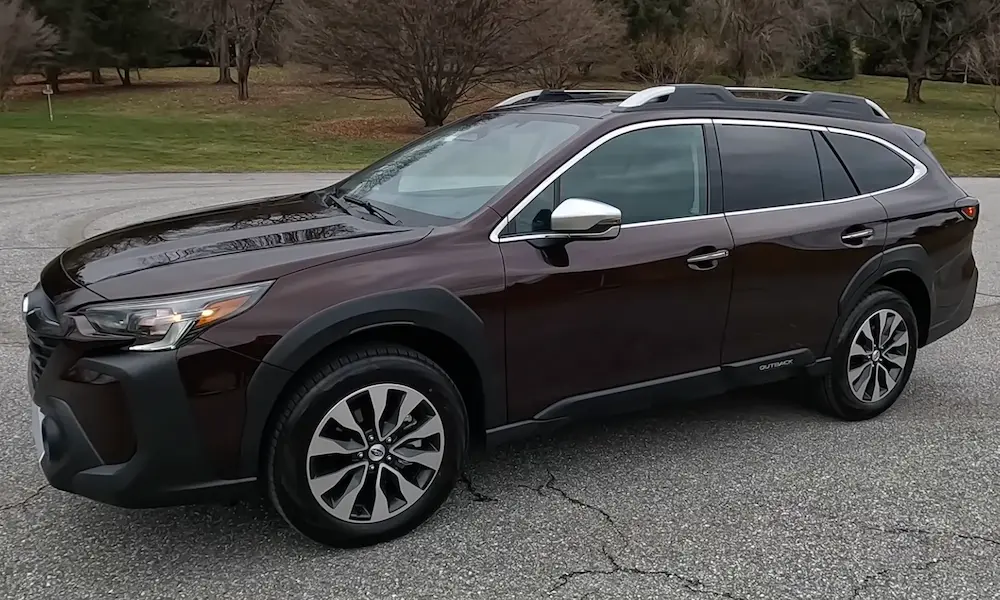
The Subaru Outback is known for its reliable transmission systems designed for versatile driving conditions. In this section, you’ll discover how the Outback’s transmissions differ and how they work with the car’s all-wheel-drive (AWD) system to ensure a smooth ride.
Basics of Subaru Outback Transmission
The Subaru Outback mainly uses automatic and continuously variable transmissions (CVT). An automatic transmission changes gears for you, making the drive easier. CVT offers a smooth transition between speeds without the traditional gear shifts, enhancing fuel efficiency.
Low transmission fluid levels can cause slipping or overheating. Regular checks can prevent issues. Pay attention to any unusual noises or warning lights on the dashboard. Performing regular maintenance helps maintain your Outback’s performance.
Different Types of Subaru Outback Transmissions
The Outback offers both automatic transmissions and manual options in older models. The more recent models heavily feature the CVT, known for its efficiency and smooth performance. The CVT adjusts continuously to the optimal engine speed for better fuel economy.
The automatic transmission provides a more traditional driving experience, while the manual gives more control to the driver. The TR580 and TR690 CVT models in particular have been noted for their performance in various Outback model years. Each type serves different driving preferences and needs.
The Role of the AWD System
The Subaru Outback’s AWD system works in tandem with its transmission to provide power to all four wheels. This system enhances stability and traction, important for driving in adverse weather conditions like rain or snow. It automatically adjusts the power distribution based on driving conditions.
This system, coupled with either an automatic or CVT, improves handling on slippery surfaces. If you’re taking on rough terrain, the AWD helps keep your Outback stable. The AWD system is a key feature that strengthens the Outback’s reputation for reliability in diverse conditions, making it a popular choice for adventure seekers.
Common Subaru Outback Transmission Issues
When dealing with Subaru Outback cars, transmission problems can be a real headache. Key issues include slipping, erratic shifting, overheating, and even complete transmission failure. Let’s dive into each problem to understand what you might face and how to consider addressing them.
Transmission Slipping
Transmission slipping can make your drive feel less smooth and more unpredictable. If your Outback’s transmission is slipping, you may notice a delay when you try to accelerate. This problem often arises from worn-out transmission bands or gears.
You might feel a sudden loss of power or the engine revving without gaining speed. It’s essential to check your transmission fluid levels because low or dirty fluid can contribute to this issue. Regular maintenance and fluid checks can help keep your transmission functioning properly.
Erratic Shifting
Erratic shifting is another common problem in Subaru Outbacks. You might experience unexpected gear changes or harsh transitions between speeds. This can lead to a jarring ride and concerns over the car’s reliability.
These issues may be due to failing sensors or outdated software in the transmission control module. It’s important to get these checked early to avoid further damage.
Sometimes updating the software or replacing worn-out parts can resolve these shifting problems. Routine service checks are a good preventive measure for this issue.
Overheating Concerns
Transmission overheating is a serious concern that can lead to costly repairs. If your vehicle overheats, you may notice warning lights on your dashboard or a burning smell. Overheating often results from poor cooling of the transmission fluid as it circulates through the system.
Ignoring this issue can result in more severe damage. Regularly inspecting the cooling system and ensuring proper fluid levels can help prevent overheating.
Sometimes, additional cooling systems can be installed to help manage temperature, especially if you use your Outback for towing or heavy-duty activities.
Complete Transmission Failure
Complete transmission failure in an Outback is not a common issue but can occur if underlying problems aren’t addressed. Signs that your transmission might be failing include grinding noises, inability to shift gears, or the car not moving at all.
Repairing a failed transmission can be expensive and might require a full replacement. Regular maintenance and addressing smaller issues early can help avoid getting to this point.
Being proactive with your car’s health can prevent unexpected breakdowns, ensuring your Outback keeps running smoothly.
Causes and Diagnosis
Transmission problems in your Subaru Outback can stem from various issues. Key causes might include low transmission fluid, faulty solenoids, and troubles with the transmission control unit (TCU). Understanding these can help you identify the right solutions.
Low Transmission Fluid Levels
When your transmission fluid is low, it can cause slipping and overheating. Fluid is crucial for lubrication and pressure maintenance. Low levels might lead to gear shifting issues and increased wear on components. Check for leaks under your car or a burnt smell from overheated fluid. Regularly inspecting and maintaining the fluid levels can prevent these issues. If you notice such symptoms, consider visiting a mechanic to avoid costly repairs.
Faulty Solenoids and Torque Converter Issues
Solenoids control the flow of fluid in the transmission. If they malfunction, it can lead to issues like delayed gear engagement or incomplete gear shifts. Alongside this, torque converter problems are common and can cause shuddering or slipping during acceleration.
Transmission Control Unit (TCU) Troubles
The TCU manages various aspects of your transmission, such as shift timing and pressure. If your car is having erratic shifts or the check engine light is on, the TCU could be the culprit. TCU issues can make your Outback act unpredictably. Reprogramming or replacing the TCU might be needed. Having a professional run diagnostics ensures that you correctly identify and resolve TCU-related problems.
Repair and Replacement Options
When dealing with Subaru Outback transmission issues, you may choose to repair existing problems, consider getting a new transmission, or understand the potential costs involved. Each option has its own set of considerations to help you make the best decision for your vehicle’s needs.
Repairing a Subaru Outback Transmission
Repairing the transmission can often address specific issues like transmission slipping or unusual vibrations. Common repairs might involve replacing problematic parts such as solenoids or valve bodies. In some cases, a partial rebuild might be sufficient to extend the life of your car’s transmission.
Regular maintenance is crucial. Ensure fluid levels are checked and parts are inspected regularly to avoid major problems later. Some Subaru models experience chain belt slipping, which can often be rectified without replacing the entire unit. A trusted mechanic can help identify specific issues quickly.
When to Consider a New Transmission
If your Subaru Outback is frequently experiencing issues, it might be time to consider a new transmission. Signs include severe slipping or when the transmission is completely non-functional. If you find yourself repeatedly visiting the repair shop, replacing the entire unit may offer a long-term and cost-effective solution.
Your vehicle’s mileage can also be an indicator. Transmissions that fail mostly happen after high mileage, such as over 154,000 miles. In these cases, new transmissions can extend your vehicle’s life significantly.
Exploring Transmission Replacement Costs
Costs can vary significantly, ranging from a partial rebuild to a full replacement. A rebuild might cost around $3,400, while a full rebuild could be around $5,400. If a new transmission is needed, the price could reach up to $7,200, including installation.
These costs depend on various factors such as your vehicle’s model, the shop performing the service, and local labor rates. Always get multiple quotes and discuss options with your mechanic. Understanding these costs helps you plan and budget for repairs, ensuring your Subaru Outback remains reliable for years to come.
Case Studies and Personal Experiences
Exploring personal experiences with Subaru Outback transmissions can offer valuable insights into real-world issues and long-term ownership. You’ll find various reports on problems, solutions, and testimonials from those who have owned these vehicles for years.
Real-world Issues and Resolutions
Many Subaru Outback owners have reported problems with their vehicle’s CVT transmission. Issues like unusual vibrations and slipping are common, especially with turbo engines. In some cases, Subaru has addressed these with technical service bulletins.
For instance, diagnostic procedures were provided to tackle chain belt slipping in certain CVT models. Owners often recommend checking transmission fluid levels and addressing misaligned sensors. Reliable service from a professional can help resolve most problems, ensuring smoother drives.
Long-term Ownership Testimonials
Long-term owners have mixed experiences with the Subaru Outback’s durability and reliability. Some have enjoyed years of smooth operation with regular maintenance. Others faced recurring transmission issues, often covered under warranty, which offered peace of mind.
For example, having a full warranty allowed users to fix transmission problems without extra cost. Community feedback, such as on Subaru forums, highlights the importance of staying alert to unusual noises. Listening to what fellow owners say can give you a heads-up on potential issues, especially for models from 2020 onwards.