That grinding noise under your hood might be more serious than you think. If you drive a Subaru with an older engine, your vehicle likely uses a timing belt that requires replacement at specific intervals. Putting off this critical maintenance item can lead to catastrophic engine damage that costs thousands more than preventive replacement. Let’s dive into everything you need to know about Subaru timing belt replacement costs.
What Is a Timing Belt and Why Does It Matter?
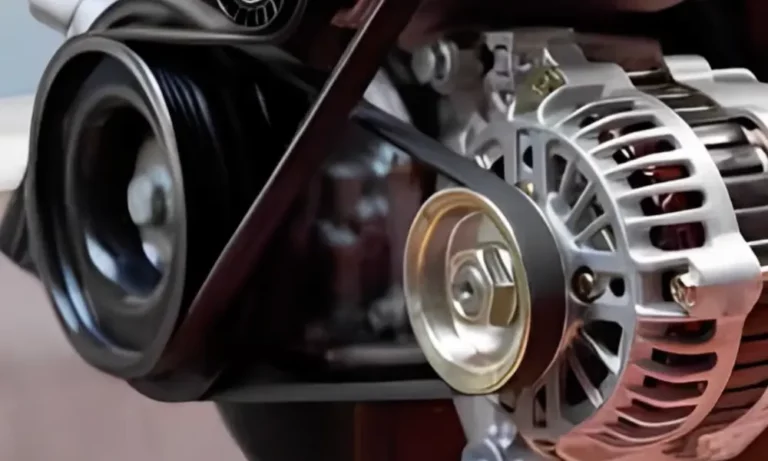
A timing belt is a rubber belt with teeth that synchronizes the rotation of your engine’s crankshaft and camshaft. This precise timing ensures your engine’s valves open and close at the right moments during each cylinder’s intake and exhaust strokes.
Unlike timing chains (found in newer Subaru models), timing belts are made of reinforced rubber that deteriorates over time. When a timing belt fails, the consequences can be severe—especially in Subaru’s “interference” engines where the pistons and valves can collide, causing extensive damage.
Most modern Subaru vehicles with FA and FB engines (2012 and newer) use timing chains that don’t require regular replacement. However, older EJ series engines (1991-2014) and current STI models still utilize timing belts that must be replaced at specific intervals.
Typical Subaru Timing Belt Replacement Costs
The cost to replace your Subaru’s timing belt typically ranges from $409 to $1,253, depending on several factors:
| Service Type | Price Range | What’s Included |
|---|---|---|
| Basic Service | $409-$919 | Timing belt + labor |
| Complete Service | $530-$800 | Timing belt, tensioner, idler pulleys + labor |
| Comprehensive Service | $650-$1,300 | Timing belt, tensioner, idler pulleys, water pump + labor |
Parts Cost Breakdown
The individual components contribute significantly to the total expense:
- Timing belt: $25-$50
- Tensioner assembly: $90-$100
- Idler pulleys: $75-$150
- Water pump: $90-$150
Most mechanics recommend replacing the water pump during timing belt service because it’s often driven by the timing belt and requires similar labor to access. This approach eliminates duplicate labor costs if the water pump fails shortly after belt replacement.
Cost Variations by Subaru Model
Different Subaru models require varying labor hours and parts, affecting overall replacement costs:
| Model | Typical Cost Range | Labor Hours |
|---|---|---|
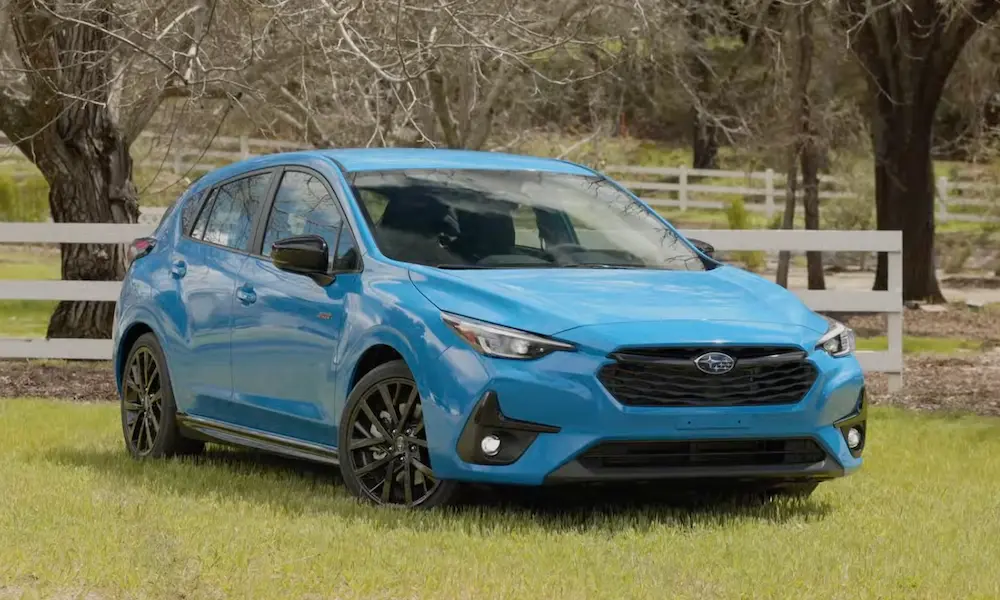
| Impreza 2.0L | $365-$650 | 3-4 hours |
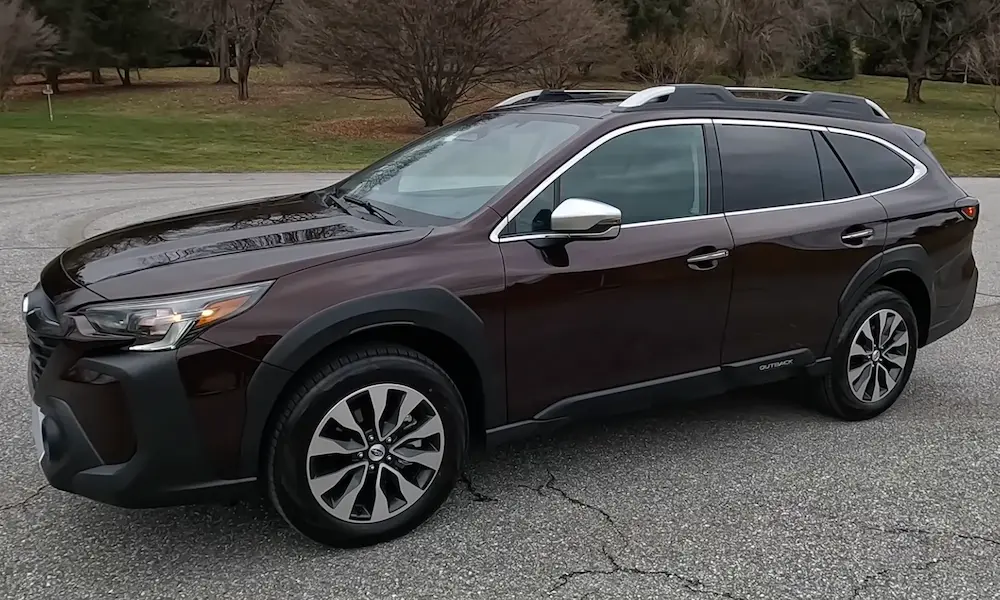
| Legacy/Outback | $395-$650 | 4-5 hours |
| Forester | $380-$870 | 4-6 hours |
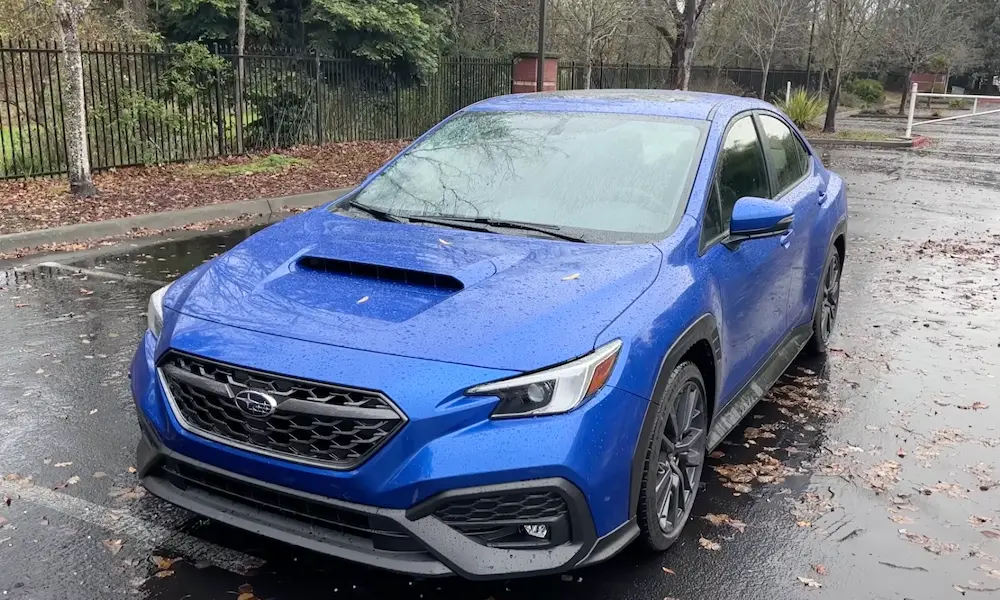
| WRX | $450-$750 | 5-6 hours |
| STI | $500-$850 | 5-7 hours |
The wide cost range for Foresters reflects different engine configurations across model years. Performance models like the WRX and STI typically cost more due to increased complexity.
Regional Price Differences
Your location significantly impacts timing belt replacement costs due to varying labor rates:
- California: Highest average labor rates at $173/hour, resulting in total costs of $675-$1,200
- Midwest/Southeast: Lower rates of $135-$140/hour, with total costs ranging from $550-$975
- Northeast/West Coast: Middle-range rates of $135-$155/hour, with costs from $580-$1,100
Independent shops generally charge 20-30% less than dealerships while maintaining quality service standards. Getting multiple quotes can save you hundreds of dollars.
When Should You Replace Your Subaru’s Timing Belt?
Subaru recommends timing belt replacement every 105,000 miles or 7 years, whichever comes first. The maintenance schedule calls for inspections every 30,000 miles after the initial 60,000-mile mark.
Even with low mileage, age becomes a critical factor because rubber deteriorates over time regardless of use. Most automotive experts recommend following the “whichever comes first” principle rather than relying solely on mileage.
Severe driving conditions may require earlier replacement intervals. These conditions include:
- Frequent short trips (less than 10 miles)
- Extreme temperature environments (very hot or cold climates)
- Stop-and-go driving
- Towing or hauling heavy loads
The High Cost of Timing Belt Failure
Ignoring timing belt replacement can lead to catastrophic consequences, especially in Subaru EJ engines, which are “interference” engines. When the timing belt breaks in these engines, pistons and valves can collide, causing:
- Bent valves: $1,500-$3,000 repair
- Damaged pistons: $2,500-$4,000 repair
- Complete engine destruction: $3,000-$8,000 replacement
In some cases, the repair costs may exceed the vehicle’s value, effectively totaling the car. This makes preventive replacement significantly more economical than dealing with the aftermath of failure.
Warning Signs Your Timing Belt Needs Replacement
While following the recommended replacement intervals is best, watch for these warning signs:
- Engine misfiring or rough running
- Difficulty starting the engine
- Visible cracks, glazing, or wear on the belt (if visible during inspection)
- Oil leakage near the timing belt area
- Unusual ticking noises from the engine
- Check engine light (in some cases)
Any of these symptoms warrants immediate inspection by a qualified mechanic. Additionally, if you’ve purchased a used Subaru with unknown maintenance history, professional inspection is highly recommended.
Money-Saving Strategies for Timing Belt Replacement
Several approaches can help reduce your timing belt replacement costs without compromising quality:
1. Shop Around for Quotes
Getting estimates from multiple service providers typically yields savings of 20-30% compared to accepting the first quote. Independent shops often provide competitive pricing while maintaining professional service standards.
2. Combine Services
Replacing the water pump along with the timing belt eliminates duplicate labor costs. Since accessing the timing belt requires significant disassembly, having the water pump replaced simultaneously is cost-effective.
3. Choose Quality Parts Wisely
Using quality aftermarket parts from reputable manufacturers like Gates or Aisin can reduce costs while maintaining reliability. However, avoid cheap, low-quality components that might fail prematurely.
4. Consider Timing for Preventive Maintenance
If you’re approaching both the mileage and time limits, consider replacing the timing belt during other scheduled maintenance that requires similar disassembly. This approach can reduce overall labor costs.
5. Check for Service Specials
Many shops offer periodic specials on timing belt replacement services. Signing up for email notifications from local Subaru specialists can alert you to these opportunities.
DIY Replacement: Is It Worth It?
Replacing a Subaru timing belt yourself can save $300-$500 in labor costs, but it requires:
- Intermediate to advanced mechanical skills
- Specialized tools (including timing belt tensioning tools)
- Access to service manuals with precise specifications
- 6-10 hours of work for first-timers
- A proper workspace with adequate lighting and tools
For most owners, professional replacement is the safer option. However, if you’re mechanically inclined, numerous detailed guides and videos are available online. Just be sure to follow the exact tensioning and timing procedures to avoid engine damage.
OEM vs. Aftermarket Timing Belts
Original Equipment Manufacturer (OEM) parts from Subaru typically cost more than aftermarket alternatives. Here’s how they compare:
| Aspect | OEM | Quality Aftermarket |
|---|---|---|
| Cost | $80-$150 | $25-$70 |
| Warranty | 1 year typically | Varies (some offer lifetime warranties) |
| Fitment | Exact match | Generally good, may require adjustments |
| Quality | Consistently high | Varies by manufacturer |
Respected aftermarket brands like Gates, Continental, and Aisin offer reliability comparable to OEM parts at lower prices. However, cheaper unknown brands may not provide the same durability and should be avoided.
Beyond the Timing Belt: Related Components
A complete timing belt service includes several critical components:
Tensioner and Pulleys
The tensioner maintains proper belt tension, while idler pulleys guide the belt path. These components often wear at similar rates to the belt itself and should be replaced simultaneously.
Water Pump Replacement
Since the water pump is typically driven by the timing belt and requires similar labor to access, most mechanics recommend replacing it during timing belt service. This preventive approach eliminates duplicate labor costs if the water pump fails shortly afterward.
Seals and Gaskets
During timing belt replacement, mechanics often inspect and replace the camshaft and crankshaft seals if they show signs of leaking. These relatively inexpensive parts can prevent oil leaks that might contaminate the new timing belt.
Final Thoughts on Subaru Timing Belt Replacement
Timing belt replacement represents a significant but necessary investment in your Subaru’s longevity. By following manufacturer-recommended intervals and addressing warning signs promptly, you can avoid the devastating consequences of timing belt failure.
Remember that the cost of preventive replacement ($409-$1,253) pales in comparison to potential engine damage repair costs ($1,500-$8,000). Regular maintenance like timing belt replacement is ultimately more economical than dealing with catastrophic failure.
When planning your timing belt replacement, gather multiple quotes, consider combining services, and use quality parts. These approaches help manage costs while ensuring reliable performance for another 105,000 miles or 7 years.