Hearing that strange humming noise coming from your Subaru’s wheels? You might be dealing with a failing wheel bearing. This essential component isn’t something you can ignore, and when it fails, you’ll need to address it quickly. We’ll break down exactly what you can expect to pay, what affects the cost, and how to recognize when it’s time for a replacement.
How Much Does Subaru Wheel Bearing Replacement Actually Cost?
Subaru wheel bearing replacement costs range from $180 to $1,259, with most repairs falling between $300-$650. The wide price range exists because several factors influence the final bill.
The most significant cost variations depend on:
| Factor | Impact on Cost |
|---|---|
| Subaru model | $50-$250 difference |
| Service provider | $200-$750 difference |
| Front vs. rear bearing | Rear typically costs $100-$200 more |
| Geographic location | Up to $180 regional difference |
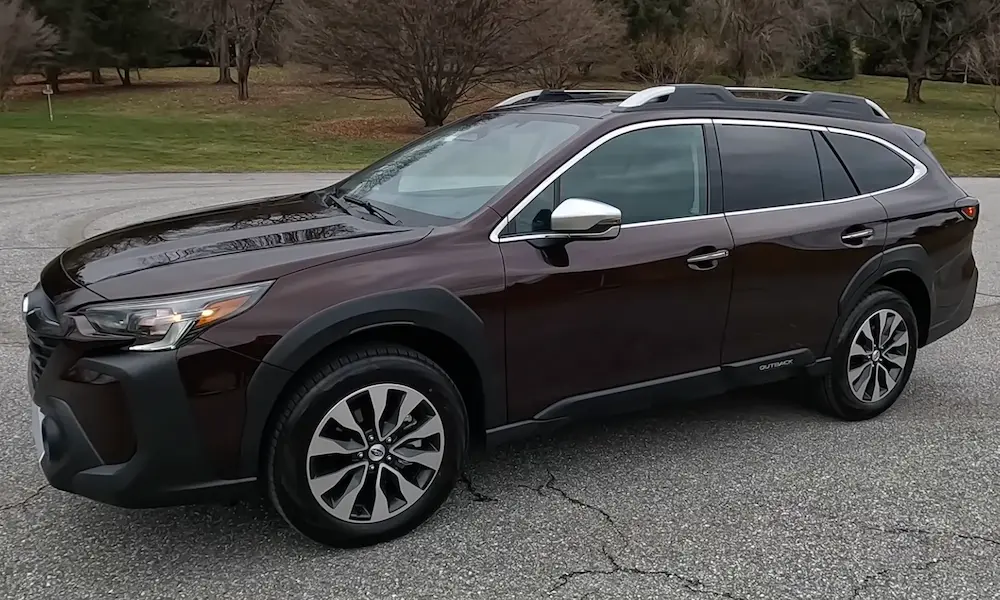
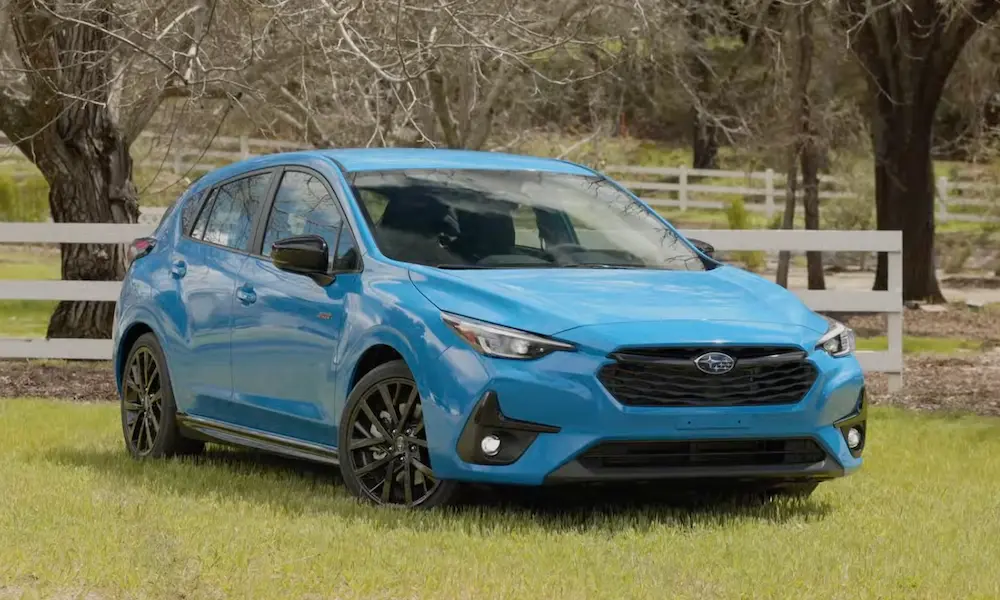
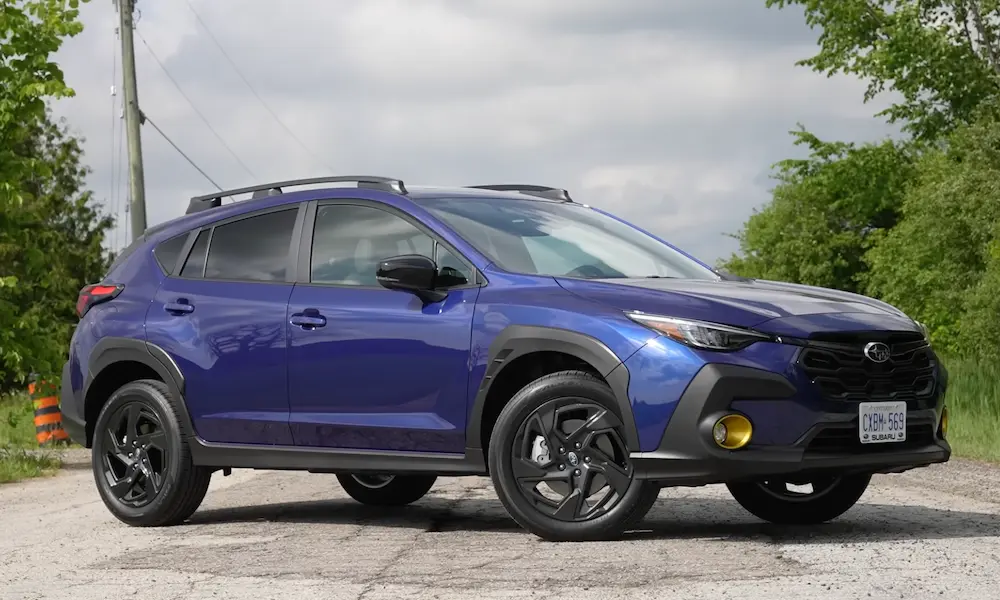
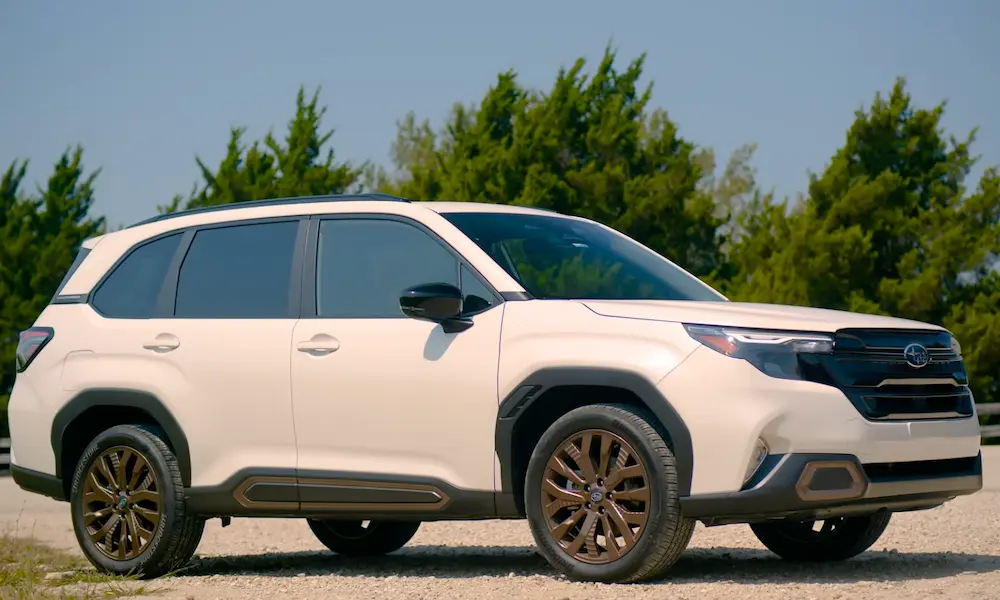
Different Subaru models have different costs. The Forester averages around $330 for wheel bearing replacement, while the Outback can cost up to $575 due to its more complex AWD system. The Impreza ($334) and WRX STI ($373) fall somewhere in the middle, with the Legacy averaging about $400.
How Different Service Providers Affect Your Final Bill
Where you get the work done dramatically impacts what you’ll pay:
Dealerships: $450-$1,200
- Highest prices but factory parts and specialized Subaru knowledge
- Often includes better warranties
Independent shops: $250-$500
- Better value while maintaining quality service
- Often employ Subaru specialists at lower overhead costs
Chain automotive shops: $300-$600
- Consistent middle-ground pricing
- Varying levels of Subaru-specific expertise
Mobile mechanics: $250-$450
- Most convenient option
- Competitive pricing with the added benefit of service at your location
DIY: $50-$300 (parts only)
- Significant savings but requires tools and knowledge
- Not recommended for beginners
What Makes Up the Total Cost of Wheel Bearing Replacement?
Understanding the cost breakdown helps you evaluate quotes and spot potential savings:
Parts Cost
OEM bearings: $150-$350
- Factory quality and perfect fit
- Complete warranty coverage
Aftermarket bearings: $45-$150
- Lower upfront cost
- Quality varies significantly by brand
Labor Cost
Labor makes up the largest portion of your bill, especially for rear bearings which require more extensive disassembly:
- Front bearing replacement: Typically 2.5 hours of labor
- Rear bearing replacement: Up to 3.5 hours due to increased complexity
Most shops charge between $85-$140 per hour depending on your location.
Additional Fees
Diagnostic fees: $50-$150
- Many shops waive this fee if you have the repair done with them
- Important for confirming it’s truly a wheel bearing issue
Alignment: $80-$150
- Sometimes necessary after replacement
- Critical for proper tire wear and handling
How Your Location Impacts Replacement Costs
Where you live significantly affects what you’ll pay for a wheel bearing replacement:
- West Coast and Northeast: $450-$500 (highest costs due to higher labor rates)
- Midwest: Around $350
- Southeast: Approximately $320 (most affordable region)
Labor rates vary dramatically by region, ranging from $85 per hour in the Southeast to $140 per hour on the West Coast. This regional difference can save you $100-$180 for the exact same repair.
Different Types of Subaru Wheel Bearings and Their Replacement Complexity
Subaru uses two main types of wheel bearing designs, each affecting your replacement cost:
Press-In Bearings (older models, 1991-2006)
- Require specialized equipment
- More labor-intensive to replace
- Lower parts cost but higher labor cost
- Complex installation process requires precision
Hub Assemblies (2006 and newer)
- Bolt-in design that’s easier to replace
- Reduced labor time and complexity
- Parts cost $100-$200 more than press-in bearings
- Lower risk of damaging surrounding components during replacement
- Simpler replacement process for DIYers
How to Tell When Your Subaru Needs a Wheel Bearing Replacement
Recognizing these symptoms early can prevent more expensive damage:
Common Warning Signs
- Distinctive noise: A humming, roaring, or grinding sound that gets louder with speed
- Steering wheel vibration: Especially noticeable at highway speeds
- Vehicle pulling: Car drifts to one side without steering input
- Uneven tire wear: Caused by improper wheel alignment from a loose bearing
- Warning lights: ABS or stability control warnings may illuminate
That distinctive noise is often the first and most reliable indicator. It typically sounds like aggressive tire noise or a constant roaring that changes with your speed.
Early detection can save you money by preventing damage to other components that could easily push repair costs over $1,000.
DIY vs. Professional Replacement: Making the Right Choice
Professional Advantages
- Guaranteed proper installation
- Usually includes warranty coverage
- Proper torque specifications and special tools
- No upfront tool investment
DIY Advantages
- Significant cost savings ($200-$700)
- Complete control over parts quality
- Valuable mechanical experience
DIY Considerations
Before attempting this yourself, consider:
- Tool requirements: You’ll need specialty tools that cost $100-$300 to purchase or rent
- Time investment: 3-6 hours for beginners
- Complexity: Rear bearings are significantly more difficult than front
- Safety implications: Improper installation can lead to bearing failure at speed
The DIY approach works best for those with mechanical experience and access to tools, especially for front wheel bearings on newer models with hub assemblies.
How Long Should Subaru Wheel Bearings Last?
Under normal conditions, Subaru wheel bearings typically last between 60,000 to 100,000 miles. However, several factors can dramatically reduce this lifespan:
- Driving habits: Hard cornering and rough roads accelerate wear
- Environmental exposure: Salt, water crossings, and debris contamination
- Vehicle modifications: Larger wheels/tires and suspension changes increase bearing stress
Premier Subaru notes that Subarus used in performance applications often need bearing replacements earlier than those driven conservatively.
Regular maintenance and awareness of early warning signs help you plan for this inevitable expense before it becomes an emergency.
Saving Money on Your Wheel Bearing Replacement
Get Multiple Quotes
Calling different shops can save you $200-$400 for the identical repair. Request itemized quotes that break down parts and labor costs.
Consider Timing and Bundling
- Some shops offer seasonal promotions
- If multiple bearings need replacement, bundling the work often reduces per-bearing labor costs
- Combine with other suspension work that requires similar disassembly
Evaluate DIY Feasibility
Front wheel bearings on newer Subaru models are relatively straightforward for DIYers with basic tools and mechanical knowledge. Rear bearings present a greater challenge.
Choose the Right Parts
- Highest quality bearings for primary vehicles you plan to keep long-term
- Mid-range options for older vehicles with moderate mileage
- Consider the vehicle’s intended use and remaining lifespan
Which Subaru Models Have the Most Expensive Wheel Bearing Replacements?
While all Subarus use similar wheel bearing designs, some models consistently cost more for replacement:
- Outback: Highest average cost due to complex AWD system and clearance issues
- Legacy: Second highest, sharing many components with the Outback
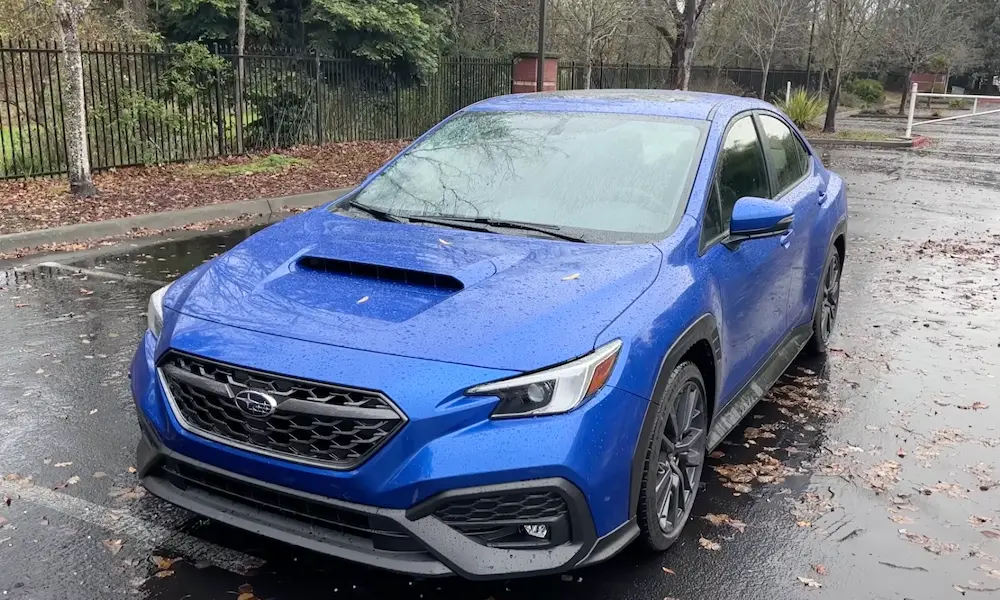
- WRX/STI: Performance models with specialized parts
- Forester: Generally more accessible, resulting in lower labor costs
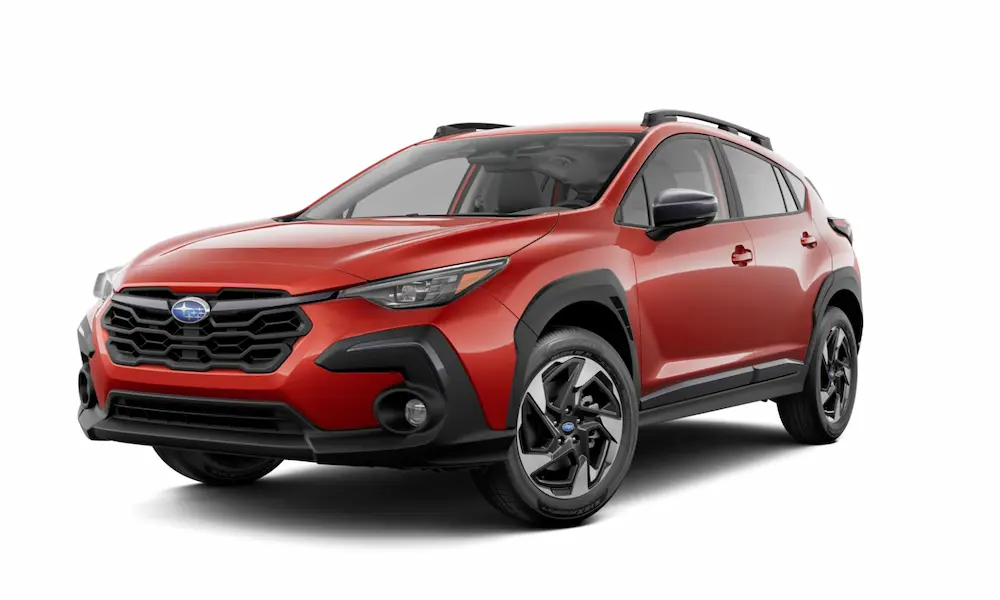
- Impreza/Crosstrek: Usually the most affordable due to simpler design
Reddit users in the Subaru Outback forum report rear wheel bearings costing $400-600 each, making it one of the more expensive maintenance items for these vehicles.
The True Cost of Delaying Wheel Bearing Replacement
Ignoring a failing wheel bearing doesn’t just mean a louder ride—it creates a cascade of expensive problems:
- Damage to hub assembly: $250-$450 additional
- CV joint damage: $300-$700 per side
- Potential brake system damage: $200-$600
- Risk of complete failure: Potentially catastrophic at highway speeds
Beyond the financial impact, wheel bearing failure can affect your safety by compromising steering control and potentially leading to wheel separation in extreme cases.
Making an Informed Decision About Your Subaru’s Wheel Bearings
When facing wheel bearing replacement, consider:
- Vehicle value and intended ownership duration: Comprehensive repairs make sense for vehicles you plan to keep
- Driving needs: Daily drivers demand higher quality parts than weekend vehicles
- Warranty coverage: Some aftermarket parts offer better warranties than OEM
- Shop reputation: Specialized Subaru shops often provide better value than dealerships
Remember that proper wheel bearing replacement isn’t just about fixing a noise—it’s essential preventative maintenance that protects your Subaru’s drivability, safety, and resale value.