Ever noticed your temperature gauge creeping up or spotted pink puddles under your Camry? Your water pump might be failing. Instead of forking over $500-800 at a shop, you can tackle this repair yourself. With the right tools and a free weekend afternoon, you’ll save hundreds while gaining some serious DIY cred.
What Does a Water Pump Do in Your Camry?
Your Toyota Camry’s water pump is the heart of the cooling system. It circulates coolant throughout the engine, preventing overheating and potential damage. When it fails, your engine temperature rises quickly, which can lead to catastrophic (and expensive) problems.
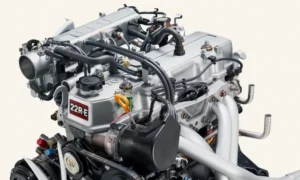
The pump consists of an impeller that spins to move coolant, bearings that allow smooth rotation, and seals that prevent leakage. In Camrys, it’s typically driven by the serpentine belt or timing belt depending on your engine type.
Signs Your Camry Water Pump Needs Replacement
Don’t wait for complete failure. Here are telltale signs your water pump is on its way out:
- Coolant leaks: Pink, green, or orange puddles under your car
- Whining noises: Especially when accelerating
- Engine overheating: Temperature gauge climbing into the red zone
- Steam from the hood: A serious warning sign
- Corroded pump: Visible rust or buildup around the pump
Most Toyota Camry water pumps last 60,000-90,000 miles, though many 2AZ-FE engines (2002-2011) have reported earlier failures. If you’re approaching this mileage or notice these symptoms, it’s time for a replacement.
Required Tools and Materials
Tools You’ll Need:
- Floor jack and jack stands
- Metric socket set (10mm, 12mm, 13mm, 14mm primarily)
- Ratchet with extensions
- Torque wrench
- Breaker bar (for belt tensioner)
- Flat-head screwdriver or pry bar
- Coolant drain pan
- Pliers
- Sandpaper or gasket scraper
Parts and Materials:
- Water pump (OEM Aisin or Toyota recommended for reliability)
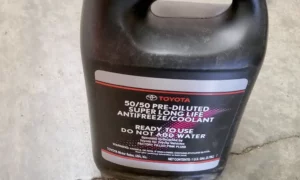
- Coolant (Toyota Red or Pink for newer models)
- Gaskets and O-rings (typically included with pump)
- RTV silicone sealant (where specified)
- Shop rags
- Disposable gloves
Toyota Camry Engine Variations
The replacement process varies slightly depending on which engine your Camry has. Here’s a breakdown of the most common:
2.5L 4-Cylinder (2AR-FE)
Found in 2010-2017 Camrys, this pump sits below the alternator. You’ll need to move or remove the alternator to access it properly, but the overall job is straightforward.
2.4L 4-Cylinder (2AZ-FE)
Common in 2002-2011 models, this pump is accessed similarly to the 2.5L, but you may need to deal with the motor mount bracket. This engine is known for occasional water pump failures.
3.5L V6 (2GR-FE)
Found in V6 Camrys from 2007-2017, this job is more complex. You’ll need to support the engine and remove more components to access the pump, which sits deeper in the engine bay.
Preparation Steps
Working on your Camry’s cooling system requires careful preparation:
- Safety first: Work on a cool engine (wait at least 2 hours after driving).
- Gather documentation: Find your specific Camry’s repair manual or reliable online guides.
- Create workspace: Park on a level surface with enough room to move around.
- Battery disconnect: Remove the negative terminal to prevent electrical issues.
- Protect surfaces: Place cardboard under the work area to catch spills.
Remember, coolant is toxic but sweet-smelling—keep it away from pets and children, and dispose of it properly at an auto parts store or recycling center.
Step-by-Step Toyota Camry Water Pump Replacement
Draining the Cooling System
- Raise the front of your Camry using a floor jack and secure it with jack stands.
- Place a large drain pan under the radiator.
- Locate the drain petcock (usually at the bottom of the radiator) and open it.
- Remove the radiator cap to speed up draining.
- Allow all coolant to drain (typically 1-2 gallons).
Accessing the Water Pump
For 2.5L (2AR-FE) and 2.4L (2AZ-FE) engines:
- Remove the serpentine belt by rotating the tensioner pulley clockwise with a 14mm socket/wrench.
- Take a photo of the belt routing before removal for reference.
- Remove the alternator mounting bolts (12mm and 14mm typically).
- Shift the alternator aside without disconnecting wiring if possible.
- Remove any accessory brackets blocking access to the pump.
For 3.5L V6 (2GR-FE) engines:
- Remove the serpentine belt as above.
- Place a wood block on a floor jack under the oil pan to support the engine.
- Remove the right engine mount.
- Remove the thermostat housing and bypass tube for better access.
Removing the Old Water Pump
- Using your socket wrench (usually 10mm or 12mm), remove all water pump bolts in a cross-pattern.
- Note the position and length of each bolt if they differ.
- Gently pry the water pump away from the engine block using a flat screwdriver.
- Clean all gasket material from the mounting surface using a gasket scraper or fine sandpaper.
- Inspect the area for any damage or excessive corrosion.
Installing the New Water Pump
- Pre-lubricate your new water pump by dipping it in coolant and rotating the pulley 8-10 times by hand.
- Position the new gasket (dry—no sealant unless specifically called for in your model).
- Carefully place the new pump against the engine block.
- Hand-thread all bolts first to prevent cross-threading.
- Tighten in a star pattern to the proper torque specs:
- 2.5L/2.4L: 15 ft-lbs for pump bolts
- 3.5L V6: 80 inch-lbs (6.7 ft-lbs)
Reassembly Process
- Reinstall all components in reverse order of removal.
- Pay special attention to proper belt routing when reinstalling the serpentine belt.
- Ensure all electrical connections are secure.
- Double-check that all bolts are properly tightened.
Refilling and Bleeding the Cooling System
This critical step prevents air pockets that can cause overheating:
- Close the radiator drain petcock.
- Locate the bleeder valve (if equipped) on the thermostat housing.
- Mix coolant to the proper ratio (usually 50/50 with distilled water).
- Slowly fill the radiator or overflow tank with coolant.
- Open the bleeder valve and continue filling until coolant emerges.
- Close the bleeder valve and fill to the proper level.
Advanced Bleeding Technique
For a thorough air purge:
- Fill the system with the car at normal height (not jacked up).
- Start the engine with the radiator cap off.
- Run the heater on maximum heat.
- Let the engine idle until the thermostat opens (upper radiator hose gets hot).
- Add coolant as the level drops during this process.
- Gently rev the engine a few times to help move air bubbles.
- Once no more air bubbles appear, replace the radiator cap.
Testing Your Work
After replacement:
- Start the engine and let it warm to operating temperature.
- Watch for leaks around the pump and connections.
- Check that the temperature gauge stays in the normal range.
- Listen for unusual noises that might indicate improper installation.
- After a test drive, recheck coolant levels and inspect for leaks again.
Cost Comparison: DIY vs. Professional Replacement
| Expense Item | DIY Cost | Professional Cost |
|---|---|---|
| Water Pump (OEM) | $70-150 | $150-250 |
| Coolant | $20-30 | Included |
| Gaskets | Included with pump | Included |
| Labor | Your time (2-4 hours) | $250-500 |
| Tools (if needed) | $50-150 | N/A |
| Total | $90-330 | $400-750 |
Common Mistakes to Avoid
- Skipping pre-lubrication: Always rotate the new pump in coolant before installation.
- Using silicone sealant inappropriately: Only use where specified—most pumps use dry gaskets.
- Incorrect torque: Over-tightening can warp the pump housing or strip threads.
- Insufficient bleeding: Air pockets can cause overheating even with a new pump.
- Reusing old coolant: Always use fresh coolant of the correct type (Toyota RED or PINK for most models).
Improving Water Pump Longevity
Want your new water pump to last? Follow these tips:
- Use quality coolant: Toyota’s genuine coolant is formulated specifically for your Camry.
- Change coolant regularly: Every 30,000-60,000 miles per Toyota’s recommendations.
- Address leaks promptly: Even small coolant leaks can lead to air in the system.
- Replace the thermostat simultaneously: If your Camry has over 60,000 miles, change both parts.
- Consider the timing belt: If your model has a timing belt, replace the water pump during belt service.
Making the Most of Your Repair
While you’ve got the cooling system open:
- Inspect hoses: Check for cracks, soft spots, or hardening. Replace if needed.
- Check the radiator: Look for corrosion or clogging. Flush if necessary.
- Test the thermostat: Consider replacing it if original and over 60,000 miles.
- Examine the fan clutch: On models with mechanical fans, check for smooth operation.
- Clean the radiator fins: Remove debris that might restrict airflow.
By tackling this repair yourself, you’ve saved money and gained valuable knowledge about your Toyota Camry. This type of preventative maintenance can help extend your vehicle’s life by hundreds of thousands of miles.