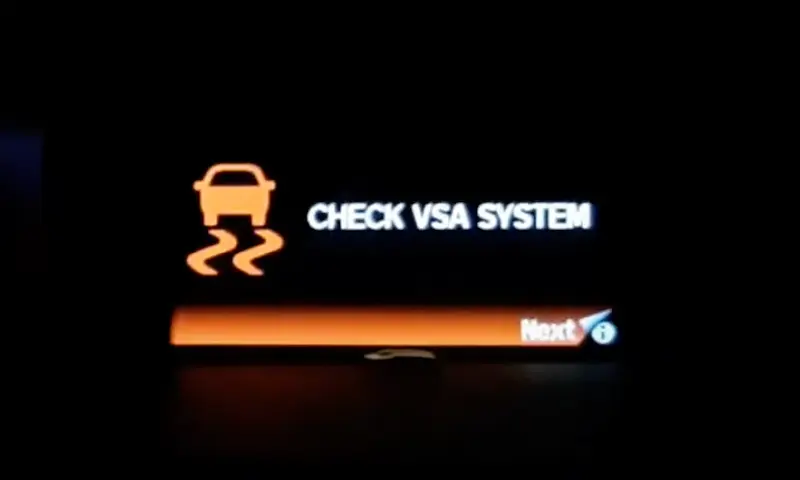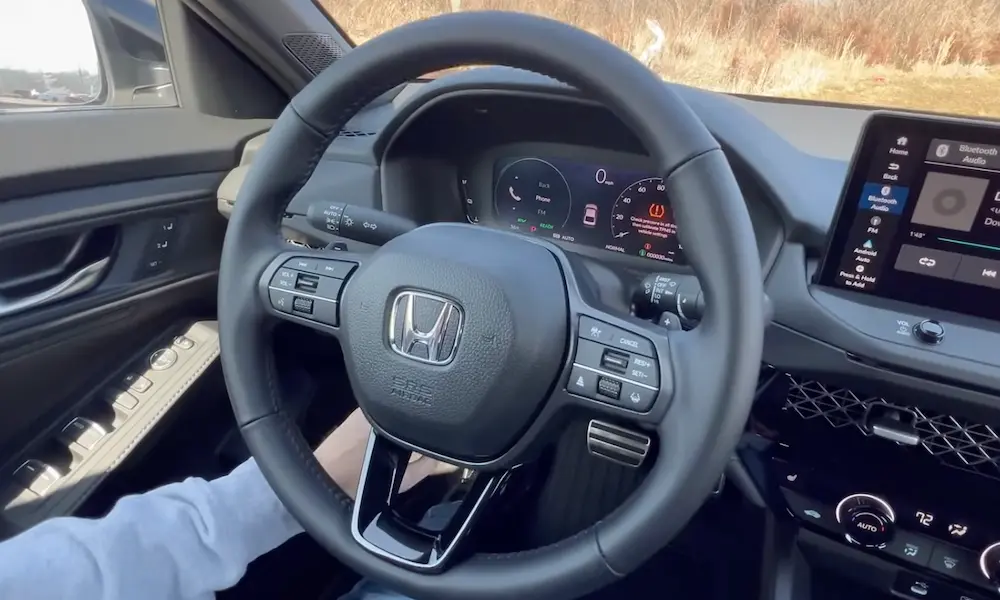
Seeing that “Check Emission System” warning light pop up on your Honda Pilot’s dashboard can instantly ruin your day. What does it mean? How serious is it? And most importantly, how much is this going to cost you? Don’t hit the panic button just yet. This guide breaks down everything about this common Honda Pilot issue, from what causes it to how you can fix it.
What Does the Honda Pilot Check Emission System Warning Mean?
When your Honda Pilot displays the “Check Emission System” warning, your vehicle’s computer has detected a problem with the emissions control system. This system is designed to reduce harmful pollutants your vehicle releases into the air.
The warning can appear as either a steady or flashing light. If it’s flashing, that’s your Honda’s way of saying, “Hey, this is serious!” A flashing light typically indicates an active misfire that could damage your catalytic converter if you continue driving.
Common Causes by Honda Pilot Generation
Different generations of the Honda Pilot tend to develop specific emission system problems. Knowing what’s common in your model year can help narrow down the potential issues.
2016-2018 Honda Pilots: The Fuel Injector Problem
If you own a third-generation Pilot (2016-2018), you’re likely dealing with the infamous fuel injector failure issue. This problem is so widespread that Honda extended the warranty for this component to 10 years/150,000 miles for 2016 models.
Common symptoms include:
- Emissions system warning light
- Engine hesitation or stalling
- Reduced power
- Sometimes paired with transmission warnings
The culprit? Manufacturing defects that cause internal wear or clogging in the direct fuel injection system. The high-pressure fuel pump may also develop related issues, leading to poor performance.
2008-2015 Honda Pilots: The VCM Culprit
Second-generation Pilots suffer predominantly from Variable Cylinder Management (VCM) related problems. This fuel-saving feature, which shuts down cylinders when full power isn’t needed, can cause:
- Excessive oil consumption
- Fouled spark plugs
- Damaged catalytic converters
- Premature piston ring wear
- Failed engine mounts
Many owners resort to installing VCM disable devices to prevent these issues from recurring.
Universal Honda Pilot Emission Problems
Some emission issues affect all generations:
| Problem | Warning Signs | Typical Cost |
|---|---|---|
| Catalytic Converter Failure | Poor acceleration, rotten egg smell | $800-$2,500 |
| Oxygen Sensor Problems | Poor fuel economy, rough idling | $200-$400 |
| Exhaust Leaks | Ticking noise, especially when cold | $100-$500 |
| EGR Valve Issues | Rough idling, stalling, knocking sounds | $300-$600 |
How to Diagnose a Honda Pilot Emission System Problem
Before heading to the mechanic, there are steps you can take to pinpoint the issue.
Step 1: Retrieve the Error Codes
The most effective way to diagnose emission problems is by scanning for error codes:
- Purchase or borrow an OBD-II scanner
- Locate the OBD port (usually under the dash near the steering wheel)
- Connect the scanner with the ignition on but engine off
- Select Honda as the vehicle make
- Read and record all active and pending codes
Most emission problems will trigger specific diagnostic trouble codes (DTCs) that point to the affected component.
Step 2: Understand What the Codes Mean
Common Honda Pilot emission codes include:
- P0420/P0430: Indicates catalytic converter efficiency problems
- P0300-P0306: Points to cylinder misfires (often fuel injector issues in 2016-2018 models)
- P219A/P219B: Suggests air-fuel ratio imbalance (common with failing injectors)
Step 3: Perform a Visual Inspection
Before spending money on parts, check for:
- Loose or damaged exhaust components
- Chewed wiring (Honda uses soy-based wire insulation that rodents love)
- Oil-fouled spark plugs (indicates VCM-related issues)
- A loose or damaged gas cap (yes, this can trigger the warning)
Repair Solutions and What They’ll Cost You
Once you’ve diagnosed the problem, you’ll need to decide between DIY repairs or professional help.
Fuel Injector Replacement (2016-2018 Models)
If your Pilot has the common fuel injector problem:
- Cost with warranty coverage: $0 (if under the extended warranty)
- Cost without warranty: $1,200-$1,700
- Additional requirement: PCM software update
Always check with Honda about warranty coverage before paying for this repair, as many vehicles qualify for free fixes under service bulletin 20-100.
VCM-Related Repairs (2008-2015 Models)
VCM issues often require:
- VCM disable device installation: $150-$300
- Spark plug replacement: $200-$400
- Oil consumption fix: Regular oil changes and monitoring
- Worst case scenario: Piston ring replacement ($3,000-$5,000)
Catalytic Converter Replacement
If your catalytic converter is truly failed (not just reporting a false code):
- Front converter: $800-$1,500
- Rear converter: $600-$1,200
- Complete system: $2,000-$3,500
Pro tip: Always check for exhaust leaks first, as they can mimic converter problems but cost much less to fix.
Oxygen Sensor Replacement
- Cost per sensor: $150-$300
- DIY difficulty: Moderate (with the right tools)
Is It Safe to Drive with the Emission System Warning?
When the check emission system light appears, you need to decide quickly whether to keep driving or stop.
You Can Probably Keep Driving If:
- The warning light is steady (not flashing)
- The engine runs smoothly with no performance issues
- There are no additional warning lights
- You’re not noticing any unusual sounds or smells
Stop Driving Immediately If:
- The emission light is flashing
- You experience power loss or engine stalling
- Multiple warning lights appear together
- The engine is running roughly or misfiring
- You hear unusual noises from the exhaust system
Continuing to drive with serious emission problems can lead to catalytic converter damage, which is much more expensive to repair.
Preventive Maintenance to Avoid Emission Problems
An ounce of prevention is worth a pound of cure, especially with Honda Pilots.
For All Honda Pilots:
- Use high-quality fuel (some owners swear by Top Tier gas stations)
- Add a fuel system cleaner like Techron every few months
- Replace spark plugs at recommended intervals
- Address small issues before they become big ones
- Keep up with regular oil changes
For 2008-2015 VCM-Equipped Models:
- Consider installing a VCM disable device like VCMTuner
- Monitor your oil level regularly
- Use high-quality synthetic oil
- Change oil more frequently than recommended (every 5,000 miles instead of 7,500+)
- Listen for engine mounts developing play or vibration
Recent Recalls and Service Bulletins
Honda has acknowledged many emission system issues through recalls and service bulletins:
2023-2025 Honda Pilot Recall
Honda recently recalled approximately 295,000 vehicles, including 2023-2025 Pilots, due to fuel injection electronic control unit software issues that can cause:
- Engine hesitation
- Power loss
- Stalling
This fix is available as a free software update from Honda dealers.
Service Bulletins for Earlier Models
- 2016 Pilots: Service Bulletin 20-100 addresses fuel injector problems and PCM software updates
- VCM Models: Multiple bulletins cover oil consumption and related issues
To check if your vehicle has open recalls, visit the Honda owners recall website and enter your VIN.
DIY vs. Professional Repairs
Some emission system problems are DIY-friendly, while others require professional help.
Repairs You Can Handle Yourself:
- Oxygen sensor replacement (with proper tools)
- Spark plug replacement
- Gas cap replacement or tightening
- VCM disable device installation
- Basic diagnostic scanning
When to Call a Professional:
- Fuel injector replacement (especially 2016-2018 models)
- Catalytic converter replacement
- Major engine work
- PCM/ECM software updates
- When multiple codes appear simultaneously
Understanding your Honda Pilot’s emission system can save you thousands in unnecessary repairs and help you make informed decisions when that dreaded warning light appears. Remember that addressing problems early almost always costs less than waiting until more damage occurs.