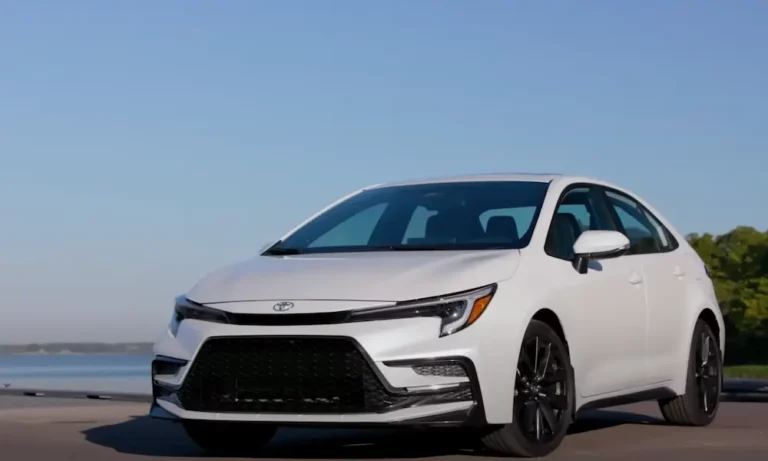
Is your Toyota Corolla giving you the silent treatment when you press the horn? You’re facing a frustrating but fixable problem. A non-working horn isn’t just an inconvenience—it’s a safety issue that needs addressing right away. Whether you’re dealing with a completely dead horn or one that works only sometimes, this guide will walk you through diagnosing and fixing the problem, potentially saving you hundreds in mechanic fees.
How the Toyota Corolla Horn System Works
Before diving into repairs, it helps to understand what you’re dealing with. Your Corolla’s horn system is pretty straightforward but has several components that could fail:
- Horn fuse: A 10-amp fuse that protects the circuit
- Horn relay: Acts as a switch to activate the horn
- Horn switch: The pad you press on your steering wheel
- Clock spring: A spiral cable that maintains electrical connections while the steering wheel turns
- Horn assembly: The actual horn unit mounted behind the front bumper
When you press the horn button, it completes a circuit that activates the relay, which then sends power to the horn. If any part of this chain fails, you’ll be left without a functioning horn.
Quick Diagnosis: Is It a Simple Fix?
Before getting too technical, try these quick checks:
-
Press different areas of the steering wheel pad. Sometimes only certain spots work if the switch is failing.
-
Listen for clicks from the engine bay when someone presses the horn. A click means your relay is working.
-
Check if other steering wheel controls work (cruise control, audio buttons). If they don’t, your clock spring might be the culprit.
Checking the Horn Fuse
The most common and easiest-to-fix cause of horn failure is a blown fuse.
-
Locate the fuse box in the engine compartment. In most Toyota Corollas (2003-2018), it’s near the battery.
-
Find the horn fuse – typically in slot 5 of the top row (counting from left to right).
-
Remove and inspect the fuse using the plastic fuse puller tool in the box. A blown fuse will have a broken metal strip inside.
-
Replace if necessary with another 10-amp fuse.
If your horn starts working after replacing the fuse, great! But if it blows again soon, you likely have a short circuit somewhere that needs addressing.
Testing the Horn Relay
If the fuse is good, the relay could be your problem. The horn relay is typically located in the same fuse box, often in the bottom left corner.
Method 1: Swap Test
- Find another identical relay in the box (like the reverse lights relay)
- Swap the horn relay with this known-good relay
- Test the horn
If the horn works after swapping, your original relay was bad and needs replacement.
Method 2: Listen Test
- Have someone press the horn button
- Listen near the fuse box for a clicking sound
- If you hear clicking but no horn, the relay works but the problem is elsewhere
Inspecting the Horn Unit
If both fuse and relay check out, it’s time to look at the horn itself.
-
Locate the horn behind the front bumper, typically mounted to the radiator support. Depending on your Corolla’s year (2005-2008 vs. 2009+), access may require removing parts or looking from underneath.
-
Check the connection by ensuring the electrical connector is fully seated.
-
Test for power at the horn by disconnecting the electrical connector and using a voltmeter. With someone pressing the horn button, you should see approximately 12 volts if power is reaching the horn.
-
Check the ground connection since Toyota Corolla horns ground through their mounting bolts. Corrosion here can prevent operation.
| Year Model | Horn Location | Access Difficulty |
|---|---|---|
| 2005-2008 | Behind front bumper, visible from top | Easy |
| 2009+ | Behind bumper, near radiator support | Moderate (may require bumper removal) |
Clock Spring Failure: A Common Culprit
If you’ve checked everything else, the clock spring (spiral cable) could be your problem. This component fails surprisingly often in Corollas and affects multiple steering wheel functions.
Signs of clock spring failure:
- Horn doesn’t work
- Steering wheel controls non-functional
- Cruise control inoperative
- Airbag warning light illuminated
Testing requires accessing the steering wheel wiring, which can be tricky. If multiple steering wheel functions have failed simultaneously, it’s almost certainly the clock spring.
Wiring Problems to Check
Wiring issues typically occur in two places:
- Behind the front bumper where exposure to elements can cause corrosion or damage
- Steering column wiring which can break from repeated movement
Look for:
- Frayed or broken wires
- Corroded connections
- Rodent damage (surprisingly common!)
- Loose connectors
DIY Repair vs. Professional Help
Here’s what you can expect to pay for professional repairs:
| Repair Type | Parts Cost | Labor Cost | Total |
|---|---|---|---|
| Horn Assembly Replacement | $18-95 | $95-151 | $113-232 |
| Horn Relay Replacement | $10 | $95 | $105 |
| Clock Spring Replacement | $35-100 | $165-300 | $200-400 |
DIY-friendly repairs:
- Fuse replacement
- Relay testing/replacement
- Horn assembly replacement (on some models)
Professional-recommended repairs:
- Clock spring replacement (involves airbag removal)
- Extensive wiring repairs
- Dashboard disassembly
How to Replace the Horn in Your Toyota Corolla
If you’ve determined the horn itself is bad, here’s how to replace it:
-
Disconnect the battery negative terminal for safety.
-
Locate the horn behind the front bumper. On 2005-2008 models, you might access it from above. On 2009+ models, you may need to remove the front bumper or access from underneath.
-
Remove the mounting bolt (typically a 12mm bolt).
-
Disconnect the electrical connector by pressing the release tab and pulling.
-
Install the new horn in reverse order, making sure the ground connection is clean.
-
Reconnect the battery and test.
OEM Toyota horns (part #86520-01050) cost around $95 from dealers, while aftermarket options range from $15-30. While cheaper options work, they may not last as long or sound the same as factory horns.
Preventing Future Horn Problems
To avoid future horn failures:
-
Keep the front end clean and free of road debris that could damage wiring.
-
Apply dielectric grease to electrical connections during replacement to prevent corrosion.
-
Check connections periodically during regular maintenance.
-
Address intermittent horn function immediately—it usually signals impending failure.
-
For newer Corollas, check if your warranty covers electrical components before paying for repairs.
Your Toyota Corolla’s horn is a critical safety feature that deserves prompt attention when it fails. Starting with simple checks like the fuse and relay before moving to more complex components will save you time and money. With patience and the right approach, most horn issues can be diagnosed and fixed without breaking the bank.