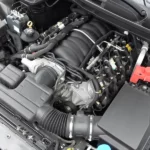
Your Prius is a little different from other cars — and its oil change needs are too. Get the wrong viscosity or skip the right interval, and you’re shortening the life of one of the most reliable hybrid engines ever built. This guide covers every generation, every spec, and every reset procedure so you’re never guessing.
Why a Toyota Prius Oil Change Isn’t Like Other Cars
Your Prius engine doesn’t run the way a regular engine does. The hybrid system switches the combustion engine on and off constantly — sometimes dozens of times per trip. That creates a problem: the engine never gets a long, steady warm-up cycle.
Short running periods mean water vapor and unburnt fuel collect in the crankcase. Over time, that degrades your oil faster than normal driving would. It also means your oil needs to flow instantly at startup — before the engine even has time to warm up.
That’s why Toyota moved away from heavier mineral oils and now uses ultra-low-viscosity full synthetic formulations across all Prius generations. The right oil protects your engine during that critical cold-start window every single time the engine kicks on.
Oil Type and Capacity by Generation
This is the most common source of confusion. Each Prius generation uses a different engine, different capacity, and sometimes a different viscosity. Don’t guess — use this table.
| Generation & Years | Engine | Primary Viscosity | Capacity (with Filter) | Change Interval |
|---|---|---|---|---|
| Gen 1 (2001–2003) | 1NZ-FXE 1.5L | SAE 5W-30 | 3.9 qt / 3.7 L | 5,000 mi / 6 months |
| Gen 2 (2004–2009) | 1NZ-FXE 1.5L | SAE 5W-30 | 3.9 qt / 3.7 L | 5,000 mi / 6 months |
| Gen 3 (2010–2015) | 2ZR-FXE 1.8L | SAE 0W-20 | 4.4 qt / 4.2 L | 10,000 mi / 12 months |
| Gen 4 (2016–2022) | 2ZR-FXE 1.8L | SAE 0W-20 | 4.4 qt / 4.2 L | 10,000 mi / 12 months |
| Gen 5 HEV (2023–2026) | M20A-FXS 2.0L | SAE 0W-16 | 4.4 qt / 4.2 L | 10,000 mi / 12 months |
| Gen 5 PHEV (2023–2026) | M20A-FXS 2.0L | SAE 0W-16 | 4.1 qt / 3.9 L | 10,000 mi / 12 months |
| Prius C (2012–2019) | 1NZ-FXE 1.5L | SAE 0W-20 | 3.9 qt / 3.7 L | 10,000 mi / 12 months |
| Prius V (2012–2017) | 2ZR-FXE 1.8L | SAE 0W-20 | 4.4 qt / 4.2 L | 10,000 mi / 12 months |
Quick note on alternatives: If you can’t find the primary viscosity, SAE 5W-20 or SAE 0W-20 are approved alternatives for Gen 3 and 4 models in a pinch. Switch back to the correct spec at your next service.
Why Toyota Switched to Thinner Oil
It’s not just a trend. The shift from SAE 5W-30 to SAE 0W-20 — and now SAE 0W-16 in fifth-generation models — is an engineering decision tied to tighter tolerances and tougher emissions targets.
Thinner oils flow faster at low temperatures, which means they reach the upper valvetrain and cylinder walls almost immediately on startup. That matters a lot in a hybrid, where the engine starts cold more often than a conventional car’s engine.
Ultra-low-viscosity synthetic oil also reduces internal friction, which translates directly into better fuel economy and lower tailpipe CO₂ output. For a car designed around efficiency, that’s a meaningful difference at the pump.
High-Mileage Prius: Oil Consumption and What to Do About It
Got over 100,000 miles on your Prius? You might start noticing the oil level dropping between changes. That’s not necessarily a crisis — but it needs attention.
The most common cause is carbon buildup on the piston oil control rings. The constant start-stop cycles and lower average engine temperatures cause soot to accumulate inside the narrow ring grooves. Once those rings stick, they can’t scrape oil off the cylinder walls properly, so the oil gets burned in the combustion chamber.
Two Fixes That Actually Work
Bump up the viscosity. In warmer climates, or if you’re seeing real consumption issues, moving from SAE 0W-20 to SAE 5W-30 creates a thicker film between the rings and cylinder walls. You might lose a tiny amount of fuel economy, but you’ll likely stop burning through oil. Toyota actually backed this approach — a 2006 Technical Service Bulletin expanded oil recommendations for Gen 2 vehicles.
Chemical piston soak. Remove the spark plugs, pour a concentrated cleaning solvent into the cylinder bores, and let it sit for several hours. The solvent dissolves the carbon clogging the rings. After the soak, you must evacuate the solvent, rotate the crankshaft manually to prevent hydrostatic lock, and immediately do a full oil and filter change. Skipping that last step damages your bearings — don’t skip it.
Oil Filter Guide: Which Type Does Your Prius Use?
This is where a lot of DIYers get tripped up. Not every Prius uses the same filter design. Toyota has used both spin-on canisters and cartridge elements at different points, and getting the wrong one is a frustrating mistake.
| Generation | Filter Type | OEM Part Number | Drain Plug Torque |
|---|---|---|---|
| Gen 1 (2001–2003) | Spin-on canister | 90915-10003 | 28 ft-lbs |
| Gen 2 (2004–2009) | Spin-on canister | 90915-10003 | 28 ft-lbs |
| Gen 3 (2010–2015) | Cartridge element | 04152-37010 | 27 ft-lbs |
| Early Gen 4 (2016–Mid 2017) | Cartridge element | 04152-37010 | 27 ft-lbs |
| Late Gen 4 (Mid 2017–2022) | Spin-on canister | 90915-10003 | 27 ft-lbs |
| Gen 5 (2023–2026) | Spin-on canister | 90915-10009 | 30 ft-lbs |
| Prius C (2012–2019) | Spin-on canister | 90915-YZZF2 | 28 ft-lbs |
| Prius V (2012–2017) | Cartridge element | 04152-37010 | 27 ft-lbs |
Heads up: Toyota has consolidated spin-on filter part numbers 90915-10003, 90915-10009, and 90915-YZZF2 under the unified part number 90915-YZZN1 at dealerships.
Cartridge Filter Warning
If your Prius uses a cartridge filter (Gen 3, early Gen 4, or Prius V), you need a 64mm or 65mm 14-flute alloy wrench — not a strap wrench, not a jaw wrench. The plastic housing cap strips easily. Torque the housing cap to exactly 19 ft-lbs and the filter drain plug to 9 ft-lbs.
Also watch where you place the O-ring seal. It goes in the housing groove — not at the top of the threads. Misplacing that seal causes it to pinch and tear, which drops oil pressure the second you start the engine.
Toyota eventually reverted back to spin-on filters mid-Gen 4 because of these exact service issues.
One More Detail: the Drain Plug Washer
Every Toyota Prius oil change should include a new rubber-coated aluminum crush gasket (part number 90430-12031) on the drain plug. Reusing the old one is a gamble — it won’t seal as reliably, and a slow drip becomes a bigger problem than the $2 washer was worth.
Prius C Inverted Filter Note
The Prius C mounts its spin-on filter upside down. Pre-fill the filter with fresh oil before you thread it on. That step ensures the engine bearings get lubrication immediately at first startup rather than waiting for the system to prime.
How Often Should You Change Your Prius Oil?
Toyota’s official guidance for modern Prius models is every 10,000 miles or 12 months using full synthetic oil — whichever comes first.
Gen 1 and Gen 2 models (2001–2009) use a 5,000-mile or 6-month interval because those engines require conventional or older-spec oils.
But “normal driving” has an asterisk. Toyota defines severe conditions as:
- Frequent short trips under 5 miles, especially in freezing temperatures
- Extended idling periods
- Stop-and-go city traffic most of the time
- Towing or hauling heavy loads regularly
If your commute fits those conditions, drop to a 5,000-mile or 6-month interval regardless of what generation you drive. The frequent cold-starts and low-temperature operation that already characterize hybrid driving only intensify under these conditions, and your oil breaks down faster than the sticker suggests.
Checking your dipstick manually every month is smart regardless — especially on higher-mileage cars where consumption can creep up quietly between services.
How to Reset the Oil Maintenance Light After Your Toyota Prius Oil Change
Toyota uses two separate reminders. The “Scheduled Maintenance” light triggers every 5,000 miles for tire rotations and inspections. The “Oil Maintenance” light triggers every 10,000 miles for oil changes. The reset procedure changes by generation — here’s each one.
Gen 1 and Gen 2 (2001–2009)
- Press the Power button twice (foot off the brake) to reach the ON position.
- Press the Trip/Odometer button until the odometer shows total mileage.
- Press the Power button once to turn the car off.
- Press and hold the odometer button down.
- While holding it, press the Power button twice to return to ON mode.
- Hold the button through the blinking countdown until the display shows “000000.”
Prius C (2012–2019)
- Place the ignition in the ON position.
- When the startup graphic appears, press the Trip button three times rapidly, holding on the third press.
- Keep holding until the multi-information display confirms the maintenance data has reset.
Gen 3 and Prius V (2010–2017)
- Turn the vehicle to ON.
- Press the Trip button until “Trip A” appears.
- Turn the Power switch off.
- Hold the steering-wheel-mounted km/mph selector button.
- While holding it, press the Power switch twice without touching the brake.
- Hold through the countdown until the dashes reach zero.
Gen 4 (2016–2022)
- Turn to the ON position (foot off brake).
- Use the right steering wheel navigation pad to scroll to the Settings menu (gear icon).
- Select “Vehicle Settings” and press and hold OK.
- Select “Maintenance System,” then choose “Oil Maintenance” or “Scheduled Maintenance.”
- Select “Yes” to confirm the reset.
Gen 5 (2023–2026)
- Turn the power system to ON.
- Clear any startup warnings using the back button on the steering wheel pad.
- Scroll to the gear icon and select “Vehicle Settings,” then press and hold OK.
- Scroll to “Scheduled Maintenance” or “Oil Maintenance.”
- Press OK, select “Yes,” and repeat for the second reminder if both services were done.
Disposing of Used Motor Oil the Right Way
Used motor oil is a serious environmental hazard — and federal and state regulations require proper disposal. Don’t pour it down the drain, mix it with other fluids, or toss it in the trash.
Here’s how to handle it correctly:
- Drain into a sealed HDPE container. Keep it separate from coolant, brake fluid, or solvents. Mixed fluids can’t be re-refined and get classified as hazardous chemical waste.
- Drain your filter too. A used filter holds up to a pint of residual oil. Puncture the dome while it’s still warm and drain it over your collection container for at least 12 hours.
Where to Drop It Off
- Auto parts stores — AutoZone, Advance Auto Parts, and O’Reilly all accept up to 5 gallons of uncontaminated used oil per person per day, free of charge.
- Jiffy Lube — Accepts up to 10 gallons per day in sealed containers at no charge.
- Bridgestone/Firestone — Accepts up to 2 gallons per day.
- California residents — The CalRecycle Used Oil Recycling Program certifies over 3,000 collection locations and pays a 40-cent-per-gallon rebate for recycling. Los Angeles County even runs Used Oil Filter Exchange Events where you swap a used filter for a free replacement valued up to $15.
A Toyota Prius oil change done right keeps one of the most reliable hybrid drivetrains on the road running clean for another 10,000 miles. Use the right viscosity, grab the correct filter, torque everything properly, reset the light, and dispose of the waste responsibly. That’s really all there is to it.