Lost your Toyota wheel lock key before a tire change? It’s a frustrating situation — but it’s fixable. This guide walks you through finding a replacement key, ordering a new one, and what to do if you’re truly stuck. Stick around, because the answer depends on which type of lock you have.
What Is a Toyota Wheel Lock Key, Anyway?
A wheel lock key is a small, uniquely patterned socket that fits one specific set of lug nuts on your car. Toyota installs wheel locks to replace one standard lug nut per wheel with a security fastener. No matching key? The wheel doesn’t come off — which is exactly the point.
Toyota wheel locks come from two main suppliers: McGard and Gorilla Automotive. Both use computer-generated patterns with thousands of possible combinations. That’s why you can’t just eyeball the pattern and grab a random socket from the hardware store.
The key usually comes in a small pouch or plastic case. It’s easy to misplace — and easy to forget after a service appointment.
Step One: Search Your Car First
Before ordering anything, do a proper search. Service technicians sometimes move the key during tire rotations and don’t put it back where they found it.
Check these spots:
- Glove compartment (the most common designated spot)
- Center console
- Trunk — under the floor carpet or inside the spare tire well
- Door pockets and behind-seat pouches
- Under-seat storage bins (common in Tacoma and 4Runner)
For Supra owners: Toyota provides a dedicated vinyl pouch (Part Number PT276-34190) that’s usually in the glove box or center console.
If you still can’t find it, you’ve got a few clear options.
Step Two: Find Your Pattern Code
Here’s the key thing (pun intended): every Toyota wheel lock set ships with an identification registration card or sticker. That card has a unique pattern code tied specifically to your lock set.
- McGard locks: The I.D. number is on a small card, usually stored with your owner’s manual or in the glove box.
- Gorilla Automotive locks: Look for a silver sticker inside the original packaging with a registration number.
⚠️ Important: The part number stamped on the side of the lock (e.g., 71631N) or the thread size won’t work for ordering a replacement key. You need the specific pattern registration code.
If you registered your lock set with the manufacturer when you bought it, they’ll have your code on file. If not — keep reading.
How to Order a Toyota Wheel Lock Key Replacement
Through McGard
McGard is Toyota’s OEM wheel lock supplier for over 30 automakers. Once you have your pattern code, head to cs.mcgard.com to place your order.
You can also:
- Call them at 1-800-444-5847
- Mail in the order form from the original lock set package
According to McGard’s FAQ, standard shipping via First Class Mail takes 7–10 business days. Overnight and two-day FedEx options are available if you’re in a hurry.
Through Gorilla Automotive
Gorilla requires the registration number from that silver sticker in your original packaging. If you lost the sticker, contact Gorilla Automotive’s customer service directly — they may be able to pull the number from their records before you can place an order.
Through a Photo-Matching Service
No code? No dealership nearby? Services like wheellockingkeys.com offer pattern matching from a high-resolution photo of your lock. You’ll need a clear, straight-on close-up image of the locking nut on the wheel. Their technicians analyze the pattern type — keyed head, rotating collar, or splined design — and match it to their inventory.
The Dealership Route: Using the Master Key Set
If you don’t have the code and need the lock off now, head to your Toyota dealership. Authorized dealers keep a 20-piece master key set (Item Number 09999-00110) that covers all factory-installed wheel lock applications.
A technician will physically test different master keys against your lock until one fits. Once they find the match, the parts department can order your specific replacement key. These master keys aren’t for sale — they’re for internal use only — but identifying the right one is enough to move forward.
What you’ll need to bring:
| Requirement | Why It’s Needed |
|---|---|
| Government-issued photo ID | Verifies your identity |
| Vehicle registration or title | Confirms ownership |
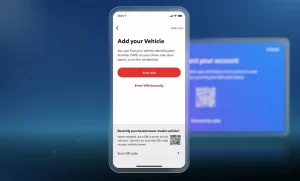
| 17-digit VIN | Links to your vehicle’s build records |
Your VIN is on the metal plate at the base of your windshield and on the certification label on the driver’s side door jamb. The NHTSA standardized the 17-digit VIN format in 1981, so it’s the same on every modern Toyota.
Know Your Toyota’s Thread Size and Seat Type
Ordering the right replacement wheel lock key also means confirming your vehicle’s specs. A wrong seat type is a safety issue, not just an inconvenience.
Thread Sizes by Model
| Vehicle Category | Model Examples | Thread Size | Socket Size |
|---|---|---|---|
| Standard Passenger / Compact | Camry, Corolla, RAV4 | M12 x 1.5 | 21 mm |
| Heavy SUVs / Trucks | Tundra (2022+), Sequoia | M14 x 1.5 | 22 mm |
| High Performance | Supra (2020+) | M14 x 1.25 | 17 mm |
| Hydrogen Fuel Cell | Mirai (2021+) | M12 x 1.5 | 21 mm |
| Compact Utility | Yaris iA | M12 x 1.5 | 19 mm |
Seat Types at a Glance
The seat is the part of the lug nut that contacts the wheel surface. Getting this wrong causes loose lug nuts — a serious hazard.
- Mag Seat: Flat seating surface with a separate washer. Used on most Toyota factory alloy wheels.
- Cone (Acorn) Seat: 60-degree tapered surface. Common on aftermarket wheels.
- Radius (Ball) Seat: Rounded surface. Rare on Toyota, more common on European brands.
If you’re fitting a replacement lock after emergency removal, match the seat style exactly to what was there before.
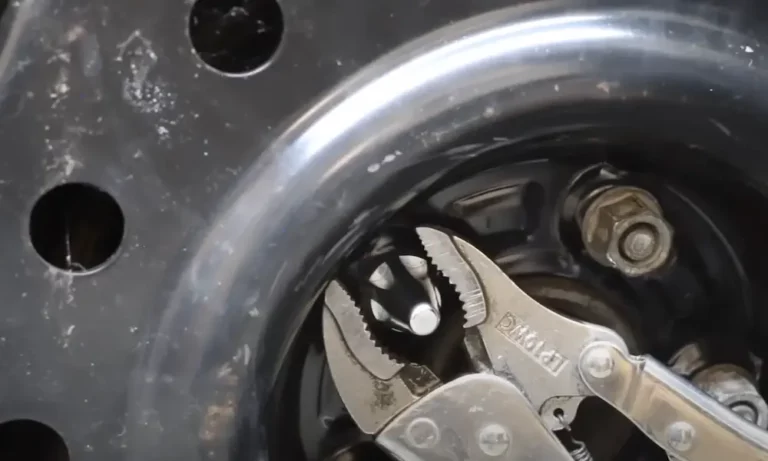
Emergency Removal: When You Need the Wheel Off Right Now
If a flat tire hits and the key is nowhere, you’ve got a few professional removal options. These methods are destructive — the lock won’t survive — but they get the wheel off.
Common removal tools:
- Twist sockets (lug nut removers): Internal spiral grooves bite into the lock’s exterior when turned counterclockwise. Works well on most standard locks.
- Hammer-on method: A 12-point socket slightly smaller than the lock is hammered on, biting into the exterior. A breaker bar does the rest.
- AGA Wheel Lock Removal Tool: Used for high-security locks with free-spinning outer rings. Uses collets and a slide hammer to pull the lock off.
- Maddox universal sets: Common in professional shops for handling multiple lock brands.
🔧 Brute force removal can scratch alloy wheels or damage stud threads. Once removed this way, the lock is trash. Plan to order a full replacement set afterward.
Installing Your New Wheel Lock Key Correctly
Once you’ve got a replacement, install it right the first time. Toyota and McGard both give the same warning:
Never use an impact wrench on wheel locks. The rapid torque pulses can shatter the narrow grooves in the key or crack the lock’s internal pattern. Hand tools only.
Correct installation steps:
- Clean the wheel studs with a wire brush
- Thread the lock on by hand to avoid cross-threading
- Place the key on the lock until the patterns fully engage
- Apply steady inward pressure while tightening with a torque wrench
- Torque to 140 Nm (103 ft-lbs) for most Toyota alloy wheel applications
- Do a torque audit after all fasteners are tightened
Does Toyota’s Protection Plan Cover This?
If you have a Toyota Platinum Protection plan, you may be in luck. The plan can cover:
- Lost, stolen, or damaged wheel lock keys (under the non-programmable key benefit — up to $250)
- Keys that are lost, damaged, or stolen on a covered vehicle — up to $800 per occurrence
- Towing to the nearest Toyota dealer if you can’t remove a flat tire — up to $100 per occurrence
Check your protection plan details to confirm what’s covered before paying out of pocket.
Don’t Let This Happen Again
The fix is simple: once you get your replacement key, register it immediately with the manufacturer. McGard and Gorilla Automotive both maintain databases tied to your pattern code. If you lose the key a second time, that registered code means a quick reorder — no master key testing, no dealership visit, no waiting.
Store the key in the glove box, write the registration number somewhere safe, and let your next service advisor know where it is. A two-minute conversation saves a two-week headache.