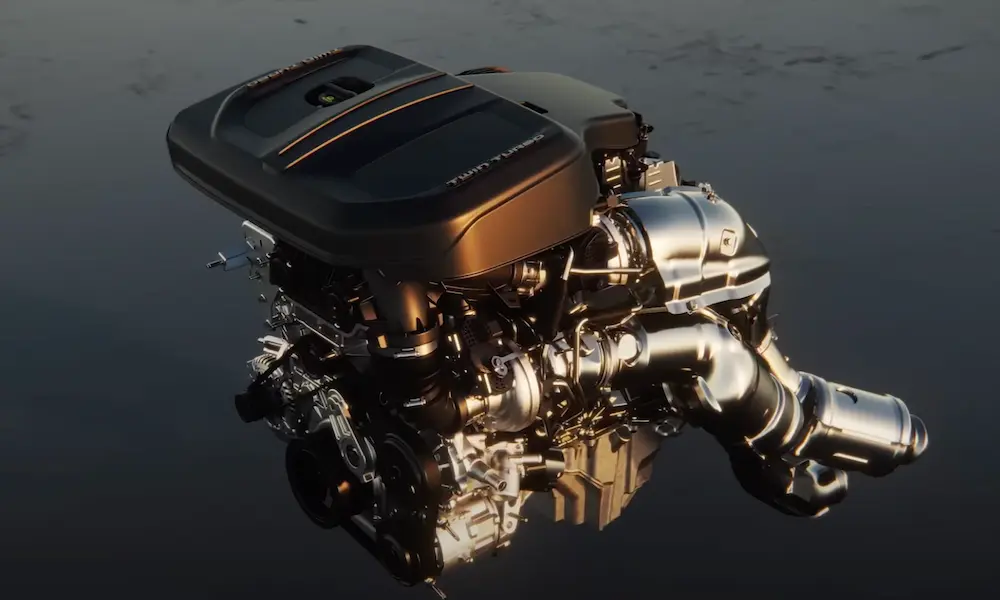
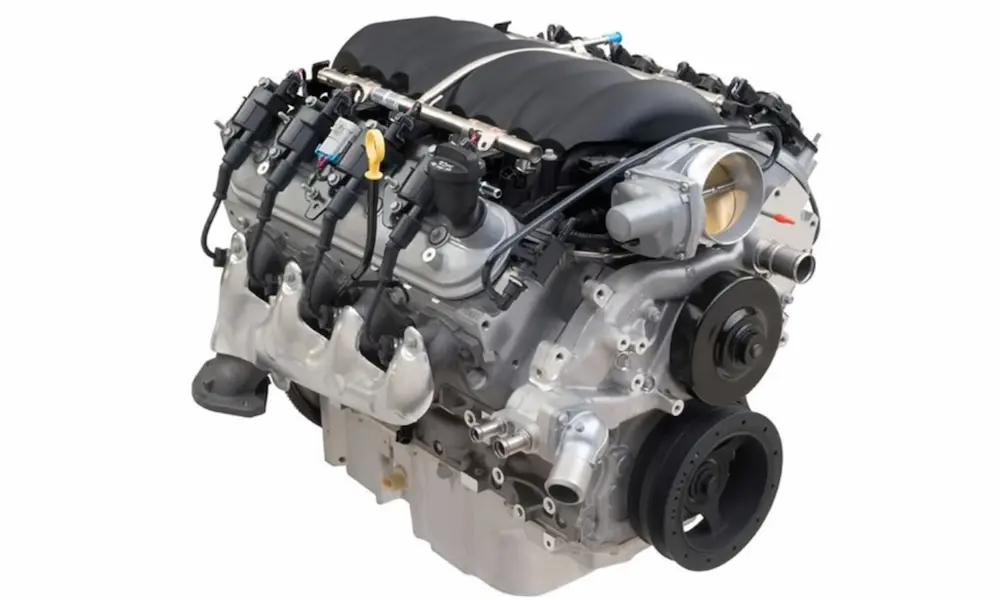
Is your TurboMax-powered truck burning through oil faster than your patience? You’re navigating one of the most discussed topics in modern truck ownership. GM’s 2.7L TurboMax engine promised V8 power with four-cylinder efficiency, but for many owners, it’s delivered a mix of impressive performance and frustrating issues.
The Oil Consumption Crisis: Why Your TurboMax is Thirsty
The most common complaint about TurboMax engines isn’t about power—it’s about their remarkable thirst for oil. Many owners report their engines consuming a quart every 1,000-1,500 miles, which is well beyond normal rates.
What’s Causing the Oil Disappearing Act?
The problem stems from several design factors working against each other:
- Piston Ring Issues: The high-pressure environment inside turbocharged cylinders puts extreme stress on piston rings. Over time, they lose tension and allow oil to slip past into the combustion chamber.
- PCV System Limitations: The Positive Crankcase Ventilation system struggles under high boost conditions (up to 22 psi). Instead of properly managing blow-by gases, it recirculates oil vapor through the intake, increasing consumption and promoting carbon buildup on intake valves.
If you notice blue smoke during cold starts, it’s a telltale sign your TurboMax is burning oil. This isn’t just an inconvenience—it’s potentially harmful to engine longevity.
Quick Oil Check Protocol
To stay ahead of oil consumption:
- Check oil levels weekly, not monthly
- Keep oil level between 25-75% on the dipstick
- Use only Dexos1 Gen 3 synthetic 5W-30 oil
- Consider 5,000-mile oil change intervals rather than the factory 7,500
Turbocharger Troubles: When Boost Becomes a Bust
That turbocharger is the heart of your TurboMax’s performance—and unfortunately, a potential point of failure.
Heat is the Enemy
The BorgWarner turbocharger in TurboMax engines faces severe thermal challenges:
- Oil Coking: Shutting down immediately after hard driving causes oil to carbonize on hot bearing surfaces. These carbon deposits restrict oil flow, eventually leading to bearing failure.
- Compressor Surge: If you live at higher elevations, you might experience fluttering noises during acceleration. This is compressor surge—the wastegate struggles to maintain stable boost when atmospheric pressure drops, putting additional stress on turbo components.
Warranty data from 2023-2024 shows that 60% of turbo replacements were preceded by oil temperatures exceeding 280°F—a clear indication that heat management is critical for turbo longevity.
Protecting Your Turbocharger
To extend turbo life:
- Allow your engine to idle for 30-60 seconds before shutdown after highway driving
- Consider installing a turbo timer for automatic cooldown periods
- Be aware of unusual sounds during boost—whistling, rattling, or flutter aren’t normal
Carbon Buildup: The Silent Performance Killer
Unlike engines with port injection, the TurboMax’s direct injection system can’t wash fuel over intake valves, leading to stubborn carbon deposits.
The Dirty Details
Carbon accumulates at approximately 0.15mm per 10,000 miles. By the time you hit 50,000 miles, this buildup can:
- Reduce airflow by 18-22%
- Cause rough idle with RPM fluctuations
- Create misfires under load
- Rob your engine of the low-end torque it’s famous for
The most frustrating part? This buildup happens invisibly until symptoms appear, at which point cleaning becomes a labor-intensive job.
Carbon Prevention Strategies
Take these steps to minimize carbon buildup:
- Install an oil catch can to trap oil vapors before they enter the intake
- Use top-tier gasoline with detergent additives
- Consider occasional Italian tuneups (sustained higher RPM driving) to help clear deposits
- Ask your dealer about intake valve cleaning services at 50,000-mile intervals
Active Fuel Management (AFM): Efficiency with a Price
GM’s cylinder deactivation system helps achieve impressive EPA figures, but it introduces additional failure points in the TurboMax engine.
The Lifter Lottery
AFM uses special lifters with internal oil passages and deactivation pins. These complex components face two major challenges:
- Oil Starvation: During cylinder reactivation, insufficient oil pressure can lead to lifter bore scoring.
- Pin Seizure: The tiny 0.8mm oil galleries that feed these components easily clog with carbon, causing pins to stick.
According to a 2024 class-action lawsuit, approximately 19% of TurboMax engines with AFM require lifter repairs before reaching 60,000 miles, with repair costs ranging from $2,800-$3,500.
AFM Warning Signs
These symptoms might indicate AFM system problems:
- Engine misfires, especially during acceleration
- “Check Engine” light with P0300-series codes
- Ticking or knocking sounds from the valvetrain
- Sudden power loss during cylinder reactivation
High-Pressure Fuel Pump (HPFP) Failures
The direct injection system relies on a sophisticated high-pressure fuel pump that operates at up to 2,900 psi—and it’s proving to be another trouble spot.
When the HPFP Gives Up
The Bosch HDP5 pump in TurboMax engines can fail in several ways:
- Plunger galling from insufficient lubrication
- Cam follower spalling under high cyclic loads
- Check valve failures causing extended cranking
When the HPFP goes, you’ll face replacement costs of $850-$1,200 plus labor, which exceeds 4.5 hours due to the need to remove the intake manifold.
HPFP Failure Symptoms
Watch for these warning signs:
- Extended cranking before startup
- Engine running rough at idle
- Power loss, especially under load
- “Check Engine” light with P0087 code (fuel rail pressure too low)
Engine Block and Cylinder Head Integrity Issues
Recent manufacturing problems have revealed structural vulnerabilities in some TurboMax engines.
The 2023 Casting Defect Recall
In February 2024, GM issued Customer Satisfaction Program N232415060 addressing cracked blocks in some vehicles. The defect created micro-fractures in the main oil gallery that could grow under thermal stress, potentially leading to catastrophic oil loss.
While this affected relatively few vehicles (approximately 14), it highlights the importance of responding promptly to recall notices for your TurboMax-equipped truck.
Cylinder Head Warpage Concerns
The compact aluminum cylinder head design (89mm bore spacing) makes the TurboMax prone to warpage after overheating events. Post-repair measurements indicate that 23% of heads removed due to overheating exceeded GM’s 0.10mm warpage limit.
Signs of potential head warpage include:
- White smoke from the exhaust
- Coolant loss with no visible leaks
- Overheating, especially under load
- Sweet smell from the exhaust (coolant burning)
Transmission Integration: Smooth Operator or Rough Rider?
The TurboMax’s unique power delivery creates challenges for GM’s 8L90 8-speed automatic transmission.
Torque Converter Lockup Problems
The engine’s flat torque curve (430 lb-ft from 1,500-4,000 RPM) intensifies low-speed converter clutch shudder, particularly in 2nd and 3rd gears. This correlates with rapid transmission fluid degradation—fluid analysis shows a 40% reduction in shear stability after just 30,000 miles compared to naturally aspirated V8 applications.
Shift Quality Issues
Many owners report the transmission struggling to manage the TurboMax’s power delivery:
- False neutral sensations during 4-5 upshifts
- Abrupt downshifts when boost builds during passing
- Hunting between 7th and 8th gears during highway towing
For better transmission performance, consider:
- Installing a 34-row auxiliary transmission cooler when towing
- Using only factory-specified transmission fluid
- Requesting the latest transmission control module updates from your dealer
The TurboMax Maintenance Blueprint: Beyond the Basics
Keeping a TurboMax engine reliable requires stepping beyond GM’s standard maintenance schedule. Here’s a comprehensive approach:
Essential Oil Management
- Use Dexos1 Gen 3 5W-30 synthetic oil exclusively
- Shorten oil change intervals to 5,000 miles
- Install an oil catch can to reduce intake valve coking by 60-70%
- Monitor oil level weekly and maintain within the middle range of the dipstick
Critical Thermal Management
- Consider a 180°F thermostat to reduce thermal cycling stress
- Upgrade cooling systems if you regularly tow
- Allow proper engine cooldown after high-load operation
- Keep an eye on coolant level and condition
Performance Protection
If your vehicle is out of warranty or you prioritize longevity over factory specifications:
- Research AFM disablement options where legally permitted
- Request ECU updates addressing boost oscillation
- Consider transmission reprogramming to address shift quality issues
Understanding Long-Term TurboMax Reliability
With proper maintenance, a TurboMax engine can deliver 150,000+ miles of service. However, its design concentrates wear on high-stress components, making it less forgiving of neglect than traditional V8 engines.
The Reliability Numbers
I compared data from several sources to create this reliability timeline:
| Mileage | Common Issues | Approximate Repair Costs | Prevention Measures |
|---|---|---|---|
| 0-30,000 | Oil consumption, Carbon buildup begins | $100-$300 (oil consumption monitoring) | Oil catch can, 5,000-mile oil changes |
| 30,000-60,000 | Potential AFM lifter issues, Noticeable carbon buildup | $800-$3,500 (lifter repair), $400-$600 (intake cleaning) | Consider AFM deletion if out of warranty, Intake cleaning service |
| 60,000-100,000 | Potential turbocharger issues, HPFP reliability concerns | $1,200-$2,000 (turbo replacement), $850-$1,200 (HPFP) | Thermal management upgrades, Top-tier fuel only |
| 100,000+ | Timing chain wear, Cylinder scoring in high-consumption engines | $1,500-$3,000 (timing components), $4,000+ (lower engine) | Faithful oil maintenance, Proactive component replacement |
Is the TurboMax Right for You?
If you value performance and efficiency and are willing to be proactive with maintenance, a TurboMax can be a rewarding powerplant. However, if you prefer a “set it and forget it” engine or regularly miss maintenance intervals, you might face more issues than with GM’s traditional V8 options.
Addressing TurboMax Problems: Know When to Act
Don’t ignore these warning signs that indicate your TurboMax needs immediate attention:
- Oil consumption exceeding 1 quart per 1,500 miles
- Blue smoke during cold starts or acceleration
- Unusual turbocharger noises (whistling, chirping, or rattling)
- Rough idle or misfires under load
- Extended cranking before startup
- Loss of low-end power or torque
- Check engine light related to misfires or fuel pressure
The sooner you address these symptoms, the better your chances of avoiding costly repairs.
The Future of TurboMax: Potential Improvements
GM continues to refine the TurboMax platform, with recent updates addressing some early concerns:
- Revised PCV system to better manage oil consumption
- Updated turbocharger wastegate calibration for improved boost control
- Enhanced cylinder head cooling for better thermal management
- Optimized transmission shift programming for smoother operation
If you’re considering a new TurboMax-equipped vehicle, later production years generally incorporate these improvements, potentially offering better long-term reliability.
The 2.7L TurboMax represents both the promise and challenges of modern downsized, turbocharged engines. With proper care and realistic expectations, it can deliver the power you want with reasonable efficiency. But it demands a more engaged ownership experience than the bulletproof V8s of yesteryear.