Ever noticed those mysterious acronyms on vehicle spec sheets? VVT and CVT might sound similar, but they’re completely different technologies that impact how your car performs. If you’re shopping for a new vehicle or just want to understand what’s happening under the hood, knowing the difference between these systems can help you make smarter decisions about your next ride.
What Are VVT and CVT?
Let’s cut through the confusion right away: VVT (Variable Valve Timing) is an engine technology, while CVT (Continuously Variable Transmission) is a type of transmission system.
In the simplest terms:
- VVT controls when and how your engine’s valves open and close
- CVT manages how power gets from your engine to your wheels
These systems serve different purposes but both aim to make your vehicle more efficient and responsive.
How VVT Works: The Engine’s Breathing System
Variable Valve Timing is essentially your engine’s breathing control system. Traditional engines have fixed valve timing, which means they’re optimized for either low-speed torque or high-speed power—but not both.
VVT dynamically adjusts when intake and exhaust valves open and close based on your driving conditions. This creates the perfect air-fuel mixture at any RPM, giving you:
- Better low-end torque when you need it
- More power at higher RPMs
- Improved fuel economy across all speeds
The system uses hydraulic or electronic actuators to rotate the camshaft relative to the crankshaft, advancing or retarding valve timing as needed. For example, late intake valve closing can reduce pumping losses during partial load, improving fuel economy by up to 7%.
Types of VVT Systems
Not all VVT systems are created equal:
- Cam Phasing: Adjusts the camshaft’s position relative to the crankshaft
- Variable Duration: Changes both timing and how long valves stay open
- Camless Systems: Uses electromagnetic or pneumatic actuators for independent valve control
Honda’s famous VTEC system is an advanced form of VVT that actually switches between different cam profiles depending on engine speed.
VVT Benefits and Drawbacks
| Benefits | Drawbacks |
|---|---|
| 5-10% better fuel efficiency | Requires clean oil for proper function |
| 8-15% more power | Can develop issues if maintenance is neglected |
| Reduced emissions | More complex than traditional valve systems |
| Better engine response | Can be costly to repair if it fails |
When VVT systems have problems, you might notice rough idling, stalling, or the dreaded check engine light. The most common culprit is dirty oil clogging the VVT solenoids, which is why regular oil changes are crucial.
How CVT Works: The Gearless Transmission
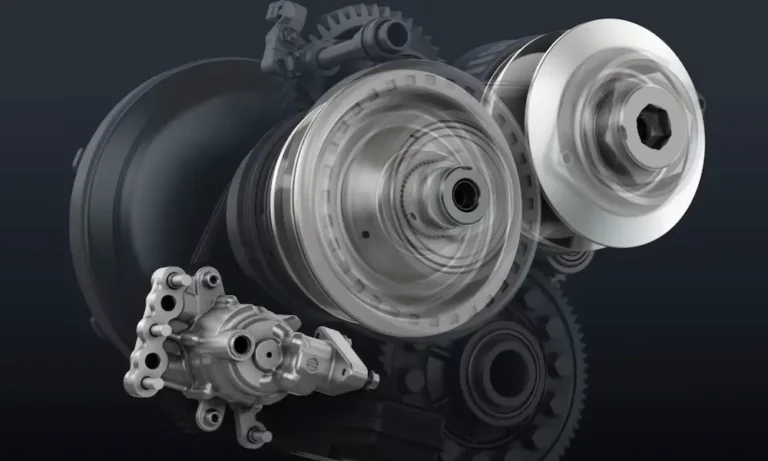
While traditional transmissions have a fixed number of gears (4, 5, 6, etc.), a Continuously Variable Transmission has no gears at all. Instead, it uses a system of pulleys and belts (or chains) to provide an infinite number of “gear ratios.”
Imagine a bicycle with two different-sized wheels connected by a chain. Now imagine those wheels could constantly change size—that’s basically how a CVT works.
The CVT uses two pulleys connected by a belt:
- One pulley connects to the engine
- One pulley connects to the wheels
- Both pulleys can change diameter
As you accelerate, the system adjusts these pulleys to keep the engine running at its most efficient RPM. This creates a smooth, stepless acceleration without the familiar “shifts” of a traditional transmission.
CVT Benefits and Drawbacks
| Benefits | Drawbacks |
|---|---|
| 10-15% better fuel economy | Different driving feel (no distinct shifts) |
| Smoother acceleration | Can produce a droning engine sound |
| Simpler mechanical design | Limited towing capacity |
| Works well with hybrid systems | Generally more expensive to repair |
CVTs excel in stop-and-go city driving where Toyota’s CVT-equipped vehicles leverage this technology to reduce emissions and enhance urban drivability.
VVT vs CVT: Direct Comparison
Let’s break down the key differences between these technologies:
| Feature | VVT | CVT |
|---|---|---|
| System Type | Engine technology | Transmission technology |
| Function | Controls valve timing | Controls power delivery |
| Fuel Economy Boost | 5-10% | 10-15% |
| Performance Impact | Better torque and power | Smoother acceleration |
| Driving Feel | More responsive engine | No gear shifts |
| Maintenance | Requires clean oil | Requires specialized service |
| Common in | Most modern engines | Many economy cars and hybrids |
Can Cars Have Both VVT and CVT?
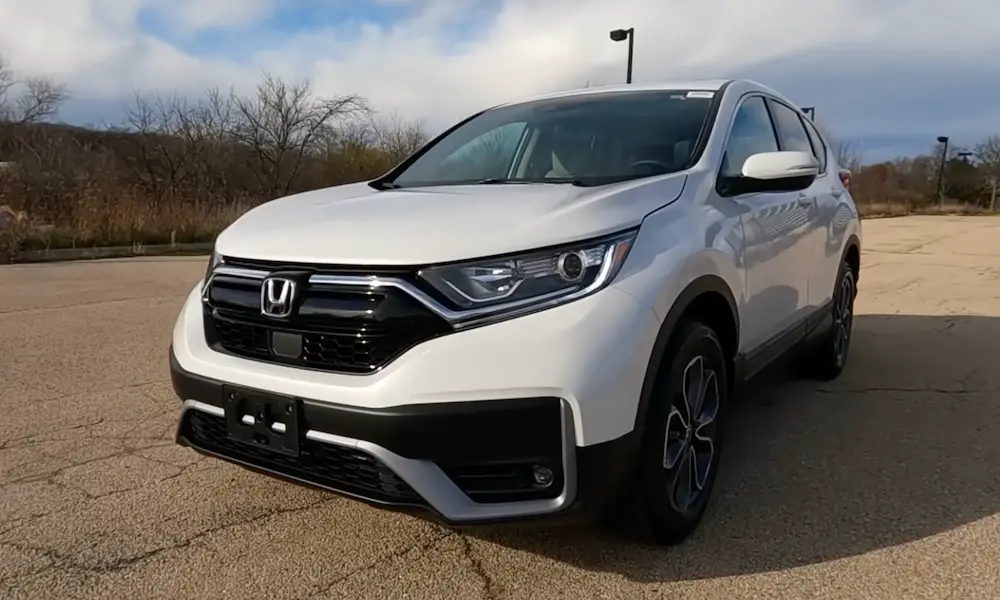
Absolutely! Many modern vehicles actually combine these technologies for maximum efficiency. For example, Honda’s Earth Dreams engines pair VTEC-VVT technology with CVT transmissions to achieve excellent fuel economy.
The synergy works like this:
- VVT optimizes the combustion process in the engine
- CVT keeps the engine running at its most efficient RPM
- Together, they maximize fuel economy and reduce emissions
This combination is particularly common in hybrid vehicles like the Toyota Prius, where efficiency is the primary goal.
Which Is Better for You: VVT, CVT, or Both?
The answer depends entirely on your priorities:
Choose a vehicle with VVT if you value:
- Engine responsiveness
- Performance across all RPM ranges
- Technology that’s now standard on most new vehicles
Choose a vehicle with CVT if you value:
- Maximum fuel efficiency
- Smooth, shift-free driving
- City driving economy
Choose a vehicle with both if you value:
- Best possible fuel economy
- Environmental consciousness
- Latest automotive technology
Most new vehicles come with VVT as standard equipment since it’s become nearly universal engine technology. CVT remains an option that some manufacturers favor (Honda, Toyota, Nissan, Subaru) while others stick with traditional automatic transmissions (Ford, Chevrolet, BMW).
Future Trends: Where VVT and CVT Are Heading
Both technologies continue to evolve:
VVT Innovations
Next-generation VVT systems are moving toward electromagnetic valve control, which would eliminate hydraulic components and allow for even more precise valve timing. Fiat’s MultiAir technology already demonstrates 15% fuel savings in stop-and-go traffic using advanced hydraulic valve actuation.
CVT Innovations
CVTs are evolving into e-CVT systems for hybrids, where electric motors complement the traditional pulley system. Meanwhile, carbon-fiber belts and ceramic-coated pulleys aim to address durability concerns in high-performance applications.
As vehicles become increasingly electrified, we’ll likely see both technologies adapt to support hybrid and plug-in powertrains—further blurring the line between traditional engines and electric motors.
Understanding Maintenance Requirements
If your vehicle has VVT, CVT, or both, here’s what you need to know about keeping them running smoothly:
VVT Maintenance
- Regular oil changes are critical – VVT systems rely on oil pressure and clean oil
- Use the correct oil type – Always follow manufacturer specifications
- Listen for unusual noises – Rattling or ticking could indicate VVT problems
- Don’t ignore the check engine light – VVT issues often trigger warning lights
CVT Maintenance
- Fluid changes are essential – CVTs need special fluid that should be changed according to schedule
- Avoid aggressive driving – Rapid acceleration can strain CVT components
- Know towing limitations – CVTs typically have lower towing capacities
- Find a transmission specialist – Not all mechanics are experienced with CVT repairs
Making the Right Choice When Car Shopping
When shopping for a vehicle with VVT, CVT, or both, keep these tips in mind:
- Test drive thoroughly – CVTs feel different from traditional automatics; make sure you like the experience
- Check reliability ratings – Some manufacturers’ CVTs have better track records than others
- Consider maintenance costs – Both technologies may require specialized service
- Match to your driving style – Performance-oriented drivers might prefer traditional transmissions over CVTs
- Research specific models – Implementation quality varies between manufacturers
Modern vehicles frequently combine advanced engine technologies like VVT with innovative transmission systems like CVTs to create more efficient, cleaner-running cars. Understanding how these systems work together gives you valuable insight when making your next vehicle purchase decision.