Ever wondered exactly what’s protected under the hood when you drive your Ford off the lot? Ford’s powertrain warranty is your mechanical safety net, but many drivers aren’t clear on what it actually covers. Let’s break down everything you need to know about Ford’s powertrain protection in simple terms.
What Is a Ford Powertrain Warranty?
A powertrain warranty covers the parts that make your car move. Think of it as insurance for the heart and muscles of your vehicle. For Ford vehicles, this typically lasts for 5 years or 60,000 miles (whichever comes first), though this can vary by model and region.
This coverage exists specifically for manufacturing defects and workmanship issues—not regular wear and tear or damage from accidents. It’s your backup plan if something goes wrong with these critical components through no fault of your own.
Engine Components Covered Under Ford’s Warranty
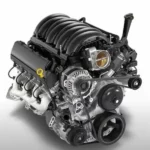
Your engine is the most expensive and complex part of your powertrain. Ford’s warranty protection includes:
- Cylinder block and all internal parts
- Cylinder heads and valves
- Timing chain, gears, and cover
- Oil pump and oil pan
- Water pump
- Intake and exhaust manifolds
- Flywheel
- Valve covers
- Oil pan
- Engine mounts and supports
- Engine/powertrain control module and sensors
For turbocharged or supercharged engines, the coverage extends to the turbocharger or supercharger unit, wastegate, intercooler, and related control components.
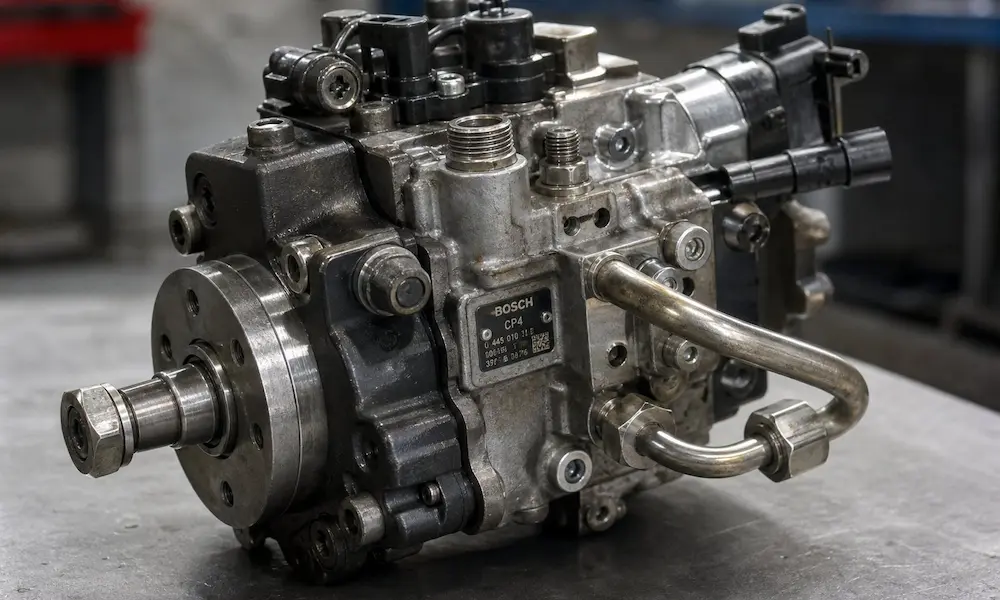
Diesel engines, like the Power Stroke units, have specialized coverage for their unique components, including high-pressure fuel pumps and injectors, with some extending to 100,000 miles in certain markets.
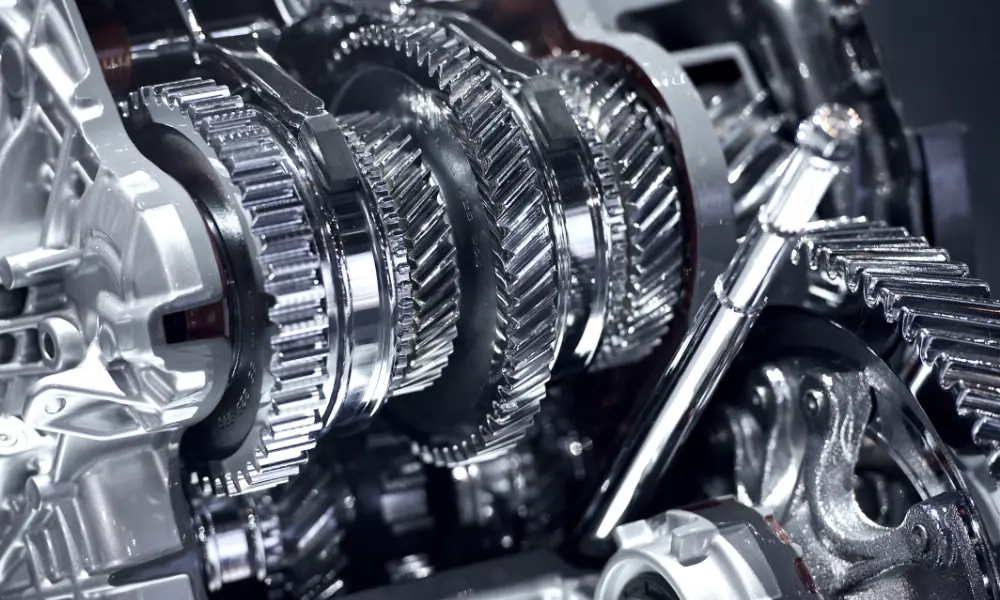
Transmission Coverage Details
Whether you drive an automatic or manual transmission, Ford’s warranty has you covered:
- Transmission case and all internal parts
- Torque converter (for automatics)
- Clutch pressure plate (for manuals)
- Transmission mounts
- Transfer case and all internal parts (for 4WD/AWD)
- Transmission control module
- Seals and gaskets related to these parts
According to the 2025 U.S. warranty guide, Ford includes transmission mounts and transfer cases specifically for four-wheel-drive configurations.
Drivetrain Components Under Warranty
The drivetrain components move power from your transmission to your wheels. Ford covers:
- Front-wheel drive: Axle shafts, constant velocity (CV) joints, universal joints, front hub bearings
- Rear-wheel drive: Driveshaft, universal joints, rear axle housing and internal parts, axle bearings
- Four-wheel drive: All of the above plus the transfer case, locking hubs, and center differential
Ford’s warranty specifically lists “automatic locking hubs and center support bearings” in their coverage details across both U.S. and Canadian markets.
Ford Powertrain Warranty Duration By Vehicle Type
Not all vehicles get the same coverage period. Here’s how Ford structures its warranty terms:
| Vehicle Type | Warranty Period | Mileage Limit |
|---|---|---|
| Standard Consumer Vehicles | 5 years | 60,000 miles |
| Commercial Fleet Vehicles | 5 years | 100,000 miles |
| Diesel Engines (U.S.) | 5 years | 100,000 miles |
| Diesel Engines (Canada) | 5 years | 160,000 km (≈99,419 miles) |
| Hybrid/Electric Powertrains (Canada) | 8 years | 160,000 km (≈99,419 miles) |
If you’ve purchased a F-Series Super Duty truck or Transit van for your business and registered it under a Fleet Identification Number, you’ll benefit from the extended 100,000-mile coverage as noted in the 2025 U.S. policy.
Regional Differences in Ford’s Powertrain Warranty
Ford’s warranty terms vary depending on where you live:
United States:
- Standard 5-year/60,000-mile coverage
- Commercial vehicles get 5-year/100,000-mile terms
- Power Stroke diesel engines: 5-year/100,000-mile protection
Canada:
- Standard 5-year/100,000 km (≈62,137 miles) coverage
- Diesel engines: 5-year/160,000 km coverage
- Hybrid/electric components: 8-year/160,000 km coverage
India:
- Offers an “Anytime Warranty” program allowing owners to reactivate powertrain coverage for 1 year/20,000 km on vehicles aged 5-8 years
- This unique program from Ford India helps extend protection for older vehicles
Extended Powertrain Warranty Options
If the standard coverage isn’t enough for your peace of mind, Ford offers extended protection plans:
- Ford Protect PowertrainCARE extends coverage up to 8 years/150,000 miles
- Some dealerships, like Preferred Ford, offer their own 10-year/100,000-mile extensions that exceed the factory terms
These plans can be purchased at the time of vehicle purchase or before your original warranty expires. They’re particularly valuable if you plan to keep your vehicle for many years or drive significantly more than average.
What’s Not Covered by Ford’s Powertrain Warranty
Understanding what’s excluded is just as important as knowing what’s covered. Ford’s powertrain warranty doesn’t cover:
- Damage from accidents, collisions, or impacts
- Damage from improper fluid use (wrong oil, contaminated coolant)
- Water damage from driving through floods
- Racing or competition use
- Overloading beyond capacity
- Regular maintenance items (filters, fluids)
- Normal wear and tear
- Damage from modifications or aftermarket parts
- Damage from neglect or improper maintenance
The warranty specifically notes that even if Ford Power-Up software updates cause component failures during the warranty period, they remain covered.
Special Cases: Replacement Parts Warranty
If you need a major component replaced, Ford provides separate warranty terms:
- Remanufactured engines and transmissions: 3-year/100,000-mile warranty when installed by Ford technicians
- Diesel short blocks: 1-year/unlimited mileage coverage
- Dealer-installed parts: 2-year/unlimited mileage coverage
These terms can be confirmed through Ford’s OASIS portal, which tracks warranty information for specific vehicles.
How To Check and Maintain Your Warranty Coverage
To maximize your warranty protection:
- Keep detailed service records
- Follow Ford’s recommended maintenance schedule
- Use Ford-approved parts and fluids
- Have services performed by Ford-authorized technicians
- Address any issues promptly to prevent further damage
You can verify your current warranty status by:
- Visiting your local Ford dealership
- Contacting Ford Customer Service
- Checking Ford’s OASIS system with your VIN
Hybrid and Electric Vehicle Powertrain Coverage
Ford’s electrified vehicles get special warranty consideration:
- Hybrid electric vehicle (HEV) components: 8 years/100,000 miles in the U.S.; 8 years/160,000 km in Canada
- Battery electric vehicle (BEV) components: 8 years/100,000 miles for Standard Range batteries; 8 years/150,000 miles for Extended Range batteries
- Key covered components include: high-voltage battery, electric drive motors, and power electronics
These extended terms reflect the advanced technology in these vehicles and help provide buyer confidence in relatively newer technologies.
Ford Powertrain Warranty for Commercial Vehicles
Business owners using Ford vehicles get special considerations:
- F-Series Super Duty trucks: 5 years/100,000 miles
- Transit vans: 5 years/100,000 miles
- Must be registered with a Fleet Identification Number
- Coverage remains valid even if the vehicle is later sold to a non-commercial owner
This enhanced coverage recognizes the heavier usage these vehicles typically experience and helps business owners manage their operating costs better.
How To Make a Powertrain Warranty Claim
If you suspect a powertrain issue covered by warranty:
- Contact your Ford dealership service department immediately
- Explain the symptoms you’re experiencing
- Bring your vehicle service records and warranty information
- The dealership will perform diagnostics to determine if the issue is warranty-covered
- If approved, repairs will be completed at no cost to you
Acting quickly is crucial—continuing to drive with a serious powertrain issue can cause additional damage that might not be covered.
The Value of Ford’s Powertrain Warranty
Ford’s powertrain warranty provides significant value in several ways:
- Protection against unexpected repair costs for major components
- Peace of mind during the initial years of ownership
- Potential for higher resale value
- Demonstration of Ford’s confidence in their products
For many buyers, particularly those planning to keep their vehicle through the warranty period, this coverage is an important factor when choosing a Ford over competitors.
Transferring Your Ford Powertrain Warranty
Good news for used car buyers—Ford’s powertrain warranty stays with the vehicle, not the owner. If you sell your Ford before the warranty expires, the new owner gets the remaining coverage.
For the smoothest transfer process:
- Provide the new owner with all service records
- Make sure they know the warranty expiration date/mileage
- Help them update their information with Ford
This transferability adds value when selling your vehicle privately or trading it in.
How Ford’s Warranty Compares to Competitors
How does Ford stack up against other manufacturers? Here’s a quick comparison:
| Manufacturer | Standard Powertrain Warranty |
|---|---|
| Ford | 5 years/60,000 miles |
| Chevrolet | 5 years/60,000 miles |
| Toyota | 5 years/60,000 miles |
| Honda | 5 years/60,000 miles |
| Hyundai | 10 years/100,000 miles (original owner only) |
| Kia | 10 years/100,000 miles (original owner only) |
Ford’s standard coverage matches most traditional competitors but falls short of the Korean manufacturers’ longer terms. However, Ford’s commercial vehicle coverage and diesel engine warranties are competitive within their segments.
Real World Examples: Common Ford Powertrain Issues
While Ford builds reliable vehicles, here are some powertrain issues that have been covered under warranty:
- EcoBoost turbocharger failures
- Transmission control module malfunctions
- Cylinder head gasket leaks
- Timing chain tensioner problems
- Transfer case failures in 4WD models
- Coolant intrusion in certain engines
If you experience symptoms like unusual noises, fluid leaks, warning lights, or performance issues, have your vehicle inspected right away to determine if they’re warranty-covered conditions.
Documentation You Need for Warranty Service
Before heading to the dealership for warranty service, gather:
- Vehicle title or registration showing your ownership
- Driver’s license or other identification
- Service records showing proper maintenance
- Warranty information (if you have it)
- A detailed description of the problem you’re experiencing
Being prepared with these items will help the service department process your claim more efficiently.
Ford’s powertrain warranty offers substantial protection for the most crucial and expensive components of your vehicle. By understanding exactly what’s covered and maintaining your vehicle properly, you can maximize this valuable benefit and enjoy years of worry-free driving.