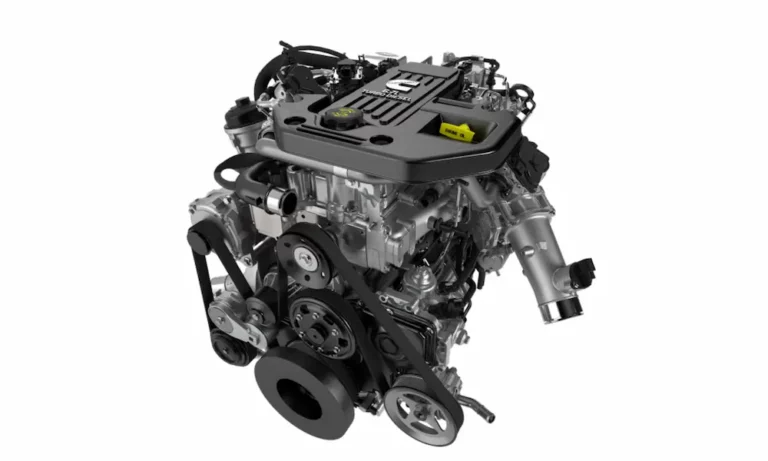
You’re searching for the “best” delete kit for your 6.7 Cummins, but here’s the truth: there’s no single kit that’ll solve everything. What you need depends on your truck’s year, your budget, and how much risk you’re willing to take. This guide breaks down exactly what works, what doesn’t, and why your tuner matters more than the pipes you’re buying.
Understanding What a “Delete Kit” Actually Is
A delete kit isn’t just a piece of hardware you bolt on and forget. It’s a two-part system that removes your truck’s emissions equipment and reprograms the computer to handle the changes.
The Hardware Side
The physical components replace your factory emissions systems. You’re removing four main parts:
The DPF (Diesel Particulate Filter) traps soot in your exhaust. When you delete it, you’re installing a straight pipe—often called a delete pipe or race pipe—that lets exhaust flow freely.
The DEF/SCR system (on 2013+ trucks) injects diesel exhaust fluid to neutralize emissions. This entire system—tank, pump, heater, injectors—gets removed.
The EGR (Exhaust Gas Recirculation) routes dirty exhaust back into your intake. You’ll remove the valve and cooler, then seal the ports with block-off plates.
The CCV (Crankcase Ventilation) reroute stops oil mist from entering your intake system.
The Software Side (This Is Critical)
Here’s where most people mess up. Your truck’s computer expects all those emissions parts to be there. Remove them without new software, and you’ll get a check engine light, error codes, and limp mode that makes your truck undrivable.
You need a delete tuner to flash new software that tells your ECM to ignore the missing sensors. The tune prevents regeneration cycles and keeps your truck running normally. Bad tuning can destroy your engine or transmission—which is why the software matters more than the hardware.
Why People Delete Their 6.7 Cummins
Performance gains get all the attention, but that’s not why most people do it.
The Real Motivation: Avoiding Costly Failures
Your emissions systems are expensive and they break. A lot. Forum users report $10,000-$12,000 dealer quotes for turbo, DPF, and SCR replacements on high-mileage trucks. DEF pumps fail and cost $1,230 plus labor. One owner was without his work truck for three weeks waiting on DEF module repairs.
When your livelihood depends on your truck, a delete starts looking like preventive maintenance instead of a modification.
The Performance Benefits
Yes, you’ll get power gains. Removing the restrictive DPF and EGR lets your engine breathe. You’re looking at 20-40 horsepower on conservative tunes, or 200+ on aggressive setups.
Fuel economy improves too. The DPF regeneration cycle burns extra fuel to clean itself. Delete it, and you’ll see noticeable MPG gains because your truck isn’t constantly burning fuel to manage emissions.
The Legal Risks You’re Taking
Every delete kit comes with an “off-road use only” label. That’s not just legal cover—it’s acknowledging that this modification is illegal for street use.
Federal Law Is Clear
Removing emissions equipment violates the Clean Air Act. The EPA’s National Enforcement Initiative has resulted in $55.5 million in penalties and jail time for sellers. Flo-Pro Performance paid $1.6 million to settle with the EPA in 2023.
The enforcement targets manufacturers and shops, not individual owners—but that doesn’t mean you’re safe.
Your Warranty Is Gone
Don’t believe anyone who says the Magnuson-Moss Warranty Act protects you. Dealerships pull a status report from your ECM for any warranty work. If the software doesn’t match, corporate servers flag it immediately. Your claim gets denied—even for unrelated repairs like a rear pinion seal.
A new engine or transmission costs over $30,000. Delete a truck under warranty and you’re gambling with that bill.
Emissions Testing Will Fail You
In states with emissions testing programs, your deleted truck fails automatically. California and similar states make this modification a non-starter.
Your Truck’s Year Determines Everything
The “best” kit for a 2015 won’t work on a 2022. Here’s why.
2007.5-2012: The Simple Years
These trucks only have DPF and EGR—no DEF system. The ECMs aren’t encrypted, so any modern tuner works. Your delete is straightforward: remove the hardware, flash the tune, and you’re done.
2013-2018: The Full Delete Era
These models added the DEF/SCR system, so you’re removing more components. But the ECMs are still easy to tune. You’ve got plenty of hardware options and every major tuning platform works. Note: 2018 models may need a bypass cable for the security gateway.
2019-2021: Increased Security
Mechanically similar to 2013-2018, but with tighter ECM security. Your tuner options narrow to devices confirmed to bypass the new protocols—RaceME Ultra and MM3 are proven solutions.
2022-2024: The Encrypted Wall
Ram changed the game with fully encrypted ECMs. You’ve got two options, both expensive and complicated.
ECM Swap Method: You physically remove your 2022+ ECM and replace it with a donor ECM from a 2019-2021 truck. Full delete bundles include the MOPAR ECM, all hardware, and a compatible tuner. Cost: $5,200-$6,000+. Critical warning: don’t plug your tuner into the original ECM or you’ll brick it and need a new $200 VIN license.
No ECM Swap Method: This bleeding-edge approach uses advanced diagnostic tools to bypass encryption and flash the original ECM. It’s risky, expensive ($5,000 for a single flash), and often limited to zero-horsepower delete-only tunes with no transmission tuning. Buyer beware—this method is largely unproven.
Choosing Your Tuning Platform (The Most Important Decision)
Your tune controls fuel maps, boost pressure, injection timing, and transmission behavior. Get this wrong and you’ll destroy your engine.
The Top Platforms Compared
| Platform | Best For | Key Feature | What You Should Know |
|---|---|---|---|
| MM3 Tuner | Custom tuning with top calibrators | Built-in 4.3″ monitor, MicroSD file transfer | The platform Double R Diesel uses—widely praised for reliability |
| EZ Lynk | User-friendly custom tuning | Cloud-based, smartphone app integration | Easiest to use for updates and datalogging, slightly pricier |
| EFI Live | Budget-conscious custom tuning | AutoCal device, email file delivery | Affordable but no built-in monitor—you’ll need a separate gauge |
| RaceME Ultra | Simplicity, wide compatibility | Preloaded box tunes, built-in monitor | Works on 2007.5-2024, simple plug-and-play solution |
Why Your Calibrator Matters More Than Your Device
Forum users don’t swear by devices—they swear by the people writing their tunes. Double R Diesel (DRD) consistently gets called “the best in the business” with “flawless” tunes and replies to tech questions within an hour.
Choose your calibrator first, then buy the hardware they support. That relationship matters more than any brand name on a delete pipe.
Hardware Selection: Exhausts and Materials
Once you’ve got your tuning sorted, the physical hardware is relatively simple.
Exhaust Size and Drone
You’ll see 4-inch and 5-inch systems. For daily driving and towing, a 5-inch system offers no real advantage over a 4-inch—and it introduces serious cab drone at cruising RPMs.
If you tow or drive long distances, a 4-inch system with a muffler is the smart choice. The muffler kills drone without restricting flow. Save the 5-inch for competition trucks.
Material Choice Depends on Your Climate
| Material | Corrosion Resistance | Best For | What to Expect |
|---|---|---|---|
| Aluminized Steel | Low-medium | Dry, arid climates | Cheap but rusts from inside out if scratched |
| T409 Stainless | Medium | Warmer climates, budget builds | Develops surface rust but maintains structure |
| T304 Stainless | Very high | Cold climates, road salt, coastal areas | Won’t rust or discolor—premium longevity |
If you live where they salt the roads in winter, T304 stainless is your only logical choice. It costs more upfront but won’t corrode.
EGR Kit Quality
Block-off plates are simple. What matters are the soft components—coolant hoses and gaskets. Cheaper kits leak because they use low-quality rubber that fails under heat.
SPELAB offers budget-friendly all-in-one options. MBRP makes quality exhausts in all three material grades. The brand matters less than verifying you’re getting high-temperature-rated hoses that won’t leak.
Your Transmission Can’t Handle the Power
If you’ve got the 68RFE automatic transmission (standard on Ram 2500/3500), this section could save you thousands.
Why the Stock 68RFE Fails
The factory transmission only produces 160 psi of hydraulic line pressure. Add torque from a delete tune—even a mild one—and the clutches slip. They’ll scream for mercy, burn out, and leave you stranded. One user’s transmission died within two weeks of deleting, even on stock power.
The Mandatory Solutions
Transmission tuning is the absolute minimum. A quality TCM tune raises line pressure to 180 psi, preventing clutch slippage. It also optimizes shift points and torque converter lockup. Most tuning packages from RaceME, PPEI, or DRD include this.
For any tune over 90 horsepower or heavy towing, you need hardware upgrades. Install a new valve body or billet channel plate and a multi-disc billet torque converter. These physical upgrades handle the increased load that tuning alone can’t manage.
Don’t skip transmission support. A rebuilt 68RFE costs thousands—and you’ll be paying it out of pocket with no warranty.
Does Deleting Actually Make Your Truck Last Longer?
A properly executed delete with diligent maintenance can extend engine life. But it’s not automatic.
The Pro-Longevity Argument
You’re eliminating the root causes of many 6.7 failures: soot recirculation from EGR, DPF clogging, and DEF system failures. One detailed case study showed lower exhaust gas temperatures, lower coolant and oil temps, and cleaner oil analysis after deleting. With proper care, deleted 6.7 Cummins engines reach 300,000-500,000 miles.
The New Risks You’re Creating
Your engine’s health becomes 100% dependent on tune quality. Bad tuning causes overheating and knocking. Aggressive “psycho” tunes destroy transmissions and damage turbos.
You’ll need diligent maintenance: regular oil changes, fuel filter replacements, and cooling system checks aren’t optional anymore.
And deleting doesn’t fix everything. Turbo actuators still fail. Other 6.7 weak points don’t magically disappear just because you removed emissions equipment.
Your 5-Step Decision Framework
Here’s how to find the right solution for your specific truck.
Step 1: Identify Your Generation
Your model year determines which technology you can use. 2007.5-2018 trucks have established options. 2019-2021 need modern tuners. 2022+ require expensive ECM swaps or risky new methods.
Step 2: Assess Your Risk Tolerance
Can you afford a $30,000 engine replacement? Will your state fail you on emissions testing? Are you comfortable with potential EPA enforcement? If you answered “no” to any of these, reconsider deleting.
Step 3: Select Your Calibrator and Platform
For maximum reliability, choose a proven calibrator like Double R Diesel with the MM3 platform. For ease of use, EZ Lynk’s cloud-based system works great. For simplicity, RaceME Ultra’s preloaded box tunes cover 2007.5-2024.
Step 4: Budget for Transmission Support
68RFE trucks must include TCM tuning. If you’re running power-adding tunes or towing heavy, budget for physical transmission upgrades now—not after it fails.
Step 5: Choose Your Hardware
Select exhaust material based on climate: T304 stainless for salt states, aluminized or T409 for dry climates. Choose a 4-inch system with a muffler for daily use. Verify your EGR kit includes quality hoses and gaskets.
Final Thoughts
There’s no “best” delete kit because it’s not about buying a product—it’s about building a complete system. Your truck’s year dictates your options. Your tuner quality determines your engine’s future. Your transmission needs support. Your climate affects hardware longevity.
Focus on the relationship with your calibrator, not the brand name on your delete pipe. Get your transmission tuning right. Choose materials that’ll survive your environment. And understand the legal risks you’re taking before you spend a dime.
The trucks that run strong for 500,000 deleted miles aren’t lucky. They’re the ones with quality tunes, proper transmission support, and owners who don’t skip maintenance because they know the warranty’s gone.