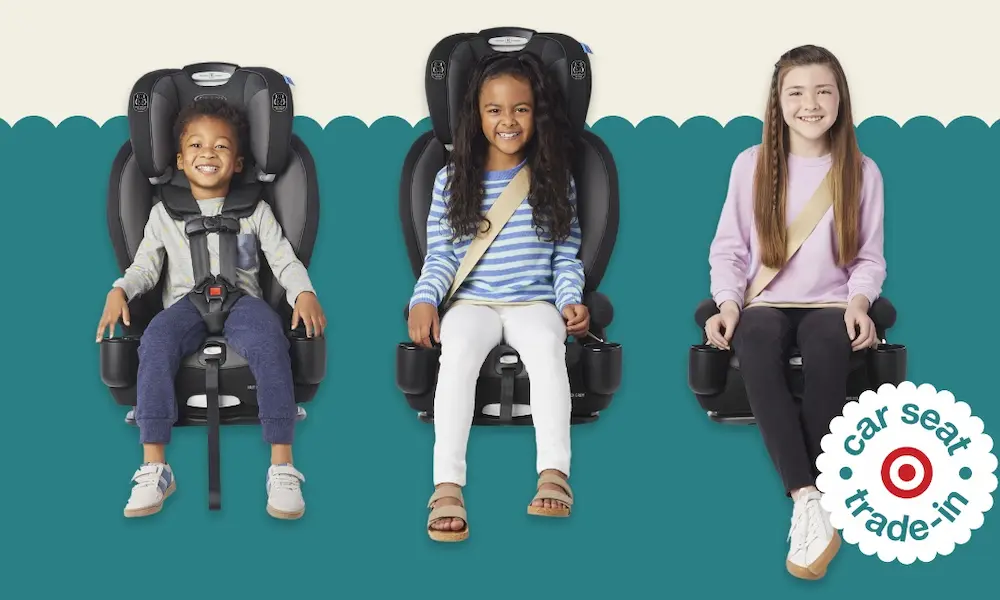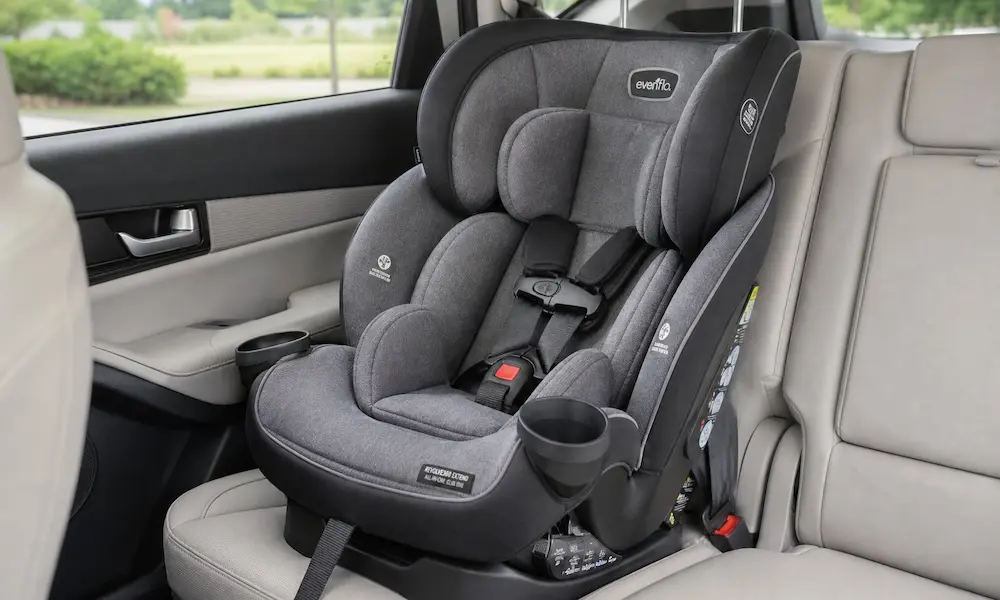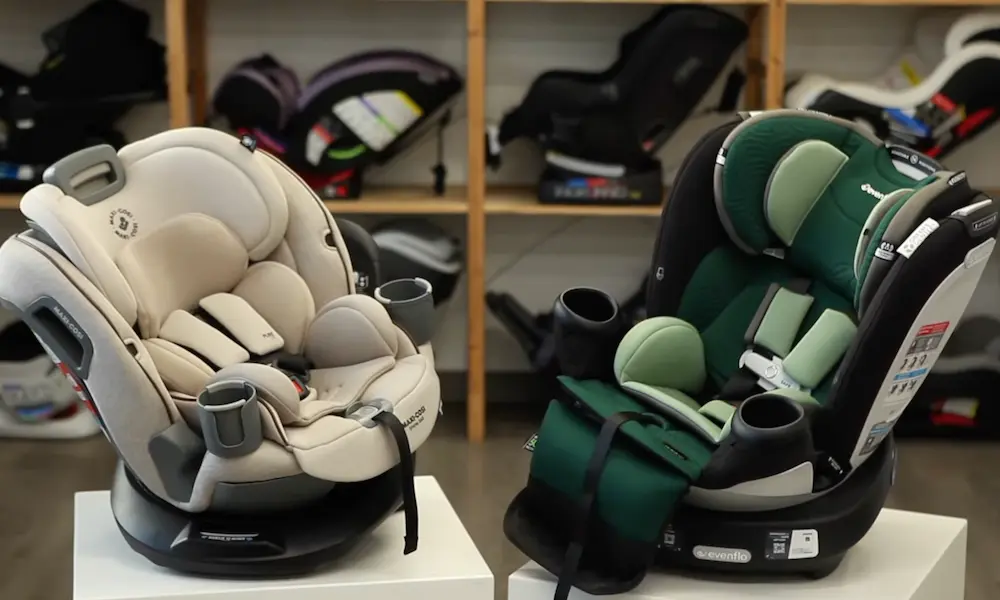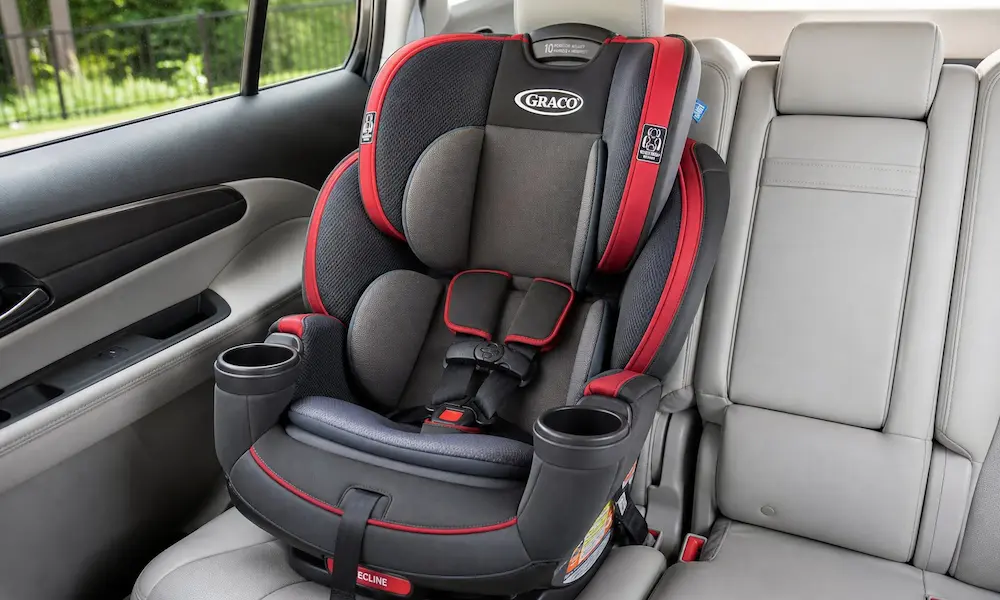
Wondering when to change car seat to forward facing? There’s a lot of confusing advice out there. Some people say “after the first birthday.” Others say “after two years.” The truth? It’s neither. Keep reading — this guide cuts through the noise and gives you the exact answer based on real safety science.
The Short Answer: It’s Not About Age
Here’s what the American Academy of Pediatrics and the National Highway Traffic Safety Administration (NHTSA) both agree on:
Keep your child rear-facing for as long as possible — until they physically outgrow the seat’s limits.
No magic birthday. No milestone celebration. The seat’s manufacturer sets the real deadline, not a calendar.
This updated recommendation dropped the old age-based guidance entirely. Prior to 2018, parents were told to keep kids rear-facing until age two. Now? The guidance is simpler: stay rear-facing until your child maxes out the seat.
Why Rear-Facing Is So Much Safer
Before you learn when to switch, you need to understand why the switch matters so much.
A Baby’s Head Is Huge (Relative to Their Body)
A newborn’s head is roughly 25% of their total body weight. An adult’s head? About 6%. That difference is enormous in a crash.
In a frontal collision — which accounts for about 60% of all crashes — a forward-facing child gets their torso stopped by the harness, but their heavy head keeps flying forward. That snapping motion puts brutal force on the neck and spine.
Their Spine Isn’t Fully Formed Yet
A toddler’s spine is mostly cartilage, not bone. The vertebrae connect through soft gaps called synchondroses that don’t fully harden until much later in childhood. Here’s the timeline:
| Vertebra | 50% Chance of Closure |
|---|---|
| C3 (lower neck) | Age 2–3 |
| C2 (axis) | Age 5–6 |
| C1 (atlas) | Age 7–8 |
The spinal column can stretch up to two inches before it structurally fails. But the spinal cord inside? It snaps with just a quarter-inch of stretch. That’s a catastrophic, life-altering injury — sometimes called internal decapitation.
Rear-Facing Seats Spread the Force
A rear-facing seat cradles the child during a frontal crash. The force spreads across the back, neck, and head evenly. Swedish crash data shows rear-facing seats reduce serious injury risk by over 92%. Kids under two are substantially less likely to die in crashes while still rear-facing.
In side-impact crashes, forward-facing kids are over five times more likely to be seriously injured than rear-facing ones.
The 3 Signs Your Child Has Actually Outgrown Their Rear-Facing Seat
This is where most parents get confused. Your child is ready to switch when they hit any ONE of these three limits set by the seat’s manufacturer:
1. They Exceed the Weight Limit
Most modern convertible seats hold rear-facing kids up to 40–50 pounds. Check your seat’s label or manual. The moment your child’s weight goes past this number, it’s time to switch.
2. They Exceed the Height Limit
Many seats cap rear-facing height at 40–49 inches, depending on the model. If your child is taller than the seat’s stated maximum, the switch is mandatory.
3. Less Than One Inch of Head Clearance
This is the most overlooked rule. Look at the top of your child’s head. If there’s less than one inch between their head and the top of the hard plastic shell, the seat is outgrown — even if they haven’t hit the weight or height limits.
The Leg Room Myth
Your child’s knees are bent. Their feet touch the back seat. Looks uncomfortable, right?
Don’t flip the seat for this reason. Kids are naturally flexible. Crash data firmly shows leg injuries are rare in rear-facing seats. Turning the seat early to fix a “leg room problem” trades a minor inconvenience for a serious spinal risk.
What Type of Car Seat Should You Use?
Understanding your options helps you stay rear-facing longer.
| Seat Type | Rear-Facing Limit | Forward-Facing Limit | Notes |
|---|---|---|---|
| Infant-Only (Bucket) | Up to 22–35 lbs | Not possible | Great for newborns; outgrown quickly |
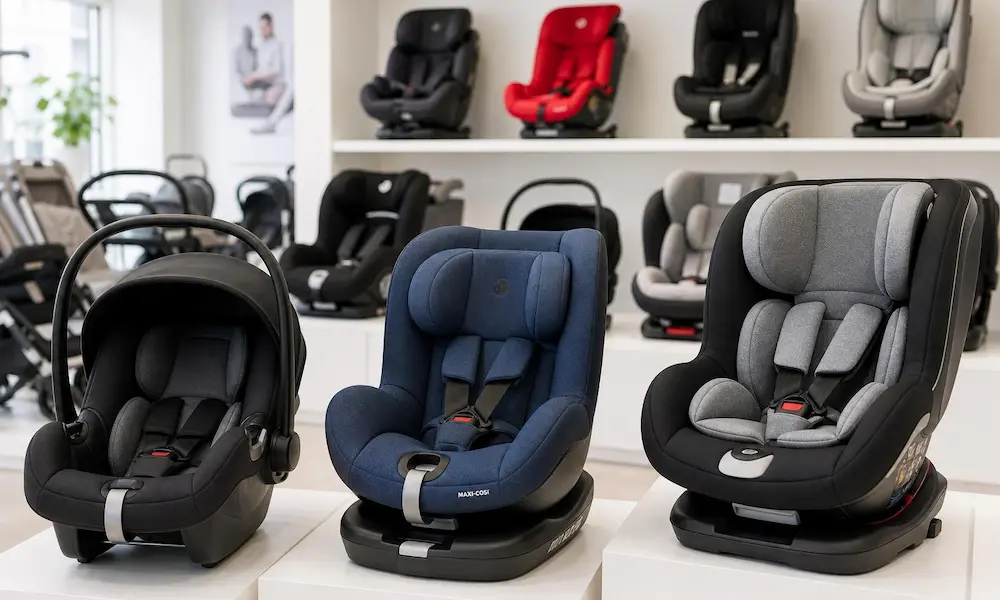
| Convertible Seat | Up to 40–50 lbs | Up to 65 lbs | Best for extended rear-facing |
| All-in-One Seat | Up to 40–50 lbs | Up to 65+ lbs | Longest use; converts to booster too |
| Combination Seat | Cannot rear-face | Up to 65–90 lbs | Only for kids already forward-facing |
If your infant has outgrown their bucket seat, don’t rush to forward-facing. Move them into a convertible seat — still rear-facing. Modern convertible seats let many kids stay rear-facing until age three, four, or even five.
How to Switch to Forward-Facing Correctly
Once your child genuinely outgrows their rear-facing seat, the installation process changes significantly. Getting this wrong wipes out a lot of that safety engineering.
Re-Route the Seat Belt
Convertible seats have separate belt paths for rear-facing and forward-facing. The forward-facing path runs behind the seat back, not under the seat. Check your manual. Using the wrong belt path in a crash is catastrophic.
Know Your LATCH Limits
LATCH (the lower anchor system) has a combined weight limit of 65 pounds — that’s the child’s weight plus the seat’s weight together. A seat that weighs 25 pounds means you can only use LATCH until your child hits 40 pounds. After that, switch to the vehicle’s seat belt instead. Never use both at the same time.
Always Attach the Top Tether
The top tether strap is the hook at the back of the seat that connects to your car’s anchor point. Always use it for every forward-facing installation — whether you’re using LATCH or the seat belt. Attaching the tether reduces your child’s forward head movement by 4–6 inches in a crash. That distance can mean the difference between a safe stop and a head hitting the seat in front.
Adjust the Harness Straps
- Rear-facing: Straps at or slightly below the shoulders
- Forward-facing: Straps at or slightly above the shoulders
If you leave the straps below the shoulders in a forward-facing seat, a crash pushes the harness down hard on the spine. That causes serious compression injuries.
Position the Chest Clip Right
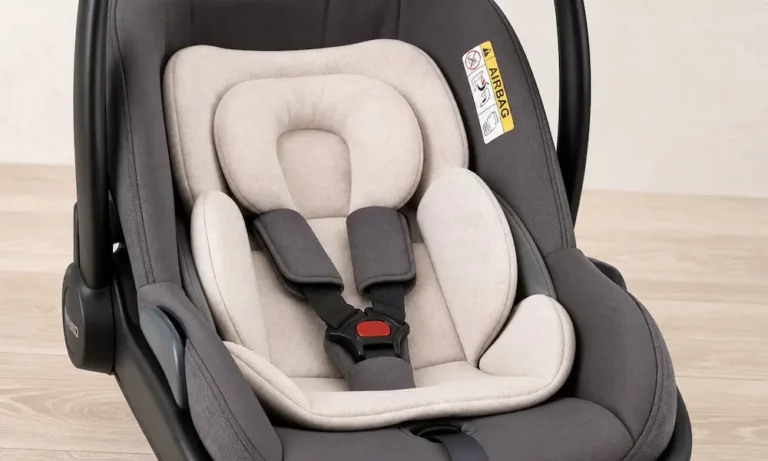
The chest clip goes at armpit level, across the center of the chest. Too low across the belly? Internal organ damage risk. Too high near the throat? Strangulation risk.
Two Tests Every Parent Should Do Every Single Time
The Pinch Test (Harness Tightness)
Buckle your child in. Pull the harness snug. Then try to pinch the strap at the collarbone between your thumb and finger. If you can pinch any fabric, it’s too loose. Tighten until your fingers slide right off.
The Inch Test (Seat Installation)
Grab the seat at the belt path and shake it side to side and front to back. If it moves more than one inch in any direction, it’s not installed tight enough. Press down hard on the seat while you pull the belt tight.
What State Laws Say (And Why They’re Not Enough)
State car seat laws vary wildly across the US. Some are dangerously outdated. Here’s a sample:
| State | Rear-Facing Minimum | Key Detail |
|---|---|---|
| California | Under age 2 AND under 40 lbs/40 in | Primary enforcement |
| New York | All children under 2 | Primary enforcement |
| Oklahoma | Under 2, regardless of weight | Primary enforcement |
| Georgia | Under 1 year AND under 20 lbs | Primary enforcement |
| Alabama | Under 1 year OR under 20 lbs | Primary enforcement |
| Florida | No specific rear-facing age stated | Primary enforcement |
See the problem? Georgia and Alabama still use the outdated one-year standard. A 13-month-old in those states can legally ride forward-facing — but doing so exposes their unossified spine to forces it simply can’t handle.
State laws set the legal minimum. Physics doesn’t care about state borders.
The AAP and NHTSA guidelines should be your real standard — not the bare minimum needed to avoid a ticket.
Common Mistakes to Avoid After Switching
Puffy Coats in the Harness
A winter coat feels snug when you buckle it. In a crash, that air compresses instantly, leaving dangerous slack in the harness. Remove the coat first, buckle your child in their regular clothes, then drape the coat backward over the harness.
Aftermarket Accessories
Those cute strap covers and head cushions from Amazon? Unless they came with your specific seat from the manufacturer, skip them. They haven’t been crash-tested with your seat. They can mask harness looseness — or become a projectile.
Using an Expired Seat
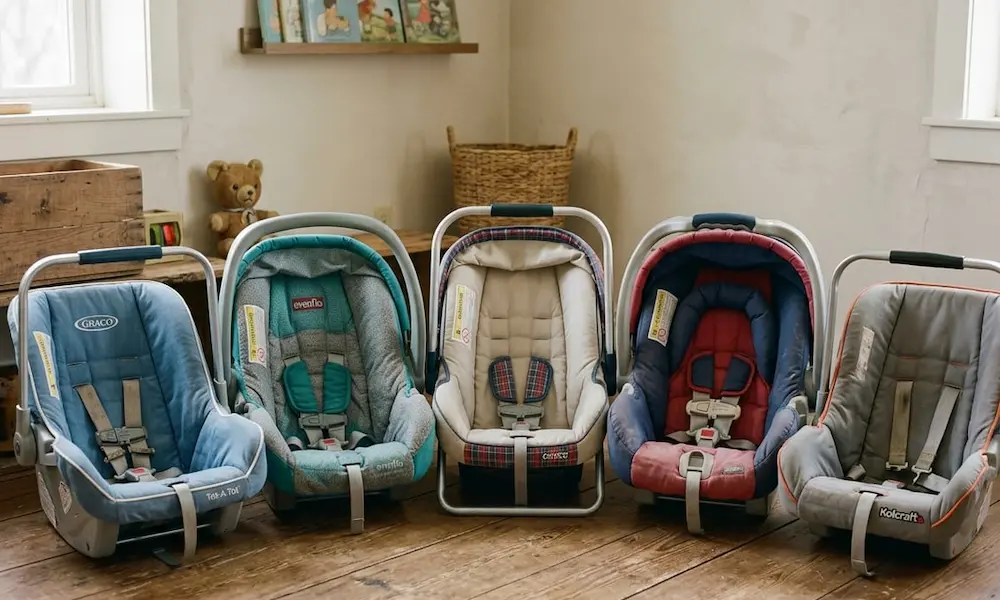
Car seats expire, usually 6–10 years from the manufacture date. Heat cycles degrade the plastic in ways you can’t see. If it’s expired — or was in a moderate-to-severe crash — replace it.
Buckle Crunch
If the vehicle’s seat belt buckle sits under or against the car seat frame, a crash can shatter it or pop it open. Move the seat or switch to LATCH if your child’s weight allows.
The Bottom Line on When to Change Car Seat to Forward Facing
Knowing when to change car seat to forward facing comes down to one thing: your child outgrows the rear-facing limits of their seat — not their birthday.
Modern convertible and all-in-one seats give kids the ability to stay rear-facing until age three, four, or five. Every extra month rear-facing is extra protection for a spine that’s still developing. When the switch does happen, install it correctly, tether it every time, and run the pinch and inch tests before every single drive.
The car seat manual and your child’s measurements are your guide. Birthday candles aren’t.