Ever wondered where your Ford Escape comes from before it reaches your driveway? The compact SUV you see on roads across America has a fascinating manufacturing journey that spans continents. Whether you’re a prospective buyer curious about your vehicle’s origins or just an automotive enthusiast, this guide will walk you through exactly where the Ford Escape is manufactured and how its production footprint has evolved over time.
The Main Ford Escape Manufacturing Hub: Louisville, Kentucky
The Louisville Assembly Plant in Kentucky has been the primary home of the Ford Escape since 2012. This massive 3.1 million square-foot facility employs over 4,500 workers who build the North American Escape models, including the standard gasoline, hybrid, and plug-in hybrid variants.
Located near Louisville International Airport, this plant underwent a significant $1.3 billion renovation in 2011 to prepare for Escape production. The investment transformed the facility into one of Ford’s most advanced manufacturing centers, creating an economic cornerstone for the Louisville region.
When you purchase a Ford Escape in North America, chances are it rolled off the assembly line at this Kentucky plant. The facility also produces the Lincoln Corsair, which shares the same C2 platform as the Escape.
The Kansas City Connection: Where It All Began
Before Louisville became the Escape’s manufacturing headquarters, the Kansas City Assembly Plant in Claycomo, Missouri was ground zero for the first Ford Escapes. From 2001 through 2011, this facility produced the first and part of the second generation Escapes for the North American market.
The Kansas City plant was particularly notable as it represented the origins of the Escape, built alongside its platform sibling, the Mazda Tribute. This production partnership reflected the development collaboration between Ford and Mazda that created the original Escape.
Currently, the Kansas City plant focuses on F-150 trucks and Transit vans, having transferred Escape duties entirely to Louisville.
Ford Escape Manufacturing in China
Since 2020, Ford has been producing the Escape (known as the Kuga in some markets) at the Changan Ford Assembly Plants in Chongqing, China. This operation stems from Ford’s joint venture with Changan Automobile, creating a manufacturing powerhouse for the Asian market.
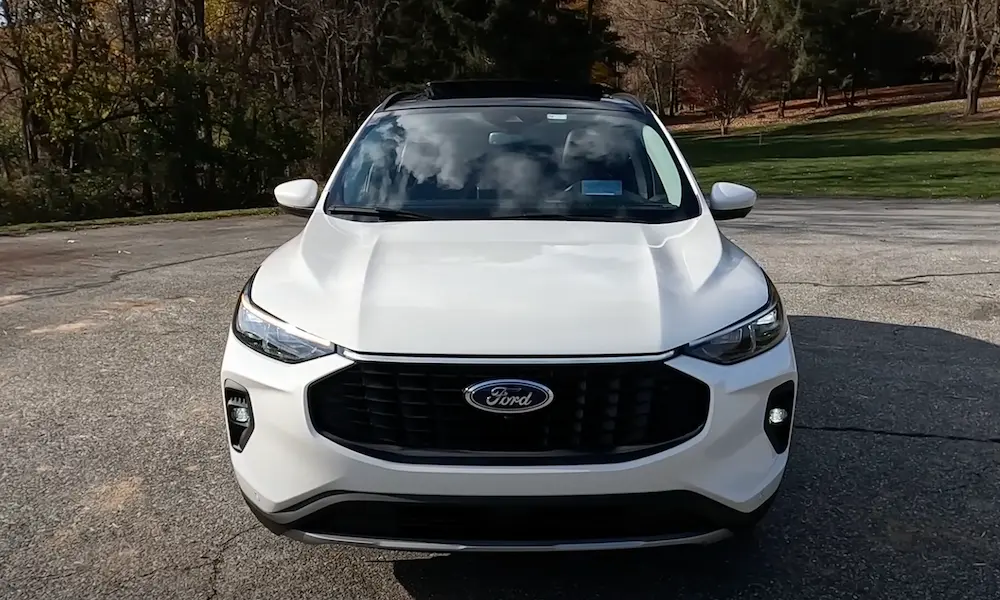
The Chinese-produced Escapes feature slight design variations compared to their American counterparts, including a distinct front fascia tailored to Asian consumer preferences. The Chongqing complex is impressive in scale:
| Chongqing Manufacturing Complex | Details |
|---|---|
| Total Plants | 3 assembly facilities |
| Workforce | Over 5,000 employees |
| Other Models Produced | Ford Mondeo, Lincoln Corsair |
| Market Focus | Asian markets |
This manufacturing presence in China demonstrates Ford’s commitment to regional customization and local production for global models.
European Production: The Kuga Connection
In Europe, the Ford Escape wears a different badge—it’s sold as the Ford Kuga. This European twin is manufactured at Ford’s Valencia Plant in Spain, which has been producing Kugas since 2008.
The Valencia facility ensures that European customers receive vehicles built to local specifications and regulations, while maintaining the core engineering and design elements that define the global C2 platform shared by both the Escape and Kuga.
Historical Ford Escape Manufacturing Locations
The Escape’s production history reflects Ford’s evolving global manufacturing strategy:
| Time Period | Manufacturing Location | Production Details |
|---|---|---|
| 2001-2012 | Kansas City, Missouri | First and second generation models |
| 2007-2012 | Louisville, Kentucky | Second generation (partial production) |
| 2012-Present | Louisville, Kentucky | Third and fourth generation (primary production) |
| 2002-Present | Taiwan (Ford Lio Ho) | Limited CKD assembly for Asian markets |
| 2020-Present | Chongqing, China | Fourth generation for Chinese market |
This global manufacturing footprint has helped Ford maintain the Escape’s position as one of its most internationally successful vehicles.
The C2 Platform: The Foundation of Modern Escape Production
The current fourth-generation Ford Escape (2020-present) is built on Ford’s global C2 platform, which represents a significant advancement in manufacturing flexibility. This architecture allows Ford to produce multiple vehicles with shared underlying components across different plants worldwide.
The C2 platform underpins not just the Escape but also:
- Lincoln Corsair
- Ford Kuga (European Escape)
- Ford Bronco Sport
- Ford Focus (international markets)
This shared platform approach creates manufacturing efficiencies that allow Ford to maintain consistent quality across different production locations while adapting to regional preferences.
Upcoming Changes to Ford Escape Manufacturing
The manufacturing landscape for the Ford Escape is set to change significantly. According to industry reports, Ford plans to end Escape production at the Louisville Assembly Plant by the end of 2025.
The 2025 model year, which began production in September 2024, will represent the final production cycle for the Escape at Louisville. After this transition, the plant is expected to focus on producing the Ford Bronco Sport and potentially an “all-new EV product” mentioned in Ford’s contract with the United Auto Workers (UAW).
This manufacturing shift aligns with Ford’s broader strategy to prioritize electric vehicles and more profitable segments, reflecting changing consumer preferences and regulatory pressures.
The Manufacturing Process Behind the Ford Escape
When your Ford Escape is manufactured at the Louisville Assembly Plant or other global facilities, it goes through a sophisticated production process:
- Body Shop: Steel components are welded together to create the vehicle’s structure
- Paint Shop: The body receives anti-corrosion treatment and paint finishes
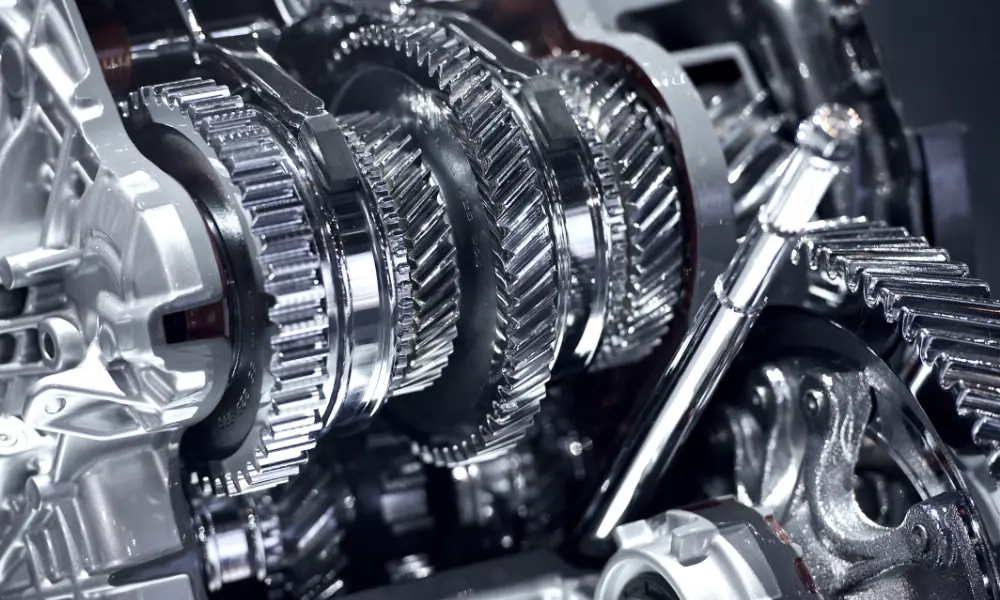
- Powertrain Installation: Engines (including hybrid systems for applicable models) are installed
- Final Assembly: Interior components, electronics, and trim pieces are installed
- Quality Control: Each vehicle undergoes rigorous testing before leaving the facility
The Louisville plant in particular is known for its advanced manufacturing technologies, including:
- Automated welding systems
- Energy-efficient paint processes
- Ergonomic assembly stations that improve worker safety
- Advanced quality control systems
Global Manufacturing Impacts on the Ford Escape
The global nature of Ford Escape manufacturing has several implications for consumers and the automotive industry:
Regional Specification Differences
Escapes manufactured in different locations may feature subtle differences based on local regulations and customer preferences. For example:
- North American Escapes feature specific emissions equipment to meet EPA standards
- European Kugas often have different headlight patterns to meet EU regulations
- Chinese-market Escapes feature distinct styling elements preferred by Asian consumers
Supply Chain Resilience
With manufacturing facilities across multiple continents, Ford has created some resilience against regional supply chain disruptions. During the 2020 pandemic and subsequent chip shortage, this diversified manufacturing approach helped (though didn’t completely prevent) production challenges.
Identifying Where Your Ford Escape Was Built
Curious about where your specific Ford Escape was manufactured? You can determine its origin by checking the Vehicle Identification Number (VIN):
- Locate your VIN (typically visible through the windshield on the driver’s side)
- The first character indicates the country of manufacture:
- “1”, “4”, or “5” = United States
- “L” = China
- “W” = Germany (for some earlier European models)
- Additional production details can be found on the NHTSA Safety Issues & Recalls page by entering your VIN
The manufacturing location can also be found on the vehicle’s door jamb sticker, which lists assembly information.
Ford Escape Manufacturing: Environmental Considerations
Ford has implemented various sustainable manufacturing practices at its Escape production facilities:
The Louisville Assembly Plant has made significant environmental improvements:
- Reduced water usage by 40% through recycling systems
- Implemented zero-waste-to-landfill practices
- Installed solar panels to offset energy usage
- Used water-based paints that reduce VOC emissions
These initiatives reflect Ford’s broader commitment to reducing the environmental impact of its manufacturing operations while producing the Escape lineup.
The Economic Impact of Ford Escape Manufacturing
The production of the Ford Escape creates significant economic ripple effects in the regions where it’s manufactured:
- Employment: The Louisville plant alone employs over 4,500 workers directly, with thousands more jobs created through suppliers
- Tax Revenue: Manufacturing operations generate substantial tax revenue for local governments
- Supply Chain: Hundreds of parts suppliers benefit from Escape production
- Community Investment: Ford frequently invests in community programs around its manufacturing centers
This economic footprint makes the Escape not just a vehicle but an important contributor to regional economies.
Conclusion: The Global Journey of the Ford Escape
The Ford Escape’s manufacturing story is one of global strategy and adaptation. From its beginnings in Kansas City to its current production in Louisville and Chongqing, the Escape represents Ford’s approach to creating vehicles with worldwide appeal while maintaining regional relevance.
As production at Louisville prepares to transition away from the Escape by late 2025, the vehicle’s manufacturing journey enters a new chapter—one that will likely reflect Ford’s increasing focus on electrification and changing consumer preferences.
Whether your Escape comes from Kentucky or Chongqing, it represents a global engineering effort brought to life through sophisticated manufacturing processes that span continents.