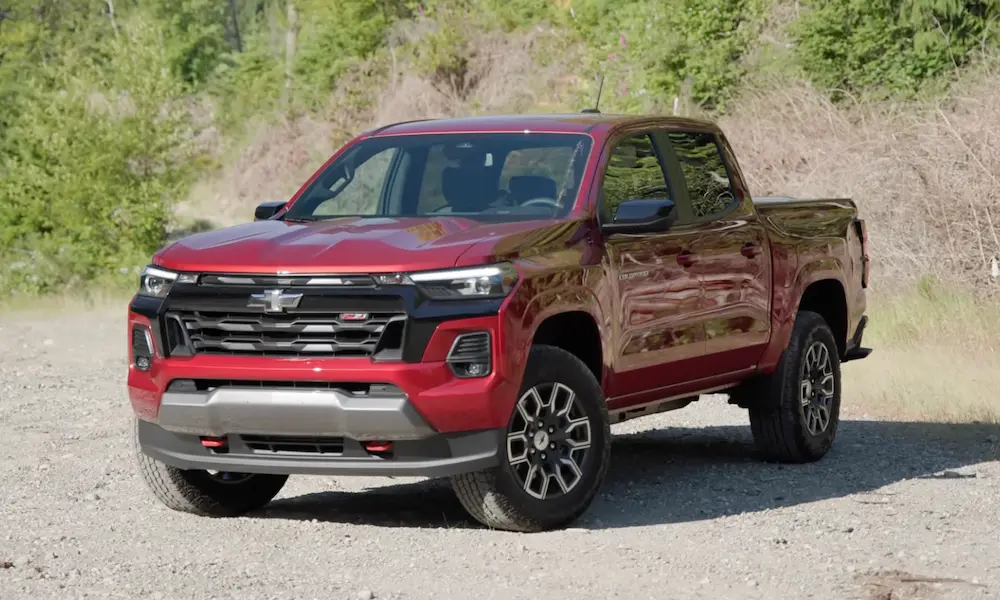
The 1.3L Ecotec Turbo engine powers the Chevy Trailblazer and Buick Encore GX — and it’s mostly great. But “mostly” is doing a lot of work in that sentence. If you own one (or you’re thinking about buying one), there are specific problems you need to know about before they catch you off guard. Read through to the end — the maintenance section alone could save you thousands.
What Is the 1.3L Ecotec Turbo Engine, Exactly?
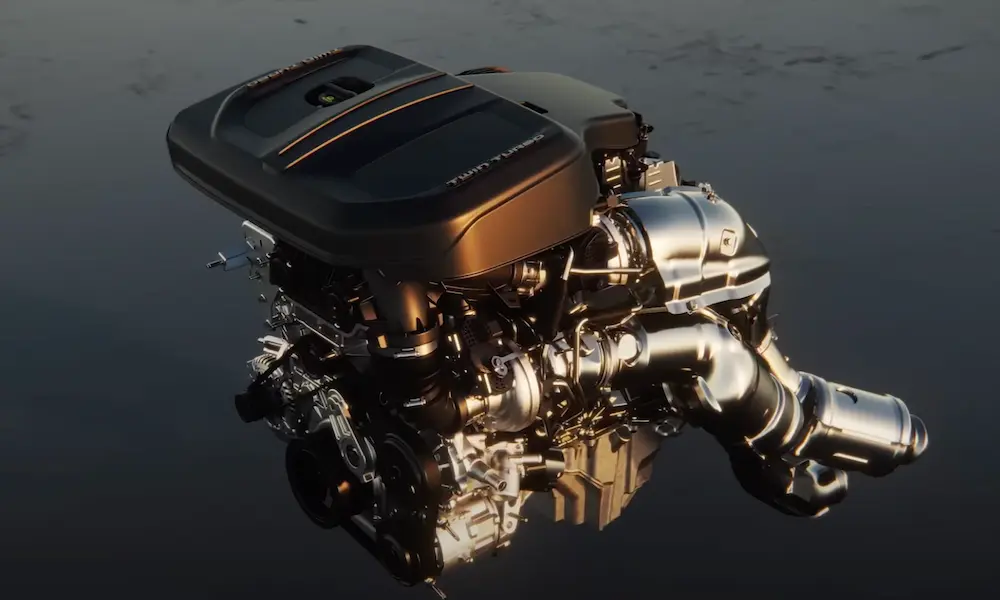
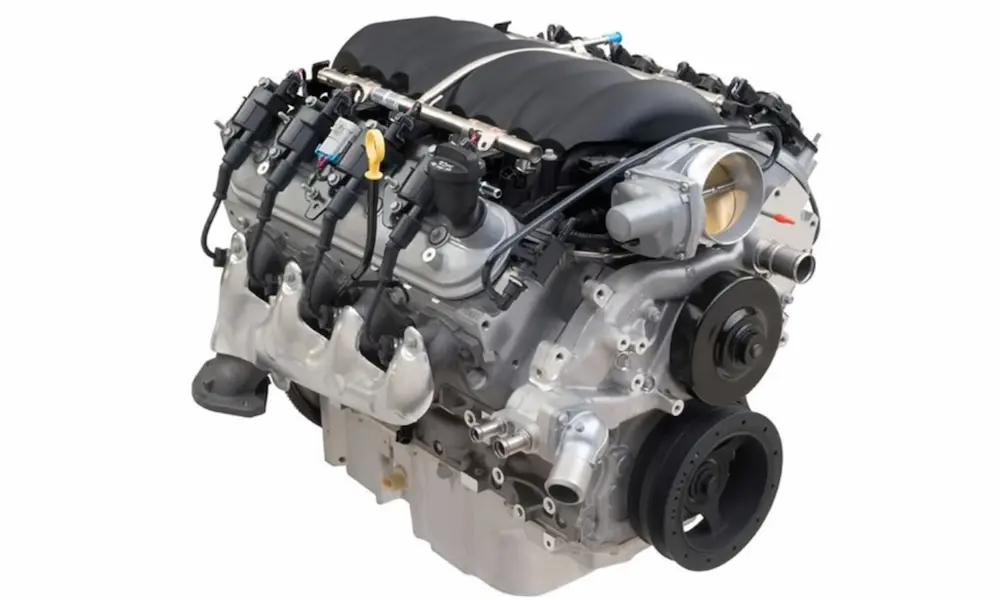
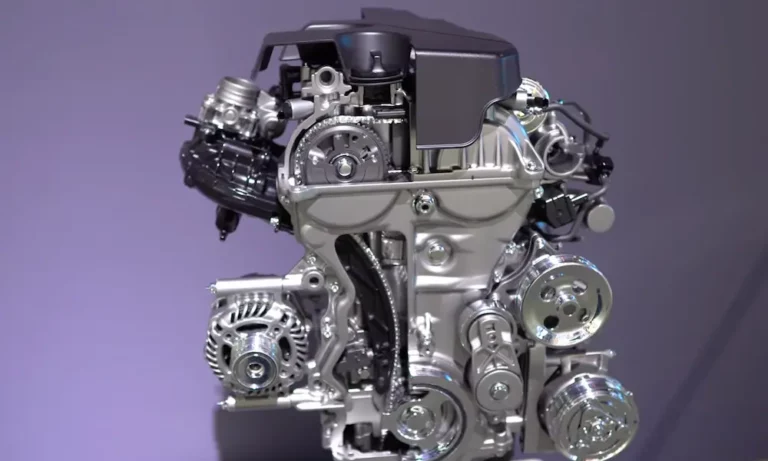
GM’s 1.3L Ecotec Turbo (engine code L3T) is a three-cylinder turbocharged engine built for small SUVs that need to punch above their weight. It makes 155 hp and 174 lb-ft of torque — solid numbers for a 1.3-liter engine — and pairs with a 9-speed automatic transmission in AWD configurations.
It’s designed to feel like a 2.0-liter engine while drinking fuel like something much smaller. That’s an impressive trick, but it comes with trade-offs. The complexity that makes this engine efficient is the same complexity that creates problems down the road.
Here’s how the 1.3L stacks up against its smaller sibling:
| Feature | 1.3L L3T | 1.2L LIH/LBP |
|---|---|---|
| Peak Power | 155 hp | 137 hp |
| Peak Torque | 174 lb-ft @ 1,600 rpm | 162 lb-ft @ 2,500 rpm |
| AWD Available | Yes | No |
| Timing System | Steel chain | Wet belt |
| Transmission (AWD) | 9-speed automatic | Not available |
The timing chain is a genuine win for the 1.3L. The 1.2L’s wet belt design has caused real anxiety among mechanics — contaminated oil can cause the belt fibers to clog the oil pickup screen, which leads to catastrophic engine failure. The chain-driven L3T avoids that specific nightmare entirely.
The Biggest 1.3L Ecotec Turbo Engine Problems
1. Carbon Buildup on the Intake Valves
This is the most common long-term problem with direct injection engines, and the 1.3L is no exception. GM’s Spark Ignited Direct Injection (SIDI) system sprays fuel straight into the combustion chamber at pressures over 2,000 PSI. That’s great for efficiency — but fuel never washes over the back of the intake valves.
In older port-injection engines, fuel acted as a natural solvent. Here, oil vapors from the PCV system bake onto the hot intake valves and form carbon deposits over time. The result?
- Rough idle
- Misfires
- Noticeable power loss
- Poor fuel economy
If you drive mostly short trips — less than 15 minutes — the engine never gets hot enough to burn off contaminants, and buildup accelerates fast. Plan for a walnut blasting or intake cleaning service around 60,000–75,000 miles. It costs $300–$600 but it restores lost performance noticeably.
2. Coolant Flow Control Valve Failure (DTC P26BB)
The L3T replaces the traditional mechanical thermostat with an electronic Coolant Flow Control Valve (CCV). This valve manages coolant routing across the engine block, cylinder head, and heater core. It’s clever engineering — but it fails.
Early production Trailblazers and Encore GXs triggered the check engine light with Diagnostic Trouble Code P26BB, often within the first 2,000 miles. GM’s own TSB 21-NA-256 acknowledges this as a known issue related to internal valve friction during the break-in period.
When the CCV fails, the engine can’t reach proper operating temperature. That cascades into:
- Higher fuel consumption (extended open-loop operation)
- Elevated emissions
- Moisture building up in the engine oil
- Worsened oil dilution problems
Some codes clear themselves. Persistent failures require a full CCV assembly replacement — not cheap, and frustrating on a nearly new vehicle.
3. Throttle Body Freezing in Cold Weather
Live somewhere cold? This one’s for you. In temperatures below 40°F, moisture accumulates inside the throttle body and PCV system. That moisture freezes, and the throttle plate can’t move freely.
The result is a “Reduced Engine Power” message and limp-home mode — your engine deliberately limits itself to prevent a runaway throttle event. You’ll also notice:
- Hunting idle (RPM bouncing erratically)
- Stalling at stops
- Sluggish throttle response
GM’s TSB 22-NA-224 also flags a related issue: the charge air cooler outlet tube can disconnect from the throttle body, triggering code P1101 and killing boost pressure entirely. One important note — the 1.2L and 1.3L throttle bodies look similar but aren’t interchangeable. Order the wrong part and you’ll chase drivability problems indefinitely.
After any throttle body service, the ECM needs an idle relearn procedure — multiple idle cycles in Park — before the engine settles properly.
4. Turbocharger Problems (P0299 and P0234)
The 1.3L lives and dies by its turbocharger. Without it, the engine simply doesn’t have enough displacement to move a loaded AWD crossover with any authority. That dependence creates vulnerability.
The most common turbo-related diagnostic codes include:
- P0299 (Underboost): Boost pressure is lower than the ECM expects. Could be a boost leak in the charge air cooler piping, a bad wastegate actuator, or the turbo itself wearing out.
- P0234 (Overboost): The wastegate fails to open, boost exceeds safe limits, and engine knock follows. Less common but more damaging.
- Bearing wear: The turbo shaft spins on a thin oil film. Contaminated oil or cooling failures wear the bearings fast. You’ll hear a high-pitched whine, and the turbo may start consuming oil — producing blue smoke from the exhaust or leaking into the intake.
Oil changes are the single biggest factor in turbocharger longevity. Neglect them, and a $1,500+ turbo replacement is in your future.
5. Oil Leaks at the Camshaft Carrier T-Joint
NHTSA-documented service bulletins identify a specific leak point at the front of the engine where the camshaft carrier, engine front cover, and cylinder head intersect. Technicians call it the T-joint.
The geometry here is awkward. The leak often mimics a failing oil pan gasket or front main seal, which means you might pay for the wrong repair if a technician doesn’t use UV dye to trace the actual source.
The fix requires removing the camshaft carrier and resealing the area. It’s a legitimate job, not a quick fix. Left unaddressed, the leak grows — and a turbocharged engine running low on oil is a ticking clock.
6. Alternator Failures Before 30,000 Miles
This one surprises a lot of owners. The 1.3L L3T requires a higher-output alternator to support AWD systems and premium feature loads. That alternator has failed on vehicles with fewer than 30,000 miles in multiple reported cases.
Warning signs include:
- “Service Charging System” message in the dash
- Flickering headlights at idle
- Erratic electronics behavior
- Whining or grinding from the front of the engine
The cost is the kicker:
| Alternator Option | Part Cost | Labor | Total |
|---|---|---|---|
| New OEM (1.3L) | $1,000–$1,800+ | $150–$250 | $1,150–$2,050+ |
| New OEM (1.2L) | $350–$550 | $150–$250 | $500–$800 |
| Used OEM (1.3L) | $200–$400 | $150–$250 | $350–$650 |
| Aftermarket (1.3L) | $180–$250 | $150–$250 | $330–$500 |
If you’re buying a used Trailblazer or Encore GX with the 1.3L, check the charging system before you sign anything.
7. ECM Software and the 2024 Ignition Timing Recall
In August 2024, GM issued Voluntary Emission Recall A242435780 covering certain 2024 model year vehicles. The issue? The ECM could fail to control ignition timing correctly right after an Auto Stop/Start event. When the engine restarts, wrong timing causes rough running, engine knock, and check engine light activation.
The recall explicitly warns that driving with persistent knock can cause internal engine damage. The fix is a 30-minute software reprogram at a dealership — free under recall. If you own a 2024 model, check your VIN at NHTSA.gov and get this done if it applies to you.
How Long Does the 1.3L Ecotec Turbo Last?
That’s the real question. Here’s the honest answer:
| Engine Type | Expected Life | Main Risk |
|---|---|---|
| GM 1.3L L3T | 170k–180k miles | Turbo wear, carbon buildup |
| Standard 4-cylinder | 200k+ miles | Gaskets, sensors |
| Traditional V8 | 300k–500k miles | Cooling system, accessories |
The physics aren’t in the 1.3L’s favor — a tiny engine working hard to move a heavier AWD vehicle spins harder and runs hotter than a larger, lazier engine. That said, real-world Trailblazer data shows 73.2% of models reaching 150,000 miles — above the segment average of 67.6%. Nearly 40% hit 200,000 miles. Those numbers reflect well-maintained vehicles.
J.D. Power rated the 2021 Buick Encore GX at 83/100 for quality and reliability. The 2025 model jumped to 90/100. GM has been improving the engine’s software and components over the years.
What You Must Do to Keep the 1.3L Ecotec Running Strong
Don’t rely purely on the Oil Life Monitor. The L3T needs more attention than a standard naturally aspirated engine.
| Maintenance Task | Interval | Estimated Cost | Why It Matters |
|---|---|---|---|
| Full synthetic oil change | Every 5,000 miles | $70–$110 | Protects turbo bearings, fights oil dilution |
| Air filter | As monitored | $30–$50 | Dirty filter increases PCV vacuum stress |
| Spark plugs | 60,000 miles | $150–$250 | Boosted engines eat ignition components faster |
| Intake valve cleaning | 70,000 miles | $300–$600 | Clears direct injection carbon buildup |
| Coolant exchange | 100,000 miles | $150–$200 | Protects CCV and heater core |
A few habits worth building:
- Let the turbo cool down. After any hard driving, idle for 30–60 seconds before shutting off. It keeps oil circulating through the turbo and prevents oil from baking on the shaft.
- Clean the throttle body in the fall. This prevents winter freezing and those annoying limp-mode surprises.
- Change your oil early in cold climates. Short-trip driving allows unburned fuel to dilute the oil, which never evaporates fully if the engine doesn’t get hot enough for long enough.
The 1.3L Ecotec Turbo is a genuinely capable engine — efficient, punchy, and better-built than its displacement suggests. But it rewards owners who stay ahead of maintenance and respond quickly to TSBs and recalls. Ignore it, and the repair bills stack up fast. Stay on top of it, and this engine can carry you well past 150,000 miles without drama.