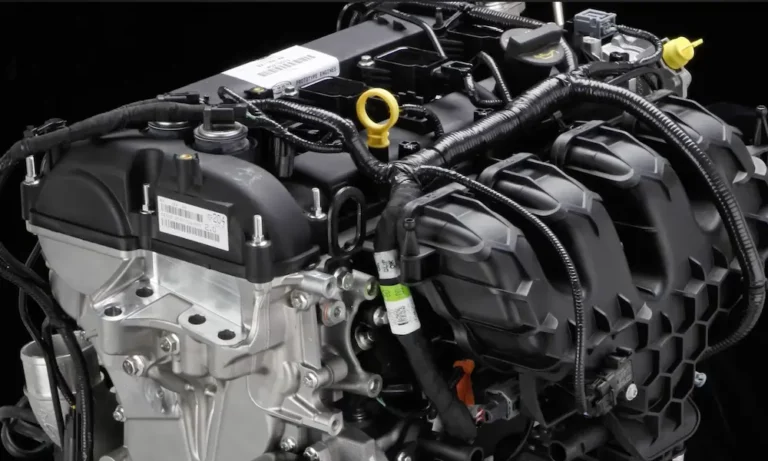
Thinking about that 2.0 EcoBoost engine in your Ford? You might want to read this first. Ford’s popular turbocharged powerplant has developed quite a reputation—and not always for the right reasons. While these engines deliver impressive power and fuel economy on paper, they’ve also been at the center of some serious reliability concerns that could hit your wallet hard.
We’ll dive into the major issues plaguing these engines, what causes them, how to spot the warning signs, and what you can do to protect yourself if you already own one.
The Coolant Intrusion Nightmare: Ford’s Biggest EcoBoost Headache
The most devastating problem with the 2.0 EcoBoost is coolant intrusion into the combustion chambers. This isn’t just a minor inconvenience—it’s a potential engine killer.
Which Models Are Most Affected?
The coolant intrusion issue hits these vehicles hardest:
- 2015-2018 Ford Edge
- 2017-2019 Ford Escape (built before May 16, 2019)
- 2017-2019 Ford Fusion/MKZ (built before April 8, 2019)
- 2017-2019 Lincoln MKC (built before April 18, 2019)
Models from 2017-2019 seem to suffer the worst, with numerous reports of catastrophic failures even at relatively low mileage.
What Causes It?
The root of this problem lies in the engine’s design. The second-generation 2.0 EcoBoost uses an open-deck block configuration with large cooling slots between cylinder walls. While this design helps with cooling, it creates a fatal flaw—insufficient surface area for proper head gasket sealing.
Those cooling jackets feature a “large, narrow slit lying between the cylinder walls” that allows coolant to penetrate the head gasket and leak into combustion chambers.
Warning Signs You Shouldn’t Ignore
Watch for these telltale symptoms that coolant is entering your engine:
- White exhaust smoke (especially on startup)
- Gradually decreasing coolant levels with no visible leaks
- Engine misfires and rough running
- Check engine light with codes P0300, P0301-P0304, P0316, P0217, P1285, or P1299
- Engine oil with a “chocolate milk” appearance when coolant mixes with oil
The Painful Fix
If you’re facing this issue, brace yourself. Ford’s official solution requires complete engine replacement, costing between $7,000-$10,000 for out-of-warranty repairs. Ford acknowledged the problem in Technical Service Bulletin (TSB) 19-2346 from December 2019, which was later updated in TSB 22-2229 in June 2022.
Carbon Buildup: The Silent Performance Killer
Another common issue with all EcoBoost engines is carbon accumulation on intake valves. This problem stems directly from the direct injection system design.
Why It Happens
In traditional port fuel injection engines, fuel washes over intake valves, keeping them clean. With direct injection, fuel bypasses the valves and sprays directly into combustion chambers. The result? Carbon deposits gradually build up on valves, restricting airflow.
How It Affects Your Drive
You’ll notice several performance issues as carbon accumulates:
- Rough idle and hesitation during acceleration
- Reduced engine power (particularly noticeable during highway passing)
- Cold start misfires
- Decreased fuel economy
The Cleaning Solution
Professional carbon cleaning typically costs $500-$1,500 and involves walnut shell blasting or manual carbon removal. Many experts recommend this service every 30,000-60,000 miles for direct-injection engines.
Ford addressed this in newer models (2017-2018+) by implementing dual injection systems that combine both port and direct injection, as discussed in forums.
Turbocharger and Boost Problems: When Your Turbo Loses Its Boost
The “Eco” in EcoBoost comes from smaller engines with turbos that provide power when needed. But these complex components can fail, leading to significant performance issues.
Common Turbo System Failures
- Boost control solenoid failures: These relatively inexpensive components ($200-$400 repair) regulate boost pressure. When they fail, your engine loses power and efficiency.
- Turbocharger bearing failure: A much costlier repair ($1,500-$3,000) that often results from inadequate lubrication or contaminated oil.
- Wastegate problems: These regulate boost pressure and can stick open or closed, causing either underboost or dangerous overboost conditions.
When these issues occur, you’ll likely see diagnostic codes P0299 (underboost) or P0234 (overboost) along with noticeable power loss.
Exhaust Manifold and Fuel System Issues
Cracking Exhaust Manifolds
First-generation 2.0 EcoBoost engines (2010-2016) frequently experience exhaust manifold cracking. This causes:
- Ticking or tapping noises, especially when cold
- Performance issues and power loss
- Potential exhaust fume leakage into the cabin
Fuel Pump Failures
Low-pressure fuel pump failures are another common problem. When fuel filters get clogged, the pump works harder until it fails completely. According to reports from owners, symptoms include:
- Poor acceleration
- Rough idle
- Engine hesitation
- Check engine light with lean air-fuel ratio codes
EcoBoost Problem Severity Chart
| Problem | Severity (1-10) | Typical Repair Cost | Most Affected Years |
|---|---|---|---|
| Coolant Intrusion | 10 | $7,000-$10,000 | 2017-2019 |
| Carbon Buildup | 6 | $500-$1,500 | All years |
| Turbocharger Failure | 8 | $1,500-$3,000 | All years |
| Boost Control Issues | 5 | $200-$400 | All years |
| Exhaust Manifold Cracks | 7 | $800-$1,200 | 2010-2016 |
| Fuel Pump Failures | 6 | $400-$900 | All years |
Did Ford Fix These Problems?
Ford claims to have addressed the coolant intrusion problem beginning with 2020 model year engines. The updated design reportedly replaced the problematic cooling slots with smaller pinhole-sized passages to provide better head gasket sealing.
However, the effectiveness of these fixes remains questionable. Reports continue to emerge of failures in supposedly “fixed” engines, as discussed in forums, suggesting the fundamental design issues may not be fully resolved. Some owners report failures in replacement engines with claimed updated designs, occurring at very low mileage.
Multiple class-action lawsuits remain active against Ford, challenging the effectiveness of proposed fixes and seeking compensation for affected owners. The lawsuits cover vehicles with 1.5L, 1.6L, and 2.0L EcoBoost engines across multiple model years, according to the Quillar & Arrow Law.
Recent Models: Have They Improved?
While Ford claims significant improvements in 2020+ model years, independent reliability data remains mixed. Some sources indicate that newer EcoBoost engines can achieve 150,000-200,000+ miles with proper maintenance, while others continue reporting problems in vehicles with updated designs.
Even recent models face significant problems. In September 2024, Ford recalled 90,736 vehicles with 2.7L and 3.0L EcoBoost engines due to faulty intake valves that can cause catastrophic engine failure. This suggests ongoing quality control issues across the EcoBoost engine family, as reported by Car and Driver.
Essential Maintenance Tips for 2.0 EcoBoost Owners
If you already own a Ford with a 2.0 EcoBoost engine, these maintenance practices may help extend its life:
Oil Changes and Quality
- Use only full synthetic oil meeting Ford’s specifications
- Change oil every 5,000 miles (rather than the recommended 7,500-10,000)
- Consider oil analysis services to detect early signs of engine wear
Cooling System Care
- Check coolant levels weekly (this is crucial for early problem detection)
- Use only the specified Ford coolant type
- Consider a cooling system flush every 30,000 miles
Turbocharger Protection
- Allow your engine to idle for 30 seconds before driving
- After highway driving, let the engine idle for 1-2 minutes before shutting down
- Don’t mash the accelerator immediately after a cold start
Carbon Buildup Prevention
- Use Top Tier fuels with cleaning additives
- Consider carbon cleaning every 30,000-60,000 miles
- Use occasional Italian tune-ups (sustained highway driving at higher RPMs)
Making the Hard Decision: Keep, Fix, or Sell?
If You Own a 2017-2019 Model (Highest Risk)
These years represent the highest risk for catastrophic coolant intrusion problems. Consider:
- Extended warranty coverage if still eligible
- Trading in before serious problems develop
- Setting aside $5,000-$10,000 for potential engine replacement
If You Own a 2020+ Model (Reduced Risk)
While Ford claims to have fixed the issues, caution is still warranted:
- Monitor coolant levels religiously
- Consider extended warranty options
- Keep detailed maintenance records if you need to make warranty claims
If You’re Shopping for a Used EcoBoost
- Avoid 2017-2019 models entirely if possible
- Request detailed service records showing cooling system work
- Budget for a professional pre-purchase inspection focusing on compression tests and cooling system checks
- Consider extended warranty options that specifically cover the engine
The Future of EcoBoost Technology
Despite these issues, Ford continues to develop and refine the EcoBoost platform. The newest generation promises improved reliability with:
- Redesigned cooling passages and head gasket sealing surfaces
- Dual fuel injection systems to combat carbon buildup
- Improved turbocharger designs with better durability
- Enhanced engine control software for better thermal management
Whether these improvements will truly resolve the long-standing issues remains to be seen. If you’re considering a newer EcoBoost vehicle, proceed with caution and thorough research.
How to Check If Your Ford Has the Coolant Issue
If you suspect your 2.0 EcoBoost might be affected by coolant intrusion, these simple checks may help:
- Monitor coolant levels weekly: Mark the coolant reservoir with a permanent marker and check if levels drop without visible leaks.
- Check for white smoke: Start your car when cold and watch for excessive white smoke from the exhaust.
- Perform a cooling system pressure test: A mechanic can pressure test your cooling system to identify internal leaks.
- Look up your VIN: Contact a Ford dealer with your Vehicle Identification Number to check if your vehicle is covered under any related Technical Service Bulletins.
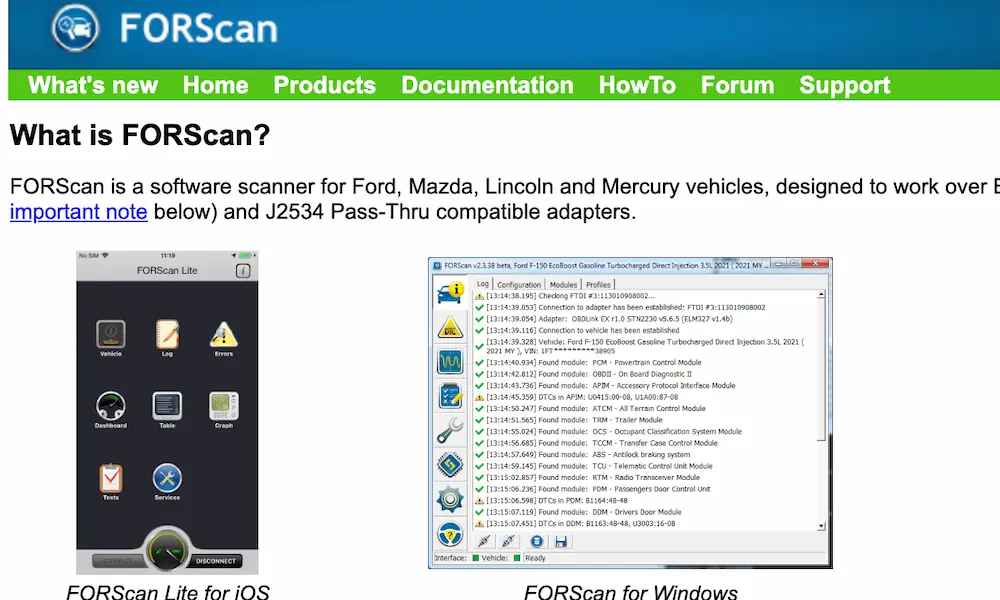
- Check engine codes: Use an OBD-II scanner to check for codes P0300, P0301-P0304, P0316, P0217, P1285, or P1299.
The 2.0 EcoBoost engine offers impressive power and fuel economy when working properly, but the significant reliability issues make it a risky proposition, especially for certain model years. By staying informed and proactive about maintenance, you can better protect your investment and avoid being blindsided by costly repairs.