Ever turned your key in your Ford Focus only to see “Starting System Fault” pop up on your dashboard? You’re facing one of the most common electrical gremlins that plague these vehicles. The good news? In many cases, the fix is simpler and cheaper than you might think. This guide walks you through everything from identifying symptoms to making repairs—often without breaking the bank.
What Causes Ford Focus Starting System Faults?
The starting system in your Ford Focus involves a complex network of components that must work together perfectly. When something goes wrong, your car might refuse to start or display error messages.
The $5 Fix That Mechanics Don’t Tell You About
The most frequent cause of starting system faults in Ford Focus vehicles (especially 2012-2018 models) is a failed 50-amp BCM (Body Control Module) mega fuse located in the battery box. This tiny component costs only about $5 but is responsible for approximately 70% of starting system problems.
Many mechanics misdiagnose this issue and recommend replacing expensive components like the starter motor or ignition switch. Knowing about this common failure point can save you hundreds in unnecessary repairs.
How the Starting System Works
Your Ford Focus starting system functions through an interconnected network of modules:
- You turn the key or press the start button
- The ignition switch sends a signal to the Body Control Module (BCM)
- The BCM verifies safety conditions (correct key, transmission in Park/Neutral)
- Once verified, the BCM energizes the starter relay
- The relay provides power to the starter motor
This complex electrical architecture means there are multiple potential failure points, but understanding the system helps narrow down the possibilities.
Recognizing Starting System Fault Symptoms
Identifying the specific symptoms can help pinpoint the cause of your starting issues.
Common Warning Signs
| Symptom | Likely Cause | Frequency |
|---|---|---|
| “Starting System Fault” message | BCM mega fuse failure | Very common |
| Intermittent no-start conditions | Cracked mega fuse or loose connections | 70% of cases |
| Clicking sound but no crank | Starter relay issue | Common |
| Complete no-start with no sounds | BCM power failure or PATS issue | Less common |
| Additional electrical issues (lights, windows) | Ground connection problems | Occasional |
Dashboard Warning Messages
When your Ford Focus experiences starting system issues, specific messages typically appear on your digital display:
- “Starting System Fault” – The primary warning
- “Immobilizer Malfunction Service Required” – Often relates to PATS system issues
- “ActiveCity Stop Not Available” – Secondary effect of electrical problems
The behavior of your PATS (Passive Anti-Theft System) indicator light provides additional clues. Fast blinking during startup attempts points to security system problems, while a normal slow blink indicates the security system is functioning correctly.
How to Diagnose Starting System Problems
Before spending money on parts or labor, try these diagnostic steps to identify the specific cause of your starting system fault.
Checking the BCM Mega Fuse
The 50-amp BCM mega fuse is your first inspection point. It’s located in the battery box under a removable cover on the driver’s side. Here’s how to check it:
- Disconnect the negative battery terminal (safety first!)
- Remove the battery box cover
- Locate the large 50-amp mega fuse
- Inspect for hairline cracks or discoloration
- Test voltage on both sides with the ignition in the “On” position
What makes this fuse tricky is that it often develops internal cracks that aren’t visible but create intermittent connections. The most effective diagnostic approach involves gently flexing the battery box area while monitoring voltage.
Testing the Starter Relay
If the mega fuse checks out, the starter relay is your next suspect. The location varies by model year:
- 2004-2011 models: Behind a panel in the interior fuse box
- 2012-2018 models: In the engine bay fuse box
A quick diagnostic trick is swapping the starter relay with another identical relay (like the blower motor or rear defrost relay). If your car starts after the swap, you’ve found your problem!
For a more thorough test, you can bypass the relay with jumper wires to determine if the issue is with the relay itself or the control circuits feeding it.
Verifying Critical Fuses
Several other fuses play crucial roles in the starting system:
- Fuse #9: Powers the PCM, TCM, and fuel pump relay
- Fuses #26 and #27: Provide additional power distribution for starting components
Check these fuses for proper seating and electrical continuity. Even improperly seated fuses can create intermittent connections that mimic more complex electrical issues.
Advanced Diagnostic Techniques
For more persistent problems, these advanced techniques might be necessary.
Testing BCM Communication
The Body Control Module is the brain of your vehicle’s electrical system. Communication faults between the BCM and other modules often underlie starting problems.
Diagnostic trouble code U3006 (“Control Module Input Power Circuit Open”) frequently appears with starting system faults and typically indicates BCM power supply problems.
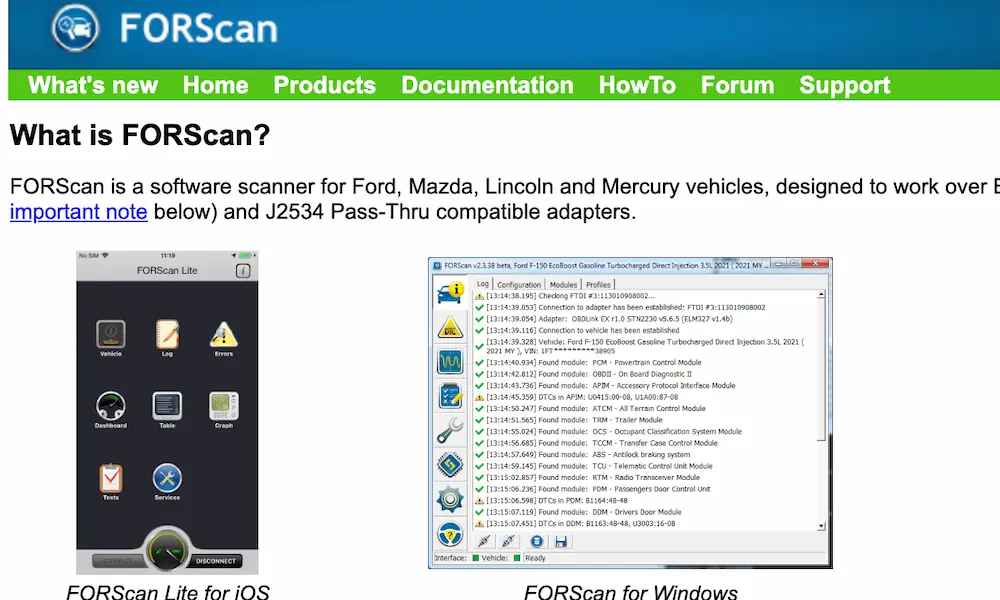
Using an OBD-II scanner capable of accessing BCM data can provide valuable information about power supply voltages and communication status with other modules. Successful BCM communication requires stable power supply voltages above 11.5 volts.
Checking the Neutral Safety Switch
The neutral safety switch (also called the transmission range sensor) prevents your engine from starting unless the transmission is in Park or Neutral. This switch is a common failure point in higher-mileage Focus models with automatic transmissions.
Test by attempting to start your engine in both Park and Neutral positions. If it starts in one position but not the other, your neutral safety switch likely needs replacement.
Analyzing the PATS Anti-Theft System
Ford’s Passive Anti-Theft System can create no-start conditions when malfunctioning. The system includes a transponder ring around the ignition cylinder, a chip in your key, and communication links to other modules.
PATS system faults typically cause fast-blinking anti-theft indicator lights and may generate fault codes P161A or P06E9.
The PATS transceiver ring around the ignition cylinder is the most common failure point. Sometimes, simply cleaning the connections around this component can resolve intermittent anti-theft issues caused by dust or corrosion.
Transmission Control Module Issues
The Transmission Control Module (TCM) interacts closely with the starting system in Ford Focus vehicles.
TCM Communication Problems
TCM communication failures, indicated by code U0101, can prevent engine starting even when all other systems appear functional. The TCM must communicate with the BCM to confirm transmission position and enable starter operation.
TCM power supply problems often occur alongside BCM mega fuse failures, as both modules share common power distribution circuits. When the BCM mega fuse develops internal resistance, the resulting voltage drops can cause TCM communication errors.
Reset and Relearning Procedures
After repairing electrical system components, you may need to reset the TCM to restore proper operation. The most effective method:
- Disconnect the battery negative terminal for 15-30 minutes
- Reconnect and allow all systems to initialize
- Drive normally for 10-20 miles to complete the relearning process
The TCM needs this relearning period to adapt to current driving conditions and establish proper shift patterns after any electrical repair.
Interference from Aftermarket Systems
Aftermarket accessories can create unexpected problems with your Ford Focus starting system.
Remote Starter Issues
Aftermarket remote starter systems frequently interfere with Ford Focus starting systems. These systems integrate into multiple points in your vehicle’s factory wiring and can develop internal faults that prevent normal key starting.
If you have an aftermarket remote starter and experience starting problems, try temporarily disconnecting the system’s main control module. Many technicians report immediate resolution of starting system faults after remote starter disconnection.
Ground System and Connection Problems
Your Ford Focus electrical system is particularly sensitive to ground connection quality.
Battery Terminal Maintenance
Even minor corrosion or looseness in ground connections can create starting system faults. The main battery ground connection uses an 8mm bolt to secure the negative cable to the chassis, and this connection frequently develops high resistance due to paint contamination or corrosion.
Proper maintenance requires:
- Removing the ground connection
- Cleaning both the cable terminal and chassis mounting point to bare metal
- Ensuring tight reassembly
Ground system problems often create intermittent starting issues that worsen with temperature changes or vibration. Inspecting and cleaning all ground points should be part of any comprehensive starting system diagnosis.
Cost-Effective Repair Strategies
Saving money on Ford Focus starting system repairs requires a systematic approach.
Prioritizing Repairs
Address the most likely causes first to minimize costs:
- BCM mega fuse replacement ($5) – Success rate exceeds 60% for intermittent starting faults
- Starter relay replacement ($15-25) – Especially when relay clicking sounds occur
- Ground connection cleaning and tightening (free) – Resolves many intermittent issues
- Neutral safety switch ($50-100) – For transmission-related starting problems
- PATS transceiver ring ($30-60) – For security system issues
This prioritized approach prevents unnecessary parts replacement and focuses on the highest-probability, lowest-cost repairs first.
DIY vs. Professional Repairs
Many Ford Focus starting system repairs are DIY-friendly:
- BCM mega fuse replacement requires only basic tools and takes under 30 minutes
- Starter relay replacement needs no special tools
- Ground connection maintenance requires only basic hand tools
However, some repairs are better left to professionals:
- Neutral safety switch replacement involves transmission work
- BCM replacement requires specialized programming equipment
- PATS system programming needs Ford-specific software and security codes
Electrical System Design Weaknesses
Some design aspects of the Ford Focus electrical system make it prone to specific problems.
Known Vulnerabilities
Ford Focus models (especially 2012-2018) have several known electrical vulnerabilities:
- The BCM mega fuse design is prone to developing internal cracks
- Ground connections are vulnerable to corrosion and loosening
- The PATS transceiver ring can develop intermittent connections
- Wiring harness routing allows water intrusion in some areas
Awareness of these vulnerabilities allows for targeted inspection and preventive maintenance to avoid failures.
Design Improvements
Later production Ford Focus models incorporate several improvements:
- Redesigned BCM mega fuse with better crack resistance
- Improved wiring harness routing to prevent water exposure
- Enhanced connector seals for better environmental protection
- Updated ground connection designs with corrosion resistance
These improvements address many of the common electrical weaknesses and can be retrofitted to earlier vehicles in some cases.
By understanding your Ford Focus starting system and following this diagnostic approach, you can resolve most starting system faults efficiently and cost-effectively. Remember that the $5 BCM mega fuse is the most likely culprit, despite what more expensive diagnostic routes might suggest.