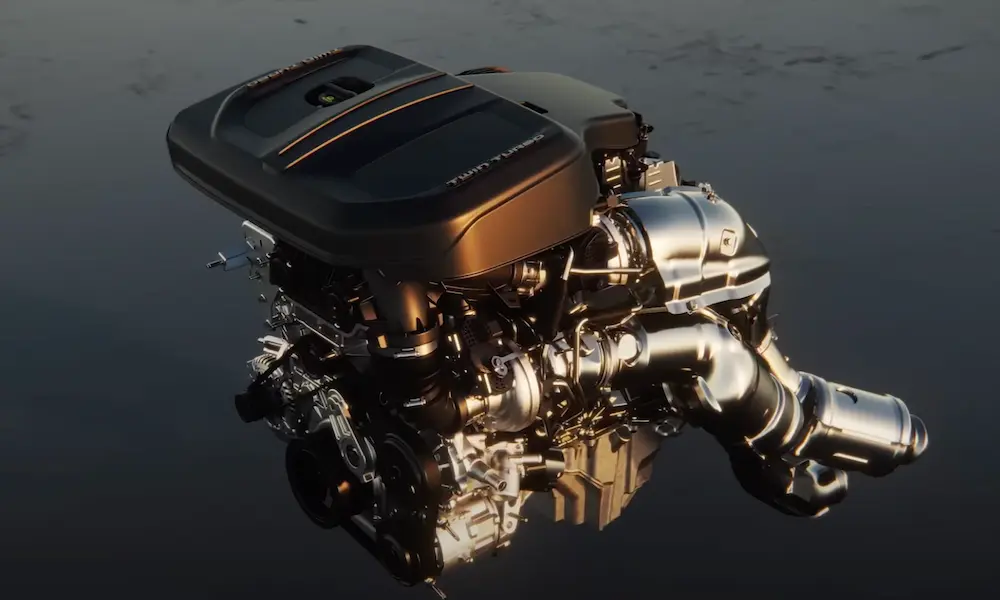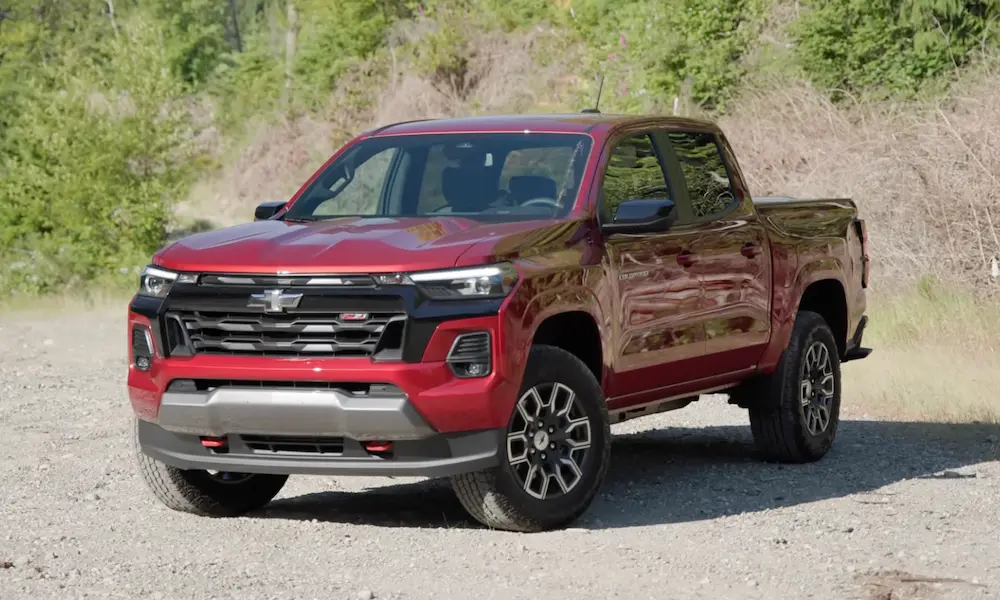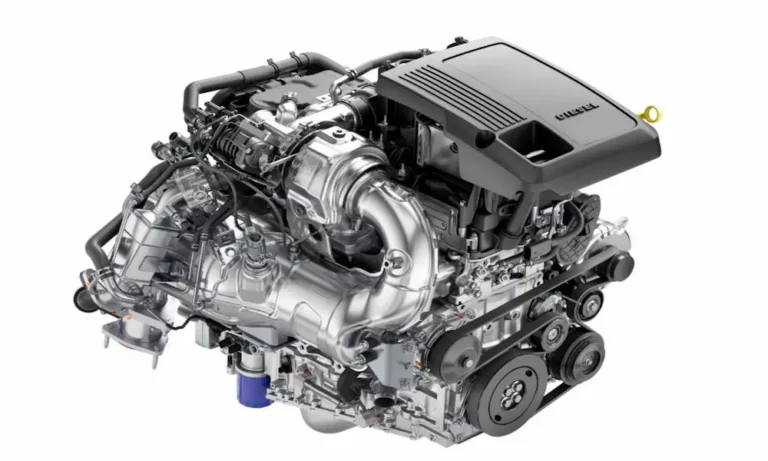
Confused about how much oil your 3.0 Duramax actually needs? You’re not the only one scratching your head — the specs look different depending on which year you own, which platform it’s in, and whether it just rolled off the factory floor. This guide cuts through the noise and gives you the exact numbers, the right oil, and the service details that keep your engine healthy.
The Standard 3.0 Duramax Oil Capacity
Here’s the short answer: 7 quarts (6.6 liters) with a filter change.
That number applies to both engine generations — the LM2 (2020–2022) and the LZ0 (2023+). It doesn’t matter if you’re driving a Silverado, Sierra, Tahoe, Suburban, Yukon, or Escalade. The standard refill capacity stays at 7 quarts across all platforms.
| Engine | Years | Platform | Oil Capacity (w/ Filter) |
|---|---|---|---|
| 3.0L Duramax LM2 | 2020–2022 | Silverado, Sierra, Tahoe, Yukon, Escalade | 7.0 Quarts (6.6L) |
| 3.0L Duramax LZ0 | 2023+ | Silverado, Sierra, Tahoe, Yukon, Escalade | 7.0 Quarts (6.6L) |
Simple enough — but there’s a twist if you own a 2023 or newer truck.
Wait — Why Does My 2023+ LZ0 Show 8 Quarts?
If you just bought a new LZ0-powered truck and checked the dipstick, you might notice more oil than expected. That’s not a mistake.
GM ships 2023 and newer LZ0 engines from the factory with 8 quarts — one extra quart beyond the standard fill. The reason? The LZ0 uses steel pistons that need time to seat properly against the cylinder walls. During break-in, the engine burns a bit more oil than usual, and that extra quart acts as a buffer.
After your first oil change, drop back to 7 quarts — that’s the correct amount for every service after that. Don’t keep adding that extra quart.
What About the SUV “8-Quart” Debate?
Some Tahoe and Suburban owner’s manuals list 8 quarts. This has caused a lot of forum arguments.
Here’s the reality: GM’s official TechLink documents for 2023 model year vehicles list 7.0 quarts for both the LZ0 in trucks and the LM2 in SUVs. The 8-quart figure in some regional manuals likely accounts for sump design differences or oil trapped in the cooler. Stick to 7 quarts for routine service and you’re fine.
The Only Oil Your 3.0 Duramax Accepts: dexosD 0W-20
This engine doesn’t use the same thick diesel oil as your buddy’s 6.6L Duramax. The 3.0 Duramax runs on SAE 0W-20 dexosD certified synthetic oil — and that’s non-negotiable.
Why dexosD Matters
The dexosD certification isn’t just a marketing label. It controls how much sulfated ash, phosphorus, and sulfur (SAPS) the oil contains. High-SAPS oils clog the Diesel Particulate Filter (DPF) permanently — and that’s not a cheap fix. Using the wrong oil can kill your emissions system and void your warranty.
Why 0W-20 Instead of Thicker Oil?
The 3.0 Duramax has extremely tight internal tolerances and a variable-displacement oil pump designed specifically for thin oil. Using a thicker oil can cause cavitation — vapor bubbles forming in the oil pump — which actually reduces lubrication at critical components. The 0W-20 also flows instantly during cold starts, reaching the turbocharger bearings before wear can happen.
The 0W-20 vs. 5W-30 Debate (Settle This Once and For All)
Some owners have switched to 5W-30 dexosD after used oil analysis (UOA) data showed high iron wear levels with 0W-20. In those comparisons, iron readings dropped from roughly 59 ppm with 0W-20 to around 26 ppm with 5W-30.
Sounds convincing — but here’s the counterargument. GM engineers built this engine around 0W-20 flow characteristics. Thicker oil can starve the turbo during cold starts and cause pump cavitation at high RPM. The slight wear reduction may not offset those risks, especially in cold climates.
Bottom line: Use 0W-20 dexosD unless you have a specific, documented reason to do otherwise — and understand you’re taking on risk if you deviate.
Oil Change Intervals: Normal vs. Severe Use
The 3.0 Duramax uses GM’s Oil Life Monitoring (OLM) system, which calculates remaining oil life based on engine revolutions, temperatures, and idle cycles. Don’t just set a calendar reminder and forget about it.
| Service Item | Normal Interval | Severe Interval |
|---|---|---|
| Engine Oil & Filter | 7,500 miles / OLM | 5,000 miles / OLM |
| Fuel Filter | 30,000 miles | 22,500 miles |
| Engine Air Filter | 45,000 miles | Check per OLM |
| Transmission Fluid/Filter | 90,000 miles | 45,000 miles |
| Transfer Case Fluid | 100,000 miles | 50,000 miles |
| Cooling System Flush | 150,000 miles | 150,000 miles |
Severe use includes: frequent towing, high-speed driving in heat, and extended idling. If that sounds like your typical week, shorten your intervals accordingly.
How to Change the Oil on a 3.0 Duramax
This is a straightforward DIY job if you follow the right steps. Here’s what the process looks like:
- Drain plug: Use a 15mm wrench on the aluminum pan
- Oil filter: The ACDelco PF66 sits on the right side of the engine
- Drain plug torque: 18 lb-ft — don’t overtighten on that aluminum pan
- Refill: Add 7 quarts of dexosD 0W-20
- Verification: Warm the engine, let it sit 15 minutes, then check the dipstick for an accurate reading
Use the ACDelco 10-9277 dexosD 0W-20 if you want the factory-spec fluid straight from the source.
Is Your 3.0 Duramax Burning Too Much Oil? Read This First
This is one of the most common concerns among owners. GM actually addressed it directly with Technical Service Bulletin TSB #21-NA-272, which outlines what counts as “normal” consumption.
Here’s what GM considers acceptable:
- Normal driving: 1 quart every 2,000 miles
- Aggressive driving or towing: 1 quart every 1,000 miles
That’s not a typo. The engine burns a small amount of oil lubricating the cylinder walls — especially during break-in when the piston rings are still seating. GM recommends waiting until at least 5,000 miles before running a formal oil consumption test.
What this means for you: Check your dipstick manually between oil changes. Don’t rely solely on dashboard warnings.
The Oil Pump Belt — The Maintenance Item Nobody Talks About
The 3.0 Duramax doesn’t drive its oil pump with a chain or gears. It uses a “wet” belt at the rear of the engine (the transmission side) that runs inside the crankcase, submerged in oil.
This belt is the only thing connecting the crankshaft to the oil pump. If it fails, you lose oil pressure and face catastrophic engine damage.
Replacement intervals:
- LM2: 150,000 miles or 180 months
- LZ0: 200,000 miles or 180 months
The LZ0’s extended interval reflects GM’s confidence in the revised belt design. Fair warning though — this service requires transmission removal, so budget for serious labor time.
Transmission and Drivetrain Fluid Capacities
The 3.0 Duramax pairs exclusively with the 10L80 10-speed automatic transmission. Here’s the full fluid picture for your drivetrain:
| Component | Fluid Type | Capacity |
|---|---|---|
| 10L80 Transmission (total) | DEXRON ULV | 12.8 Quarts (12.1L) |
| 10L80 Transmission (drain & refill) | DEXRON ULV | 8.1 Quarts (7.7L) |
| Transfer Case | DEXRON VI / ULV | 1.6 Quarts (1.5L) |
| Front Differential | SAE 75W-90 Synthetic | 1.15–1.25 Quarts |
| Rear Differential (9.5″ SU8) | SAE 75W-85 Synthetic | 2.64 Quarts |
| Rear Differential (9.76″ G80) | SAE 75W-85 Synthetic | 2.75 Quarts |
One heads-up on the transmission: the 10L80 pan has no drain plug. You’ll need to drop the entire pan to drain it — messy without a fluid extractor.
Essential Part Numbers for 3.0 Duramax Service
Keep these handy before your next service:
| Component | Brand | Part Number |
|---|---|---|
| Engine Oil Filter | ACDelco | PF66 |
| Engine Oil (1 Qt, dexosD 0W-20) | ACDelco | 10-9277 |
| Fuel Filter | ACDelco | TP1015 |
| Fuel Filter (Alternative) | aFe Power | 44-FF023 |
| Transmission Filter | ACDelco | TF937 |
Don’t skip the fuel filter. The high-pressure common rail system operates at extreme pressures, and a clogged filter stresses the entire fuel delivery system — which indirectly affects how hard the engine works and how hot the oil runs.
Cooling System Specs (Because It Ties Into Oil Health)
The 3.0 Duramax uses a targeted cooling strategy to keep engine temperatures — and by extension, oil temperatures — stable under heavy loads.
- Coolant capacity: 20.2 quarts (5.05 gallons)
- Coolant type: Dex-Cool (orange), 50/50 mix
Keeping the cooling system healthy directly protects your oil from overheating and thinning out during towing sessions. Don’t overlook it just because you’re focused on the engine oil.
Quick Reference: 3.0 Duramax Oil Capacity Summary
- Standard refill (LM2 & LZ0): 7 quarts with filter
- Factory fill (2023+ LZ0 only): 8 quarts — drop to 7 at first service
- Oil type: SAE 0W-20 dexosD synthetic
- Filter: ACDelco PF66
- Drain plug torque: 18 lb-ft
- Normal oil consumption: Up to 1 qt per 2,000 miles
- Oil change interval: 7,500 miles (normal) / 5,000 miles (severe)
Follow these specs, check that dipstick regularly, and your 3.0 Duramax will do exactly what it was built to do — pull hard, run clean, and last a long time.