Thinking about a PowerBoost F-150? Hold that thought. This hybrid powertrain has racked up some serious reliability issues that’ll make you reconsider. From battery drain nightmares to turbo failures on brand-new trucks, we’re breaking down the real problems owners face every day.
Battery Performance Issues That Leave You Stranded
The PowerBoost’s battery system isn’t just problematic—it’s a recurring headache for thousands of owners. The hybrid battery doesn’t maintain proper charge cycles, especially during city driving where it should shine brightest.
Here’s the kicker: your truck has two 12V batteries—one under the hood and an auxiliary battery under the rear seat. When dealers diagnose battery problems, they often test only the primary battery, completely ignoring the auxiliary one that might be causing your problems.
The parasitic draw is excessive too. PowerBoost models pull 25-50 milliamps when parked. Leave your truck sitting for two weeks? You’re likely calling for a jump start.
Ford knows about this mess. They’re rolling out software fixes in early 2025, but that doesn’t help if your warranty just expired. Those specialized AGM batteries aren’t cheap, and replacing them requires specific charge monitoring procedures that basic mechanics don’t have.
What the Battery Drain Looks Like
You’ll notice your truck struggling to start after sitting overnight. Dashboard lights might flicker weakly. The infotainment system takes forever to boot up. Some owners report their trucks completely dead after a long weekend.
The frustrating part? Dealerships run diagnostics, replace the main battery, send you home—and the problem comes right back because nobody checked that auxiliary battery.
Turbocharger Failures on Nearly New Trucks
This one’s wild. Turbochargers are failing on trucks with fewer than 1,000 miles on the odometer. We’re not talking about worn-out components after years of hard use—these are manufacturing defects appearing immediately.
One documented case involved a 2024 PowerBoost Lariat with just 300 miles that showed low boost pressure faults after normal driving. The diagnosis? Complete turbo failure requiring full replacement.
The root cause appears to be faulty BAV (bypass air valve) seals. When these seals fail, the turbo can’t build proper boost pressure. Your truck throws a “powertrain malfunction” warning, the check engine light comes on, and acceleration feels gutless.
The Replacement Wait Game
Getting a new turbo means waiting weeks or months for backordered parts. Your expensive hybrid truck sits at the dealership, essentially non-functional, while you make do with a rental. The turbo spins at over 150,000 RPM under normal operation—when it fails, the whole performance and efficiency equation collapses.
This isn’t a rare occurrence either. Multiple owners across 2024 and 2025 models report identical failures, suggesting a systemic manufacturing problem Ford hasn’t publicly addressed.
Cooling System Leaks Nobody’s Recalling
The exhaust heat exchanger in PowerBoost models has a nasty habit of leaking coolant. Owners discover puddles under their trucks within the first few months of ownership. The coolant reservoir empties completely after short drives.
Here’s what makes this infuriating: Ford knows about it. Multiple 2024 and 2025 models show the same failure pattern. But there’s no recall. No official acknowledgment. Just owners stuck with repair bills or lengthy warranty claims.
The exhaust heat exchanger recovers waste heat to improve heating efficiency. Sounds great on paper. In practice, it creates sealing challenges that conventional engines don’t face. The thermostat housing and connecting hoses fail too, leaking coolant between the engine and transmission.
Overheating Symptoms You Can’t Ignore
Dashboard warnings appear during city driving when the system works hardest. Some owners see steam from the engine bay. The Pro Power Onboard features become unavailable even if you’ve never used them—the computer recognizes thermal stress and shuts down secondary systems.
When overheating happens, you’re not just inconvenienced. You’re risking serious engine damage if you keep driving.
Transmission Problems That Dealers Can’t Fix
The transmission in PowerBoost trucks exhibits two main problems: excessive revving during upshifts followed by harsh downshifts, and persistent jerking during highway driving.
The maddening part? Dealers can’t duplicate the issue during test drives. It happens reliably on extended highway trips, but during the 20-minute dealer drive? Nothing. So you’re sent home without a fix.
Some of these shifting issues appear after dealers replace the transmission auxiliary pump. The replacement doesn’t solve the original problem and sometimes creates new ones if fluid levels aren’t precisely correct.
The Unofficial Fix
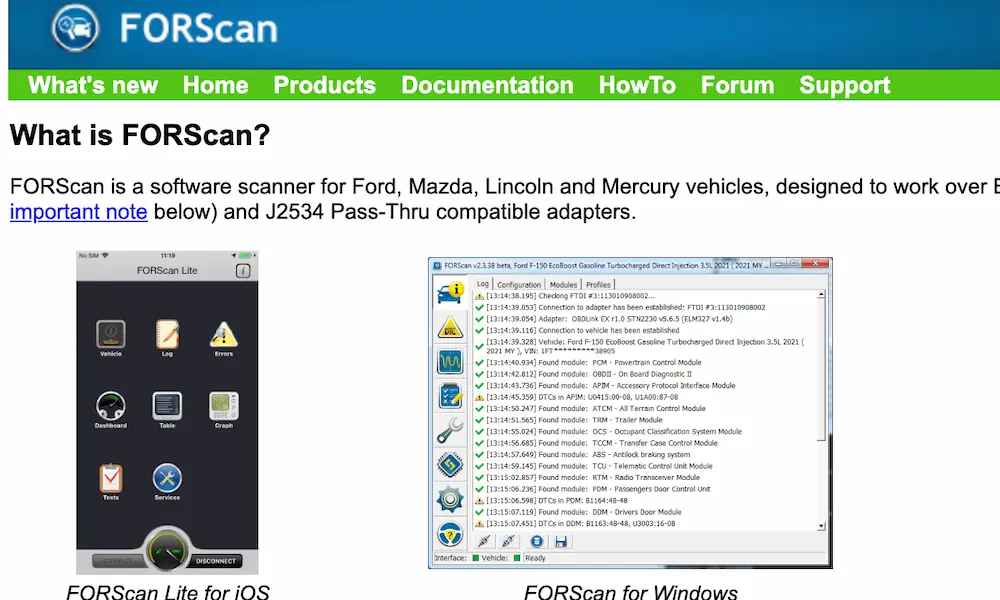
Tech-savvy owners discovered a workaround using FORScan and OBD-II adapters to reset the transmission control module’s adaptive tables. This clears the transmission’s learned behavior patterns and sometimes resolves shifting issues.
This isn’t an official Ford procedure. You’re relying on aftermarket software and online forums because Ford’s own service network doesn’t have complete answers.
| Transmission Issue | Symptom | Common Cause |
|---|---|---|
| Excessive revving | Engine RPMs spike during upshift | TCM calibration problem |
| Harsh downshifts | Jolting sensation when slowing | Adaptive learning malfunction |
| Highway jerking | Intermittent bucking at speed | Transmission pump/fluid issues |
Fuel Economy That Doesn’t Match the Sticker
You bought the PowerBoost for fuel economy, right? Prepare for disappointment. Real-world mileage consistently falls 5-7 MPG below EPA estimates.
Edmunds tested a 2021 F-150 Hybrid for 10,000 miles across 30 fill-ups. The result? Only 19.3 MPG average compared to the EPA combined estimate of 24 MPG. The truck hit EPA estimates just twice across those 30 tanks.
The 2025 models claim improvements—26 MPG combined, 27 highway. Don’t count on seeing those numbers unless you drive like you’re hypermiling for a competition.
Why the Gap Exists
The hybrid system responds dramatically to driving style. Smooth acceleration, gentle braking, constant speeds—that’s how you approach EPA numbers. In real-world traffic with stop-and-go driving, lane changes, and normal acceleration? You’re getting fuel economy similar to the standard 3.5L EcoBoost rated at 20 MPG combined.
That $4,000+ you paid for the PowerBoost option? The fuel savings take years to recoup if you ever recoup them at all.
Engine Noise and Vibrations During Mode Switching
PowerBoost owners frequently report unusual noises when the truck transitions between electric motor and gasoline engine operation. The variable cam timing system produces persistent ticking or knocking sounds that get louder during these mode switches.
The engine mounts experience unusual stress because the electric motor and gas engine must synchronize perfectly. When mounts wear, vibrations amplify throughout the cabin. Some owners describe clicking or grinding noises during transitions that sound mechanical rather than normal operation.
Software or Hardware?
Sometimes it’s software glitches in the engine management computer struggling to coordinate multiple power sources. Updates might help. But persistent vibrations usually mean physical replacement of engine mounts or deeper mechanical inspection.
The complexity creates situations where minor software bugs produce concerning symptoms that make you question whether your truck’s falling apart.
Hybrid System Electrical Failures
When the hybrid system throws codes, your truck’s performance tanks immediately. Common diagnostic codes include:
- P08A0 – Replace Hybrid Battery Pack
- P0A7F – Hybrid Battery Pack Deterioration
- P0A92 – Hybrid Generator Performance
- P0AA6 – Hybrid Battery Voltage System Isolation Fault
These aren’t minor issues you can ignore. Symptoms include poor acceleration, the truck running only on the gas engine without hybrid assist, dramatically reduced fuel economy, and sometimes limp mode where the truck barely moves.
The hybrid malfunction light means problems with the high-voltage battery, electric motor/generator, or power electronics. Given how integrated these systems are, failures can make your truck dangerous to drive.
Limited Repair Options
Independent mechanics often lack the diagnostic equipment and training for hybrid systems. You’re stuck going to Ford dealers who may or may not have technicians experienced with these specific problems. That limits your options and often means longer wait times for appointments.
Reliability Rankings Hit Rock Bottom
Consumer Reports hasn’t been kind to the PowerBoost. They’ve ranked it at the bottom of their reliability list for four consecutive years, assigning a reliability score of just 7 out of 100. J.D. Power agrees—the PowerBoost ranks among the least reliable trucks available.
These rankings incorporate owner complaints, warranty claims data, and documented failure rates. This isn’t speculation. It’s objective evidence that the PowerBoost suffers from systemic reliability problems.
The complexity of combining turbocharging, dual battery systems, hybrid battery packs, electric motors, transmissions, and sophisticated software created unforeseen interactions Ford’s engineering didn’t anticipate. More complexity equals more failure points.
| Rating Organization | PowerBoost Score | Reliability Ranking |
|---|---|---|
| Consumer Reports | 7/100 | Bottom of segment |
| J.D. Power | Below average | Least reliable trucks |
| Owner surveys | Consistent complaints | Four-year trend |
Warranty Coverage Leaves Gaps
Ford provides a three-year/36,000-mile bumper-to-bumper warranty and five-year/60,000-mile powertrain warranty. The hybrid battery gets eight years/100,000 miles of coverage.
Sounds decent until you realize what happens after year three. The bumper-to-bumper coverage expires, leaving you exposed for anything outside the powertrain category. Coolant leaks? Not covered after 36,000 miles. Electrical issues? You’re paying out of pocket.
Hybrid battery replacement costs several thousand dollars including labor. Turbocharger replacements involve weeks of waiting for backordered parts even under warranty. Coolant system repairs requiring heat exchanger replacement take a month or more at dealerships.
Extended Warranty Isn’t Optional
Without extended coverage, you’re gambling with major repair costs. Given the documented reliability problems, extended warranty protection through Ford Protect or third-party providers becomes essential if you’re keeping this truck long-term.
What You Should Do Before Buying
If you’re considering a used PowerBoost, get a comprehensive pre-purchase inspection that specifically includes:
- Hybrid battery diagnostics with voltage testing
- Turbocharger boost pressure verification
- Cooling system pressure tests
- Both 12V battery load tests
Don’t rely on a standard used car inspection. These hybrid-specific components need specialized attention.
Maintenance That Might Help
Install software updates promptly when Ford releases them. The company continues fixing calibration issues affecting battery management, transmission operation, and hybrid coordination.
Pay special attention to both 12V batteries. Insist dealerships test the auxiliary battery, not just the primary one. Keep detailed records of all service visits and address warning lights immediately.
Consider adopting conservative driving techniques—smooth acceleration, gentle braking, consistent speeds. It might help extend component life and squeeze out better fuel economy.
The Bottom Line on PowerBoost Problems
The 3.5L PowerBoost Full Hybrid V6 represents Ford’s ambition to dominate the hybrid truck market. Unfortunately, it also represents a reliability nightmare that’s persisted across multiple model years without significant improvements.
Battery drain issues strand owners. Turbochargers fail on brand-new trucks. Cooling systems leak without recalls. Transmissions shift poorly without solutions. Fuel economy disappoints. Reliability rankings confirm what owners already know—this powertrain isn’t ready for prime time.
If you already own one, extended warranty coverage isn’t optional. Stay on top of software updates and battery maintenance. Document everything because you’ll likely need warranty claims.
If you’re shopping for one? Think hard about whether the hybrid technology justifies the reliability headaches. That $4,000 premium for the PowerBoost option buys you complexity and potential problems more than it buys you fuel savings.