Got a Jeep, Dodge, Ram, or Chrysler with the 3.6L Pentastar V6? Then you’ve probably heard about some of its notorious issues — or maybe you’re already dealing with one. This guide breaks down every major 3.6 Pentastar engine problem you need to know about, what causes them, and how to stay ahead of expensive repairs. Stick around — this one could save you thousands.
What Is the 3.6L Pentastar Engine?
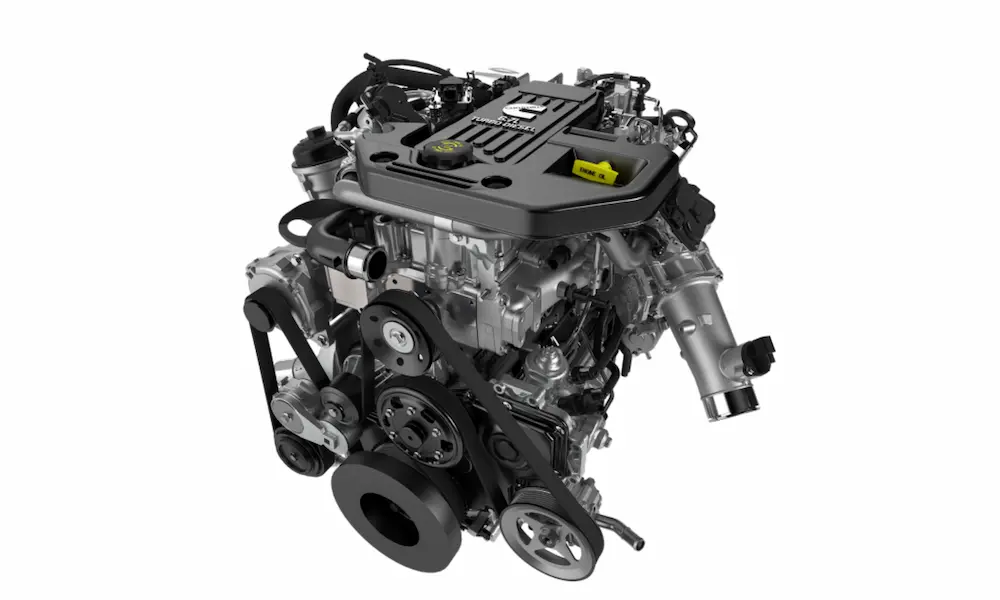
The 3.6L Pentastar V6 launched in 2011 and quickly became the workhorse engine across Chrysler, Dodge, Jeep, and Ram vehicles. It replaced seven older engine families and powered everything from the Chrysler 200 to the Ram ProMaster. Over 10 million units have been built — making its problems very widespread.
There are two distinct versions:
| Version | Years | Key Traits |
|---|---|---|
| Classic (ERB) | 2011–2015 | Standard VVT, 10.2:1 compression, multi-port injection |
| Pentastar Upgrade (PUG/ERC) | 2016–Present | Variable valve lift, cooled EGR, 11.3:1 compression |
Each version has its own set of headaches. Knowing which one you have helps you spot problems early.
The Left Cylinder Head Problem (2011–2013)
This is the most well-documented 3.6 Pentastar engine problem — and for good reason. Early left-bank cylinder heads suffered from defective valve seats and guides, especially in cylinder number two.
What Goes Wrong
The valve seats overheat and wear out faster than they should. Once they fail, the valves can’t seal properly. That causes a drop in compression — and that means misfires.
You’ll typically see:
- A check engine light with codes P0300, P0302, P0304, or P0306
- A heavy, rhythmic tapping from the engine bay
- Rough idle or hesitation under light throttle
A cylinder leakage test confirms the fault. Any cylinder on the left bank showing 25% leakage or more needs a full cylinder head replacement.
The Extended Warranty Fix
Chrysler issued Warranty Bulletin D-14-12, extending head coverage to 10 years or 150,000 miles for select 2011–2013 vehicles. The replacement heads use harder valve seat alloys that handle heat far better.
Here’s a quick tip if you’re buying used: check the casting stamp on the head. A code of 2062 or higher means it was built after the metallurgical fix went into production.
The Pentastar Tick: Rocker Arm Failure
The “Pentastar Tick” is infamous — and it’s not just annoying. It can destroy your engine if you ignore it.
How the Rocker Arms Fail
The Pentastar uses roller rockers with tiny internal needle bearings. These bearings reduce friction as the cam lobe pushes on the rocker. When the bearings wear out or collapse, the roller seizes. The rocker then drags its metal frame directly across the camshaft lobe.
That steel-on-steel contact grinds flat spots into the cam. Metallic debris floods the oil. If you keep driving, those particles chew through the main bearings — and now you’re looking at a full engine replacement instead of a rocker arm job.
What the Tick Sounds Like and Costs
| Symptom | Cause | Risk if Ignored |
|---|---|---|
| High-pitched rhythmic tapping | Needle bearing failure | Camshaft scoring |
| Rough idle / bucking | Valve timing disruption | Misfires, catalyst damage |
| Metallic flakes in oil | Cam and rocker abrasion | Main bearing failure |
| Check engine light (P030X) | Total loss of lift on cylinder | Catastrophic engine damage |
Fixing this isn’t cheap or quick. Accessing the rockers means pulling the intake plenum, valve covers, and often the camshafts too. Expect 8–10 hours of labor and $500–$1,200 in parts. Technicians usually replace all 12 rockers on the affected bank at once — they’re the same age and same batch, so the rest will fail soon anyway.
This problem isn’t limited to older engines either. A 2022 Jeep Grand Cherokee L owner recently reported the exact same rocker arm failure and camshaft damage on a newer PUG-era engine.
The Plastic Oil Filter Housing Leak
This is the most common repair shop sees on Pentastar-powered vehicles. The oil filter housing and integrated oil cooler sit deep in the engine valley — the hottest spot in the engine — and they’re made of plastic.
Why Plastic Fails Here
Plastic and aluminum expand and contract at different rates when temperatures change. The housing bolts directly to the aluminum block. After thousands of heat cycles, the plastic warps and cracks. The rubber O-rings between the housing and the cooler degrade and leak.
Even something as routine as an oil change can cause damage. Over-torquing the oil filter cap by hand or with a wrench can crack the brittle plastic housing on the spot.
The Sneaky Part
Because the engine valley acts like a bowl, oil can pool there — sometimes up to a full quart — before any drips reach the ground. You might notice:
- A burning oil smell with no puddle in the driveway
- Unexplained slow drop in oil level
- Oil and coolant mixing in advanced cases
The permanent fix is an aluminum replacement housing. Same material as the block means both parts expand and contract together. Problem solved.
Casting Sand in the Cooling System
This one catches a lot of Jeep Wrangler and Grand Cherokee owners completely off guard. Residual foundry sand left over from the casting process works its way into the cooling system and clogs it from the inside.
What Happens Inside
The sand settles into the heater core and radiator — components with very narrow passages. It forms a dense sludge. You can flush the coolant all you want, but the sand keeps migrating out of the block and clogging new components.
Signs you’ve got this problem:
- Uneven cabin heat — one side blows cold, the other blows hot
- Engine overheating under load or on steep grades
- Rapid coolant consumption without visible leaks
The only real fix is replacing the radiator, heater core, and overflow reservoir — then doing a high-pressure reverse flush of the engine block. Coolant flushes alone don’t cut it.
Variable Valve Lift (VVL) Problems in 2016+ Engines
The Pentastar Upgrade brought real improvements — 15% more low-end torque, better fuel economy — but it also added complexity. The two-stage variable valve lift system has its own failure modes.
Solenoid Failures
The VVL system uses oil-pressure-controlled solenoids to switch between two cam profiles. When these solenoids clog with sludge or fail electrically, the engine gets stuck in the wrong lift mode. Codes P105C or P105D show up, and you’ll feel a noticeable loss of power or a rough idle that mimics a misfire.
A 2023 NHTSA technical service bulletin also flagged defective dual-feed lash adjusters in some 2022–2023 engines. These adjusters can collapse and create an air gap between the rocker and cam — producing a tick that sounds identical to the old needle bearing failure.
EGR Cooler Cracks
The cooled EGR system chills exhaust gases using engine coolant. The extreme temperature difference — hot exhaust meeting relatively cool coolant — cracks the EGR cooler internally. Coolant gets sucked into the intake and burned in the combustion chamber.
Watch for:
- White smoke from the tailpipe
- Coolant loss with no external leaks
- Black sludge building up in the intake runners
An EGR valve and cooler replacement runs $200–$400 in parts plus 3–5 hours of labor.
Oil Pressure Sensor and Electronic Throttle Control Issues
Modern Pentastar engines use a lot of sensors — and some are genuinely fragile.
Oil Pressure Sensor
The oil pressure sensor mounts on the plastic oil filter housing, which means it takes a beating from heat and vibration. A failing sensor often causes the gauge to freeze at a fixed value — commonly 82 or 99 psi — regardless of engine speed. Codes like P0520, P0522, or P06DE point here. P06DE forces the variable displacement oil pump into constant high-pressure mode, which wastes fuel and adds engine load.
Electronic Throttle Control (ETC)
Carbon deposits on the throttle body butterfly valve cause it to stick. You’ll see a flashing lightning bolt warning light and the engine will lock into a fast idle — no acceleration. Cleaning the throttle body every 30,000 miles prevents most cases of this.
| Code | Meaning | Likely Cause |
|---|---|---|
| P0300–P0306 | Cylinder misfire | Spark plugs, coils, or head |
| P0520 / P0522 | Oil pressure sensor fault | Sensor or wiring |
| P06DE / P06DD | Oil pump circuit issue | Variable displacement pump/solenoid |
| P105C / P105D | VVL stuck in wrong position | VVL solenoid or lash adjuster |
| P2135 / P0638 | Throttle position error | Throttle body or wiring |
| P0401 / P0404 | EGR flow problem | EGR valve or clogged cooler |
Why the Pentastar Doesn’t Have Carbon Buildup Like Other Engines
Here’s actually good news. The Pentastar uses multi-port fuel injection — fuel sprays behind the intake valves, not directly into the cylinder. That constant fuel wash keeps carbon from building up on the valves the way it does in direct-injection engines.
That said, oil vapors from the PCV system and soot from the EGR system in 2016+ engines can still create some buildup over time. A chemical intake cleaning every 30,000 miles and regular highway driving to burn off carbon keeps things clean.
Recalls and Warranty Notifications You Should Know About
The Pentastar has seen several notable campaigns over the years:
- Warranty Bulletin D-14-12 — Extended left cylinder head coverage to 10 years/150,000 miles for 2011–2013 vehicles
- Customer Satisfaction Notification ZD2 (2023) — Addressed cylinder head misfires in a limited number of 2022 engines
- Takata airbag recall — Affects certain 2005–2016 Chrysler, Dodge, Jeep, and Ram vehicles
Always check NHTSA’s recall database for your specific VIN before buying used.
How to Keep Your Pentastar Running Strong
The Pentastar can hit 200,000+ miles — but only if you maintain it properly.
Change your oil more often than the monitor says. The onboard monitor may suggest 8,000–10,000-mile intervals. Drop it to 5,000 miles with high-quality 0W20 or 5W20 full synthetic. Fresh oil protects those rocker arm bearings better than anything else.
Replace the plastic oil filter housing now. Don’t wait for it to leak. Swap it for an aluminum unit and be done with it permanently.
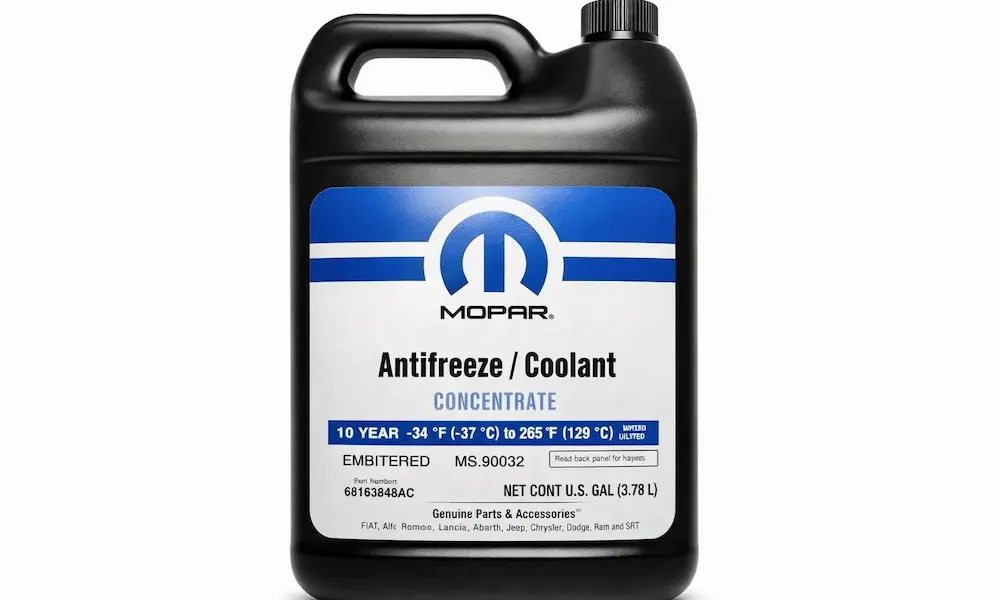
Use the right coolant. Only use OAT coolant in later models. Mixing OAT with the older HOAT formula creates a thick chemical sludge that destroys the radiator. Flush the system every 50,000–100,000 miles.
Clean the throttle body every 30,000 miles. It’s cheap, it’s quick, and it prevents the ETC light from ruining your day.
Listen for the tick. If you hear a rhythmic tapping that wasn’t there before, don’t drive it. Get it diagnosed immediately. Catching rocker arm failure early is the difference between a $1,500 repair and a $6,000 engine replacement.
The 3.6 Pentastar isn’t a ticking time bomb — it’s an engine with known weak points that respond well to proactive care. Know the problems, stay ahead of them, and this engine will go the distance.