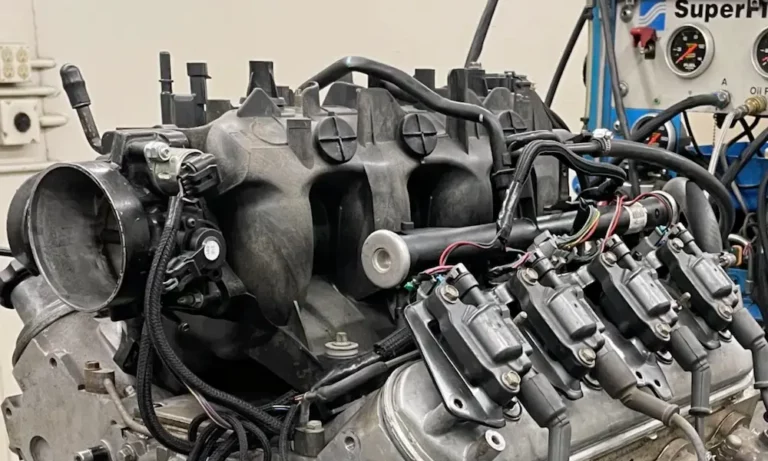
Got a 4.8 Vortec truck that’s acting up? You’re probably staring at a check engine light, hearing weird noises, or dealing with a rough idle that won’t quit. This guide breaks down every major 4.8 Vortec engine problem — what causes it, what it sounds like, and what to do about it. Read to the end, because some of these fixes are cheaper than you think.
What Makes the 4.8 Vortec Tick (and Why It Usually Doesn’t Break)
Before diving into problems, it’s worth knowing why this engine is genuinely tough.
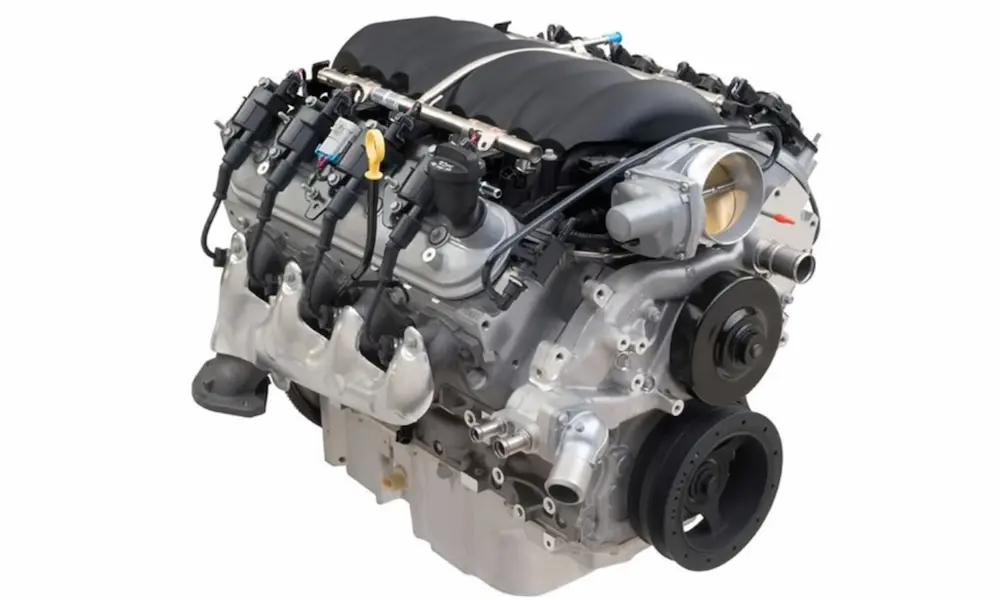
The 4.8L Vortec runs a short-stroke design — 3.27-inch stroke, 3.78-inch bore — which keeps piston speeds lower at high RPM. Less stress on rods, less wear on cylinder walls. The cast-iron block adds rigidity that aluminum blocks simply can’t match.
Here’s the biggest win: the 4.8 Vortec skips Active Fuel Management (AFM). The 5.3L and 6.2L engines use collapsible lifters to deactivate cylinders. Those lifters fail. They destroy camshafts. They cost thousands to fix. The 4.8? It’s a straightforward 16-lifter engine with none of that drama.
| Engine Version | Years | Key Feature |
|---|---|---|
| LR4 (Gen III) | 1999–2006 | 24-tooth reluctor, rear cam sensor |
| LY2 (Gen IV) | 2007–2009 | 58-tooth reluctor, front cam sensor, thicker rods |
| L20 (Gen IV) | 2010–2014 | Added Variable Valve Timing (VVT) |
That iron block can genuinely reach 300,000 miles. The problems that show up aren’t usually the engine itself — they’re the systems around it.
Fuel System Problems: The Most Common 4.8 Vortec Headaches
Bad Fuel Pressure Regulator (Gen III LR4)
This one hits older 4.8 Vortec trucks hard. The fuel pressure regulator has a rubber diaphragm inside. Heat cycles and ethanol-blended fuel chew it up over time.
When it ruptures, raw fuel gets sucked straight into the intake manifold through the vacuum line. The engine floods with fuel it can’t burn.
Symptoms you’ll notice:
- Strong raw gas smell under the hood
- Black smoke from the exhaust
- Fouled spark plugs
- Loud backfires on deceleration
- Potential catalytic converter damage from excess heat
The quick diagnostic test is simple. Pull the vacuum line off the regulator while the fuel system is pressurized. If gas drips out, the diaphragm is gone. Replace the regulator.
Failing In-Tank Fuel Pump
Fuel pumps in these trucks typically last 100,000–150,000 miles. The pump sits submerged in fuel, and that gasoline keeps it cool. Run the tank low constantly? You’re cooking the pump motor.
Common Chevy Silverado fuel pump problems follow a clear progression:
| Failure Stage | Symptom | What’s Happening |
|---|---|---|
| Early | Whining hum from the tank | Bearing friction increasing |
| Mid-level | Hesitation at highway speeds | Pump can’t keep up with demand |
| Advanced | Stalling at idle | Check valve or motor winding failing |
| Complete | Cranks but won’t start | Motor seized or dead |
Keep the tank above a quarter full. It’s the cheapest pump maintenance there is.
Fuel Pump Control Module Corrosion
Later model trucks add a fuel pump control module mounted under the chassis. It manages voltage to the pump. Exposure to road salt and moisture corrodes the connectors.
A failing module mimics a dead pump — intermittent stalling, rough starts — but the pump itself is fine. Check the module’s connector for corrosion before replacing the pump.
Knock Sensor Problems: The Valley Cover Trap
Both knock sensors sit deep in wells on the engine’s valley cover, under the intake manifold. The rubber grommets sealing those wells harden and crack with age.
Water gets in. Rain, snow, high-pressure washing — it all pools around the sensors. Corrosion sets in on the sensor body and the wiring harness.
A corroded knock sensor sends a low-voltage signal. The computer reads that as potential engine knock and retards ignition timing as a safety measure. You’ll feel it immediately:
- Noticeable power loss
- Sluggish acceleration
- Fuel economy drops several MPG on the highway
- P0327 or P0332 trouble codes
Here’s the catch with repairs: aftermarket knock sensors often fail spec. Professional technicians report that sensors even 70 ohms out of tolerance trigger an immediate comeback. Use OEM sensors only. Replace the entire knock sensor harness at the same time to restore the moisture seal properly.
Intake Manifold Gasket Failure: The Cold Start Problem
The intake gaskets on the 4.8 Vortec use composite material with silicone sealing beads. They shrink and harden over time — especially noticeable in cold climates.
On cold mornings, the shrunken gaskets let unmetered air slip into the combustion chambers. The mass airflow sensor never sees this air. The computer can’t account for it. The mixture runs lean.
What you’ll notice:
- Rough, hunting idle when the engine is cold
- Idle smooths out as the engine warms up (temporary seal from expansion)
- P0171 and P0174 lean codes on both banks
- Misfires and hesitation during acceleration
The fix is straightforward: replace the gaskets with updated metal-core versions. They don’t shrink. They seal properly. This is a well-documented issue across the entire Vortec V8 lineup.
Reduced Engine Power Mode: Throttle Body and Electrical Causes
If your 4.8 Vortec suddenly loses power and you can’t maintain highway speed, it’s likely in Reduced Engine Power mode. This is a safety protocol — the computer limits throttle to prevent unintended acceleration.
Throttle Body Carbon Buildup
The electronic throttle body pulls oil vapor from the PCV system through the intake. That vapor deposits carbon around the throttle plate. The plate sticks. The computer sees a mismatch between commanded and actual position.
Cleaning the throttle body with proper solvent helps, but you must follow it with a throttle relearn procedure. Skipping the relearn leaves the computer confused about the plate’s idle position.
Corroded Ground Straps
This one causes a lot of unnecessary parts-chasing. A corroded engine ground strap — usually on the rear of the driver’s side cylinder head — creates electrical noise throughout the entire control network.
Multiple unrelated sensor codes can appear simultaneously: harsh transmission shifts, sensor faults, Reduced Engine Power warnings. Clean and retighten every ground point on the engine before replacing expensive components.
| Electrical Fault | Code | Result |
|---|---|---|
| Corroded PCM ground | Multiple sensor codes | Limp mode, erratic sensors |
| Moisture in knock sensor harness | P0327 / P0332 | Retarded timing, power loss |
| Broken TPS wiring | P2135 | Reduced Engine Power |
| TAC module failure | TAC codes | Total throttle loss |
The LS Tick: Lifters, Oil Pressure, and What to Watch
Hydraulic Lifter Noise
A rhythmic tapping from the top end is called “lifter tick,” and it’s common in high-mileage 4.8 Vortec engines. Neglected oil changes let sludge clog the lifter’s internal check valve. The lifter can’t stay pumped up. It taps.
A cold-start tick that disappears in a few seconds is usually harmless. A tick that stays is a problem. If a lifter collapses completely, the pushrod hammers the rocker arm. The roller at the lifter’s base can seize and grind the camshaft lobe flat — sending metal shavings throughout the oiling system.
Oil Pickup Tube O-Ring Failure
There’s a small O-ring where the oil pump meets the pickup tube. It gets brittle. When it tears, the oil pump sucks air with the oil. Aerated oil can’t lubricate bearings properly.
Signs of a failing pickup O-ring include fluctuating oil pressure at idle and lifter noise that appears after the engine warms up. Oil pressure drops at idle with good oil level? Pull the pan and check that O-ring.
| Noise Type | Source | Key Clue |
|---|---|---|
| Light tapping (top) | Hydraulic lifter | Speeds up with RPM |
| Heavy knock (bottom) | Rod bearing | Worsens under load |
| Sharp click (cold only) | Broken exhaust manifold bolt | Disappears when warm |
| Piston slap (cold only) | Piston clearance | Usually harmless if it stops warm |
VVT Problems on the L20 (2010 and Up)
The L20 added Variable Valve Timing to improve efficiency. The camshaft phaser uses oil pressure to advance or retard cam timing. It’s effective when everything’s healthy — and fragile when it’s not.
Low oil pressure from the pickup tube O-ring or a worn oil pump will destabilize the phaser. You’ll get camshaft timing codes, intermittent stalling at stops, or sudden power loss under heavy towing loads.
L20 engines need strict oil viscosity compliance and quality synthetic oil to keep the phaser functioning. Don’t run cheap oil in a VVT engine.
Cooling System Problems Worth Knowing
Water Pump Weep Hole
Your water pump has a small weep hole on the underside. It’s there to warn you — if coolant appears there, the internal shaft seal is starting to go. Don’t ignore it. Once the seal fully breaches, the bearings lose lubrication. A grinding noise or wobbling pulley means the pump is close to complete failure. Let it fail completely and you’re looking at a warped head or blown head gasket.
Plastic Radiator Tank Cracks
The radiators in 4.8 Vortec applications use aluminum cores with plastic side tanks. Constant heat cycling causes fatigue cracks at the seams. These leaks often only appear under full pressure at highway speeds.
Watch for a sweet coolant smell and a rising temperature gauge. Catch it early and you’re replacing a radiator. Ignore it and you’re rebuilding an engine.
Heater Hose Quick-Connect Fittings
The plastic quick-connect fittings on the heater hoses at the firewall are fragile on high-mileage trucks. They snap without warning and dump coolant fast. Swapping them out for metal or reinforced versions on any truck over 100,000 miles is smart, cheap prevention.
How to Keep a 4.8 Vortec Running Past 200,000 Miles
The iron block can go well beyond 200,000 miles. What kills these engines early is neglected maintenance on the support systems. Here’s what actually matters:
Oil filter quality: Cheap filters with paper end caps can fail and send unfiltered oil straight into the hydraulic lifters. Use a quality filter. It’s a $3 difference that protects a $3,000 repair.
Oil viscosity: Stick to 5W-30. In cold northern winters, thicker oil won’t flow fast enough during startup to protect the valvetrain. That’s when lifter wear happens.
Knock sensor wells: When replacing knock sensors, pack the wells with high-quality RTV silicone. Seal out moisture permanently instead of replacing sensors again in three years.
Intake gaskets: If yours haven’t been replaced and you’re seeing lean codes, don’t keep chasing other parts. Replace the gaskets with metal-core versions and solve the root cause.
Oil level checks: Gen IV 4.8 engines can consume some oil through the PCV system. GM even released an updated valve cover with improved baffling to reduce oil vapor entering the intake. Check your oil every 1,000 miles on high-mileage engines.
Monitor the GM service bulletin: A documented GM technical service bulletin from NHTSA addresses specific valve cover and PCV concerns on these platforms. It’s worth reviewing if you’re chasing oil consumption issues.
The 4.8 Vortec’s greatest strength isn’t just the tough iron block — it’s everything it doesn’t have. No cylinder deactivation. No collapsing lifters. No AFM cam lobe destruction. Fix the peripheral problems, maintain the oil system, and this engine will outlast the truck it’s bolted into.