The 6.7 Cummins engine is known for its power and durability, but it’s not without issues. You might be wondering about common problems that could affect your truck’s performance. The most frequent 6.7 Cummins engine problems include head gasket failures, turbocharger issues, and emission system complications.
Don’t worry, though! Understanding these issues can help you keep your engine running smoothly. We’ll explore each problem and give you tips on how to spot and address them. By the end of this article, you’ll be better equipped to maintain your 6.7 Cummins engine and avoid costly repairs.
Ready to become a Cummins expert? Let’s dive in and learn how to keep your engine in top shape. You’ll be amazed at how a little knowledge can go a long way in preserving your engine’s performance and saving you money in the long run.
6.7 Cummins Overview
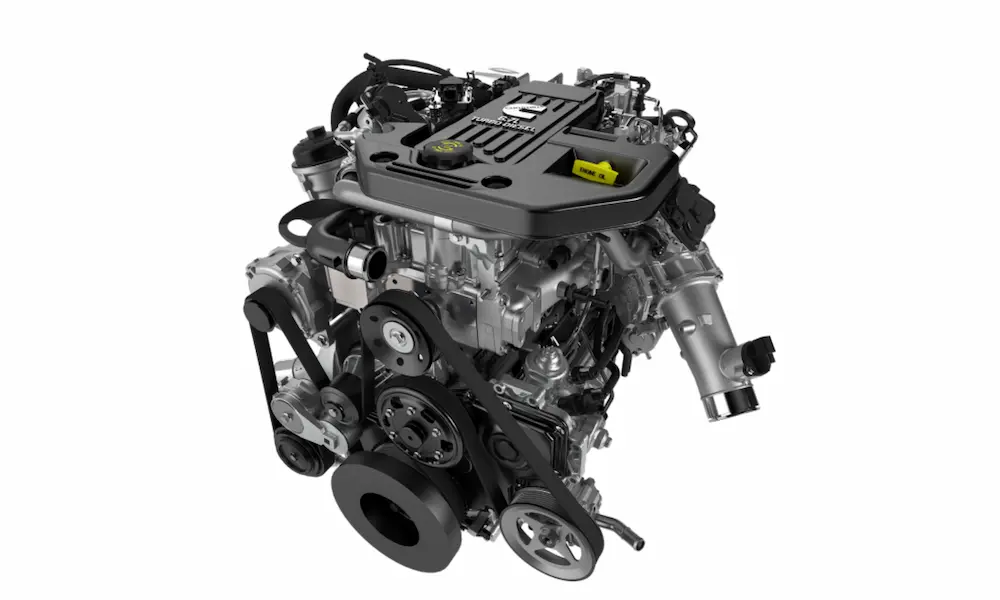
The 6.7 Cummins is a powerful diesel engine that has become a favorite among truck enthusiasts. It offers impressive performance and capability for heavy-duty applications.
Design and Performance
The 6.7 Cummins is a B series diesel engine designed for high power and torque. You’ll find it packs quite a punch, with some versions producing up to 420 horsepower and a whopping 1,075 lb-ft of torque.
This engine uses advanced technology like common-rail fuel injection and a variable geometry turbocharger. These features help improve fuel efficiency and reduce emissions while maintaining strong performance.
The 6.7 Cummins is known for its durability and longevity. Many owners report their engines lasting well over 200,000 miles with proper maintenance.
Role in Ram Trucks
You’ll find the 6.7 Cummins engine in Ram’s heavy-duty pickup trucks, including the Ram 2500 and 3500 models. It’s a popular choice for those needing serious towing and hauling capability.
In the Ram 2500, this engine helps you tow up to 20,000 pounds. Step up to the Ram 3500, and you can pull an incredible 35,100 pounds when properly equipped.
The 6.7 Cummins isn’t just for pickups. You’ll also see it in Ram’s chassis cab trucks and some medium-duty commercial vehicles. Its versatility makes it a go-to choice for a wide range of heavy-duty applications.
Common 6.7 Cummins Engine Problems
The 6.7 Cummins engine has some issues you should know about. These problems often affect the turbocharger, EGR system, fuel system, and emissions equipment. Let’s look at each of these areas in more detail.
Turbocharger Issues
Your 6.7 Cummins engine’s turbocharger can run into trouble. Turbocharger failure is one of the most common problems you might face. Signs of this include:
- Loss of power
- Excessive smoke
- Strange noises from the engine
The turbo can fail due to oil contamination or lack of maintenance. To prevent this, change your oil regularly and use high-quality filters. If you notice any warning signs, get your truck checked right away.
EGR System Complications
The Exhaust Gas Recirculation (EGR) system can give you headaches. Common issues include:
- Clogged EGR valves
- Failing EGR coolers
- Carbon buildup
These problems can lead to poor fuel economy and reduced engine performance. You might see the check engine light come on. To avoid EGR troubles, clean the system regularly and replace parts when needed.
Fuel System Concerns
Your 6.7 Cummins’ fuel system needs attention too. Issues you might run into are:
- Fuel dilution in oil
- Clogged fuel injectors
- Failing fuel pump
These can cause hard starting, rough idling, and loss of power. To keep your fuel system happy, use good quality diesel and change your fuel filter on schedule.
Emissions Equipment Challenges
The emissions control systems on your 6.7 Cummins can be tricky. You might face problems with:
- Clogged diesel particulate filters (DPF)
- Faulty selective catalytic reduction (SCR) systems
These issues can trigger warning lights and reduce your engine’s power. Regular maintenance and proper driving habits can help prevent many emissions-related problems. Don’t ignore regeneration cycles, and use the right diesel exhaust fluid for your SCR system.
Specific Component Concerns
The 6.7 Cummins engine has a few parts that need extra attention. These include the head gasket, exhaust manifold, and cylinder head. Let’s look at each one closely.
Head Gasket Durability
Your 6.7 Cummins engine’s head gasket might need some care. This part keeps oil and coolant separate. It also seals the combustion chamber.
Head gasket problems can happen more often in the 6.7 than in older models. The engine’s high power might be the cause. When the head gasket fails, you might see:
- White smoke from the exhaust
- Coolant loss
- Oil in the coolant
- Overheating
Regular checks can help catch issues early. If you spot any signs, it’s best to get it looked at quickly.
Exhaust Manifold Integrity
Your exhaust manifold is key for getting hot gases out of the engine. In the 6.7 Cummins, it can face some tough challenges.
Heat and vibration can cause cracks over time. You might hear a ticking noise if this happens. Other signs include:
- Loss of power
- Decreased fuel economy
- Exhaust leaks
It’s a good idea to check your exhaust manifold regularly. Look for any cracks or leaks. Catching problems early can save you from bigger repairs later.
Cylinder Head Stability
Your cylinder head is crucial for your engine’s performance. In the 6.7 Cummins, it needs to handle high pressures and temperatures.
Sometimes, the cylinder head can warp or crack. This often happens due to overheating. Signs of cylinder head issues include:
- Loss of coolant
- Engine misfires
- Poor performance
- Visible damage to the head
Regular maintenance is key. Keep an eye on your coolant levels and temperature gauge. If you notice any odd behavior, it’s best to have a pro check it out.
Remember, taking care of these parts can help your 6.7 Cummins run strong for years to come.
Operational Issues
The 6.7 Cummins engine can face some tricky problems. Let’s look at three common issues you might run into and how to spot them.
Signs of Fuel Dilution
Fuel dilution is a sneaky problem in your 6.7 Cummins. You might notice your oil smells like diesel fuel. This happens when fuel mixes with your engine oil.
Keep an eye out for:
- Oil level rising between changes
- Thinner, less viscous oil
- Reduced fuel economy
Fuel dilution issues can lead to bigger problems if not fixed. Your engine parts might wear out faster. You might also see more exhaust smoke.
To catch this early, check your oil often. If you spot these signs, it’s time for an oil change and maybe a trip to the mechanic.
White Smoke Emission
Seeing white smoke from your exhaust? Don’t ignore it! This could point to a few different issues in your 6.7 Cummins.
Possible causes:
- Coolant leak into combustion chamber
- Faulty fuel injectors
- Cold weather (if it’s just on startup)
If the smoke doesn’t go away after warming up, you might have a bigger problem. A cracked cylinder head or blown head gasket could be to blame.
Getting this checked out quickly can save you from costly repairs down the road. Your mechanic can run tests to find the exact cause.
Death Wobble in Suspension
The “death wobble” isn’t just scary-sounding – it’s a real issue for some 6.7 Cummins trucks. You’ll feel a violent shaking in your steering wheel and front end.
This usually happens when:
- You hit a bump at highway speeds
- Your tires are unbalanced
- Suspension parts are worn out
Suspension issues like this can make driving unsafe. Check your:
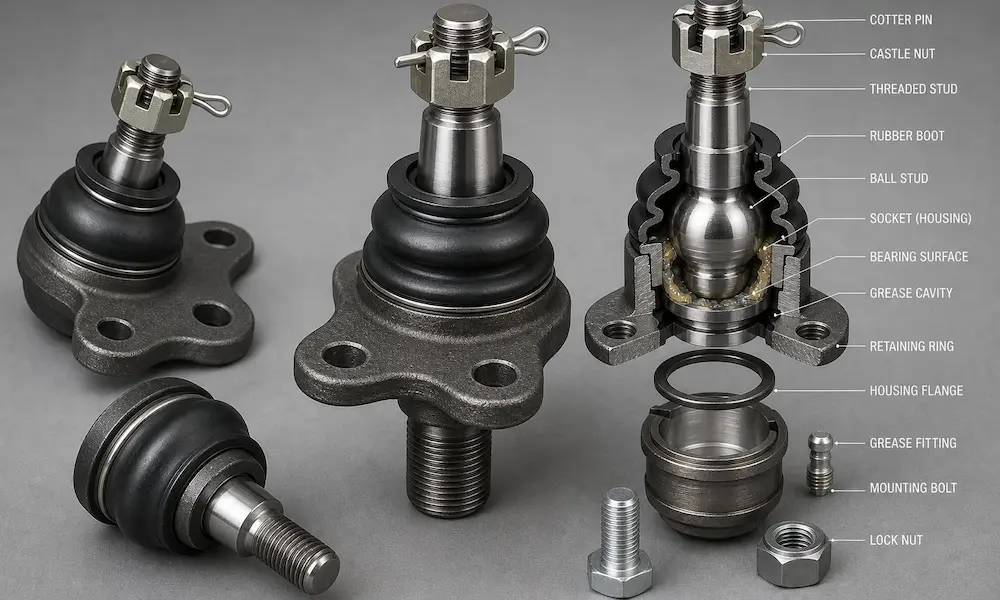
- Ball joints
- Tie rods
- Track bar
If you feel any wobble, slow down safely and get your truck checked. Regular maintenance can help prevent this scary situation.
Comparative Analysis
The 6.7 Cummins engine has some key differences from other Cummins models and competing diesel engines. Let’s look at how it stacks up in terms of performance, reliability, and common issues.
6.7 Cummins vs. Other Cummins Models
When you compare the 6.7 Cummins to its predecessor, the 5.9 Cummins, you’ll notice some big changes. The 6.7 offers more power and torque, which is great for towing. But it also comes with new challenges.
The 6.7 has more complex emissions systems. This can lead to more turbo problems than the simpler 5.9 engine. You might face issues like clogged diesel particulate filters or EGR cooler failures.
On the plus side, the 6.7 Cummins gives you better fuel economy in most cases. It’s also quieter and smoother than the 5.9, which you’ll appreciate on long drives.
6.7 Cummins and Competing Diesel Engines
How does the 6.7 Cummins stack up against other diesel engines in Dodge trucks and other brands? It’s a strong contender, but it has its pros and cons.
The 6.7 Cummins offers excellent towing capacity. You’ll find it can handle heavy loads with ease. It’s also known for its longevity – many 6.7 engines can last over 300,000 miles with proper care.
But you should be aware of some common Cummins problems. Head gasket issues can be more frequent than in some competing engines. The complex emissions systems can also lead to more maintenance needs.
Compared to Ford and GM diesels, the 6.7 Cummins tends to be noisier. But many drivers feel this is a fair trade-off for its raw power and durability.