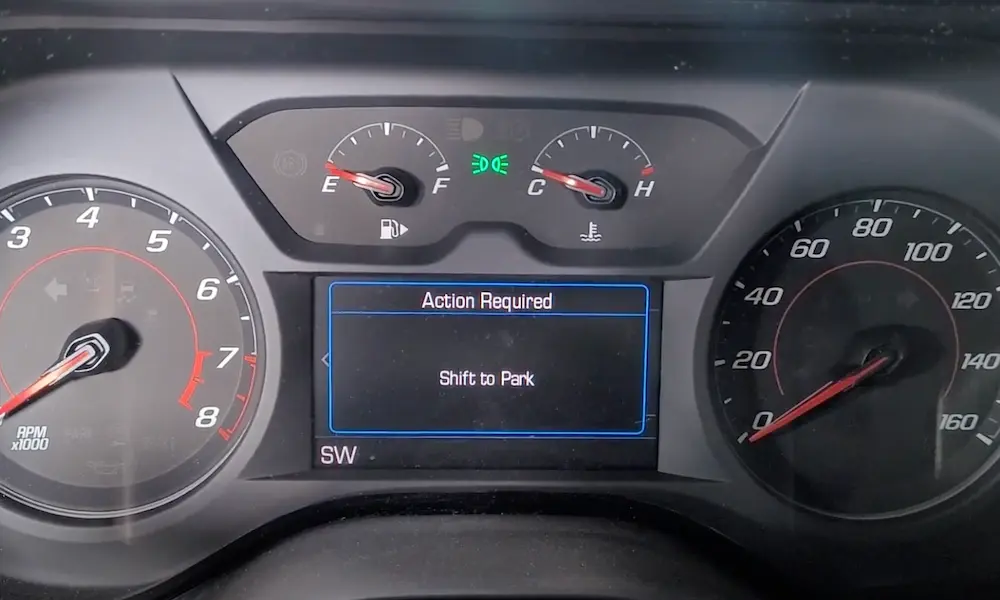
You’re driving your Chevy Malibu when that dreaded yellow light appears on your dashboard. The check engine light can trigger immediate anxiety, but understanding what those codes mean puts you back in control. Let’s break down what these mysterious codes are telling you about your Malibu and how you can address them without breaking the bank.
What Causes the Check Engine Light in a Chevy Malibu?
The check engine light activates when your Malibu’s onboard diagnostics system (OBD-II) detects an issue affecting engine performance or emissions. This system monitors everything from fuel mixture to catalytic converter efficiency. When something falls outside normal parameters, it generates a specific code and illuminates that warning light.
Common triggers include:
- Loose or damaged gas cap
- Failing oxygen sensors
- Spark plug or ignition coil problems
- Catalytic converter issues
- Mass airflow sensor malfunctions
- EVAP system leaks
The severity ranges from minor concerns that won’t affect drivability to serious issues that require immediate attention.
How to Read Check Engine Codes in Your Malibu
You have several options to access these diagnostic trouble codes (DTCs):
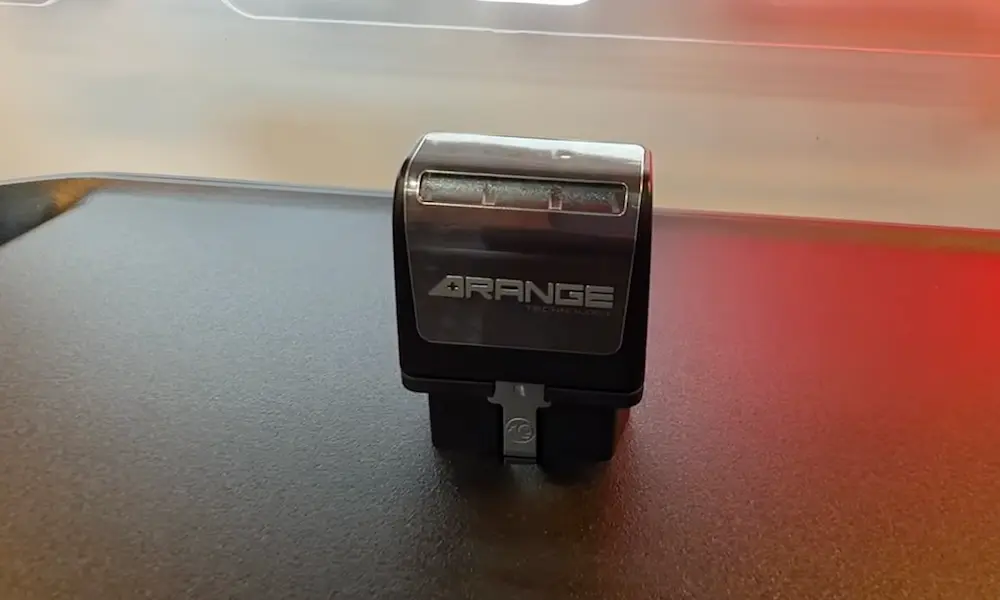
Using an OBD-II Scanner
- Locate your OBD-II port (usually under the dashboard near the steering column)
- Plug in your scanner with the ignition turned to the “on” position but engine off
- Follow your scanner’s instructions to read the codes
- Write down any codes displayed (they’ll appear in a “P0XXX” format)
Visiting an Auto Parts Store
Most major auto parts retailers offer free code readings. They’ll connect their scanner and provide you with the specific codes triggering your light.
Using the Malibu’s On-Board System (Some Models)
Some newer Malibus allow code access through the instrument cluster menu. Check your owner’s manual to see if this feature is available in your model.
Common Chevy Malibu Check Engine Light Codes
Let’s explore the codes you’re most likely to encounter in your Malibu:
P0171: System Too Lean (Bank 1)
This common code indicates your engine is receiving too much air or not enough fuel.
Potential causes:
- Vacuum leaks in intake hoses or gaskets
- Clogged or failing fuel injectors
- Faulty oxygen sensors
- Weak fuel pump or clogged filter
DIY fix: Check for visible cracks in vacuum lines and listen for hissing sounds indicating leaks. Also, inspect your mass airflow sensor for contamination—cleaning it with specialized MAF cleaner might solve the issue.
P0300-P0306: Misfire Codes
These codes indicate cylinders that aren’t firing properly. P0300 means multiple cylinders are misfiring, while P0301-P0306 identify specific cylinders (1-6).
Potential causes:
- Worn spark plugs
- Failing ignition coils
- Fuel delivery issues
- Compression problems
DIY fix: Start by replacing the spark plugs in the affected cylinder(s). If the problem persists, the ignition coil for that cylinder may need replacement.
P0420: Catalyst System Efficiency Below Threshold
This code indicates your catalytic converter isn’t operating efficiently.
Potential causes:
- Aging catalytic converter
- Exhaust leaks
- Faulty oxygen sensors providing incorrect readings
DIY fix: Before replacing the expensive catalytic converter, check for exhaust leaks and verify oxygen sensor operation. Sometimes, replacing oxygen sensors resolves this code.
P0442/P0455: Evaporative Emission Control System Leak
These codes point to leaks in your EVAP system, which prevents fuel vapors from escaping into the atmosphere.
Potential causes:
- Loose, damaged, or missing gas cap
- Cracked EVAP hoses
- Failing purge valve or vent solenoid
DIY fix: The simplest fix is checking your gas cap. Remove it, inspect the seal for damage, and reinstall it until it clicks at least three times. This alone resolves many P0442/P0455 codes.
P0102: Mass Air Flow (MAF) Sensor Low Input
This code appears when your MAF sensor’s signal falls below expected parameters.
Potential causes:
- Dirty or contaminated sensor element
- Wiring issues or connector problems
- Failed sensor requiring replacement
DIY fix: Try cleaning the MAF sensor with specialized MAF cleaner (never touch the sensitive elements). If cleaning doesn’t work, replacement is usually necessary.
Electrical System Codes in the Malibu
Electrical issues can trigger numerous check engine codes in your Malibu:
P0030/P0053: Oxygen Sensor Heater Circuit Malfunctions
These codes relate to problems with the heating elements in your oxygen sensors.
Potential causes:
- Blown fuses (especially fuse #6 in the underhood fuse box)
- Damaged wiring
- Failed oxygen sensor heater elements
DIY fix: Before replacing expensive sensors, check fuse #6 in the underhood fuse box. Many Malibu owners have found that a blown fuse causes these codes, and replacement is a simple, inexpensive fix.
P0463: Fuel Level Sensor Circuit High Voltage
This code indicates problems with your fuel gauge reading.
Potential causes:
- Faulty fuel sending unit in the tank
- Wiring issues between the sender and gauge
- Instrument cluster problems
DIY fix: This typically requires professional attention as fuel tank access is needed in most cases.
Transmission-Related Check Engine Codes
Your Malibu’s transmission can also trigger check engine codes:
P0700: Transmission Control System Malfunction
This generic transmission code usually appears alongside more specific codes.
Potential causes:
- Low or degraded transmission fluid
- Faulty shift solenoids
- Internal transmission problems
DIY fix: Check your transmission fluid level and condition. If it’s low or dirty, address this issue first before assuming more serious problems.
P0730: Incorrect Gear Ratio
This code indicates the transmission is not achieving the expected gear ratios.
Potential causes:
- Internal transmission wear
- Solenoid problems
- Valve body issues
DIY fix: This typically requires professional diagnosis, but checking transmission fluid level and quality is a good first step.
What to Do When Multiple Codes Appear
It’s common to see multiple codes at once in your Malibu. Here’s how to approach this situation:
- Look for patterns: Codes often appear in groups related to the same underlying problem.
- Address electrical issues first: A single blown fuse can trigger multiple seemingly unrelated codes.
- Prioritize sensor-related codes: Faulty sensors can cause your ECU to make incorrect adjustments, triggering additional codes.
For example, many Malibu owners report that replacing fuse #6 resolves multiple codes simultaneously—including P0030, P0036, and P0102—highlighting how one electrical issue can cascade into multiple warning lights.
When DIY Isn’t Enough: Manufacturer-Specific Codes
While generic P0xxx codes are standardized across all vehicles, your Malibu may also display manufacturer-specific codes (P1xxx). These require specialized knowledge and often relate to GM-specific systems.
Common manufacturer-specific codes include:
P0011: Camshaft Position Timing Over-Advanced
This Malibu-specific code relates to the variable valve timing system.
Potential causes:
- Defective camshaft position actuator
- Low engine oil or poor oil quality
- Timing chain wear
This typically requires professional diagnosis due to the complexity of the variable valve timing system.
DIY Code Clearing: Should You Do It?
After fixing the underlying issue, you may want to clear the check engine light. Here’s how:
- Use an OBD-II scanner with “clear codes” function
- Disconnect the battery (negative terminal first) for 15+ minutes
- Drive several complete drive cycles to verify the fix
Remember: If the underlying issue isn’t fixed, the light will return, usually within a few driving cycles. Clearing codes without fixing the problem is only a temporary solution.
Cost-Saving Tips for Malibu Engine Light Repairs
Dealership repairs for check engine lights can be expensive. Here’s how to save:
| Repair Type | Dealership Cost | DIY/Independent Shop Cost | Potential Savings |
|---|---|---|---|
| Oxygen Sensor | $200-350 | $50-150 | $100-200 |
| Mass Airflow Sensor | $300-450 | $150-250 | $150-200 |
| Spark Plugs/Coils | $350-600 | $100-300 | $250-300 |
| EVAP Components | $200-500 | $50-250 | $150-250 |
Money-saving strategies:
- Buy OEM-quality parts from auto parts stores instead of the dealership
- Address maintenance items yourself (spark plugs, air filters)
- Get multiple quotes before proceeding with expensive repairs
Essential Tools for DIY Diagnosis
If you want to tackle check engine light diagnosis yourself, here’s what you’ll need:
| Tool | Purpose | Approximate Cost |
|---|---|---|
| OBD-II Scanner | Read/clear codes | $25-100 |
| Digital Multimeter | Test electrical components | $20-50 |
| Socket Set | Remove components for inspection | $30-100 |
| MAF Sensor Cleaner | Clean contaminated sensors | $10-15 |
| Vacuum Gauge | Detect vacuum leaks | $15-30 |
These tools will pay for themselves quickly by helping you avoid unnecessary repairs and diagnostic fees.
Preventive Maintenance to Avoid Check Engine Lights
The best way to avoid check engine light problems is through proper maintenance:
- Follow the maintenance schedule in your owner’s manual
- Use high-quality gas and keep the tank at least quarter-full
- Replace air and fuel filters at recommended intervals
- Use quality oil and change it regularly
- Address minor issues before they trigger warning lights
Is It Safe to Drive With the Check Engine Light On?
Whether you can continue driving depends on how your Malibu is running:
Safe to drive short distances:
- Light is steady (not flashing)
- No performance issues
- No unusual sounds or smells
- No overheating
Not safe to drive—seek immediate help:
- Flashing check engine light (indicates active misfiring)
- Engine running roughly
- Lack of power
- Strange noises or smoke
- Overheating
If your check engine light is flashing, this indicates a severe issue that could damage your catalytic converter. Pull over when safe and have the vehicle towed to avoid expensive damage.
Reading Diagnostic Freeze Frame Data
Modern OBD-II scanners can show “freeze frame” data—a snapshot of conditions when the code was set. This information helps identify intermittent issues by showing:
- Engine temperature
- Vehicle speed
- Engine load
- Fuel trim values
- Timing information
This data provides valuable context that can help pinpoint exactly when and under what conditions the problem occurs.
By understanding these codes and following a systematic approach to diagnosis, you can demystify your Malibu’s check engine light and often resolve issues without expensive dealership visits. Remember that addressing these codes promptly helps prevent more serious (and costly) damage down the road.